
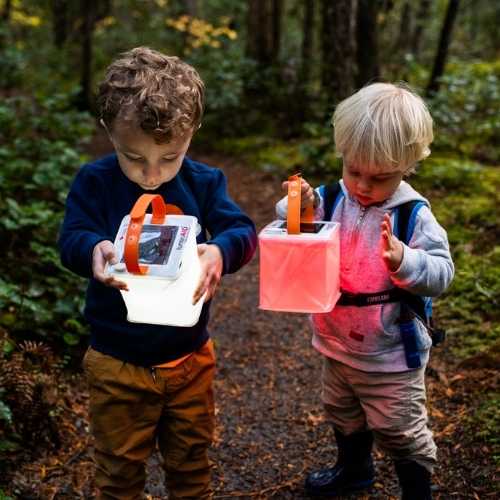

You're at camp after dark, dinner dishes are still wet, someone can't find the trash bags, and the one light you brought is either blindingly bright or too weak to do anything useful. That's the moment you realize a portable light for camping isn't a single-buy problem, it's a layering problem. The right setup gives you task light, area light, and a little ambient glow without turning the whole campsite into a mess of shadows and glare.
Table of Contents
- The Night You Realized You Picked the Wrong Light
- The Three Types of Portable Camp Lights You Actually Use
- How Many Lumens You Need at Camp
- Battery, Rechargeable, Solar, and Hybrid Power
- Building a Light Kit for Your Trip Type
- Setup and Placement Tricks That Change Everything
- Common Camping Light Mistakes and How to Avoid Them
- Choosing Your Portable Light for Camping
The Night You Realized You Picked the Wrong Light
The problem usually shows up right after sunset. One person wants to cook, another needs to find the bear spray, and a third is hunting for a jacket in a tent corner that vanished into darkness. A lone headlamp can't cover the whole scene, and a single handheld flashlight just makes everyone chase the beam around like it's a game.
That's why the wrong light feels wrong so fast. It's not only about brightness, it's about whether the light helps people do different jobs at the same time without crowding each other out. A camp setup needs one light for close work, one for the shared space, and one for mood after the chores are done.
Practical rule: if everyone keeps asking, “Can you point that somewhere else?”, the site needs layering, not a bigger beam.
The old history of portable light for camping is basically the history of making light less awkward. The electric flashlight in 1899 made portable lighting practical at scale, and by the 1920s and 1930s improved tungsten bulbs and dry-cell batteries made flashlights common household gear, with ownership becoming unusual not to have by the late 1940s to 1950s in many American homes, according to Ledlenser's historical summary of the flashlight's invention and spread (Ledlenser historical overview). Camping just took that basic idea and pushed it outdoors.
What works now is simple. Task lighting handles cooking, reading, and gear rummaging. Area lighting fills the campsite. Ambient lighting keeps the site comfortable and navigable without making everyone feel like they're under interrogation. No single device does all three well, so the smartest camp kits stop trying.
The Three Types of Portable Camp Lights You Actually Use

A headlamp is a flashlight for your face. It follows your eyes, leaves your hands free, and solves the jobs that happen up close, like setting up a stove, checking a map, or finding a zipper in a tent pocket. The catch is obvious, it creates tunnel vision and can blind the person sitting across from you if you look up too fast.
A lantern is the room light for your campsite. It spreads light around a table, under a tarp, or inside a tent vestibule, which makes it the workhorse for shared space. The downside is that lanterns can throw harsh shadows if they're hung too high or placed too far away from the action.
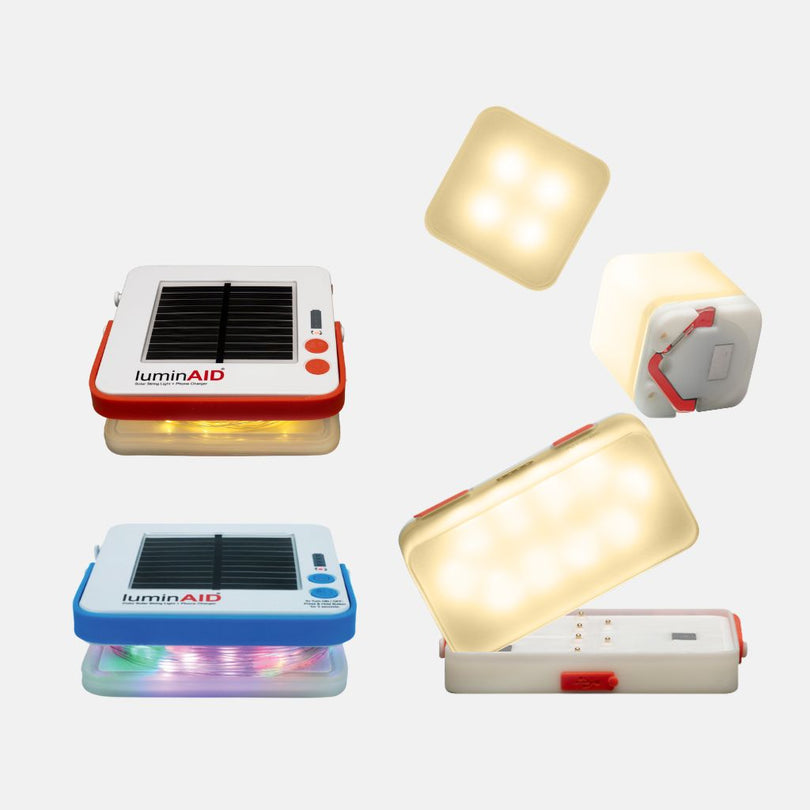
String lights are the porch lights you'd hang in a backyard. They're not the main worker, but they make a site feel livable, and they're useful when the camp is set up and the hard work is over. On their own, they usually aren't bright enough for cooking, reading, or packing up in the dark.
| Light Type | Best For | Main Limitation |
|---|---|---|
| Headlamp | Hands-free tasks, walking, tent rummaging | Blinds other people, narrow beam |
| Lantern | Shared campsite light, cooking, table work | Can create shadows and glare |
| String Lights | Cozy perimeter lighting, ambience | Usually too dim for solo use |
The best kit uses all three roles with intent. If a camper buys only one type, a headlamp usually makes the most sense for moving around, but a lantern is the more useful shared tool for family or car camping. String lights are the bonus layer, not the base layer.
How Many Lumens You Need at Camp

The easiest mistake is chasing the biggest lumen number on the box. Higher output can light a larger campsite, but it also drains batteries faster because LEDs draw more power at higher settings. That tradeoff is why independent gear reviews compare brightness, weight, and runtime instead of treating price as the main factor (CleverHiker gear review).
Match Lumens to the Job
Start with the task, then pick the lowest output that still does it well. For many campers, 50 to 75 lumens gives a soft glow, while 100 lumens or above can light a camp space in many cases, according to a 2026 gear guide (GearJunkie camping lantern guide). For close work, that same guide says 100 to 300 lumens is typical for tent use, and 300 to 1000+ lumens fits larger areas or harder jobs.
Treeline Review puts the practical sweet spot for campsite use at 200 to 500 lumens for general lighting, 100 to 200 lumens for tent reading, 200 to 400 lumens for cooking or camp chores near hot surfaces or knives, and 500+ lumens for large group sites or emergency medical situations (Treeline Review camping lights guide). The right beam depends on what you are doing and how much area you need to cover. For a broader look at how those output levels map to camp tasks, the recommended lumen levels for different camping activities chart is a useful reference.
Bottom line: more lumens help with distance and group size, but they also make night vision worse and battery life shorter.
The smarter buying move is to separate “enough light” from “maximum light.” Most camps do not need a spotlight. They need a controlled beam for walking, a comfortable table light for cooking and chores, and a lantern that does not wipe out everyone's ability to see after the first five minutes.
Battery, Rechargeable, Solar, and Hybrid Power

Power choice decides whether a light becomes a comfort or a hassle. A bright lantern with the wrong charging setup is just dead weight on day three.
Disposable Batteries Still Make Sense
Disposable batteries are the reliability play. Pitchup recommends battery-powered lights because they only require spare batteries, and it also advises tent campers to bring at least one portable light plus a second light source that can be hung from the tent ceiling, along with a battery-powered backup in case of outage (Pitchup camping lights guide). That logic holds up on cold trips, remote trips, and any outing where charging gear is annoying.
The downside is waste and bulk. Spare batteries have to be packed, tracked, and replaced, which makes them a poor fit for people who camp often.
Rechargeable and USB-C Are the New Default
Built-in rechargeable lights are lighter on long trips and cheaper to run once the gear is already owned. The trend in 2026 product coverage is clearly toward USB-C charging and internal batteries instead of older battery-only setups, especially for lanterns and area lights.
That shift matters because it makes campsite gear easier to top up from a power bank, vehicle, or wall outlet. For regular campers, that convenience usually beats fiddling with loose cells.
Solar and Hybrid Designs Fill the Gap
Solar charging is most useful when the trip is long enough to justify daytime top-ups and the site isn't stuck in shade. The follow-up question is always whether the sun is strong enough to matter, and on cloudy days or in dense forest, solar charging is slow enough that campers should treat it as supplemental, not guaranteed.
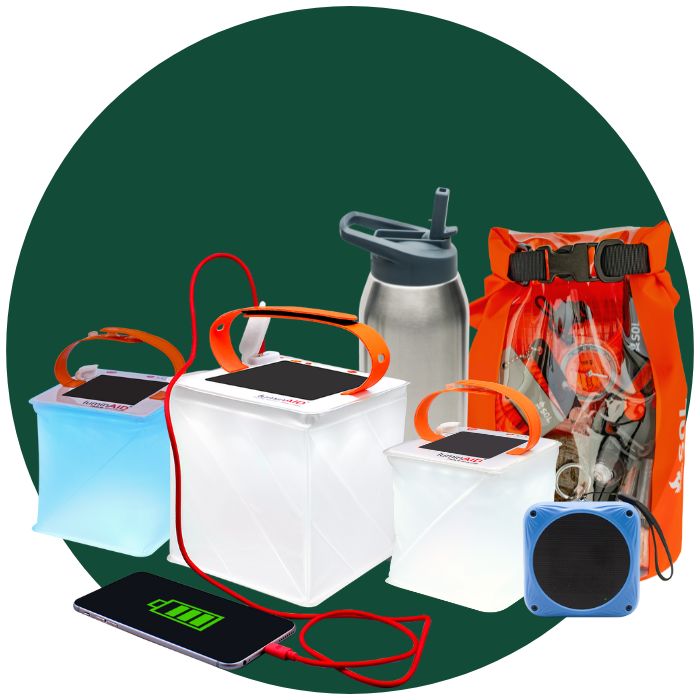
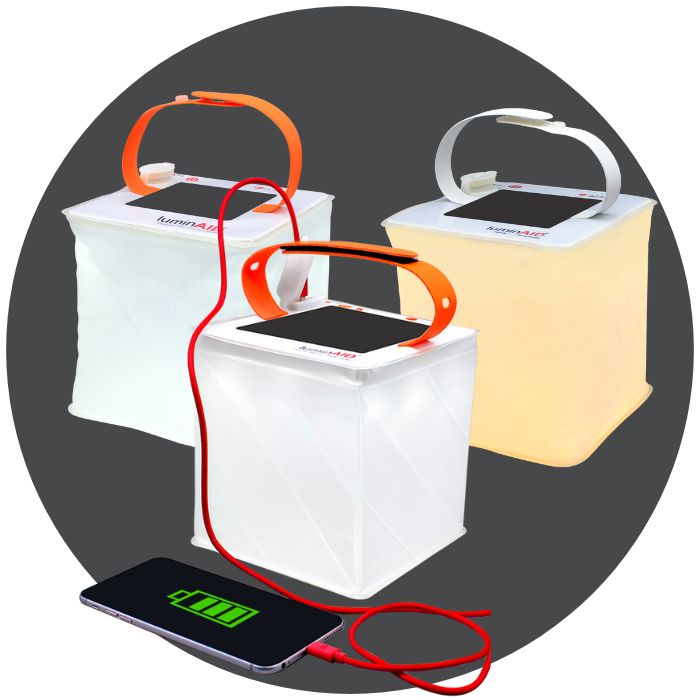
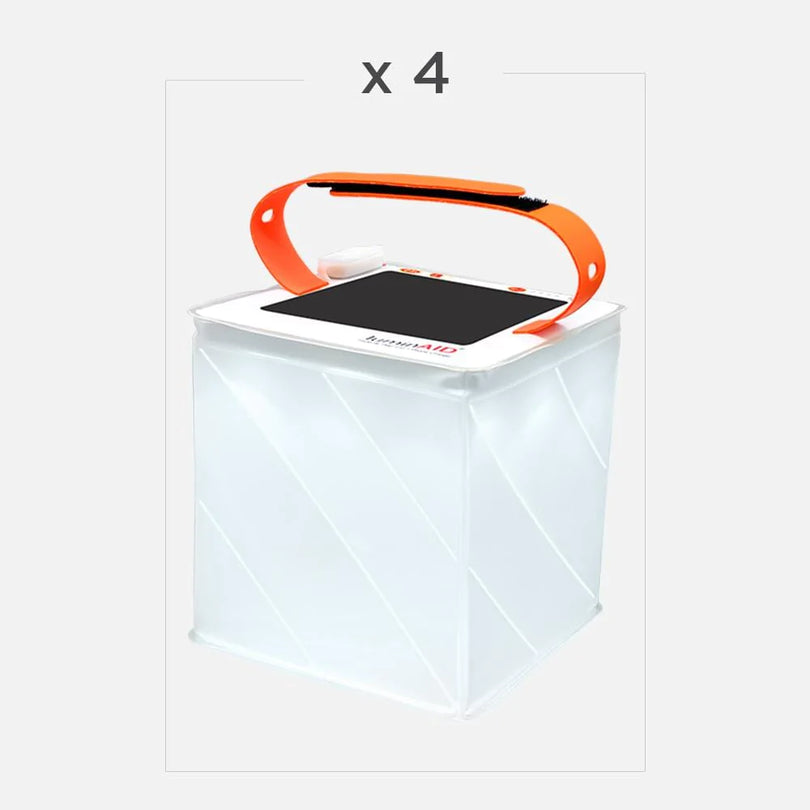
Hybrid 2-in-1 lantern-charger designs solve a different problem. A 2026 roundup from Switchback Travel highlights the LuminAID PackLite Max 2-in-1 Power Lantern as an all-in-one lantern and device charger, with 150-lumen max output, USB and solar charging, and a collapsible form factor (Switchback Travel camping lantern guide). That kind of setup makes sense for campers who want one item to cover light and emergency charging, not separate devices for each job.
For campers considering solar lantern options, LuminAID's solar lantern overview shows how this category fits trips where packability and off-grid charging both matter.
Building a Light Kit for Your Trip Type
The right kit depends on who's sleeping where and how far the nearest outlet is. A backpacker, a family in a tent, and a van traveler do not need the same light plan, even if they all search for the same portable light for camping.
Solo Backpacking
A backpacker should keep it lean. A lightweight headlamp handles hiking, cooking, and tent chores, while a compact lantern handles camp time once the pack is down. The lantern does not need to be huge, it just needs to fill the small space around a cookpot or bivy without wasting battery.
Family Car Camping
A family tent needs more than one person can carry at once. One bright main lantern works for the table, each adult should have a headlamp, and string lights make a big difference for kid-friendly evening visibility around the tent edge. That layered setup reduces the constant “where's the flashlight” scramble.
Group Sites and Shared Cooks
Group campsites benefit from one higher-output area light and personal headlamps for each person. The shared light covers cooking and setup, while the personal lamps stop people from flooding the whole site with white light every time they need a snack.
Van Life and RV Camping
Van and RV campers usually have more power access than backpackers, so a hybrid lantern that can also charge a phone makes sense, especially for evening use outside the vehicle. Warm string lights round out the setup and make the outdoor space feel less harsh without needing a full floodlight.
For packing, LuminAID's camping packing list fits naturally with a layered kit approach, because it keeps light, power, and backup gear in the same planning frame.
Setup and Placement Tricks That Change Everything
A good light in a bad spot still feels bad. A mid-range lantern in the right place can feel surprisingly good, because placement controls glare, shadow, and how much of the campsite gets useful light.
Use Height on Purpose
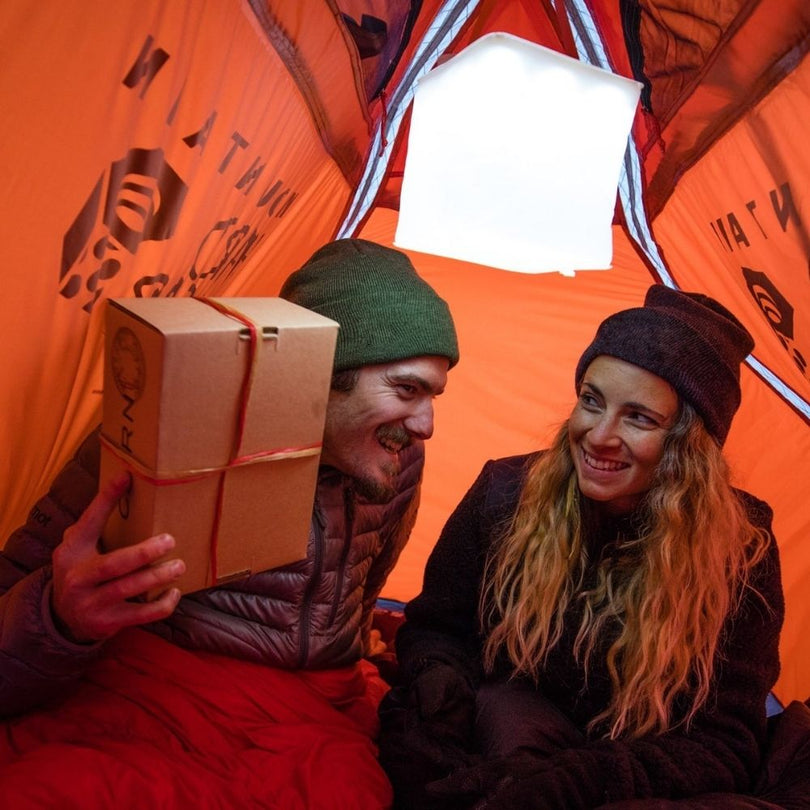
A lantern hung at eye level usually works better than one thrown way overhead, because it cuts the hard shadows that come from straight-down lighting. In a tent, clipping a light to the ceiling can soften the whole space, but that same light needs to stay away from tent walls and fabrics near heat sources.
Keep Task Light Low and Directed
Reading and cooking need different beams. A reading light should stay close and soft, while a stove light should aim away from other campers' eyes and off shiny cookware whenever possible. The goal is to light the work, not the whole zip code.
Simple Gear Makes Placement Easier
Carabiners, magnetic bases, and adjustable cords solve most campsite lighting headaches. They let a camper hang a lantern from a tarp line, clip a light inside a vestibule, or shift the beam when the table moves.
Useful habit: test placement at home before the trip, because the campsite is not the place to discover the cord is too short.
The tent-lighting options guide from LuminAID fits neatly here because tent placement is where many lights either become useful or become annoying. Good placement is the cheapest upgrade a camper can make.
Common Camping Light Mistakes and How to Avoid Them

The biggest lighting mistakes are boring, which is exactly why they keep happening. Campers keep buying one oversized lantern and expecting it to solve every problem.
The Usual Failures
- One mega-bright lantern: It floods the site and still leaves close-up jobs awkward. The fix is simple, use a lantern for area light and a headlamp for hands-free tasks.
- No backup light at all: One dead battery can turn a normal night into a scramble. Pack a second light source, even if it is small.
- Ignoring weather resistance: Rain, splashes, and damp tent floors are normal, not edge cases. Olight notes that IPX4 means resistance to splashes from any direction and recommends at least a 1-metre drop rating for shock resistance (Olight camping-light guide).
- Choosing disposables without spares: A battery-powered light only works if the batteries made the trip. Keep backups in the kit, not somewhere in the garage.
- Trusting solar to do everything: Solar can help, but it is slow in weak sun and shade. Treat it as support, not the sole energy plan.
A separate safety kit belongs with the light kit. That means first-aid basics, bug protection, and the kind of preparedness gear sold by companies like Adventure Medical Kits, especially when the trip involves remote sites or shoulder-season weather.
Short version: test the light before the trip, carry a backup, and never assume one device will cover every campsite job.
Choosing Your Portable Light for Camping
The decision gets easier when the camp lighting job is broken into three pieces. Task light, area light, and ambient light are the only roles that really matter, and every good setup covers all three without wasting power.
If the trip is backpacking, buy for weight first. That means a headlamp, then a compact lantern if there's room. If the trip is family car camping, buy for comfort and shared use, which means a brighter lantern, at least one headlamp per adult, and string lights if the site needs a friendlier perimeter.
For group sites, choose a stronger area light and make sure everyone has personal light. For van life or RV camping, a hybrid lantern and charger makes more sense than a battery-only torch because the gear has to do double duty. For emergency prep, pick a light that can sit ready for long stretches and still work when the power goes out.
Solar and hybrid products fit best when the goal is fewer batteries and more flexibility. That is where LuminAID's packable lanterns and Solar String Lights make sense as a low-waste, two-function option for camp, backyard use, and emergency kits.
The right setup is not the brightest setup. It is the one that gives people enough light to cook, enough light to move, and enough calm at the end of the night to enjoy camp.
If your current camp light setup keeps failing the second the sun goes down, it's time to build a better one. LuminAID offers portable solar lanterns, 2-in-1 phone chargers, and outdoor lighting that work for camping, backup power, and everyday use. Visit LuminAID and pick a setup that matches how you camp.