

You pull into camp later than planned. The light is dropping, someone's hungry, and the one tote you need right now is somehow buried under everything else. That's the moment when a random pile of gear stops feeling like preparation and starts feeling like friction.
A good list of gear for camping fixes that, but not by getting longer. It works when it's organized around systems that support each other: shelter, sleep, cooking, water, lighting, clothing, safety, and the small personal items that keep a trip running smoothly. Pack that way, and you stop forgetting the important stuff while dragging along half the garage.
That approach matters because camping isn't a niche hobby anymore. The category keeps growing. One market estimate projects the global camping equipment market at USD 22.08 billion in 2026, rising to USD 29.49 billion by 2031 at a 5.92% CAGR, and another forecast places it at USD 21.07 billion in 2025 with growth to USD 36.04 billion by 2034 at a 6.15% CAGR, according to Mordor Intelligence's camping equipment market analysis. The reason that matters to campers is simple: the basics are stable. Tents, sleeping bags, pads, lanterns, coolers, ropes, tarps, and cooking gear still make up the backbone of almost every trip.
The trick isn't owning more gear. It's knowing what each piece is doing, what can pull double duty, and what should stay home.
Start Your Adventure with the Right Camping Plan
Most camping problems show up before the tent is even pitched. You brought a warm sleeping bag but no real pad. You packed a stove but forgot a clean water setup. You tossed in three lights, none of them fully charged. The issue usually isn't effort. It's that too many campers pack by category in a vague way instead of by function.
A better method is to build your list of gear for camping around how a campsite works. Your shelter system protects you from weather. Your sleep system manages warmth and recovery. Your kitchen and hydration system keeps food safe and water accessible. Your lighting and power system lets you move, cook, and handle surprises after dark.
Practical rule: If a piece of gear doesn't support one of your core camp systems, ask whether it belongs in the car at all.
That mindset also makes shopping less chaotic. Instead of asking, “What else do I need?” ask, “Is this system complete?” A modest tent with a reliable footprint and stakes is better than a big expensive tent with no rain plan. A basic cook kit that works every time beats a bin full of gadgets you won't use.
Think in systems, not single items
The best camp kits are interconnected. Your tarp placement affects tent dryness. Your sleeping pad affects how warm your sleeping bag feels. Your light placement affects whether dinner prep is easy or annoying. Once you see the links, the whole packing process gets simpler.
Use this quick planning lens before every trip:
- Match gear to trip style so car camping, family camping, and backpacking don't all get the same loadout.
- Pack for expected conditions rather than fantasy emergencies.
- Favor reliability over novelty when choosing core pieces.
- Choose multi-use items when weight or space matters.
- Test essentials at home before departure, especially lights, stove ignition, water containers, and sleeping pads.
Start with what failure would cost you
Some missing items are annoying. Others can ruin a night fast. Shelter, water, insulation, and light are the categories where mistakes get expensive in the field. That's why experienced campers tend to sound repetitive about the basics. They've learned that a calm, comfortable trip usually comes from getting the fundamentals right, not from adding more accessories.
A solid camping plan should make you feel lighter, not more overwhelmed. When every item has a job and every system is covered, setup gets faster, camp feels calmer, and you can spend your energy on the part you came for.
The Core Camping Gear Checklist Your Foundational Systems
Camping is mainstream enough that the essentials are remarkably consistent. The Outdoor Industry Association reported that almost 40 million Americans participated in camping in 2010, equal to 14.1% of Americans over age six, with 514.8 million outings and an average of almost 13 days spent camping that year. A later industry summary citing the American Camping Association says over 40 million people camp in the U.S. each year. The same Outdoor Industry Association report aligns with what most practical gear lists keep repeating: tent, sleeping bag, bug spray, cooler, flashlight, water bottles, first-aid kit, and rainwear.
That consistency is useful. It means you can build a dependable kit around a stable foundation.

Shelter system
Your shelter isn't just the tent body.
Pack the tent, rainfly, stakes, guylines, and footprint or ground cloth as one complete unit. If any one of those parts is missing, the whole system gets weaker. For car camping, a larger tent is often worth the bulk. For tighter packing, prioritize fast setup and weather protection over standing height.
Sleep system
Many beginners underspend in this area and then wonder why they're miserable.
You need a sleeping bag or quilt, a sleeping pad, and something under your head. If you're tempted to skip the pad, don't. Ground insulation changes the whole night. A simple pillow can be replaced with spare clothing in a stuff sack if space matters.
Cooking and hydration system
Some campers love a full camp kitchen. Others just want coffee and one hot meal. Either way, the system has to be complete.
Include these basics:
- Heat source with stove and the fuel it needs
- Cookware suited to your meals, not an entire kitchen drawer
- Water setup with bottles or containers plus your treatment or filtration plan if needed
- Food storage with a cooler for perishables or a dry-food bin for simple trips
- Cleanup kit with soap, sponge, towel, and trash bags
Navigation system
Even at developed campgrounds, navigation matters more than people think. Roads split. Trail junctions blur together. Phones die.
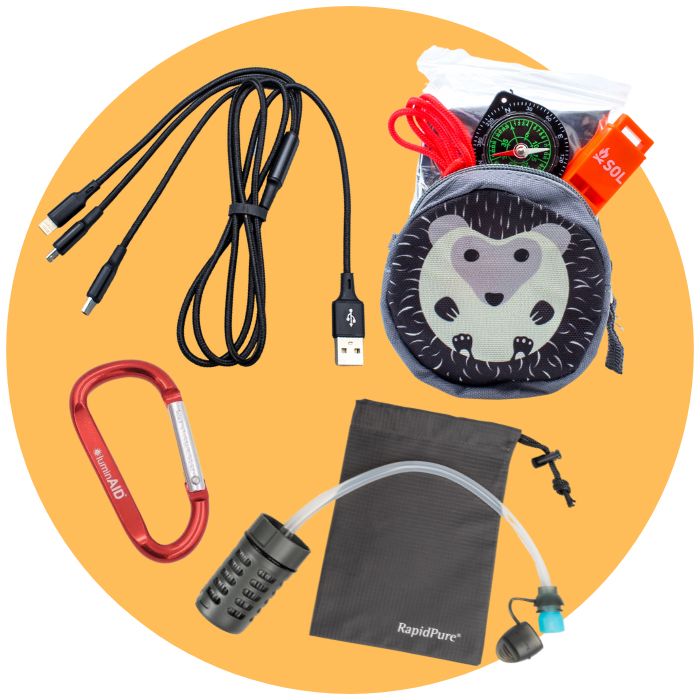
Bring a map, downloaded route info if you use your phone, and a simple backup like a compass if you're leaving established areas. Keep navigation gear accessible, not buried.
Safety and first aid system
A first-aid kit is not optional. It should fit the trip, but it should always be present. Prebuilt kits from Adventure Medical Kits are a practical starting point because they give you a base to customize rather than forcing you to assemble one from scratch.
Add the items you personally use most often. Blister care, common medications, and any activity-specific supplies should go in before every trip.
Pack first aid where you can reach it fast. A perfect kit at the bottom of a duffel is badly packed gear.
Clothing and layers system
Camp comfort depends less on having more clothes and more on wearing the right fabrics.
Bring moisture-managing base layers, a warm insulating layer, rainwear, sleep clothes, socks, and camp footwear that fits the terrain and season. Cotton is usually the weak link because once it gets damp, it loses much of its usefulness for warmth.
Lighting system
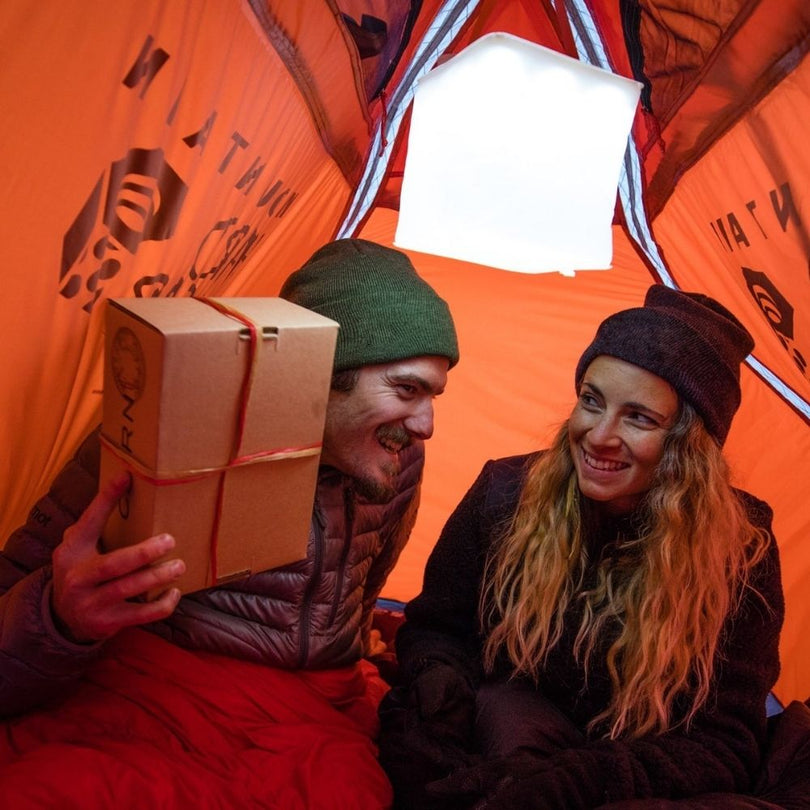
Every camper needs personal light and area light. A headlamp handles movement and camp chores. A lantern handles cooking, shared space, and tent light. If you still rely entirely on disposable-battery flashlights, you're carrying more maintenance than you need.
Personal essentials system
These are the small items that determine whether you're comfortable all weekend.
Use a checklist for:
- Sun care with sunscreen and lip protection
- Bug defense with repellent suited to your conditions, such as options from Natrapel
- Toiletries kept minimal and organized
- Documents and payments for campground check-in or permits
- Small comfort items like glasses, medications, and hygiene basics
A good list of gear for camping doesn't feel endless when it's grouped this way. It feels complete.
Smart Lighting and Power for Modern Camping
Lighting used to be one of the messiest parts of camp setup. A big lantern for the table. A flashlight somewhere in the car. Spare batteries that may or may not still work. Then one thing dies, and suddenly everyone is cooking or sorting gear in a harsh little cone of light.

A cleaner setup is to treat light and power as one system. Personal light for walking. Area light for camp tasks. Backup charging for communication and navigation. Once you do that, disposable batteries start looking like dead weight.
Why battery-only setups keep failing
Battery gear works fine until it doesn't. The failure points are predictable. You packed the wrong battery size. The spares rolled loose in a bin. The lantern is bright but bulky. The flashlight is reliable but too directional for cooking or tent use.
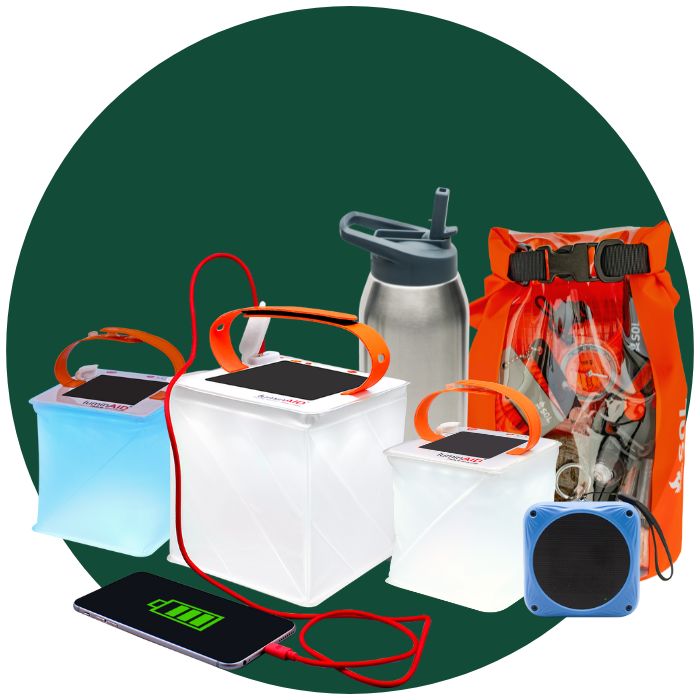
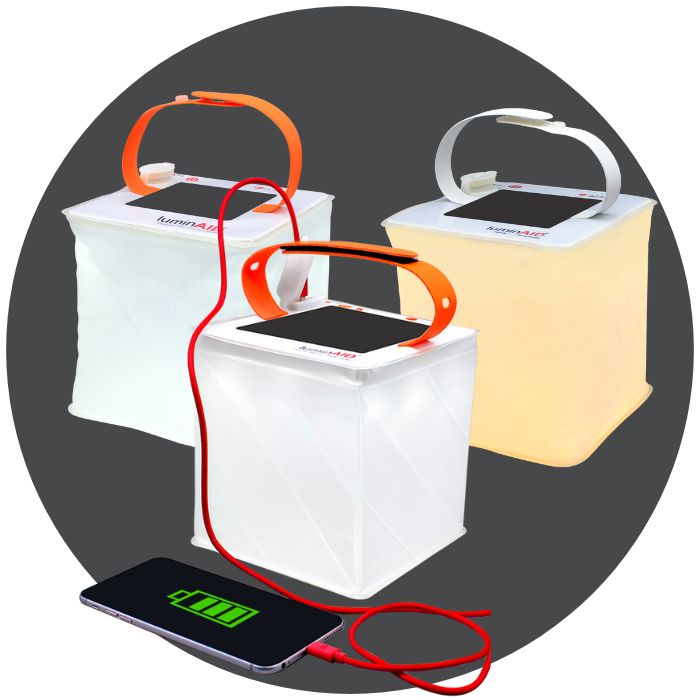
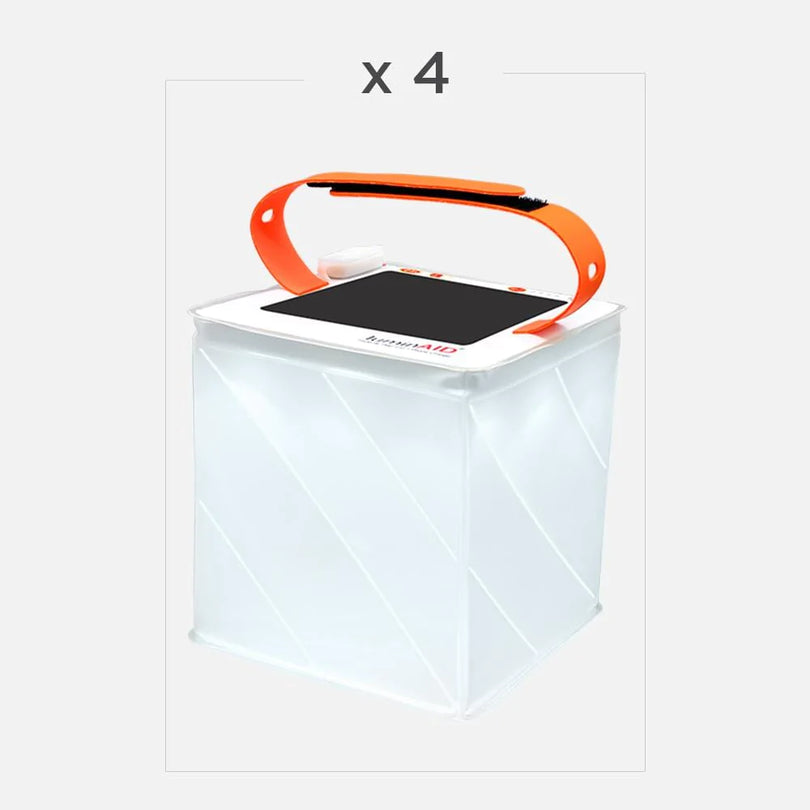
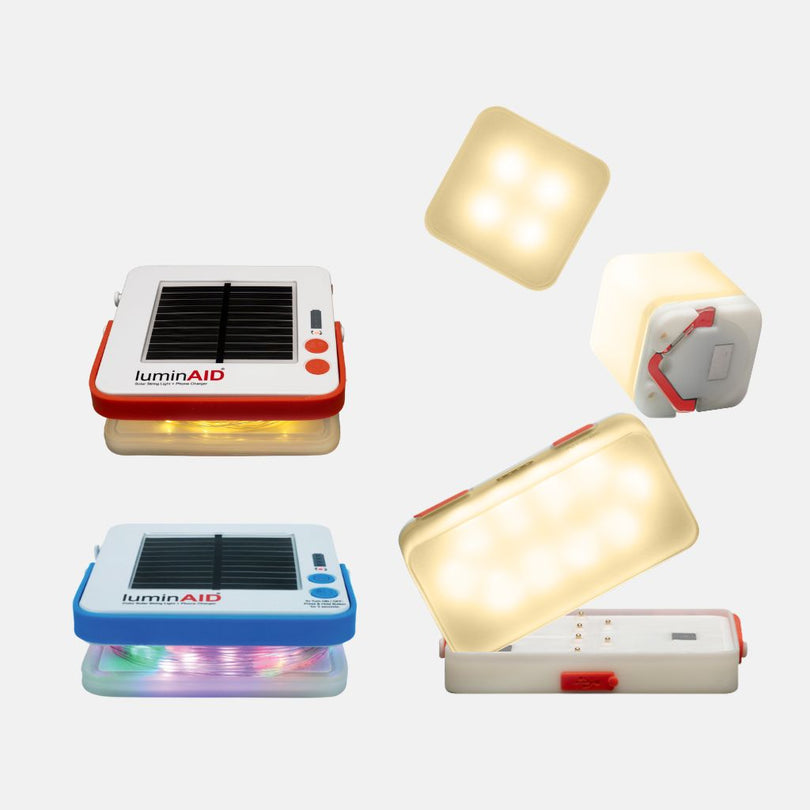
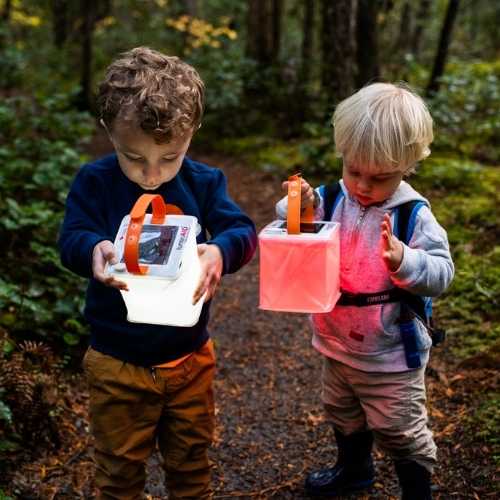
That's why rechargeable and solar-assisted options make so much sense for camping. They simplify the kit and reduce the number of loose parts you have to manage. A product like the LuminAID PackLite Power Lantern fits that approach because it provides area light and phone charging in one packable unit.
There's also a preparedness angle here that's easy to overlook. Camping gear and home backup gear are starting to overlap more often. As weather-related disruptions increase, gear that works off-grid has value beyond the campsite. In 2024, 4.9 million residential customers experienced power outages, with outage experience increasing by about 42% from 2023, according to the power outage discussion cited here. A rechargeable, packable lantern that can also charge a phone is useful in both places.
What a modern camp lighting kit should do
A strong lighting and power kit should cover a few jobs without turning into a gear tangle:
- Hands-free movement with a headlamp for walking, setup, and bathroom runs
- Area lighting that works for meals, cards, and tent organization
- Simple charging backup for a phone or small essential device
- Compact storage so your lighting kit doesn't eat half a bin
- Recharge planning before the trip, not after sundown on day one
If you want a deeper breakdown of how integrated charging fits camp planning, LuminAID has a useful guide on a solar power bank for camping.
A short product demo helps if you're comparing form factors and use cases:
What works in real use
For most trips, the most practical mix is simple: one headlamp per person, one shared lantern for camp tasks, and one charging-capable light source in the overall kit. That setup avoids redundancy while covering movement, shared visibility, and basic backup power.
Don't treat lighting as an accessory. After dark, it becomes part of how you cook, organize, stay safe, and keep a trip feeling easy.
The old battery bucket approach still functions. It just asks more of you and gives less back.
Customizing Your Gear for Different Trip Types
A strong base kit is only the start. The real skill is adjusting that list of gear for camping to the trip in front of you. Car camping, backpacking, and family camping all ask different questions. If you pack them the same way, one trip gets overloaded and another ends up underprepared.

Car camping versus backpacking versus family camping
Here's the simplest way to understand this:
| Trip type | Priority | What you can bring | What usually gets cut |
|---|---|---|---|
| Car camping | Comfort and convenience | Larger tent, bigger cooler, camp chairs, more complete cook kit | Very little, unless it adds clutter |
| Backpacking | Weight and efficiency | Compact shelter, lighter sleep setup, multi-use tools, simplified food plan | Bulky extras, duplicate tools, luxury cookware |
| Family camping | Space, routines, and backup options | Bigger shelter, extra layers, more food organization, kid comfort items | Fragile or overly fiddly gear |
Car camping gives you room to solve problems with comfort. If the forecast is mixed, bring the larger tarp. If mornings are cold, bring the better stove setup. If camp cooking is part of the fun, that's the place for a full-size cooler and real prep space.
Backpacking is different. Every item has to earn its place. Multi-use gear matters more, and redundancy needs a clear reason. A light source that also supports charging can make more sense here than carrying separate single-function pieces.
For broader ideas on trimming and choosing efficient equipment, this guide to off-grid camping gear is a useful companion.
How I'd adjust each system
Instead of rewriting your entire checklist every time, modify the systems.
For shelter, car campers can size up for comfort while backpackers should focus on weight and packability. For sleep, family campers often need easier bedtimes and warmer backups, while backpackers need an efficient pad and bag combination that won't dominate the pack. For kitchen, the difference is dramatic: a car-camping kitchen can support real meal prep, but a backpacking kitchen should stay stripped to the meals you'll make.
A quick adjustment list helps:
- Car camping means bring the comfort version if it improves camp life and fits your vehicle.
- Backpacking means cut duplicates first, then question anything that serves only one small purpose.
- Family camping means prioritize ease of use. Fast shelter setup, visible lighting, easy snacks, and spare dry clothing solve more problems than clever gadgets.
Match gear to the people, not just the place
Some trips are technically easy but logistically messy. Camping with young kids is a good example. You may stay close to the car and still need more organization than on a solo backcountry overnight. Group camping can be similar. One extra lantern in the shared area may matter more than shaving ounces from cookware.
The best custom kits feel intentional. They reflect the terrain, the weather, the distance from the car, and who's coming with you. That's what turns a generic packing list into a working one.
The Art of Packing Smart Weight and Budget Priorities
Packing well starts with subtraction. Most overloaded camp kits aren't missing essentials. They're carrying too many “maybe” items, too many duplicates, and too many cheap pieces that only do one job poorly.
Independent guidance often cuts through that noise by simplifying the baseline to the four essentials of food, fire, water, and shelter, while also stressing the value of testing gear before you leave, as noted by the Student Conservation Association's camping gear guidance. That's a useful filter for both money and weight. If an item doesn't strengthen one of those basics, or clearly improve safety and comfort, it may not belong.

What to spend on first
If your budget is limited, put money into the items that most affect your night and your safety. Shelter, sleep, and dependable lighting are usually the smartest early investments. A durable tent, a warm sleep setup, and a light you trust will do more for your trip than a pile of kitchen extras.
After that, look for savings in these places:
- Borrow or rent niche gear if you only need it occasionally
- Buy simpler cookware instead of full matching camp kitchen sets
- Upgrade after use once you know what annoys you
- Avoid duplicate functions such as separate flashlight, lantern, and battery bank if one item can reasonably cover more than one need
What to skip or replace
Some replacements are easy wins. A bulky camp pillow can become extra clothing in a stuff sack. Multiple mugs, bowls, and utensils often collapse into one simple eating kit per person. Heavy battery lanterns can be replaced with lighter rechargeable options if they fit your trip style.
This same thinking applies outside camping too. If you've ever looked at specialized checklists for other trips, you've seen the same pattern. A focused list works better than a bloated one. That's why this guide on packing for a Captain Cook snorkel tour is a useful comparison. Different activity, same principle: pack for the conditions and the purpose, not every possible scenario.
A practical companion for final trip prep is this camping packing list, especially if you tend to remember gear only after you've already left.
Pack for the trip you're taking. Not the trip you're worried might happen.
A fast pre-trip filter
Lay everything out before it goes in the car or pack, then ask three questions:
- Does this solve a real need on this trip?
- Is there another item already packed that does the same job?
- Would I notice if this stayed home?
If the answer to the last question is no, leave it.
Gear Maintenance and Storage for Long-Term Use
A lot of gear failure starts at home, not outside. Wet tents get stuffed in bins. Sleeping bags stay compressed too long. Fuel and cookware get tossed in dirty. Then the next trip begins with mildew, mystery smells, dead batteries, and little failures that were easy to prevent.
Good maintenance is simple. It's mostly drying, cleaning, checking, and storing gear in a way that preserves performance.
What to do as soon as you get home
Start with the fabric gear first because moisture does the most damage there.
Use this post-trip routine:
- Dry the tent completely before it goes into long-term storage, including the floor and rainfly
- Air out sleeping bags and blankets so trapped moisture doesn't linger
- Wipe down pads and ground-contact gear before storing them
- Clean cookware and stoves so food residue doesn't attract pests or gum up moving parts
- Restock your first-aid kit right away rather than hoping you'll remember later
Pay attention to your sleeping pad
Sleeping comfort is often blamed on the bag when the pad is often the culprit. REI's guidance notes that a sleeping pad's R-value measures resistance to heat loss to the ground, and that this ground heat loss can matter more than sleeping-bag warmth in some conditions. Their advice also supports pairing your sleep system with moisture-wicking base layers rather than cotton, which traps moisture and reduces thermal efficiency. You can review that framework in REI's Ten Essentials and related camping guidance.
What that means in practice is straightforward. Don't just roll your pad up and forget it. Store it properly, keep it clean, and inspect valves, seams, and baffles before the next trip. If the pad underperforms, the whole sleep system suffers.
Check the small failure points
Major gear rarely fails without warning. Small parts usually tell you first.
Inspect:
- Tent stakes and guylines for bending, fraying, or missing pieces
- Tent poles for cracks, worn shock cord, or damaged ferrules
- Headlamps and lanterns for charge level and switch function
- Water containers for leaks and funky odors
- Knives, tools, and lighters for readiness before they're packed away
A clean, stored, ready kit saves money because you replace fewer things. It also saves time because the next trip starts with packing, not repairs.
Your Next Adventure Awaits
A good list of gear for camping isn't static. It gets sharper every trip. You stop packing for vague anxiety and start packing for real needs. You learn which comfort items are worth the space, which duplicates never get used, and which pieces are essential to the whole experience.
That's why the systems approach holds up. It gives you a reliable way to think, even when the trip changes. A campsite by the car, a family weekend, and a backcountry overnight don't need the same exact equipment, but they do need the same core functions covered well.
If you like comparing your own setup against another practical checklist, these Blade Master outdoor gear recommendations are worth a look. It's useful to see how other experienced campers prioritize the basics, then decide where your own style differs.
The goal isn't a perfect gear closet. It's a kit you trust. One that sets up without drama, keeps you warm when the temperature drops, lets you cook without scavenger hunts, and gives you dependable light when camp goes dark.
That kind of preparation changes the whole trip. You arrive calmer. You settle in faster. You spend less time managing gear and more time being where you wanted to be.
If you want to simplify your camp lighting and add off-grid phone charging without relying on disposable batteries, take a look at LuminAID. Their portable solar lanterns are built for camping, emergency kits, and everyday backup use, which makes them a practical fit for campers who want lighter, more versatile gear.