


A lot of people arrive at eco friendly camping gear the same way. They're packing for a weekend trip, looking at a pile of batteries, cheap utensils, aging stuff sacks, and a tent that's still usable but not pretty anymore. Then the question hits. What helps the outdoors more: buying a fresh set of “green” products, or using what you already have more carefully?
That's the right question.
The quiet part of sustainable camping isn't the label on a hangtag. It's the full chain of choices that starts before the trip and continues after you get home. What you buy. What you repair. What you recharge. What you stop throwing away. What you keep in service long enough to matter.
I've found that most campers don't want perfect gear ethics. They want gear that works in the rain, survives rough handling, doesn't add pointless weight, and doesn't create a trash problem at camp. Families building outage kits want the same thing. So do procurement teams buying for events, field programs, or emergency readiness. Everyone benefits from gear that's durable, reusable, and dependable off-grid.
Your Adventure Starts with Mindful Choices
You're at camp just after sunset. Dinner is done, the temperature is dropping, and the best part of the day is setting in. The noise fades. Headlamps flicker around the site. Somebody reaches for a lantern. Somebody else sorts food into disposable bags that will be trash by morning. None of that feels dramatic, but those small moments are where your camping footprint takes shape.
Camping doesn't have to become a purity test. It works better as a habit of better choices. Bring a bottle you'll refill for years. Keep a tent in service instead of replacing it because the color is faded. Choose a lantern you can recharge instead of feeding it batteries every trip. Those decisions are easier to stick with because they also make camp simpler.
That same mindset shows up in travel and destination management. If you want a useful big-picture look at how outdoor recreation and stewardship fit together, Outdoor Slovenia Activities shares practical lessons from sustainable tourism that apply far beyond one region. The takeaway is familiar to anyone who camps often. Protecting the experience usually starts with ordinary decisions, not grand gestures.
The gear that lowers impact most often is the gear you'll actually keep using.
That matters whether you're a solo backpacker, a parent loading the car for a state park weekend, or someone building a supply closet for storms and outages. Eco friendly camping gear is less about chasing a trend and more about reducing waste, avoiding disposable power, and choosing equipment that stays useful long after the first trip.
What Really Makes Camping Gear Eco-Friendly
A simple way to judge gear is to use four checks: materials, manufacturing, longevity, and end-of-life. If a product performs well in all four, it's usually a smart choice. If it only performs well in one, treat the sustainability claim with caution.
Industry guidance increasingly defines eco-friendly gear by its use of recycled materials, renewable energy sources like solar power, and a multi-purpose, reusable design that minimizes waste. The broader outdoor market has also moved toward priorities such as recycled inputs, non-toxic manufacturing, and end-of-life recyclability, as noted in Camping Moon's overview of eco-friendly camping gear.

Materials that do more than sound good
Recycled content matters because it reduces demand for virgin inputs. Renewable materials can help too, but only if they're suited to hard outdoor use. For camping, the right material is the one that can handle abrasion, moisture, repeated packing, and real cleaning without failing early.
A “natural” material isn't automatically the greener choice. If it absorbs water, mildews quickly, or wears out fast, it can create more replacement cycles than a tougher recycled fabric.
Manufacturing that avoids hidden costs
Most campers can't inspect a factory, but you can still look for clues. Brands that discuss non-toxic processes, waste reduction, and repair support are usually easier to trust than brands that only advertise a recycled shell fabric.
Use this quick screen when comparing products:
- Check the product description: Look for recycled or upcycled content, renewable energy features, and language about reduced-toxicity production.
- Check the design: Multi-use gear usually beats single-purpose accessories. A lantern that also charges a phone has more value than a gadget that solves only one problem.
- Check the support: Repair parts, care instructions, and replaceable components are strong signals that the company expects the gear to last.
Longevity and end-of-life
Longevity is where a lot of “green” marketing gets exposed. If a zipper fails, coating flakes off, or seams delaminate after light use, the product was never a good environmental choice.
A strong end-of-life plan helps, but it comes after durability. Recyclable materials are useful. Better still is a product that stays in service long enough that recycling becomes a distant concern instead of next season's problem.
How to Decode Sustainable Materials and Labels
Reading a gear tag is a little like reading a nutrition panel. A few words matter a lot, but only in context. With camping gear, the important question isn't “Is this material sustainable?” It's “Is this material sustainable for this job?”
For textiles and soft goods, the most useful lens is fiber choice plus durability per use. Recycled synthetics reduce reliance on virgin petroleum feedstock, while repairable, durable gear spreads its impact over more trips. That's why Appalachian Outfitters emphasizes recycled content, repairability, and verified durability.

What common material terms usually mean in camp use
Here's the practical version.
| Material or label | Where it works well | What to watch for |
|---|---|---|
| Recycled polyester | Tents, packs, stuff sacks, jackets | Performance depends on weave, coating, and construction, not recycled content alone |
| Hemp or bamboo blends | Camp shirts, towels, casual-use items | Comfort can be good, but field durability varies by blend and build |
| PFC-free or low-toxicity coatings | Shells, tents, rain gear | Good direction, but water resistance still needs to be proven in use |
| Repairable construction | Packs, tents, apparel | Often more valuable than any single material claim |
A lot of shoppers get stuck on “natural” versus “synthetic.” For rough outdoor use, that's too simplistic. A recycled synthetic tent that lasts and can be repaired is often a better environmental choice than a fabric that sounds cleaner on paper but wears out sooner.
Labels and certifications without the confusion
Certifications can be helpful, but they don't all answer the same question.
- B Corporation: This often signals a broader company-level approach. It can suggest the business looks beyond one product claim and considers governance, workers, and environmental practices.
- Fair Trade Certified: This points more directly to labor and supply chain practices.
- Climate-related labels: These can indicate a company is measuring and addressing footprint, but they still don't replace product durability.
Practical rule: Treat certifications as supporting evidence, not a substitute for checking materials, repairability, and real-world function.
The same logic shows up outside outdoor gear. In building products, buyers increasingly ask not just what something is made from, but how it performs over time and what happens at the end of use. That broader mindset is useful here too, and Vivid Skylights' discussion of sustainable building materials makes that lifecycle thinking easy to recognize.
What to ignore
Skip vague terms with no specifics behind them. “Eco,” “earth-conscious,” and “planet-friendly” aren't enough on their own. If a brand can't tell you what material changed, what process improved, or how the product lasts longer, the claim doesn't help you buy better.
Embrace Off-Grid Power with Solar and Lightweight Gear
If you want one gear category where sustainability, convenience, and preparedness line up cleanly, it's power and lighting. Disposable batteries solve a short-term problem. Rechargeable gear solves the same problem with less waste and less resupply friction.
That's why solar has become such a practical category in camping. Not because it replaces every charging need instantly, but because it reduces dependence on throwaway power.

What works in the field
Modern LEDs are efficient enough to make compact solar setups genuinely useful. According to Mountain Mat's guidance on eco-friendly camping gear, modern LEDs commonly deliver about 100 to 200 lumens per watt, and a 5 W LED system can produce roughly 500 to 1,000 lumens. That's why an eco-friendly lantern built around USB-rechargeable lithium-ion cells, efficient LED drivers, and battery-state indicators makes practical sense for camp use.
That same source also points out a significant limitation. Small integrated solar panels generally provide only a few watts in full sun, so solar is best for maintenance charging and emergency top-ups, not fast full recharges.
Where people get disappointed with solar
Most bad solar experiences come from bad expectations.
- Expecting roof-panel performance from pocket gear: A small panel can keep a lantern topped off or stretch runtime. It won't behave like a home backup system.
- Ignoring weather and placement: Cloud cover, shade, and poor panel angle all reduce charging.
- Buying without a battery indicator: If you can't check charge status, you end up guessing and overpacking backup power anyway.
For campers, the payoff is straightforward. Fewer disposable batteries in the trash, less bulk in the gear bin, and less dependence on finding replacements in a campground store.
Why this also matters for emergency kits and procurement
Families building outage kits should care about the same features campers care about. Rechargeable cells, visible battery status, and solar input are useful when the power is out for longer than expected. Procurement teams should care because standardized rechargeable lighting is simpler to maintain than a pile of battery-dependent devices with mixed formats.
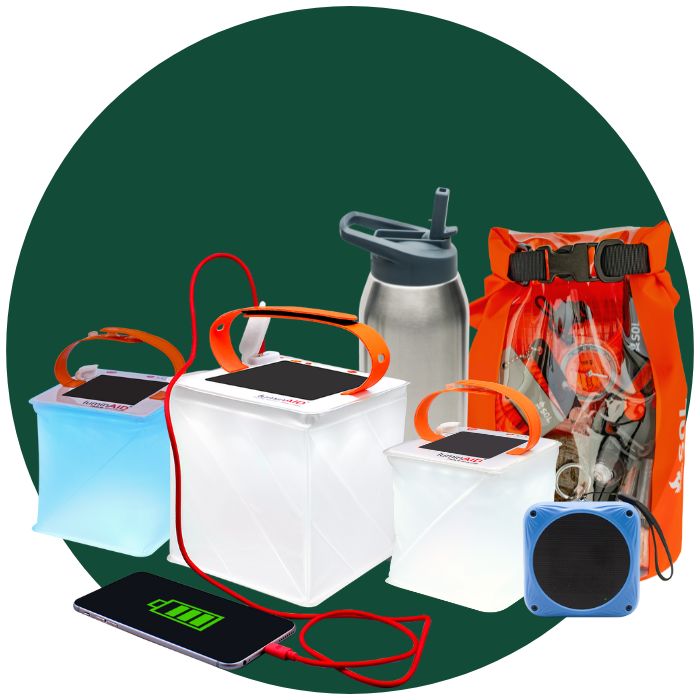
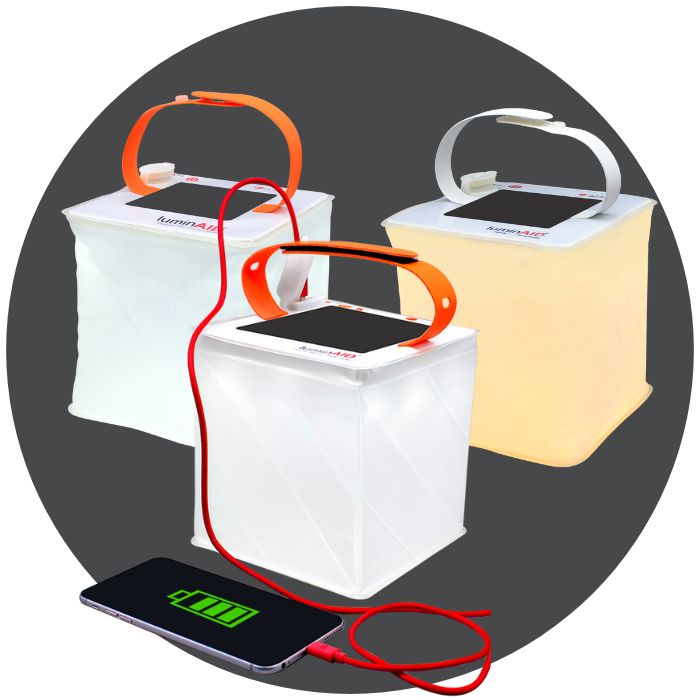
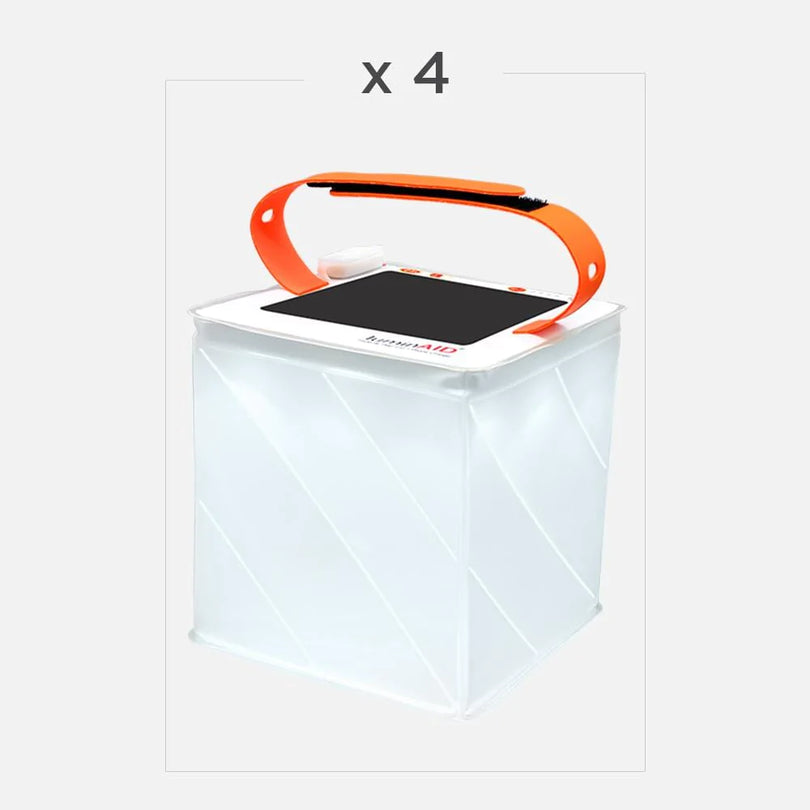
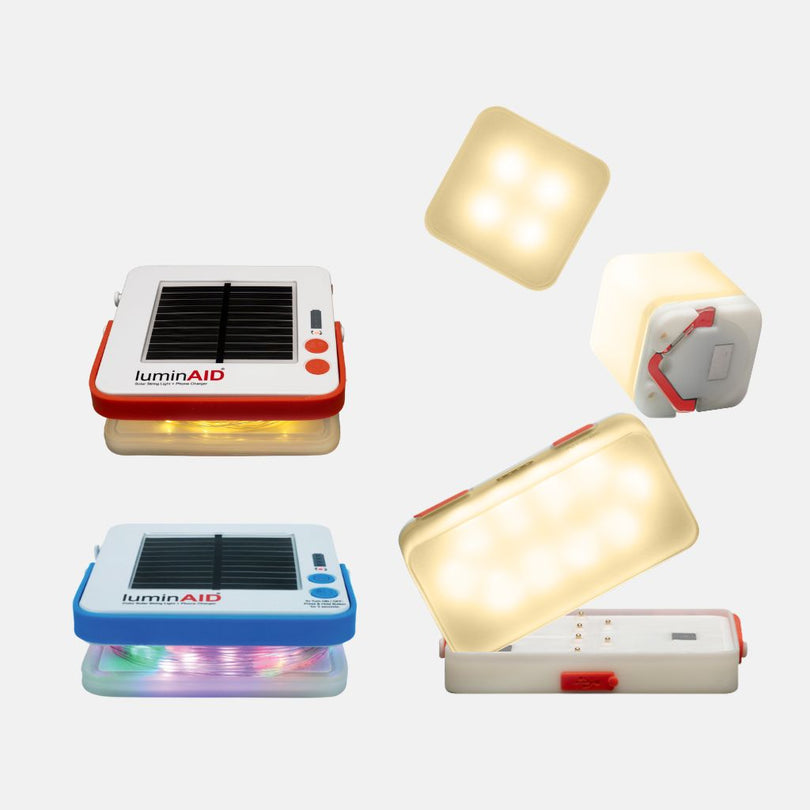
If you want a broader look at choosing dependable gear for remote use, LuminAID has a useful guide to off-grid camping gear. One example in this category is the LuminAID Power Lantern, which combines packable light with USB charging and solar charging for camping and emergency use.
For people outfitting campervans or comparing larger portable charging setups, it also helps to find solar solutions at Motor Sportsland and see how panel size and use case change the decision.
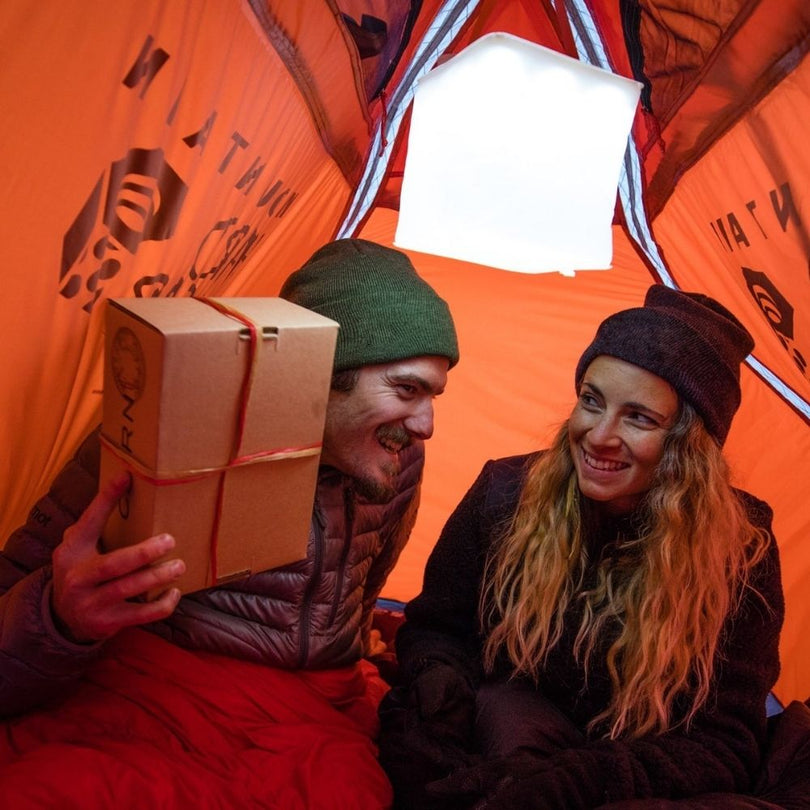
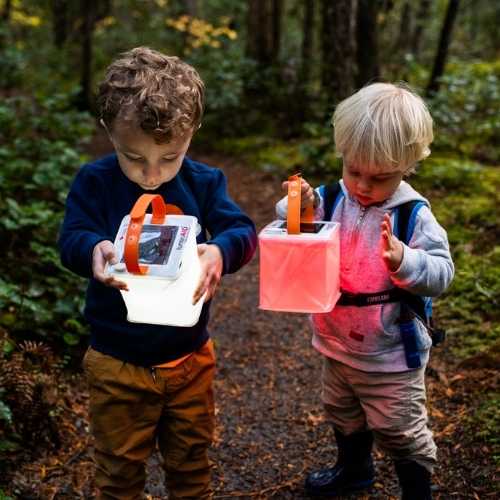
A quick visual helps show what a practical field setup looks like:
Adopt Low-Impact Practices and Essential Swaps
Good gear helps. Good habits matter just as much. The easiest way to cut waste on a trip is to stop bringing items that become trash before you get home.
A low-impact camp kit isn't fancy. It's just built to repeat. One bottle. One food container set. One mug. One cloth towel. One lantern you recharge. One first aid setup you restock instead of replace.
Simple swaps that change the whole trip
Start with the things you use constantly.
- Water storage: Use a reusable bottle or jug instead of buying drinks in single-use containers on the way to camp.
- Food management: Replace zip bags for every meal with durable containers, washable pouches, or wraps that can handle repeat use.
- Camp lighting: If you're still cycling through alkaline batteries, it's time to swap in solar for battery-powered lanterns.
- Kitchen setup: Bring reusable utensils, a sponge you can dry out properly, and one soap system that handles dishes and handwashing responsibly.
Reusable water bottles and jugs deserve special attention. Independent camping guidance consistently points to them as a cleaner choice than repeated single-use plastic because reuse cuts repeated production and disposal. The same logic applies to cookware and storage.
Build a low-impact first aid and safety kit
This is an area where people often create unnecessary waste by buying cheap kits over and over. A better approach is one durable pouch with refillable essentials.
Consider this setup:
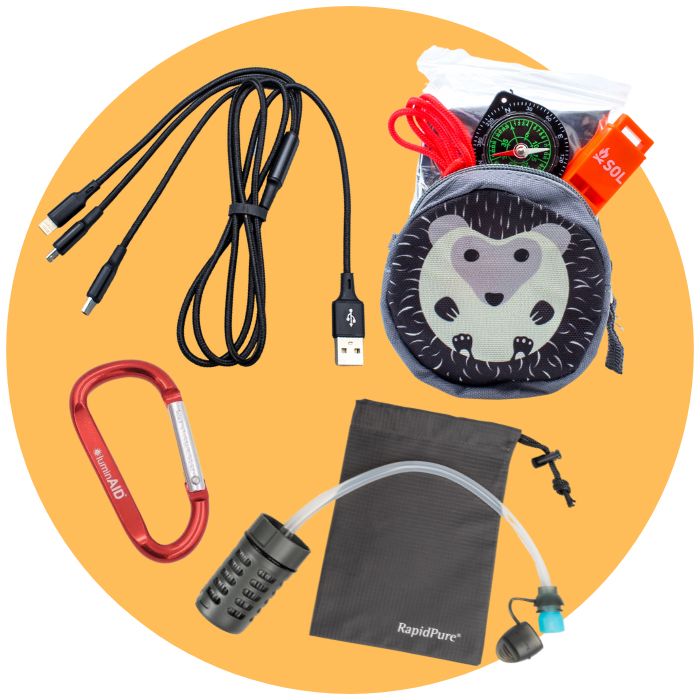
- Medical core: A complete kit from Adventure Medical Kits gives you a structured base for wound care, blisters, and common camp problems.
- Survival extras: Compact emergency tools from Survive Outdoors Longer can cover warmth, signaling, and weather contingencies without adding much bulk.
- Bug defense: Choose one dependable repellent system and keep it in the kit instead of buying random single-use packets before every trip. Ben's 30 is one example of a dedicated insect repellent option.
Your safety kit shouldn't be disposable. It should be durable, refillable, and easy to inspect before each trip.
Low-impact behavior at camp
Gear swaps only work if your behavior matches them.
- Pack out all packaging. Better yet, repackage food at home so camp never sees the waste.
- Wash well away from water sources. Even biodegradable products need responsible use.
- Dry gear before storing it in the car. Mildew ruins equipment faster than hard use does.
- Bring fewer novelty items. Multi-use pieces usually earn their place. Single-purpose gadgets often become clutter.
The practical standard is simple. Bring gear that avoids repeat waste, then use it carefully enough that it's still ready for the next trip.
Extend Your Gear's Life with Smart Maintenance
The most sustainable purchase is often the one you don't make this season. Keeping good gear in service beats replacing it early, even when the replacement has stronger eco marketing.
That isn't just a philosophy point. REI's internal research, cited by Treeline Review, estimates that using gear to its full lifespan and buying used can reduce the carbon footprint by 50%. The same source notes that new outdoor gear sales peak in November, when gift buying is strongest, which is one more reason to pause before replacing something that still has real life left in it. You can read that in Treeline Review's piece on used gear as an alternative to new gear.

The maintenance habits that matter most
You don't need a workshop. You need consistency.
- Clean after trips: Dirt, body oils, and food residue break down fabrics and attract mildew.
- Dry completely before storage: Tents, sleeping bags, and rain layers fail early when stored damp.
- Patch small damage quickly: Tiny holes in a tent floor or fly rarely stay tiny.
- Protect batteries properly: For rechargeable lanterns and power devices, follow brand instructions for storage and top-ups. LuminAID's guide on how to charge your lantern is a good example of the kind of care information worth using.
- Store loosely when needed: Compressed storage is convenient for travel, not for long-term health of lofted gear.
What this looks like by category
A tent should be shaken out, spot-cleaned, dried fully, and stored somewhere ventilated. Sleeping bags need proper washing and enough room to recover loft. Waterproof shells need occasional reproofing, but only after they're clean.
Used gear also deserves a second look before you buy new. Packs, cookware, trekking poles, and some shelter systems often have years of life left if you inspect stress points, zippers, coatings, and stitching carefully.
Buy used when condition is easy to assess. Repair when the fix is straightforward. Replace only when safety, weather protection, or reliability is compromised.
That's the point where eco friendly camping gear stops being a shopping category and becomes a field practice.
Your Next Steps Toward Greener Adventures
The easiest way to make better choices is to stop asking whether a product is “green” and start asking better questions. What's it made from? How was it built? Will it last? Can you repair it? Can you recharge it? Will you still be using it a year from now?
That framework works for campers, for families building emergency kits, and for organizations buying in bulk. It also cuts through a lot of vague marketing. Recycled materials matter. Non-toxic manufacturing matters. But the strongest environmental win usually comes from gear that stays useful, avoids disposable power, and replaces throwaway habits.
Solar lighting is a good example of that shift. Lightweight solar gear isn't only for backpackers chasing ounces. It's practical for roadside kits, hurricane prep, backyard outages, field events, and group camping. When lighting and power are rechargeable, portable, and easy to maintain, they do more than lower waste. They make you more self-sufficient.
You don't need to replace everything you own to move in the right direction. Start with one category that creates repeat waste or repeat frustration. Batteries. Water bottles. Cheap food storage. A lantern that burns through power. Then make one upgrade that you'll use often enough to matter.
Keep the good gear you already own in service. Repair what's worth repairing. Buy used when inspection is straightforward. Choose new products with a full lifecycle in mind. That's how eco friendly camping gear becomes practical instead of performative.
If you want a simple place to start, LuminAID offers portable solar lanterns and phone-charging lights that fit camping, emergency kits, and everyday off-grid use without relying on disposable batteries.