

You arrive at the campground after sunset, tired from the drive and ready to sleep. The tent is buried beneath cooking gear, the headlamps have vanished into an unmarked bag, and a sudden drizzle turns unpacking into a search through every corner of the vehicle. A better car camping organization system prevents that familiar scramble by treating the vehicle as a fast-transition base camp, not a container to fill until the doors barely close.
The practical target is simple: essential items should be reachable without unloading the car, heavy equipment should stay low and stable, and every bin should have a clear job. That arrangement also makes the vehicle more useful when plans change, weather arrives, power fails, or a campsite needs to be packed quickly.
Table of Contents
- Why Car Camping Organization Matters Now
- Mastering the Zone-Based Packing System
- Adapting Layouts for Your Vehicle Type
- Standardized Bins and Fast Transition Workflows
- Safety, Emergency Placement, and Bear Country Rules
- Integrating Reliable Lighting and Power Solutions
- Your Car Camping Organization Checklist
Why Car Camping Organization Matters Now
By the third or fourth trip, an improvised packing system reveals its weaknesses. A loose set of tote bags can survive one weekend, but repeated loading leads to wasted space, buried essentials, damaged gear, and cargo that shifts on rough roads. The Outdoor Industry Association reports that 42.3 million Americans camped close to their vehicles in 2025, with more than 2 million new campers added in one year and 6.2 million added since 2020 through the camping storage containers market report. In Japan, auto-camping reached 2.4 million people, averaging 8.2 outings per year and 667,000 yen in annual spending in 2024.
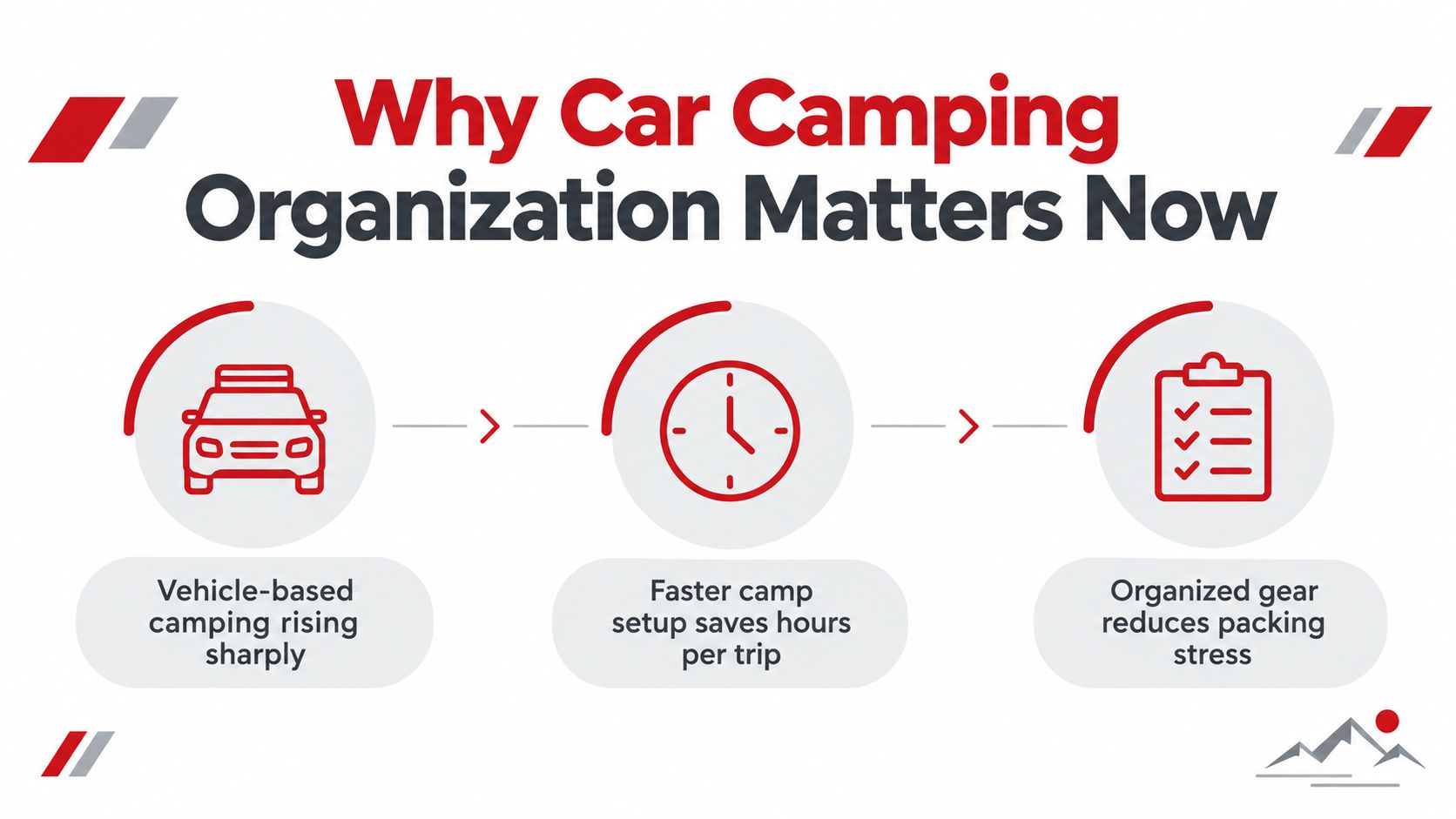
Frequent campers need a setup they can reset, inspect, and reload without making new decisions every time. That matters most during a late arrival, a sudden weather change, or a rushed departure. A consistent layout gets shelter and lighting into use sooner, while keeping first-aid supplies, communication gear, and emergency tools accessible if conditions deteriorate.
The camping-storage market reflects growing demand for vehicle-ready gear. Lightweight, stackable, weather-resistant containers suit repeated travel, but in this camping storage market report, the container itself isn't the system. The system comes from giving each container one purpose and each purpose a dependable location.
Practical rule: Organization earns its keep when it shortens decisions, not merely when it makes the trunk look tidy.
Fast transitions depend on access logic. Sleeping gear, lighting, and weather protection should come out first, while reserve supplies and rarely used tools can stay deeper. That arrangement also supports multi-day adaptability: gear can be replenished, moved between campsites, or packed quickly without dismantling the entire vehicle. Good organization therefore improves space use and preserves readiness when a trip stops following the original plan.
Mastering the Zone-Based Packing System
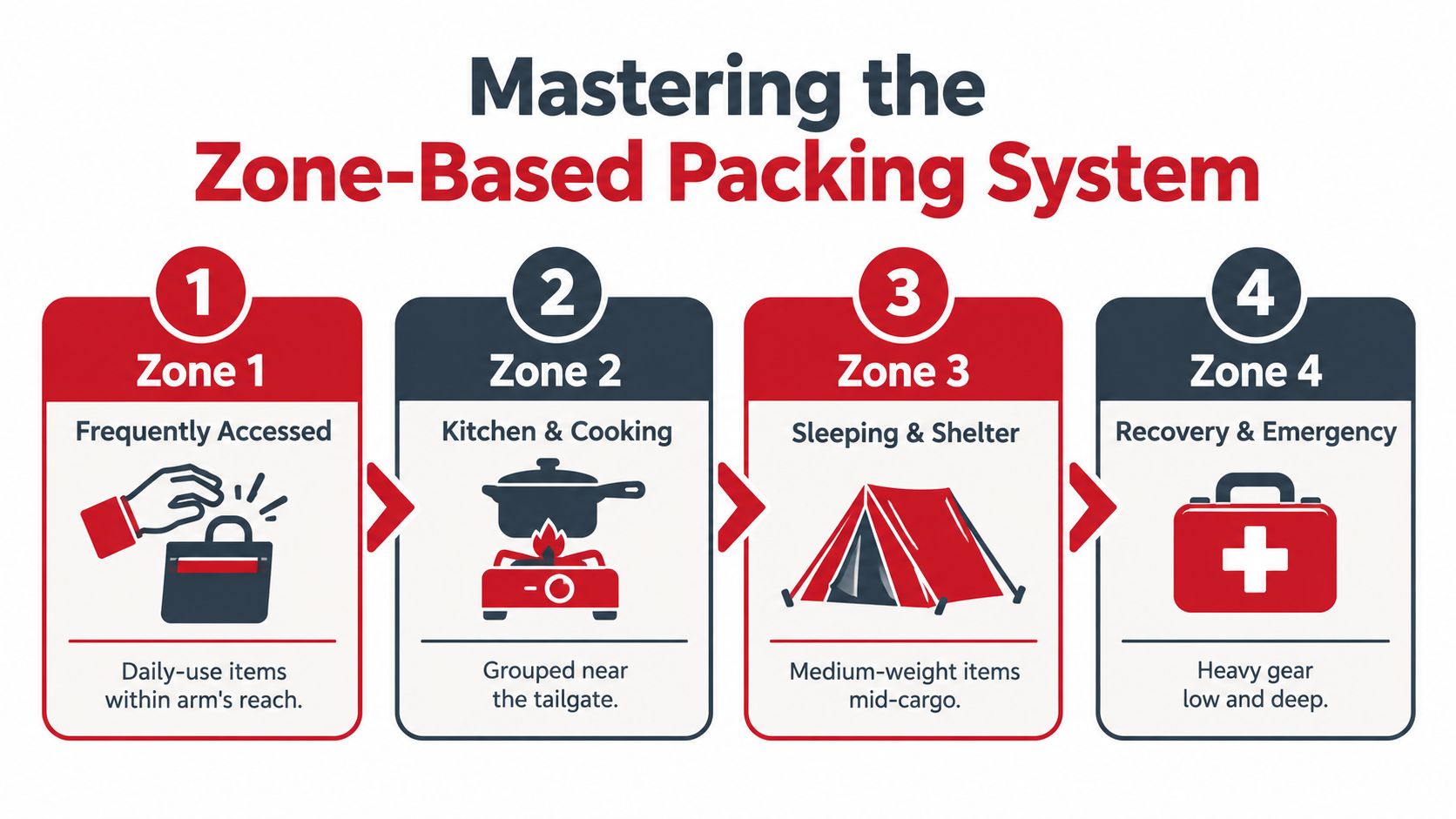
A vehicle becomes easier to use when cargo is divided by access priority and weight, not just by ownership or item category. The four-zone system below gives every object a logical destination before loading begins.
Zone one for immediate access
Use front-seat pockets, door compartments, or a small organizer within reach for items needed during the drive or immediately after parking. Place snacks, chargers, permits, first aid, toiletries, and a headlamp here. These items shouldn't disappear beneath a tent or cooking tub.
This zone also protects the rest of the load from unnecessary disturbance. A permit can be retrieved without moving cookware, and a charger can be found without opening every bag.
Zone two for camp setup
Keep the tent, sleeping bags, shelter hardware, and basic furniture just behind the rear seats or closest to the rear opening. This is the first cargo layer after immediate-access items because these pieces establish the campsite.
A common error is to bury the shelter under food and water. That forces a complete unload before anyone can get dry or warm. The REI guidance on packing for car camping also emphasizes separating access needs from weight distribution, which is the right combination for real campsite work.
Zone three for clothing and comfort
Clothing, blankets, pillows, and personal comfort items belong in the middle of the load. Packing cubes prevent soft goods from spreading into gaps that later become unusable. Keep each traveler's clothing together, and place frequently needed layers near the side or rear door rather than at the bottom.
Zone four for deep, low storage
Water containers, tools, cooking gear, recovery equipment, and reserve supplies should sit low and deep, near the axle or at the furthest stable point in the trunk. Loading the heaviest item first creates a base for lighter cargo and reduces the chance of a high, shifting center of gravity.
Don't scatter small essentials across unsecured bags. Loose items slow camp setup, disappear under seats, and create avoidable distractions during repacking. Secure heavy containers with straps or a cargo net, and check that nothing can become a projectile during sudden braking.
Adapting Layouts for Your Vehicle Type
The zone system stays consistent, but the available shape changes the implementation. A family SUV, a pickup, and a compact hatchback can all support rapid setup, provided the load follows the same access and stability priorities.
SUVs with third rows
An SUV carrying a family often has limited depth behind the third row. Use sturdy bins that stack without flexing, reserve the upper layer for lighter items, and keep the first-night shelter near the rear hatch. A roof box can hold bulky, low-priority gear, but it shouldn't become a second unmarked attic.
For vehicle-specific safety context, the Subaru Outback safety information from VinCheck can help owners consider how cargo choices fit the vehicle's design and intended use. A family arriving at dusk benefits from keeping sleeping bags, headlamps, and rain layers in the access layer rather than under food or water.
Pickups
A pickup bed offers excellent capacity but exposes gear to weather, theft, and movement. Divide the bed into secured sections under a tonneau cover, place heavy cases low and forward, and keep a small setup tub close to the tailgate. Fuel, food, and scented items need storage that follows local wildlife rules, not merely convenience.
Hatchbacks and compact cars
Compact vehicles reward compression and vertical organization. Packing cubes, compression sacks, under-floor compartments, and narrow backrest crates can preserve a usable access lane. A solo traveler can place the stove and fuel deeper for stability while keeping a compact emergency kit near the front passenger seat.
Vans and RVs offer more floor space, but depth creates a retrieval problem. Drawer systems and labeled overhead organizers prevent the rear of the vehicle from becoming inaccessible. A useful companion reference for larger mobile setups is this guide to van life essentials.
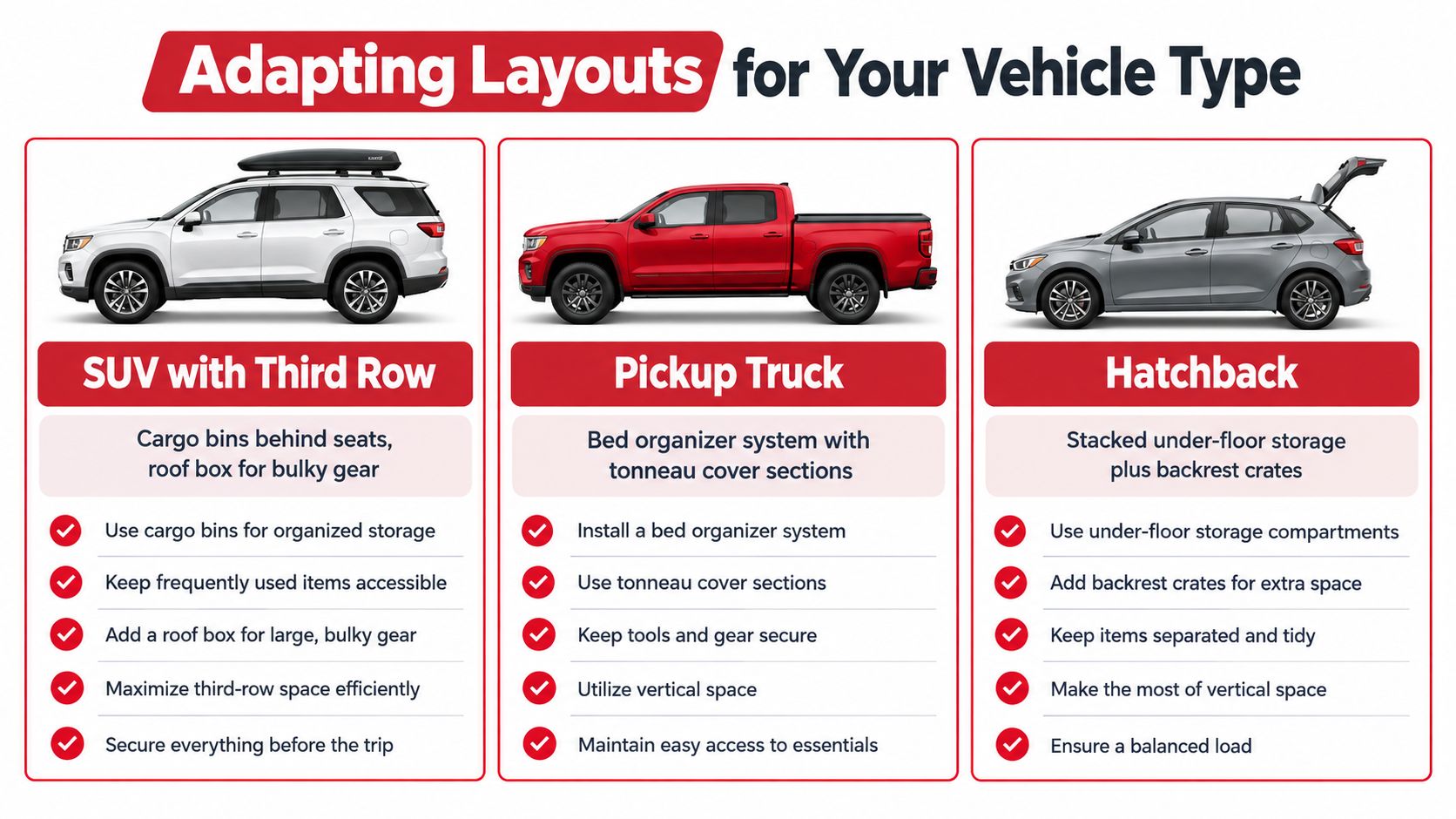
Different vehicles need different hardware, but the rule doesn't change: the items needed first stay closest to the opening or front seats, while heavy and rarely used gear goes low and deep.
Standardized Bins and Fast Transition Workflows
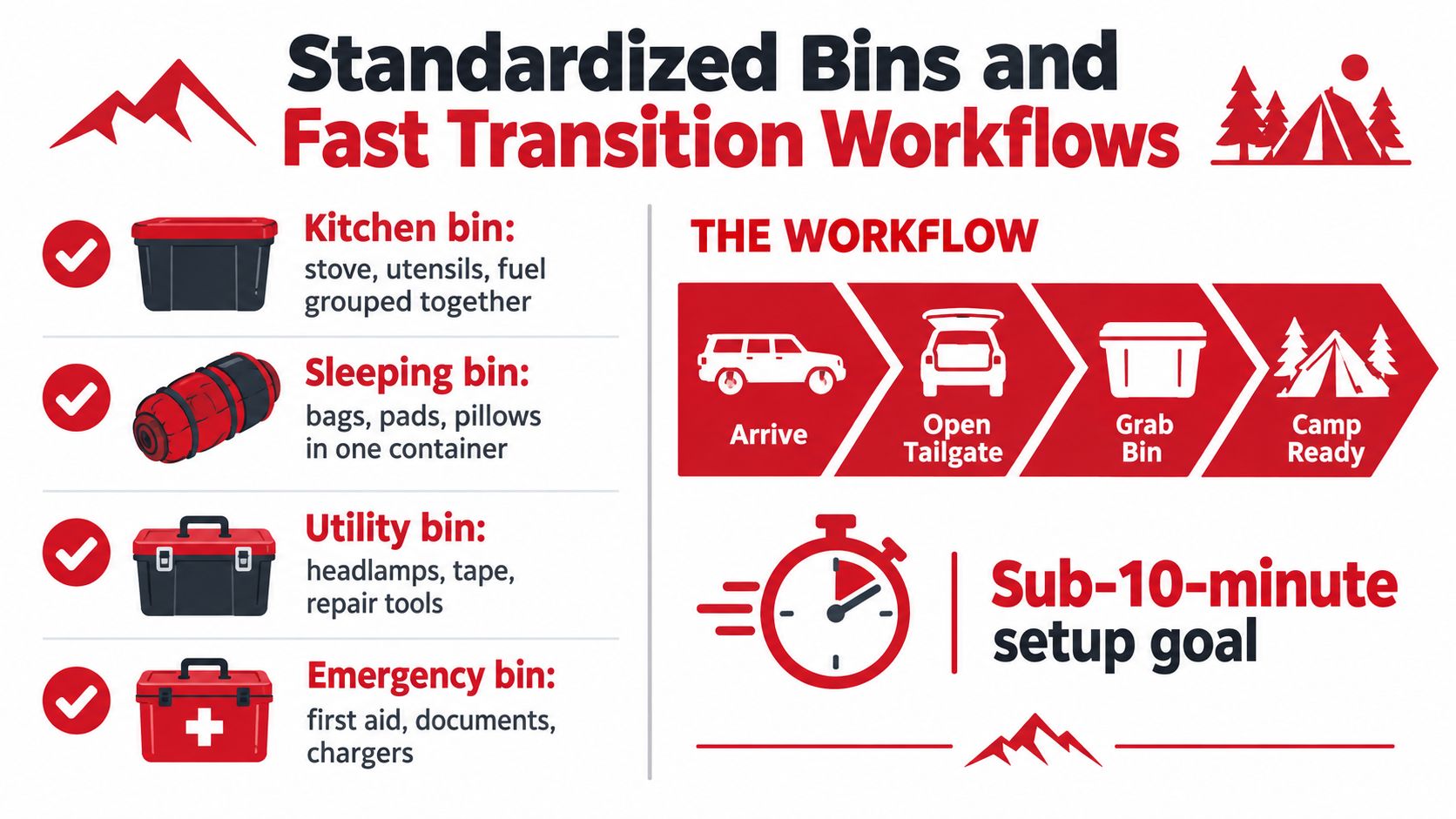
Loose bags are flexible, but that flexibility often becomes clutter. A hard-sided bin preserves shape, stacks predictably, and gives each task a defined home. Separate tubs for the kitchen, sleeping system, clothing, tools, and emergency supplies make it possible to pull out one function without unpacking the entire vehicle.
Compression tools solve a different problem. Compression sacks and packing cubes reduce the dead space created by sleeping bags, jackets, and other soft goods. One organization guide notes that compression sacks can recover up to 40% of the volume in sleeping bags and apparel in this car-camping guide. The resulting shapes stack more reliably and resist the gradual collapse that turns a tidy load into a tangled one.
Build for the first ten minutes
A fast-transition workflow begins before departure. Pre-pack each bin by function, label the lid or end, and assign a permanent cargo position. The kitchen tub should open beside the cooking area, while the sleeping tub should be reachable before chairs, coolers, or secondary comfort gear.
A practical arrival sequence looks like this:
- Secure the vehicle: Park, set the brake, and check the weather and surroundings.
- Open the access layer: Remove the emergency or utility bin, headlamps, and shelter gear.
- Create the sleeping base: Set up the tent or sleeping platform before unpacking optional items.
- Deploy the kitchen: Move the kitchen tub to the cooking area and keep food handling separate.
- Reset the cargo: Return unused bins to their assigned positions instead of leaving them scattered.
The same sequence works in reverse during teardown. Dry or wipe gear before closing bins, put repair items back in the utility tub, and load heavy pieces low before adding soft goods. Mixed-size containers that don't stack securely should be replaced or limited to awkward-shaped items. Cargo nets and straps matter because a bin that slides can damage equipment and disrupt the load during transit.
Safety, Emergency Placement, and Bear Country Rules
A well-organized vehicle should support a response to small emergencies without requiring a full unload. Keep a secured emergency-access bin near the driver or front passenger seat with first aid supplies, a headlamp, a multitool, and emergency water. That location also makes the kit useful during roadside delays, nighttime arrivals, minor injuries, and sudden weather changes.
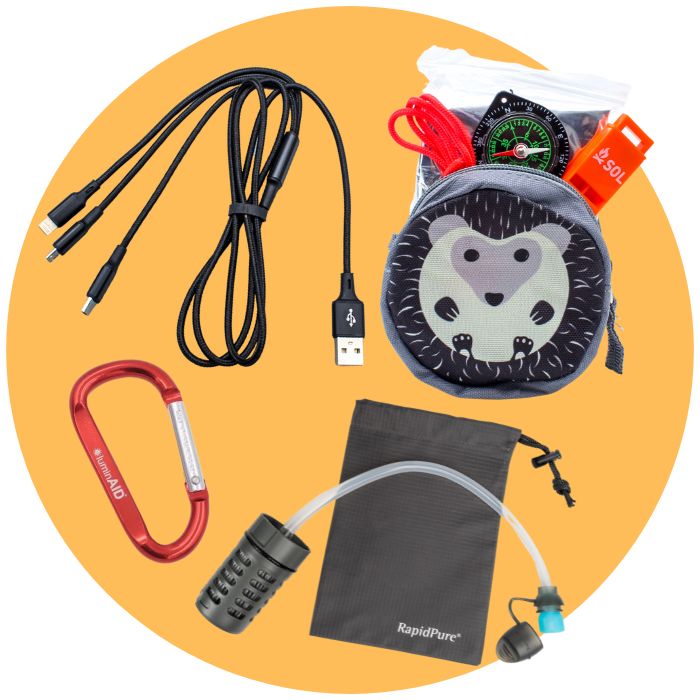
Power and lighting belong in the same access layer, but they shouldn't be buried beneath cookware. Store charging cables together, keep a light source ready for hands-free work, and prevent loose tools from moving around the cabin. Travelers bringing animals should also plan a dedicated space for food, water, leashes, and cleanup supplies. Guidance on safe travel with your pet can help families include animal needs in the same retrieval logic.
Bear country adds rules that override convenience. The National Park Service explains that some parks allow food inside a vehicle only during daylight, only when it's out of sight with all windows completely closed, while other parks require food to be removed and placed in lockers under its bear safety guidance. Pickup beds and gear strapped outside a vehicle aren't acceptable substitutes where those rules prohibit them.
Yosemite allows food inside a car or truck under the daylight, out-of-sight, closed-window conditions, but after dark food must go into a food locker under Yosemite's bear rules. Olympic National Park takes a broader approach, covering food, trash, toiletries, and scented items, which must go inside a hard-sided vehicle, a park-provided locker, or an approved animal-resistant container under Olympic National Park guidance.
Safety rule: The campground's local food-storage requirements outrank any preferred packing layout.
Integrating Reliable Lighting and Power Solutions
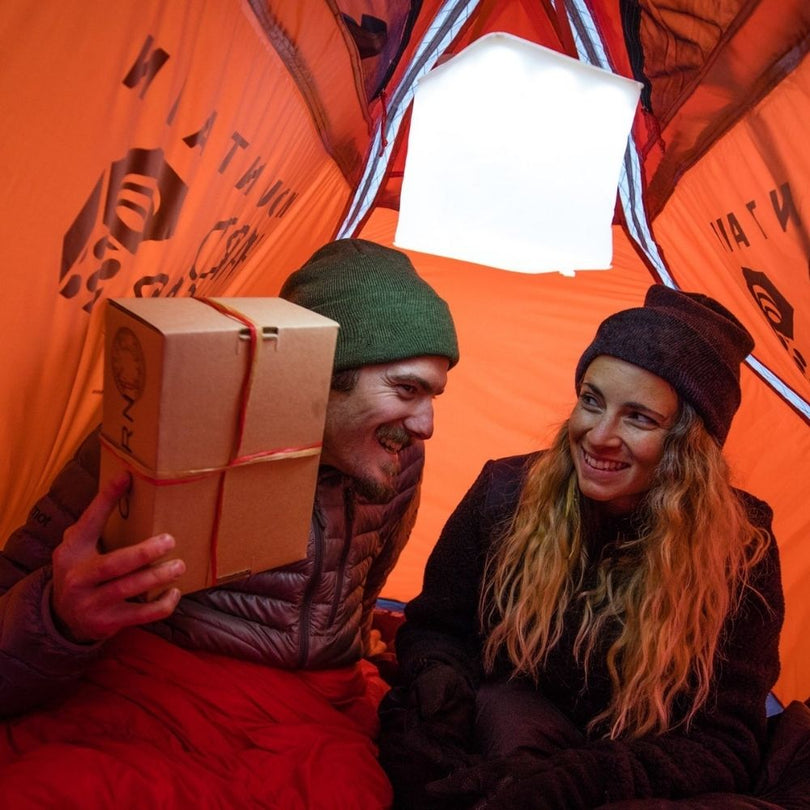
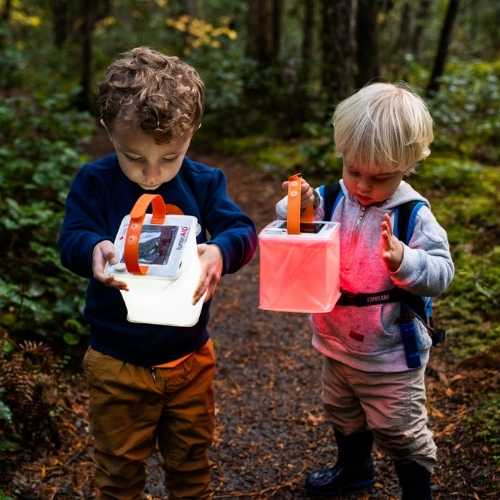
Lighting changes the usefulness of every other zone. A headlamp supports hands-free setup, while a larger lantern helps identify gear, prepare food, and move safely around the campsite. Charging equipment should remain accessible enough to use without opening deep storage, but secured so cables don't become a tangled drawer.
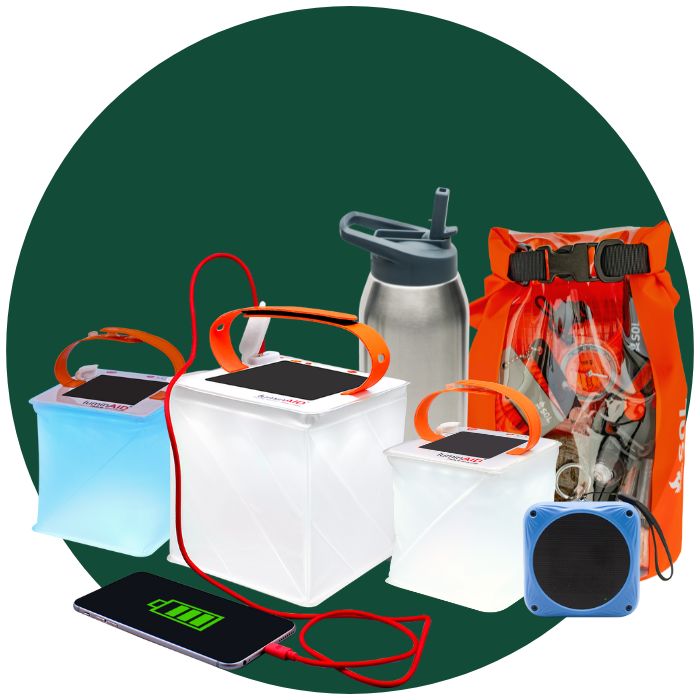
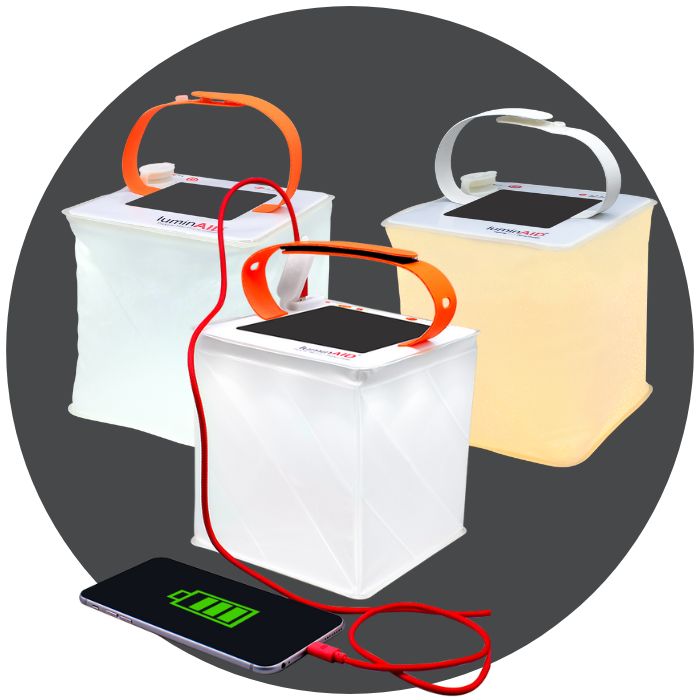
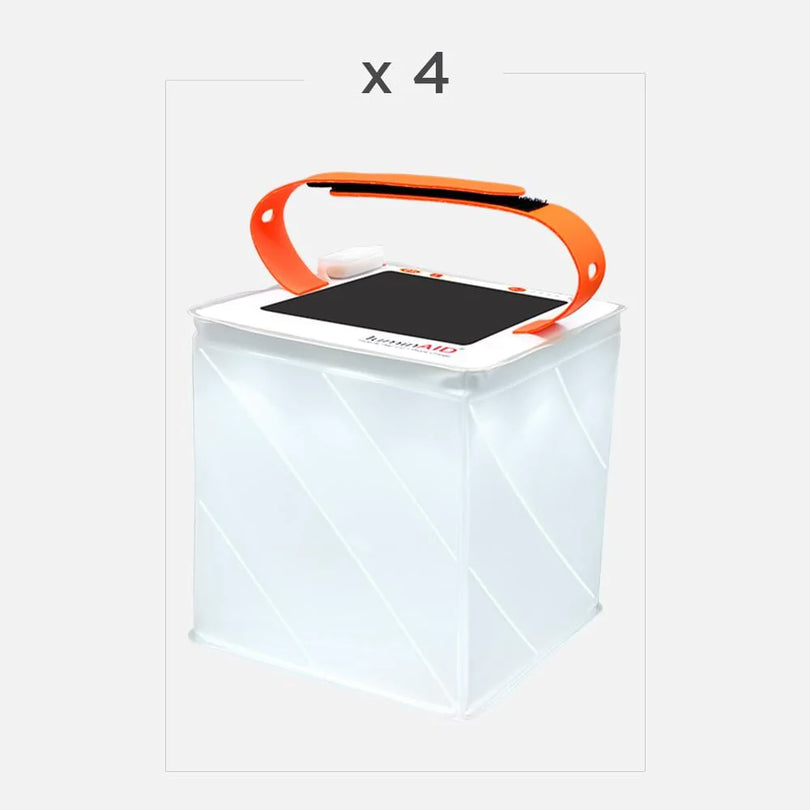
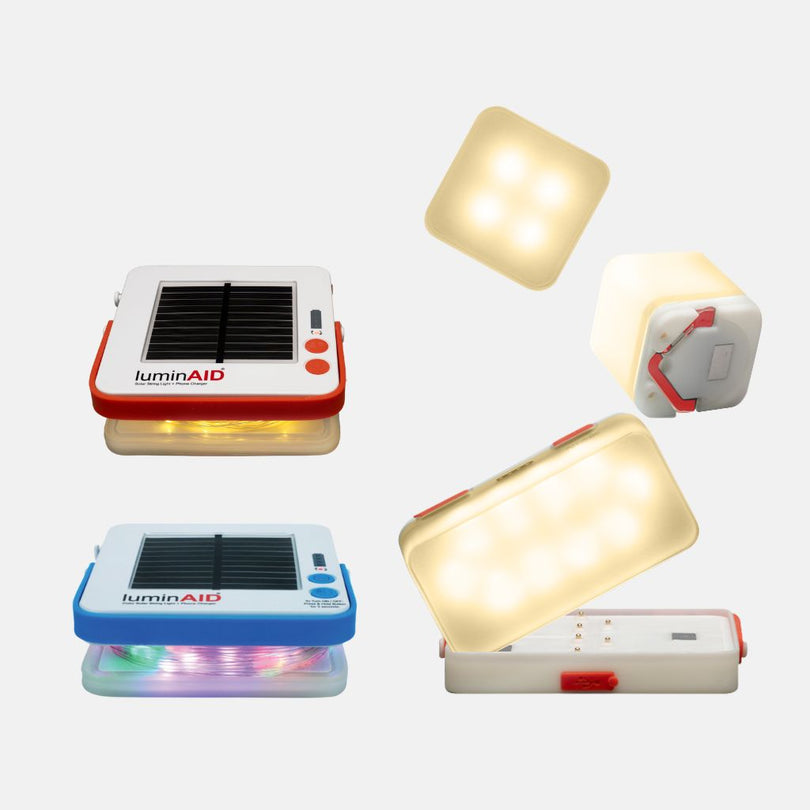
LuminAID's Power Lanterns combine adjustable light with USB phone charging, and its Solar String Lights provide ambient illumination for camp interiors or outdoor areas. These products use sunlight for charging and fit the broader idea of a vehicle system that serves camping, travel, and emergency preparedness. The company cites an Off-Grid Guarantee and more than 10,000 five-star reviews in its product positioning, but users should still charge and test equipment before departure.
A lighting bin can sit beside the emergency kit, with charging cables grouped in a small pouch and the lantern placed at the top. The solar camping light and charger guide offers a practical way to think about combining illumination and phone power without adding disposable batteries to the packing list.
The useful distinction is between task lighting and ambient lighting. Task lighting belongs in immediate access for setup and emergencies. Ambient lighting can stay with camp comfort items because it isn't required to make the first safe movements after arrival.
Your Car Camping Organization Checklist
Before leaving home, a repeatable check prevents the most common loading failures:
- Assign every bin: Label kitchen, sleeping, clothing, utility, and emergency containers.
- Build the access layer: Keep permits, chargers, first aid, toiletries, snacks, and headlamps within reach.
- Load heavy gear low: Place water, tools, cooking equipment, and reserve supplies near the axle or deepest stable cargo space.
- Prepare the first-night layer: Put shelter, sleeping gear, weather protection, and lighting closest to the rear opening.
- Compress soft goods: Use packing cubes or compression sacks so clothing and bedding stack without spreading.
- Secure the load: Use straps or a cargo net, and test that containers don't slide.
- Separate food and scented items: Follow the exact rules for the destination, especially in bear country.
- Run the transition test: Open the vehicle and identify the first items needed without moving another bin.
- Reset after every trip: Return each item to its assigned container before the next departure.
A destination with organized facilities, such as the camping options described by Outdoor Slovenia Activities, still benefits from this approach. The LuminAID camping packing list can also serve as a final pre-departure reference.
The most reliable system is the one that can be repeated when tired, wet, late, or changing campsites. Test it on a short outing, note what wasn't reachable, and move that item before the next trip.
LuminAID offers packable solar lanterns, Power Lanterns with USB charging, and Solar String Lights that fit naturally into an immediate-access or emergency zone. Visit LuminAID to choose lighting and off-grid power that can support faster campsite setup, safer nighttime movement, and preparedness beyond the campground.