

A family can arrive at a campsite after dark with one child already asleep in the back seat, another asking for food, rain moving in, and a phone showing a nearly empty battery. The gear may be in the vehicle, but finding the lantern, stove fuel, dry clothes, medication, and tent poles quickly can decide whether the first evening feels manageable or chaotic.
The best camping checklist for families isn't a random pile of equipment. It follows the trip's workflow: confirm the destination, pack by campsite function, adapt supplies to each person's age and medical needs, and add enough safety redundancy for poor weather or weak cell service. Camping has become a mainstream household activity. The 2022 North American Camping Report recorded 56.9 million active camping households in the United States in 2021, up from 48.2 million in 2020 and 42 million in 2019, with 9.1 million households camping at least once in 2021.
The ten essentials below work as a phone-friendly packing sequence. Use the checkboxes while loading, verify the age-specific and weather-sensitive details before departure, and keep a printed copy in the vehicle for the final scan.
Table of Contents
- 1. Portable Solar Lantern with Phone Charging
- 2. First Aid and Medical Emergency Kit
- 3. Bear-Resistant Food Storage and Wildlife Protection
- 4. Insect Repellent and Bite Treatment
- 5. Cooking Equipment and Portable Stove System
- 6. Sleeping Shelter and Temperature Regulation
- 7. Water Treatment and Hydration Systems
- 8. Navigation and Emergency Communication
- 9. Outdoor Activities and Entertainment for Families
- 10. Trip Planning, Route Selection, and Pre-Trip Preparation
- Family Camping Checklist: 10-Item Comparison
- Make the Checklist Work for Your Family
1. Portable Solar Lantern with Phone Charging
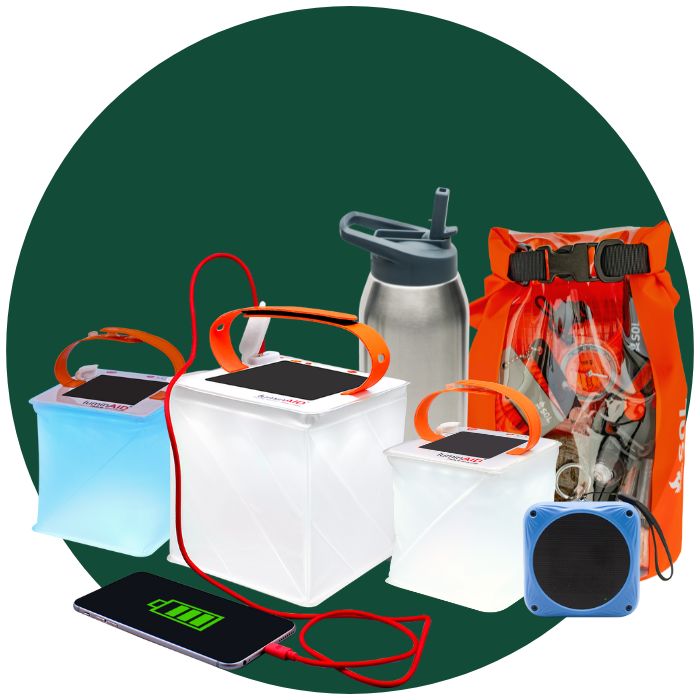
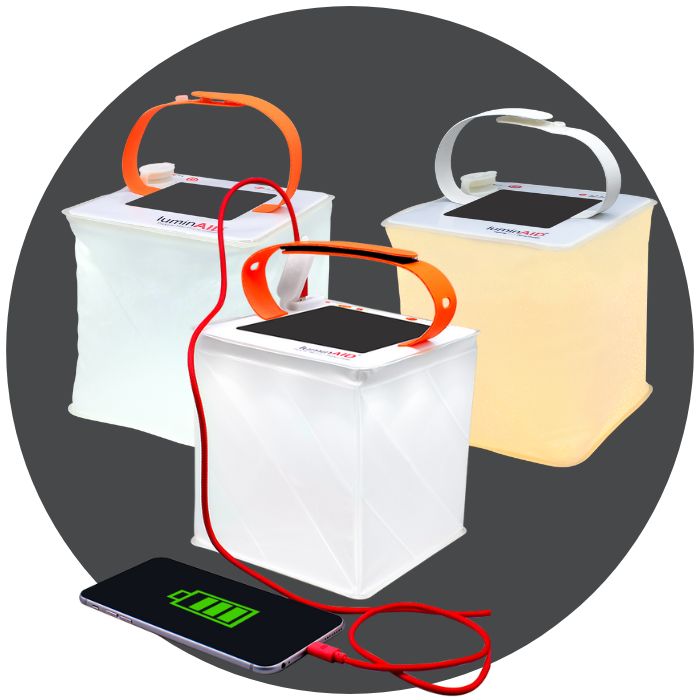
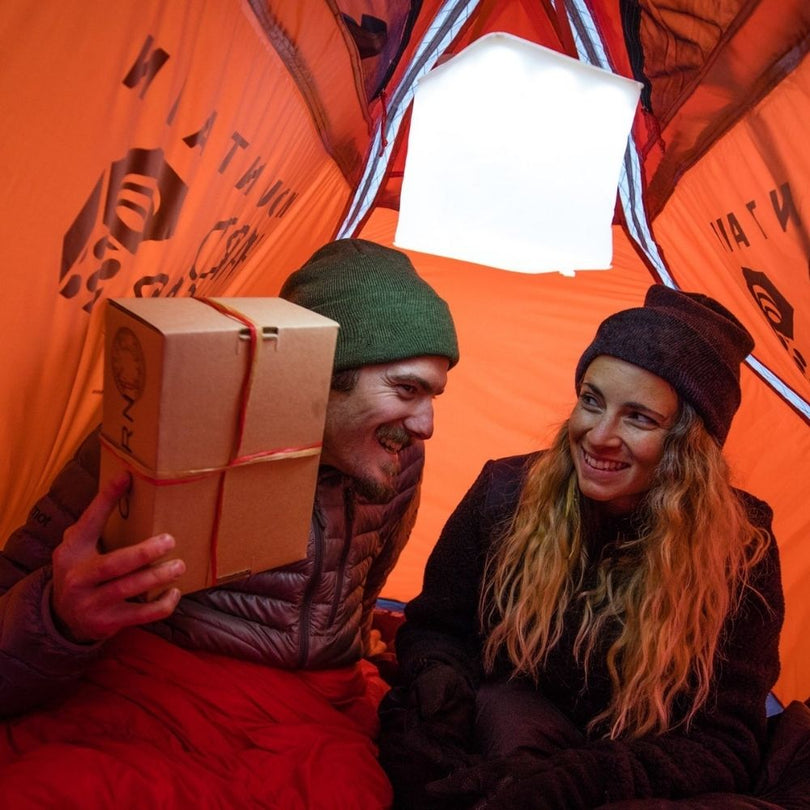
A dependable light source earns its place near the top of a family loadout because it solves several problems at once. A portable solar lantern can illuminate tent setup, campsite paths, nighttime meals, and bathroom trips, while USB charging helps preserve a phone for navigation and emergency communication. A compact unit also reduces the need to carry separate lighting devices.
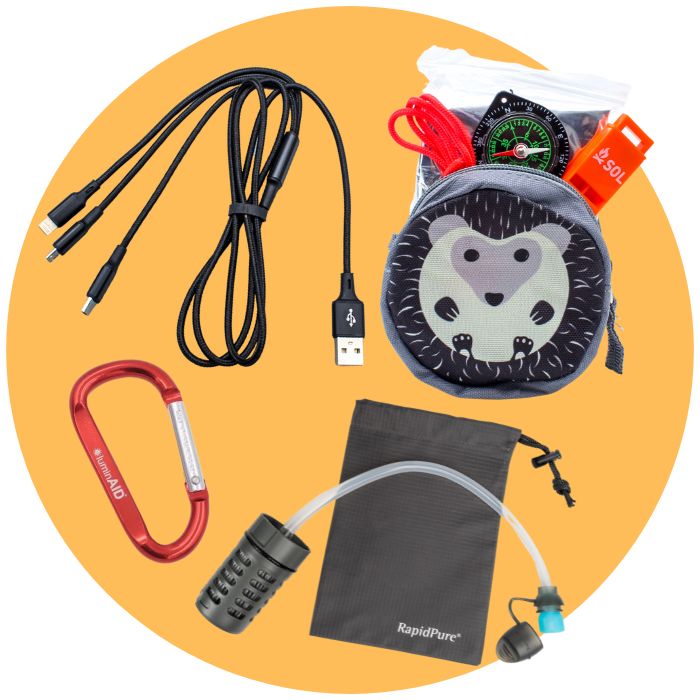
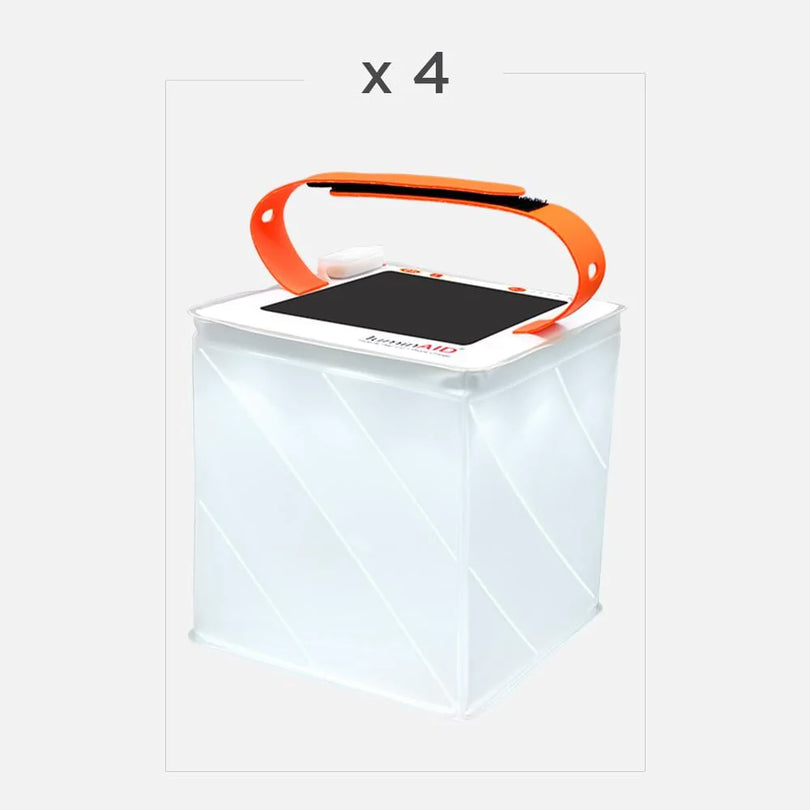
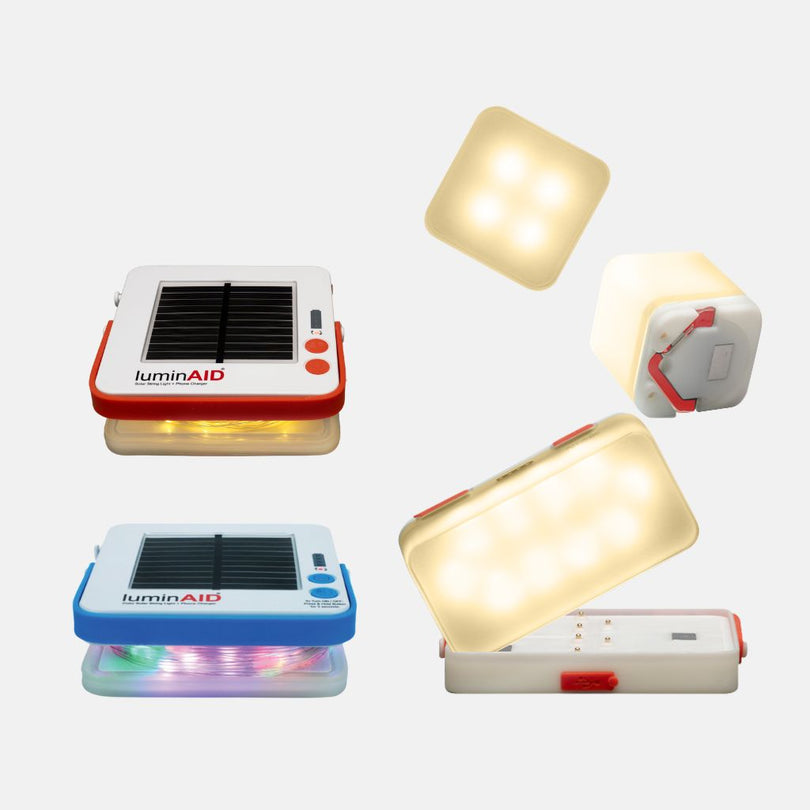
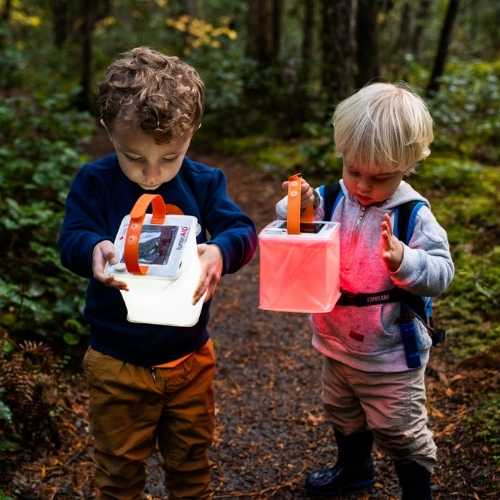
LuminAID Power Lanterns are designed for this combination of portable light and phone charging. Families should choose a model with adjustable brightness, then use the lower setting for reading or ambient light and reserve brighter output for setup and walking.
Pack, test, and position
☐ Charge the lantern before leaving
☐ Confirm that the USB cable fits the family's phones
☐ Pack a backup headlamp or flashlight
☐ Add spare batteries for any battery-powered light
☐ Place the lantern where daylight reaches its solar panel
☐ Keep the panel clean and free from dust
Solar charging works best when the panel receives direct sunlight. In the Northern Hemisphere, positioning the panel toward the south can help exposure, but shade, clouds, and tree cover still affect charging. Device charging during daylight is more practical than waiting until everyone needs the phone at night.
The family camping solar lantern guide explains how a lantern with charging capability can reduce the number of separate devices in a campsite kit. It shouldn't replace a backup light, however. The REI family camping checklist specifically treats a headlamp or flashlight and spare batteries as separate checklist items, a useful reminder that shared lantern light doesn't help much when a child needs a hands-free bathroom walk.
2. First Aid and Medical Emergency Kit
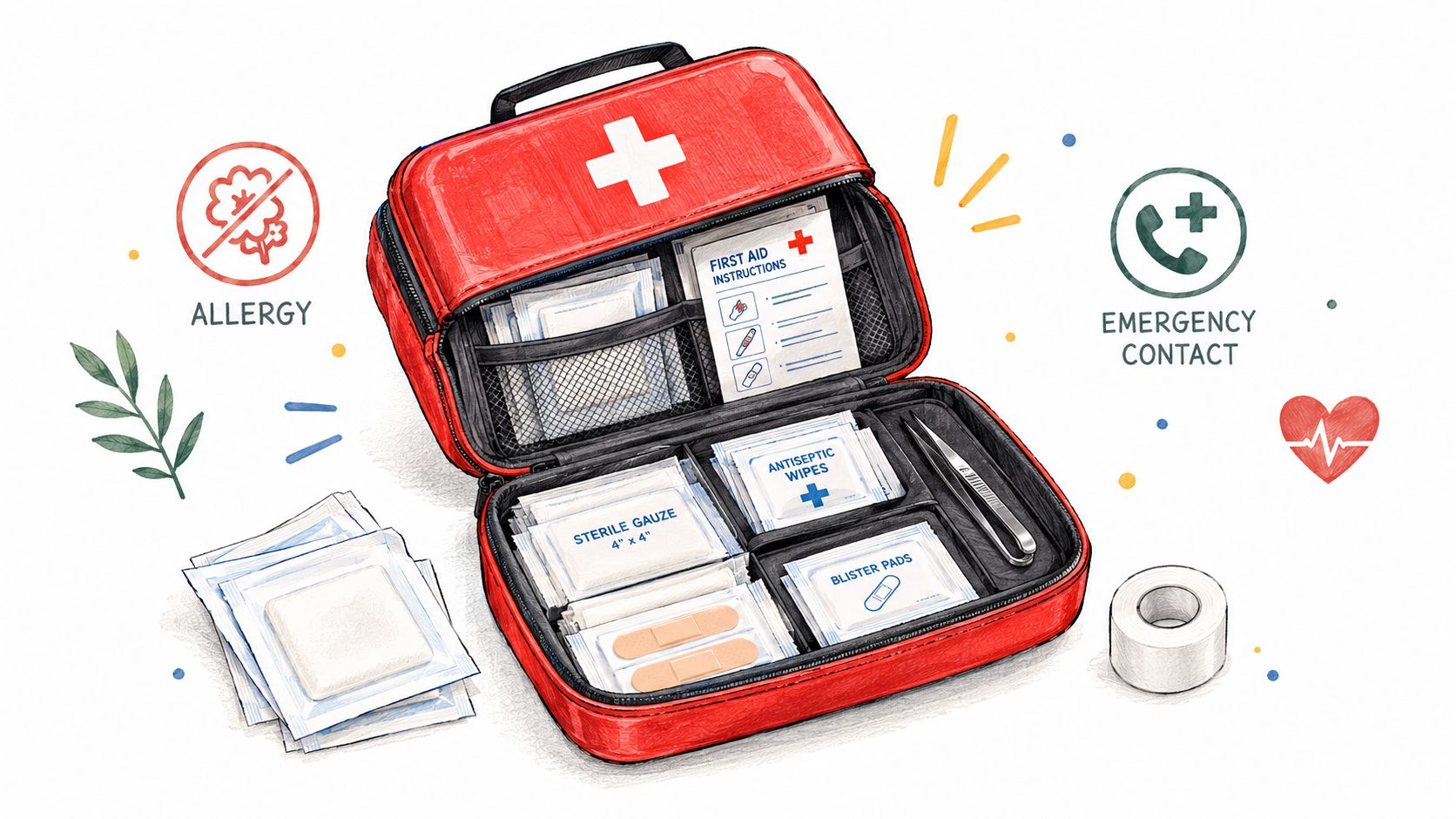
A family first-aid kit should be easy to reach, waterproof, and customized rather than treated as a sealed box that never gets opened. Minor cuts, blisters, burns, allergies, headaches, and insect bites can interrupt a trip quickly when the nearest store or clinic is far away. Children's medications, prescriptions, allergy treatments, and any medical devices belong in the plan, with labels that make contents and instructions clear.
The emergency medical kit guide can help families think beyond adhesive bandages. A practical kit may include gauze, antiseptic wipes, blister care, gloves, tweezers, wound coverings, burn supplies, pain or fever medication selected for the child's age, and a basic first-aid instruction guide.
Build access into the packing plan
☐ Check expiration dates before every trip
☐ Store medication in clearly labeled waterproof bags
☐ Add family-specific prescriptions and allergy supplies
☐ Keep the kit accessible to adults, not buried under clothing
☐ Photograph medication labels and emergency contacts
☐ Restock supplies after returning home
Insect-bite treatment deserves its own small pouch. Guidance from Clemson Cooperative Extension on outdoor skin first aid recommends washing a bite or sting with soap and water, removing a stinger with gauze or by scraping a fingernail over the skin, and applying ice to reduce swelling. Those steps are simple, but they're easy to forget when the first-aid kit contains only general wound supplies.
A kit isn't a substitute for medical judgment. Families should identify nearby medical facilities before leaving, understand the area's emergency number, and avoid giving children medication without checking the label and the child's medical needs.
3. Bear-Resistant Food Storage and Wildlife Protection
Food storage isn't just about protecting dinner from animals. It helps prevent wildlife from learning that campsites provide easy meals, and it keeps children away from unsafe food scraps, cooking surfaces, and curious animals. Rules vary by park and region, so the destination's official regulations should be checked before the vehicle is loaded.
In bear country, families may need an approved bear-resistant canister, a locker provided by the campground, or a permitted hanging system. A canister is straightforward and durable, but it takes space. Hanging systems can reduce the weight carried into a backcountry site, yet they require suitable trees, correct technique, and more effort at the end of a long day.
Keep the sleeping area separate
☐ Store food, toiletries, pet food, and scented products securely
☐ Keep food out of tents and sleeping areas
☐ Dispose of food waste and grease according to local rules
☐ Clean cooking surfaces after every meal
☐ Check whether the park requires an approved container
☐ Carry bear spray only where legal and appropriate, and learn its use
Never leave food unattended, even for a short task. Families should cook and eat away from sleeping areas when local rules and campsite design allow it, then secure leftovers, trash, toothpaste, sunscreen, and other scented items. The National Park Service's food storage guidance for bear country explains why food-conditioned wildlife creates risks for both visitors and animals.
Children should know the campsite boundary and the rule that food stays with an adult. During hikes, groups can make ordinary conversation or other appropriate noise in dense vegetation and around blind corners, reducing the chance of surprising wildlife. Wildlife protection works best as a routine, not as a single piece of gear.
4. Insect Repellent and Bite Treatment
Insects can turn a comfortable evening into a constant round of scratching, especially near still water, tall grass, or wooded campsites. The protection plan should combine clothing, sleeping-area barriers, and a repellent suitable for each family member's age and health needs. A single bottle tossed into the food bin isn't enough.
Families should read the product label for application instructions, age limits, reapplication guidance, and swimming or sweating directions. EPA-registered repellents are a practical starting point, and CDC guidance on preventing mosquito and tick bites provides destination-sensitive advice.
Pack prevention and treatment separately
☐ Choose repellent based on the label and each child's age
☐ Pack long sleeves, long trousers, socks, and hats
☐ Consider treated clothing where appropriate
☐ Add mosquito netting if the shelter needs it
☐ Keep repellent in a waterproof pouch
☐ Pack bite treatment with the first-aid supplies
Repellent should be applied by an adult when children are young, kept away from eyes and mouths, and washed off according to the label when no longer needed. Strongly scented toiletries can be unpleasant around insects and complicate wildlife-safe campsite routines, so unscented options are often easier to manage.
Ticks require a separate habit. After hiking or playing in brush, adults should check children's hairline, behind the knees, waist, socks, and other covered areas. If a tick is found, removal and monitoring should follow public-health guidance rather than improvised methods. A small after-bite product may soothe irritation, but families shouldn't use it as a substitute for watching a spreading rash, breathing difficulty, severe swelling, or other symptoms that need medical attention.
5. Cooking Equipment and Portable Stove System
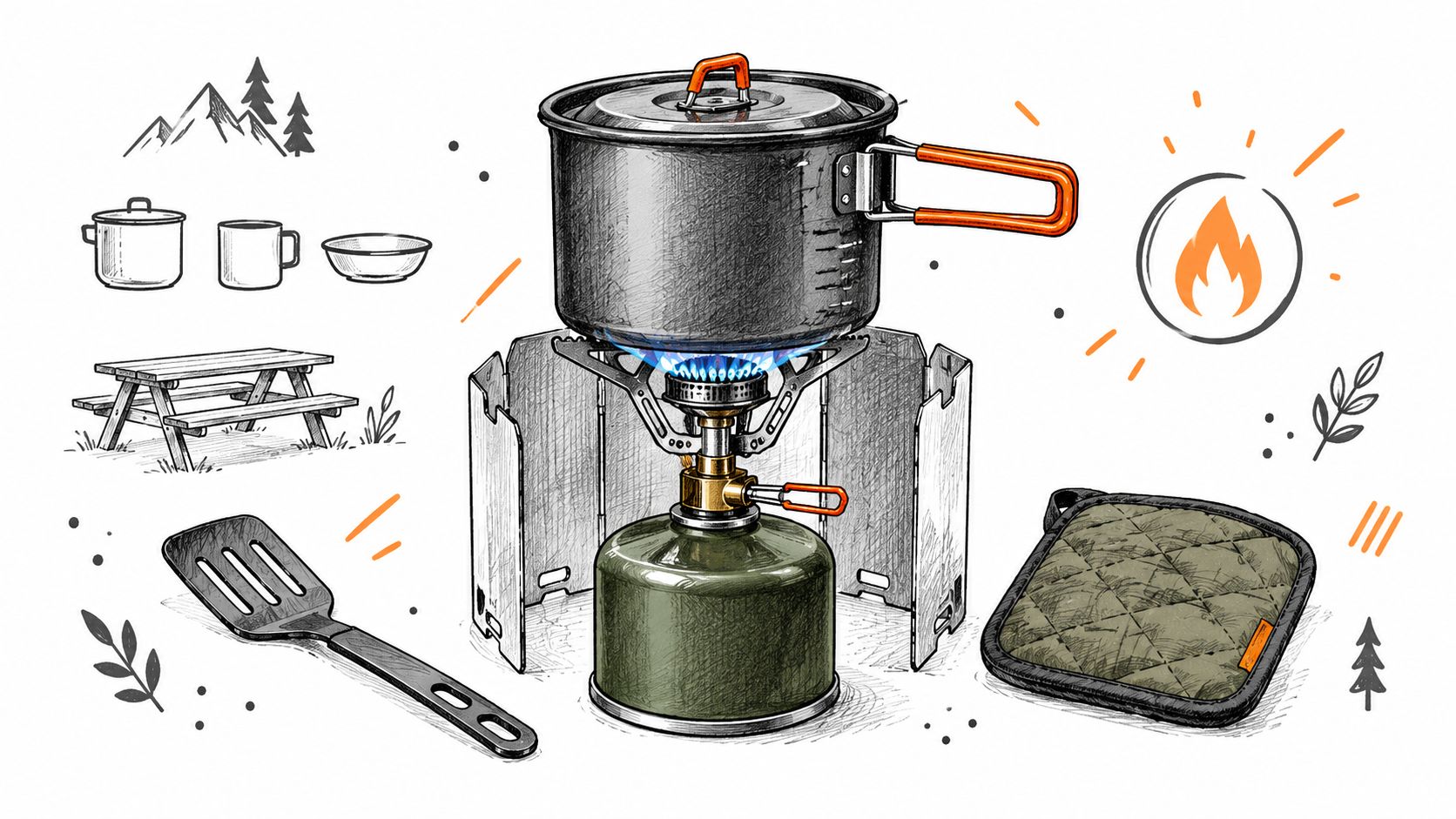
A reliable camp kitchen keeps meals predictable when children are hungry and weather disrupts the schedule. Car-camping families often favor a stable two-burner propane stove because it supports simultaneous cooking, while backpacking groups may choose a lighter canister stove for oatmeal, hot drinks, or dehydrated meals. Neither is universally better. The right choice depends on vehicle space, meal complexity, fuel availability, and the adults' comfort using the equipment.
The stove should be tested at home before departure. That test can reveal a missing connector, an empty fuel canister, an unstable pot support, or cookware that doesn't fit.
Create a safe cooking station
☐ Place the stove on a level, stable, nonflammable surface
☐ Keep fuel away from heat and children
☐ Pack cookware, utensils, plates, mugs, and washing supplies
☐ Carry food that matches the available refrigeration and water
☐ Keep a water source or suitable fire-control equipment nearby
☐ Let cookware and the stove cool before packing
A windscreen can improve cooking consistency, but it must be used according to the stove manufacturer's instructions and never in a way that traps heat around the fuel canister. Tents, tarps, dry grass, and loose clothing should stay away from flames and hot cookware. The stove needs an adult operator, with children assigned safer tasks such as carrying unheated utensils or setting the table.
Meal planning should include no-cook backups. Ready-to-eat food, snacks, and drinks reduce pressure during a late arrival or storm. Families should also plan how food waste, grease, and packaging will be stored and removed, because a tidy kitchen protects wildlife as well as the next morning's breakfast.
6. Sleeping Shelter and Temperature Regulation
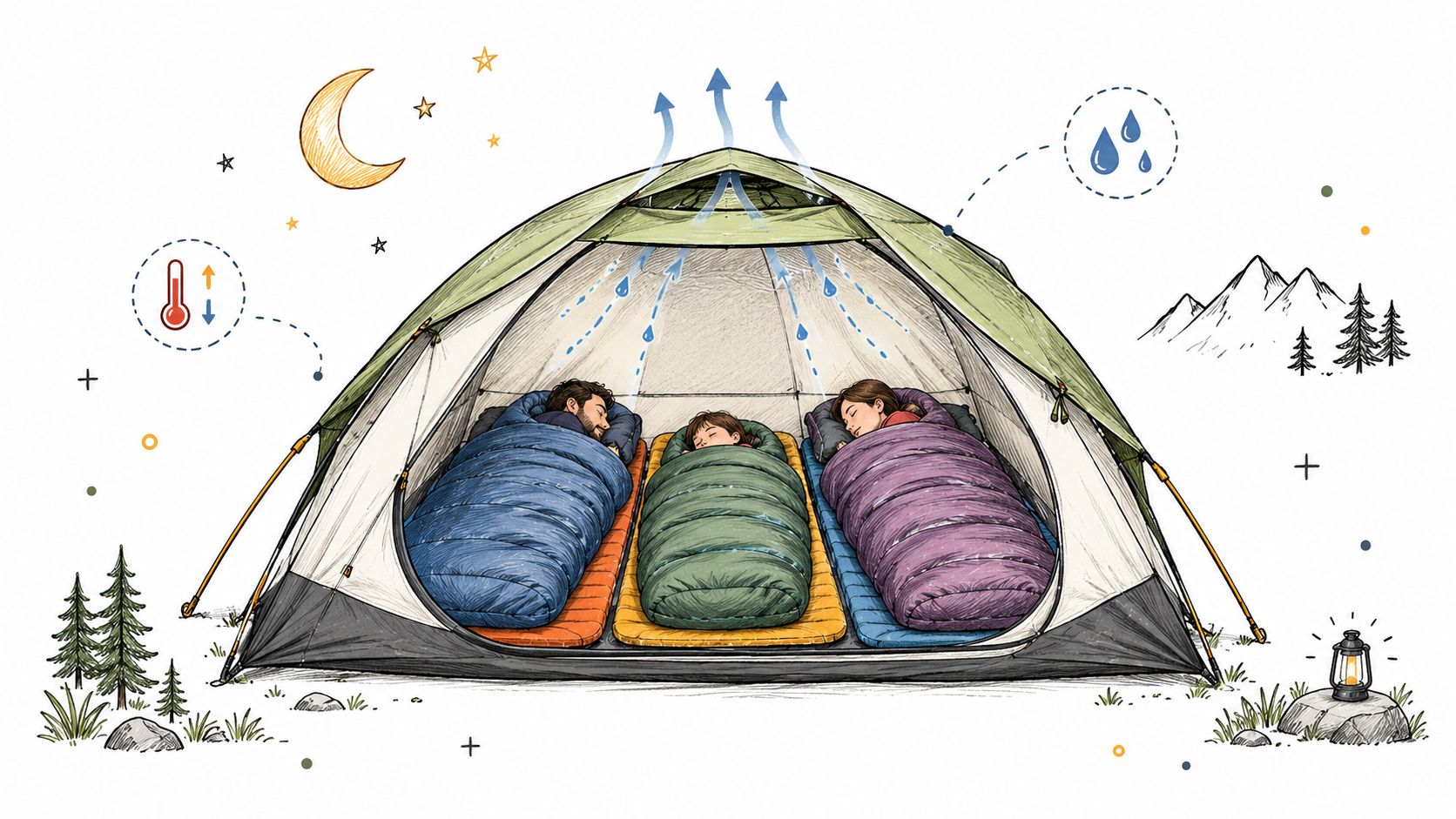
Shelter selection starts with the campsite, not the catalog. A tent should fit the family, sleeping equipment, clothing, and the reality of spending time inside during rain. A spacious family tent may weigh more and take longer to set up, but that trade-off can be worthwhile for car camping. A smaller shelter packs more efficiently, yet it leaves less room for wet gear, changing clothes, or a restless toddler.
Set up the tent at home before the trip. Adults should identify the poles, stakes, rainfly, ventilation points, and repair materials, then pack them together in a labeled bag. A tent that goes up confidently at home is less likely to become a problem after a long drive.
Match sleep gear to the coldest night
☐ Pack a tent, rainfly, footprint or ground protection, poles, stakes, and repair tape
☐ Give every sleeper a sleeping pad or ground mat
☐ Choose sleeping bags for the coldest expected night, not the average forecast
☐ Add pillows, blankets, and dry sleep clothes
☐ Pack a headlamp or lantern for the tent
☐ Ventilate the shelter to manage condensation
A sleeping bag doesn't replace a pad. The family camping checklist from Outforia explains that the pad helps keep the ground from pulling heat from the body and that the bag should match the coldest expected night. Families should also check the fit of children's sleep systems, since oversized gear can be awkward and young children may need a different arrangement.
Infants require special care. Nationwide Children's Hospital's camping safety guidance says infants should sleep on a flat, firm surface without loose bedding and not in sleeping bags. A portable crib can provide a safer tent setup. Adults should also plan for fire safety, since the same guidance reports that campfire burns account for more than half of camping injuries and recommends active supervision with a 3-foot fire zone around the fire.
Families looking for an indoor-style play space at home can also review these backyard fun ideas with kids' tents, while keeping recreational tent use separate from approved overnight sleep equipment.
7. Water Treatment and Hydration Systems
Water planning needs two separate answers: where drinking water will come from, and how the family will carry it. A developed campground may provide potable taps, while a remote site may require containers, filtration, purification, or all three. Natural water should be treated as potentially contaminated, even when it looks clear.
When potable water isn't guaranteed, ReserveAmerica's family camping essentials checklist uses 1 gallon per person per day as a concrete planning rule for drinking, basic washing, and cooking. The exact loadout still depends on heat, activity, campsite facilities, and the family's needs. Containers should be filled, capped, labeled, and placed where children can reach their own drinking water without opening the entire supply.
Build a backup into the system
☐ Pack refillable bottles for each family member
☐ Carry a primary filter or treatment method
☐ Add backup purification tablets
☐ Learn the treatment time before the trip
☐ Clean and dry reusable filters after use
☐ Teach children never to drink untreated stream or lake water
Filtration and purification don't always solve the same problem. A filter can remove many organisms, while a chemical treatment may address contaminants the filter doesn't handle, depending on the product. Families should follow the manufacturer's instructions rather than combining methods casually or assuming clear water is safe.
The CDC's outdoor water treatment guidance explains the need to treat water from lakes, rivers, and streams. The video below can supplement a home practice session, but hands-on testing remains important before a family relies on the system outdoors.
For RV trips, water-system maintenance is a separate concern from backcountry purification. Families using recreational vehicles can arrange RV water heater repair and replacement before departure if the vehicle's hot-water system affects meal preparation or washing.
8. Navigation and Emergency Communication
A charged phone helps, but it isn't a complete navigation plan. Cell coverage can disappear near mountains, forests, and remote roads, so families need at least one offline method and one physical backup. A downloaded map, paper map, compass, vehicle map, and emergency communicator each solve a different failure point.
Before leaving, an adult should share the route, campsite, planned activities, and expected return with someone who isn't on the trip. The plan should include vehicle information and the local emergency contact method where relevant.
Keep the family together under stress
☐ Download maps for the campsite and planned trails
☐ Carry a paper map and compass
☐ Charge phones, lanterns, and communication devices
☐ Write emergency contacts on paper
☐ Set a family meeting point
☐ Teach children to stay put if separated or lost
☐ Practice using any satellite communicator before departure
Children need simple instructions they can repeat. They should know the campsite name, recognize the family vehicle, and understand that staying in one place is safer than wandering when lost. Adults should also establish a check-in routine before a hike, including who carries the first-aid kit, water, light, and communication device.
The family emergency communication plan can help organize contact details, meeting points, and communication responsibilities. Solar charging supports the plan during daylight, but redundancy matters more than any individual device. A phone can fail, a cable can break, and a device can be dropped in water, so the final loadout should spread critical information across paper and electronics.
9. Outdoor Activities and Entertainment for Families
Entertainment belongs on a family camping checklist because boredom can create poor decisions, especially when rain traps everyone inside a tent. The strongest activity plan has options for different energy levels and ages, with enough flexibility to follow weather and children's attention spans.
A toddler may enjoy a short nature walk, collecting observations without removing plants, or helping identify birds. Older children may prefer a map challenge, photography, knots, or a longer trail. Adults can prepare a quiet option such as cards, a journal, a field guide, or a simple drawing kit for the part of the day when everyone needs a break.
Pack for changing energy and weather
☐ Add one active activity and one quiet activity per child
☐ Pack field guides, notebooks, cards, or compact games
☐ Bring rain-friendly options for tent time
☐ Plan a special evening activity
☐ Give children a role in choosing the itinerary
☐ Set device-free periods while keeping phones available for safety
A stargazing session, a family meal prepared together, or a short evening walk can become the trip's defining memory. Lighting affects the atmosphere, too. A lantern on a lower setting creates useful ambient light without requiring every family member to hold a flashlight, while a headlamp remains better for walking and hands-on tasks.
The routine should be simple: breakfast, a morning activity, lunch and rest, an afternoon option, dinner, then an evening gathering. This structure helps younger children anticipate what happens next without making the trip feel rigid. Families should also know when to stop. A shorter activity completed happily is more useful than an ambitious plan that ends with an overtired child and a difficult return.
10. Trip Planning, Route Selection, and Pre-Trip Preparation
The final item begins before packing. Families should confirm the reservation, campsite access, permits, quiet hours, fire rules, pet rules, water availability, food-storage requirements, and the nearest medical facility. Destination rules can change the entire equipment plan, especially when fires, fuel, bear canisters, or water collection are restricted.
Weather deserves more than a quick glance on departure morning. Forecasts should be checked several days before leaving and again before the vehicle departs, with a willingness to change the route or postpone the trip when conditions exceed the family's skills and equipment.
Use a staged departure workflow
☐ Confirm reservation, route, permits, and campsite rules
☐ Check weather and identify a bad-weather alternative
☐ Review medical needs, allergies, prescriptions, and emergency contacts
☐ Test the tent, stove, water system, lanterns, chargers, and headlamps
☐ Pack shelter, sleep, food, water, lighting, and safety gear first
☐ Add clothing, hygiene supplies, activities, and comfort items
☐ Tell a trusted person the itinerary and return plan
A spreadsheet or shared phone note can assign each category to an adult and show whether an item is packed, tested, or still needed. Children can help with safe tasks, such as checking personal clothing, labeling water bottles, or choosing a quiet activity. The Florida adventure trip checklist offers another planning reference for organizing route details and practical departure tasks.
The vehicle should be loaded by use order. Put the lantern, first-aid kit, rain layers, snacks, water, and tent setup gear where they can be reached without unloading everything. Keep documents, medication, and emergency contacts in the passenger area. This packing order matters most when arrival is late, weather changes, or a child needs something before camp is fully established.
Family Camping Checklist: 10-Item Comparison
| Item | Implementation complexity | Resource requirements | Expected outcomes | Ideal use cases | Key advantages |
|---|---|---|---|---|---|
| Portable Solar Lantern with Phone Charging | Low, plug‑and‑play setup | Sunlight exposure, occasional cleaning; minimal maintenance | Reliable lighting and emergency phone charging for hours | Family camping, remote sites, emergency kits | Sustainable, lightweight, multi‑function (light + charger) |
| First Aid and Medical Emergency Kit | Low–Moderate, assemble and maintain | Medical supplies, periodic restocking, basic first‑aid training | Prompt treatment of minor injuries; reduced evacuations | Family trips, remote campsites, groups with children | Immediate on‑site care, peace of mind, portable |
| Bear‑Resistant Food Storage and Wildlife Protection | Moderate, gear use and technique training | Bear canister/hanging system, bear spray, additional weight/cost | Fewer wildlife encounters; protected food and property | Bear country/backcountry and parks with regulations | Protects people and wildlife; often legally required |
| Insect Repellent and Bite Treatment | Low, apply and reapply as needed | Repellents (DEET/picaridin/EO), permethrin treatments, after‑bite supplies | Reduced bites and lower vector‑borne disease risk | Mosquito/tick‑prone areas, dusk/evening activities | Inexpensive, portable, effective disease prevention |
| Cooking Equipment and Portable Stove System | Moderate, fuel management and safe operation | Stove, fuel canisters, cookware, practice and safe storage | Hot meals and water; safer, controlled cooking | Car camping, backpacking (lightweight stoves), base camps | Enables nutritious meals, fuel‑efficient, reliable |
| Sleeping Shelter and Temperature Regulation | Moderate, gear selection and setup practice | Tent, sleeping bags, pads; season‑appropriate gear (cost/weight) | Protection from elements and better sleep quality | Family camping, multi‑night trips, varying climates | Weather protection, comfort, improves safety and rest |
| Water Treatment and Hydration Systems | Moderate, select and maintain purification methods | Filters/tablets/UV/boiling equipment; maintenance and backups | Safe drinking water; reduced gastrointestinal illness | Backcountry, remote water sources, long trips | Self‑sufficiency, waste reduction, multiple redundant options |
| Navigation and Emergency Communication | Moderate–High, devices plus navigation skills | Maps, compass, GPS/satellite communicator, batteries/solar charging | Lower risk of getting lost; faster emergency response | Remote/backcountry hikes, multiday trips, areas without cell service | Life‑saving location & messaging redundancy |
| Outdoor Activities and Entertainment for Families | Low–Moderate, activity planning and supplies | Activity gear, guides, age‑appropriate materials | Increased family engagement, exercise, and memories | Family trips, multi‑age groups, leisure camping | Encourages bonding, low cost, adaptable to ages |
| Trip Planning, Route Selection, and Pre‑Trip Preparation | High, research, permits, contingency planning | Time, permits/reservations, weather data, checklists | Fewer surprises; trips matched to skills and conditions | Popular parks, first‑time campers, complex itineraries | Prevents problems, improves safety and logistics |
Make the Checklist Work for Your Family
A useful checklist becomes a sequence of decisions, not a document that grows longer every season. Families should begin with the items that can change whether the trip happens at all: reservation status, route access, weather, permits, wildlife rules, fire restrictions, water availability, and medical needs. A destination with potable water may need fewer treatment supplies, while a remote site may require containers, filtration, purification, and a more conservative food plan.
The next layer is the campsite foundation. Verify the tent and rainfly, poles, stakes, ground protection, sleeping pads, sleeping bags, infant sleep setup where relevant, cooking system, fuel, food, water, first-aid kit, lighting, and communication equipment. These supplies protect shelter, sleep, meals, hydration, and emergency response. They should be loaded before optional comfort items because they support the family's basic ability to stay safe and functional.
Complete the final checks at home
☐ Set up the tent and inspect seams, poles, stakes, and repairs
☐ Operate the stove on a stable surface and check its fuel connection
☐ Run the water filter or treatment system according to its instructions
☐ Charge lanterns, phones, battery packs, and emergency communicators
☐ Test headlamps and pack spare batteries
☐ Check medication labels, expiration dates, and waterproof storage
☐ Confirm food, snacks, clothing layers, and weather protection
The home test should include the people who will use the gear. Children can learn where their water, warm layer, and light are stored. Adults can practice setting up the tent in a calm environment rather than discovering an unfamiliar pole system after sunset. Families with infants should confirm that the portable crib fits safely inside the shelter without blocking exits or ventilation.
On departure day, scan documents, reservations, maps, prescriptions, food, water, emergency contacts, and vehicle supplies. Keep a phone version for quick searches and a printed copy in the vehicle in case batteries, screens, or signal fail. After returning, revise the list while the trip is still fresh. Mark what was used, what was missing, what failed, and what added unnecessary bulk. A camping checklist for families improves through this feedback loop, becoming more specific to the family's ages, habits, destinations, and tolerance for comfort.
LuminAID offers portable solar lanterns and 2-in-1 phone chargers that fit the lighting and communication needs of a family camping loadout. Families can review the camping-ready options and choose a portable light for their next trip at LuminAID.