

An emergency medical kit is a lot more than just a box of bandages. Think of it as your first line of defense, a crucial tool that gives you the ability to handle injuries and medical problems when help isn’t just a few minutes away. A well-stocked kit means you have what you need to manage anything from a minor kitchen cut to a more serious situation, giving you the confidence to act when it matters most.
Why a Well-Stocked Medical Kit is Essential

Being prepared is about empowerment, not paranoia. A thoughtfully assembled medical kit can turn a crisis into a manageable event. Often, the only thing standing between a small problem and a major emergency is having the right supplies on hand.
Think about it. Have you ever tried to clean a deep gash during a power outage or treat a nasty burn from a campfire miles down a trail? These are the real-world moments where readiness truly counts. Without the right gear, a simple injury can quickly get complicated by infection or other preventable issues.
The Growing Need for Preparedness
More and more people are realizing just how important these kits are. The global first-aid kit market was valued at $783 million back in 2021 and is expected to keep climbing as families and outdoor lovers get ready for everything from natural disasters to everyday mishaps. This isn't just a random trend; major events have shown us all where the gaps in our personal readiness are. You can get more insights on this growing market and what's driving it on ReportLinker.
This signals a real shift in how we think about self-reliance. People are catching on that being able to take care of yourself is vital, especially in those first critical hours of an emergency before professional help arrives. If you're starting from scratch, pre-made kits from trusted brands like Adventure Medical Kits are a fantastic starting point, giving you a solid foundation of supplies for different scenarios.
Beyond Bandages: A Modern Approach
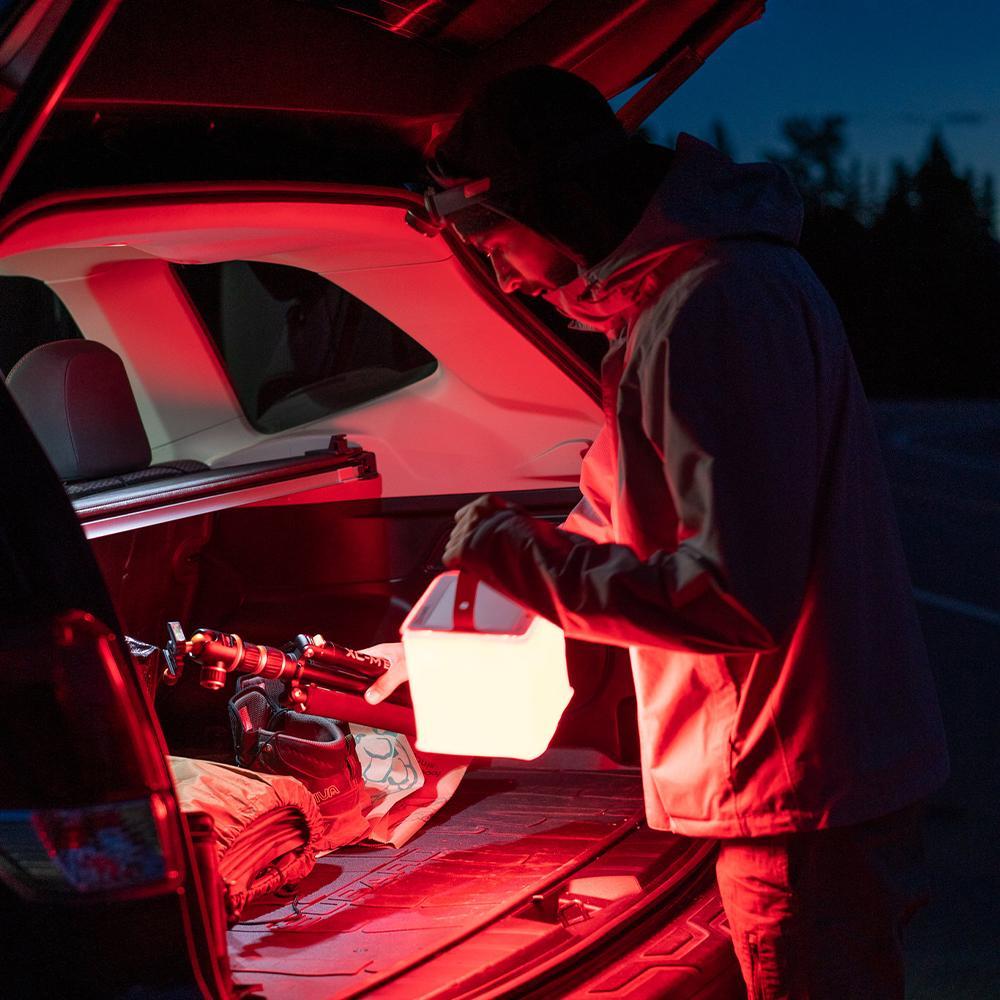
A truly effective emergency kit has to account for the real challenges of a crisis. One of the most overlooked, yet critical, items is a reliable light source. It's hard enough treating an injury without fumbling around in the dark.
A medical kit without a light source is only half a kit. Attempting to provide first aid in the dark introduces unnecessary risk and can turn a simple task into a dangerous challenge.
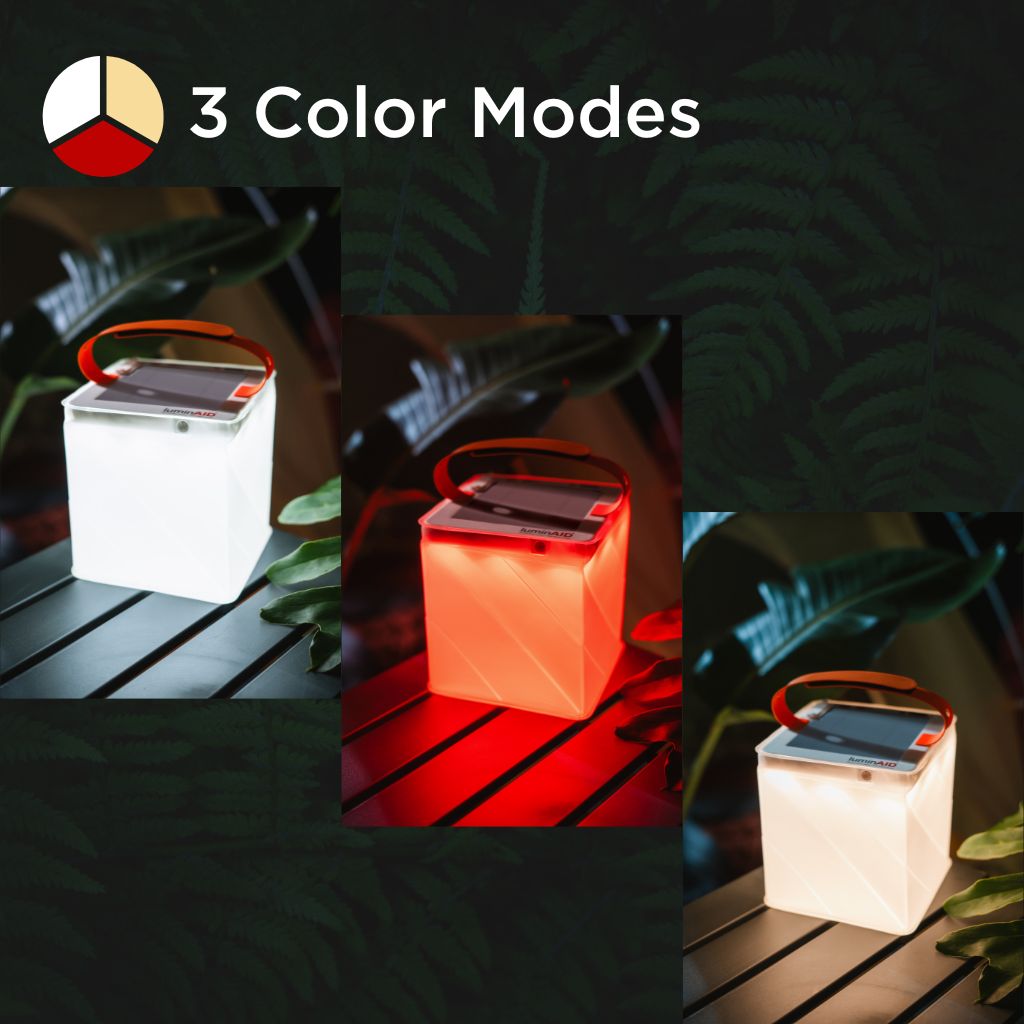
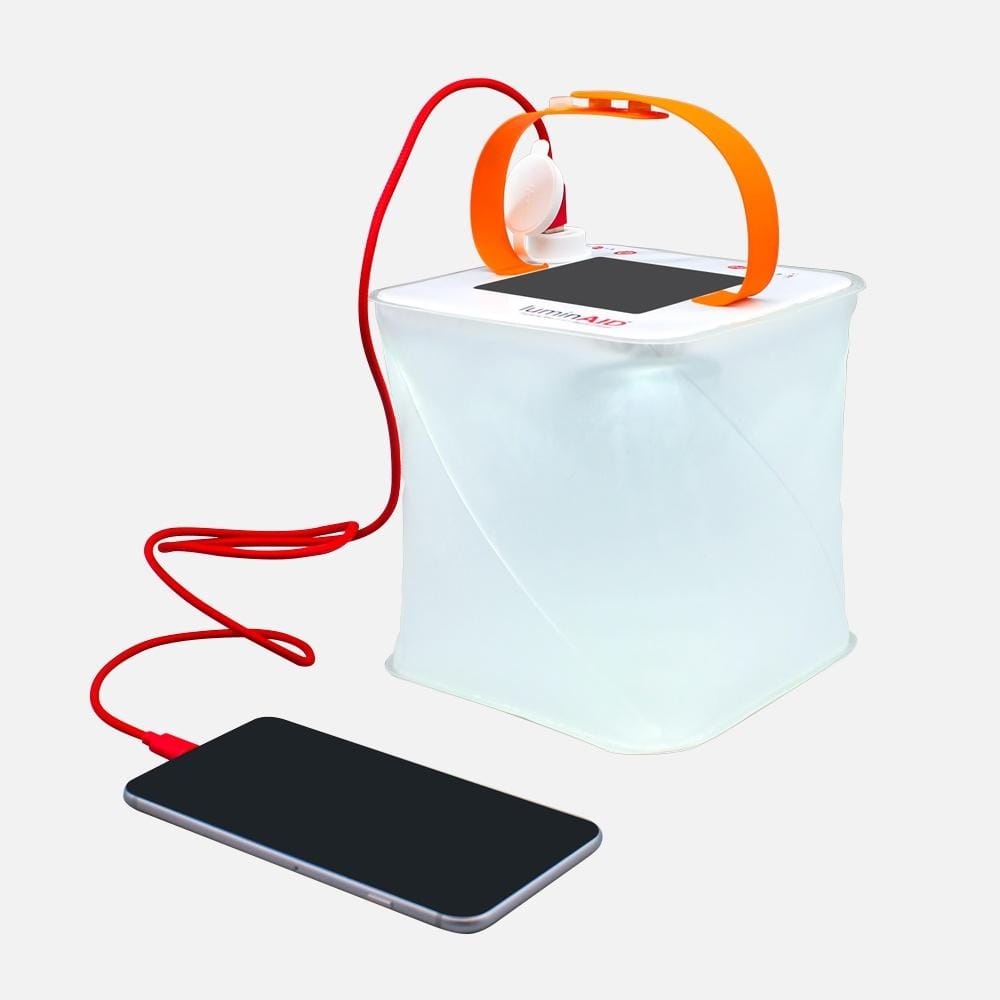
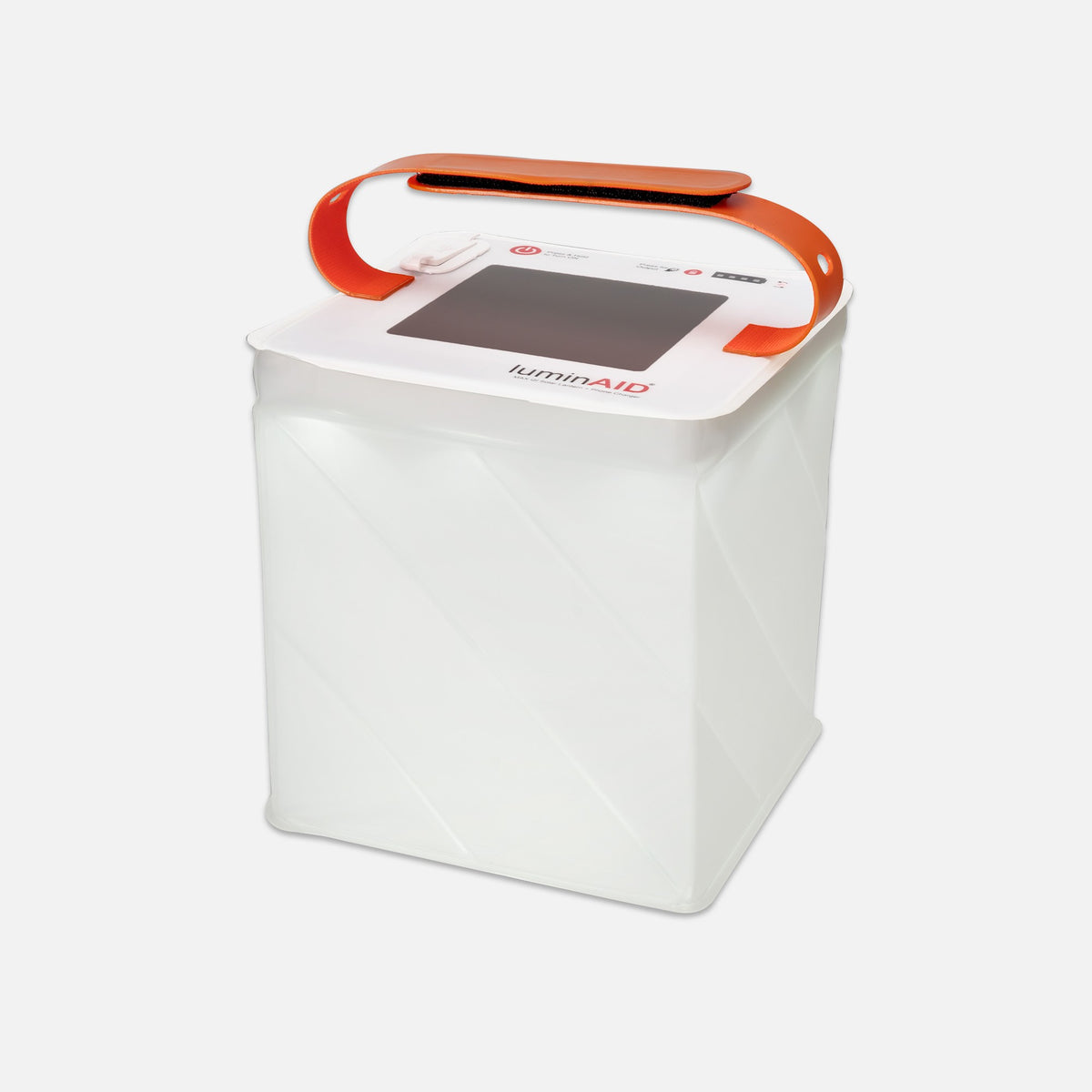
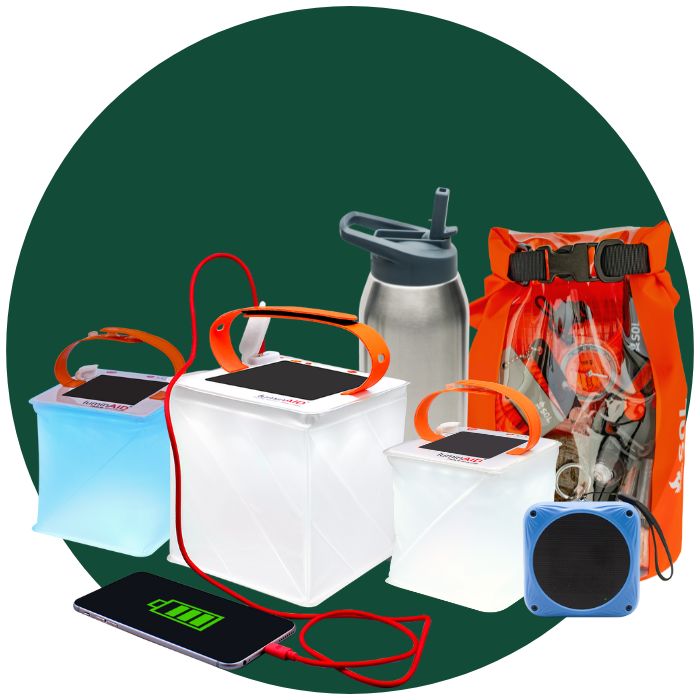
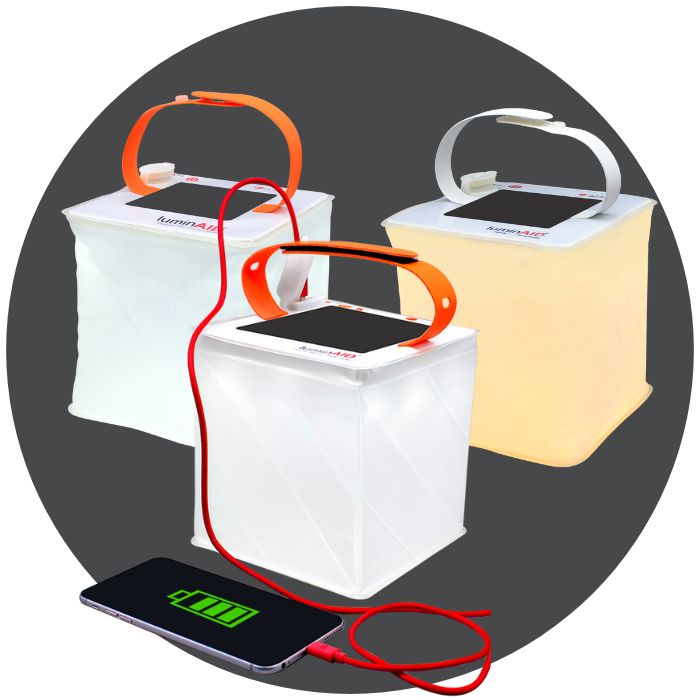
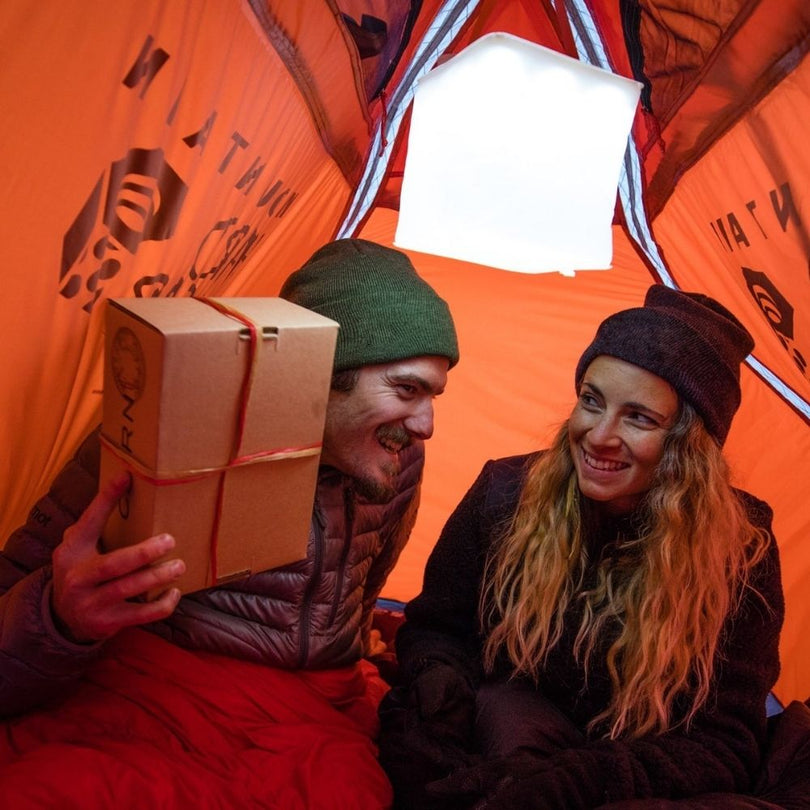
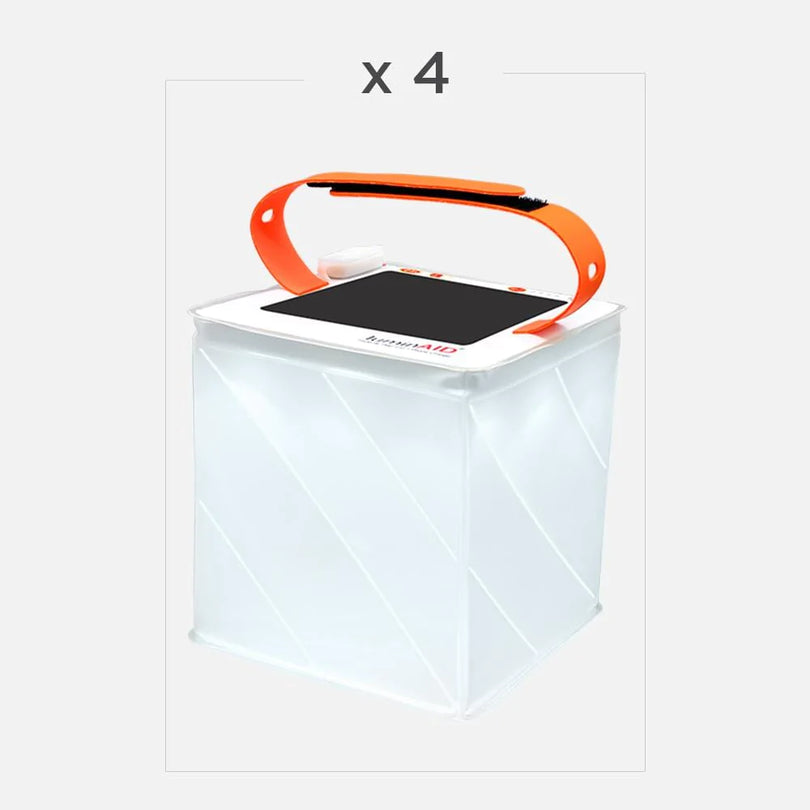
This is exactly why including a tough, rechargeable light is a modern must-have. A solar-powered lantern, for instance, gives you dependable light without having to stress about dead or corroded batteries. It guarantees you can see what you're doing, whether you're digging for supplies, checking out an injury, or just making your way through a dark house. This simple addition takes your kit from a basic box of supplies to a truly functional emergency response system.
Building Your Foundational Medical Kit Checklist
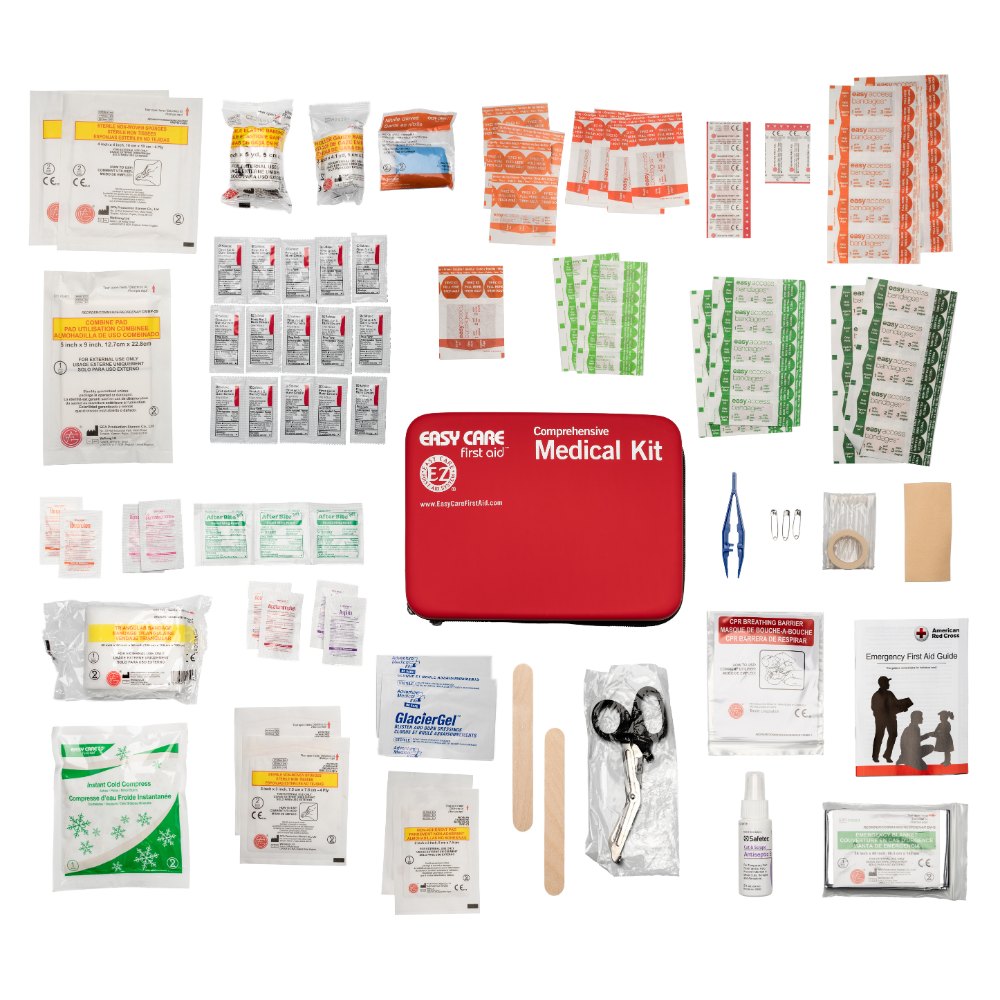
Putting together a medical kit that actually works when you need it means more than just throwing a few bandages in a bag. Your goal should be an organized, intuitive kit you can grab and use when stress is high and you don't have time to think. This is your master checklist—every item needs a purpose and a place.
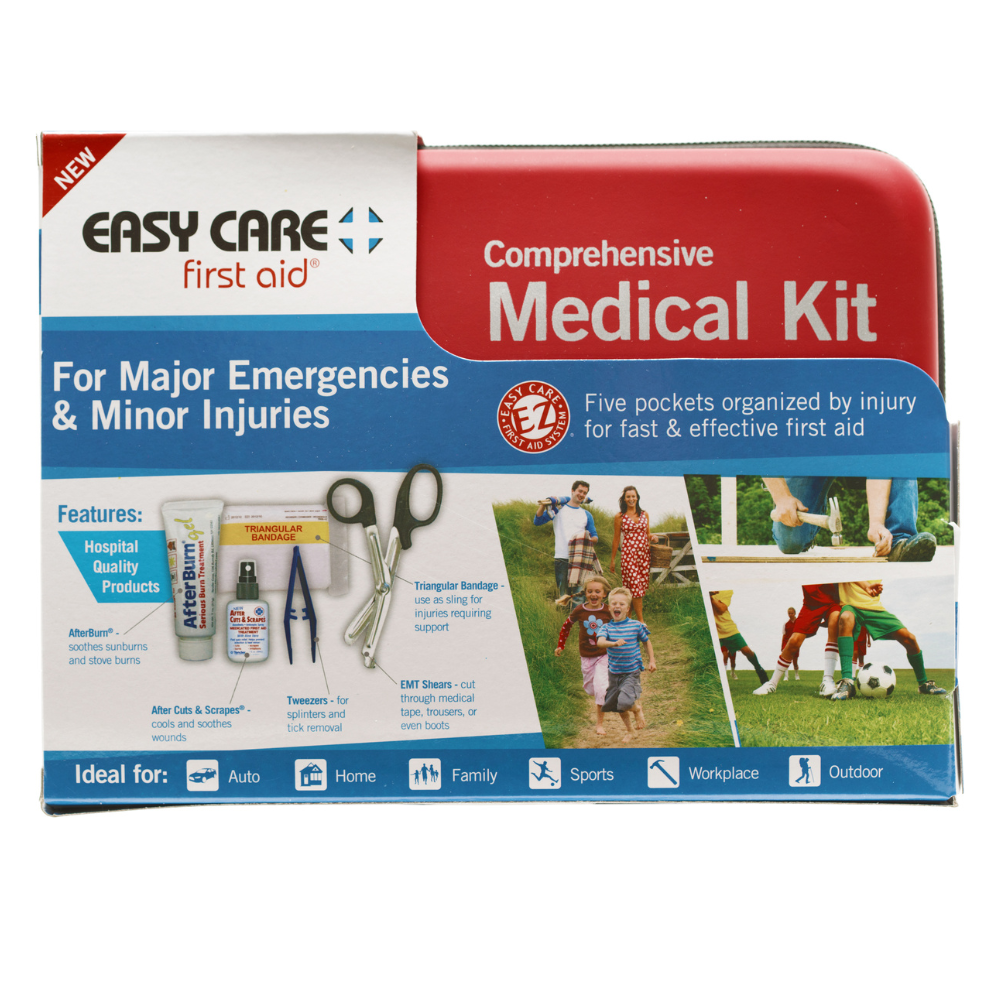
A great starting point is to see what the pros use. Take a look at high-quality pre-made options, like those from Adventure Medical Kits. They provide a solid benchmark for what a well-stocked, professional-grade setup looks like and can help you figure out what to gather.
Before you even think about bandages, you need to think about safety—for you and the person you're helping. Your kit must include basic Personal Protective Equipment. Knowing how to put on gloves and a mask the right way is just as critical as having them in the first place, as it prevents cross-contamination and keeps everyone safer.
I've learned it's best to categorize your supplies. It makes packing easier and, more importantly, makes finding what you need in a real situation much faster. Here’s a breakdown of the absolute essentials.
Essential Emergency Medical Kit Checklist
This table breaks down the must-have items for any baseline first-aid kit. Think of this as the non-negotiable foundation you'll build upon.
| Category | Essential Items | Purpose & Pro-Tip |
|---|---|---|
| Wound Care | Assorted Fabric Bandages, Sterile Gauze Pads (various sizes), Rolled Gauze, Antiseptic Wipes, Antibiotic Ointment, Medical Tape | To clean, treat, and protect cuts, scrapes, and deeper wounds. Pro-Tip: Fabric bandages are far more durable and flexible than plastic, especially for joints like knuckles and knees. |
| Tools | Trauma Shears, Fine-Tipped Tweezers, Moleskin Padding | For cutting away clothing, removing debris like splinters or glass, and preventing blisters. Pro-Tip: Don't skimp on shears; cheap ones won't cut through a pair of jeans when you need them to. |
| Medication | Pain Relievers (Ibuprofen, Acetaminophen), Antihistamines (for allergic reactions), Personal Prescription Meds | To manage pain, fever, inflammation, and allergic reactions. Pro-Tip: Use a pill organizer and set a calendar reminder to rotate these out every 6 months so they don't expire. Consider insect sting and bite treatment from brands like Ben's 30. |
| Specialty Items | Liquid Bandage, Butterfly Closures, Emergency Blanket | For sealing small cuts in awkward places, closing the edges of a wider cut, and treating shock or hypothermia. Pro-Tip: The emergency blanket is multipurpose—it can be a shelter, a signal, or a sling in a pinch. |
Once you've gathered these basics, you've got a solid core kit that can handle the most common injuries you're likely to face.
A Smarter Way to Pack Your Kit
Instead of just dumping everything into one big pouch, I swear by a modular packing system. Get a few smaller, color-coded or labeled zippered bags.
Create dedicated "mini-kits" inside your main bag:
- A "Wound Care" pouch with bandages, gauze, and wipes.
- A "Blister/Foot Care" pouch with moleskin and small scissors.
- A "Medications" pouch.
This way, when someone has a cut, you just grab the wound care pouch instead of digging through everything. It’s faster, cleaner, and keeps your kit organized.
If you're looking for more ideas on building out a kit from scratch or want a great pre-built option to start with, our guide on assembling a comprehensive first aid kit is a fantastic resource.
Building the Right Kit for Home, Car, and Outdoor Scenarios
Having a general emergency medical kit is a fantastic first step. But true preparedness isn't about a one-size-fits-all solution. The reality is, the risks you face at home are worlds apart from those in your car or on a backwoods trail, and your supplies need to reflect that.
This flowchart is a great way to visualize how to expand from a core set of supplies into specific kits for your home, car, and the great outdoors.

While the foundation is the same, each environment calls for its own unique tools to be truly effective.
The Home Emergency Kit
Let’s start where you spend the most time. Your home kit needs to handle everyday mishaps and also see you through bigger emergencies like a prolonged power outage. Kitchens are a hotspot for cuts and burns, so being well-stocked here is just plain smart.
But you have to think beyond a simple scrape. What happens if a bad storm knocks out the power for a few days? Your kit needs to be ready to support you for the long haul.
- Kitchen-Specific Supplies: A good aloe vera gel or specialized burn cream is a must for cooking accidents. You’ll also want some extra-large adhesive bandages for those more significant kitchen mishaps.
- Power Outage Gear: Reliable light is non-negotiable. A solar-powered lantern is a game-changer because you'll never have to hunt for batteries to treat an injury or navigate a dark house.
- Water Purification: Having a three-day supply of bottled water is the standard, but I always recommend adding water purification tablets as a failsafe backup. Brands like RapidPure offer some excellent, reliable options.
The Car Emergency Kit
Your vehicle’s kit has two critical jobs: treating injuries after a potential accident and keeping you alive if you get stranded. The focus here shifts from minor cuts to serious trauma care and self-sufficiency.
A car kit isn't just a first aid kit; it's a survival kit. It should contain supplies to manage a serious injury at a roadside scene and gear to keep you safe if you're stuck for hours or even days.
To turn your basic kit into a proper car emergency kit, you'll want to add these items:
- Trauma Supplies: This is where you add a tourniquet, a chest seal, and a generous supply of sterile gauze and pressure dressings. Quick-clotting gauze is another lifesaver for controlling severe bleeding.
- Survival Gear: Think visibility and warmth. Pack a reflective vest and road flares. Lightweight thermal blankets, like the ones from Survive Outdoors Longer, can literally prevent hypothermia if you’re stranded in the cold.
- Comfort & Communication: A small addition like motion sickness medication can make a big difference. Most importantly, a portable phone charger or power bank ensures you can always call for help.
The Outdoor Adventure Kit
When you're hiking or camping, every ounce counts. Your outdoor kit needs to be lean and compact but still packed with solutions for the unique challenges of the wilderness—from pesky bug bites to trip-ending blisters.
There’s a reason for this. The first-aid kit market is on track to hit $289.2 million by 2032, largely because more people are getting outdoors and realizing the risks. When you hear that 75% of campers deal with minor injuries each year, you understand why a light, smart kit is a non-negotiable piece of gear. You can find more details on these trends and global preparedness from brands like Adventure Ready Brands.
Here’s what I always have in my outdoor emergency medical kit:
- Insect & Sting Protection: I start with a good repellent like Natrapel to avoid bites in the first place. But for the ones that get through, a product like AfterBite gives instant relief and stops the scratching.
- Foot Care: Moleskin is a hiker's absolute best friend. A great tip is to pre-cut it into different shapes before your trip—it saves you a ton of frustration on the trail.
- Specialty Tools: I always include a tick key for quick and safe removal. And don't skimp on waterproof medical tape; you need something that will actually stick when things get damp.
By building out these three specialized kits, you move from being generally prepared to being ready for the specific situations you're most likely to face. For more ideas on portable kits, take a look at our guide on go-bag essentials.
Adding Power And Light For A Modern Preparedness Advantage

A standard emergency medical kit often misses two of the most critical tools for any modern crisis: light and power. Think about it. Have you ever tried to dig out a splinter in a pitch-black tent or needed to call for help during a widespread power outage? In those moments, seeing what you're doing and having a way to communicate are just as vital as bandages and antiseptic.
This is where solar-powered solutions become a game-changer. Many people, particularly older adults or those with disabilities, depend on electricity for essential medical equipment. During the COVID-19 pandemic, Oregon's Department of Human Services saw this vulnerability and distributed 1,200 power stations to residents who relied on medical devices. It was a stark reminder of just how critical off-grid power is for community health.
Why Your Kit Needs a Rechargeable Lantern
Relying on disposable batteries is a major weak spot in any prep plan. They have a nasty habit of corroding, losing their charge over time, and always seem to vanish right when you need them most. A modern emergency medical kit deserves a far more dependable solution.
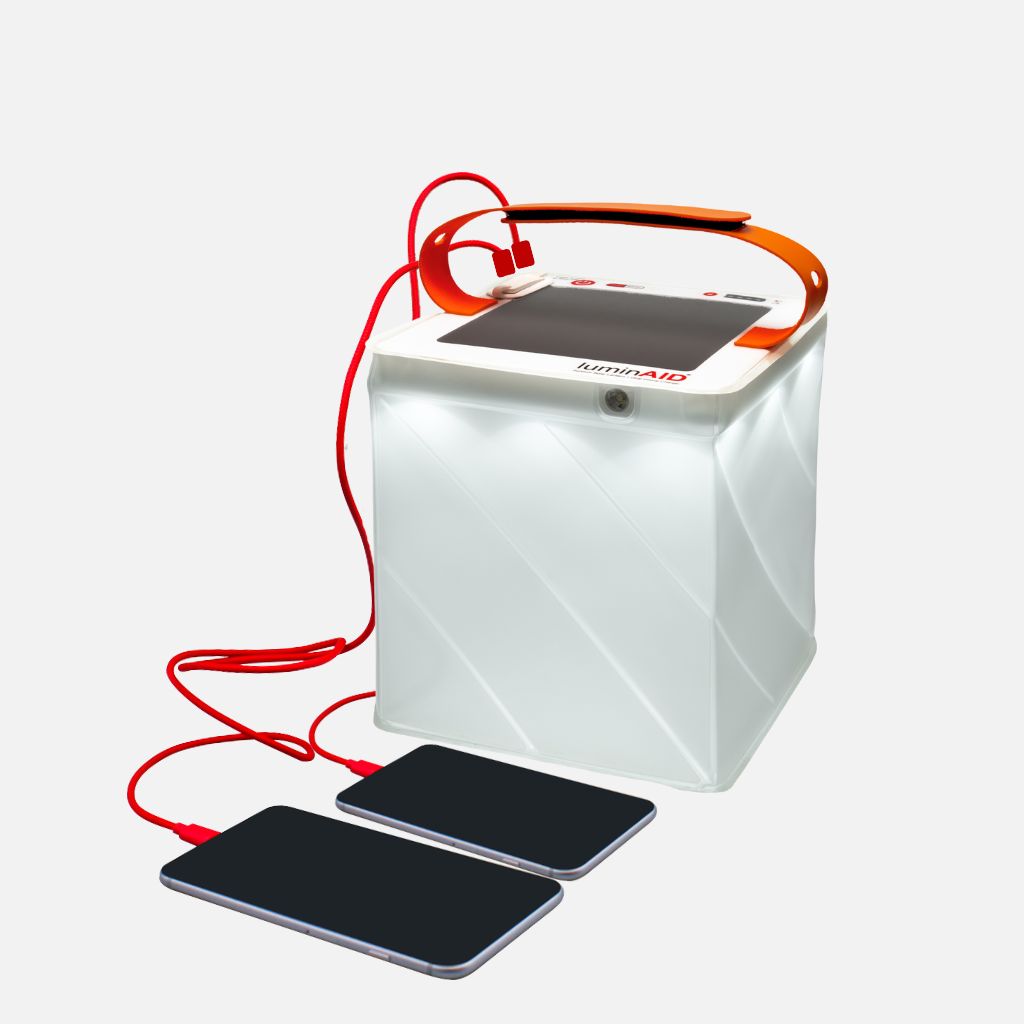
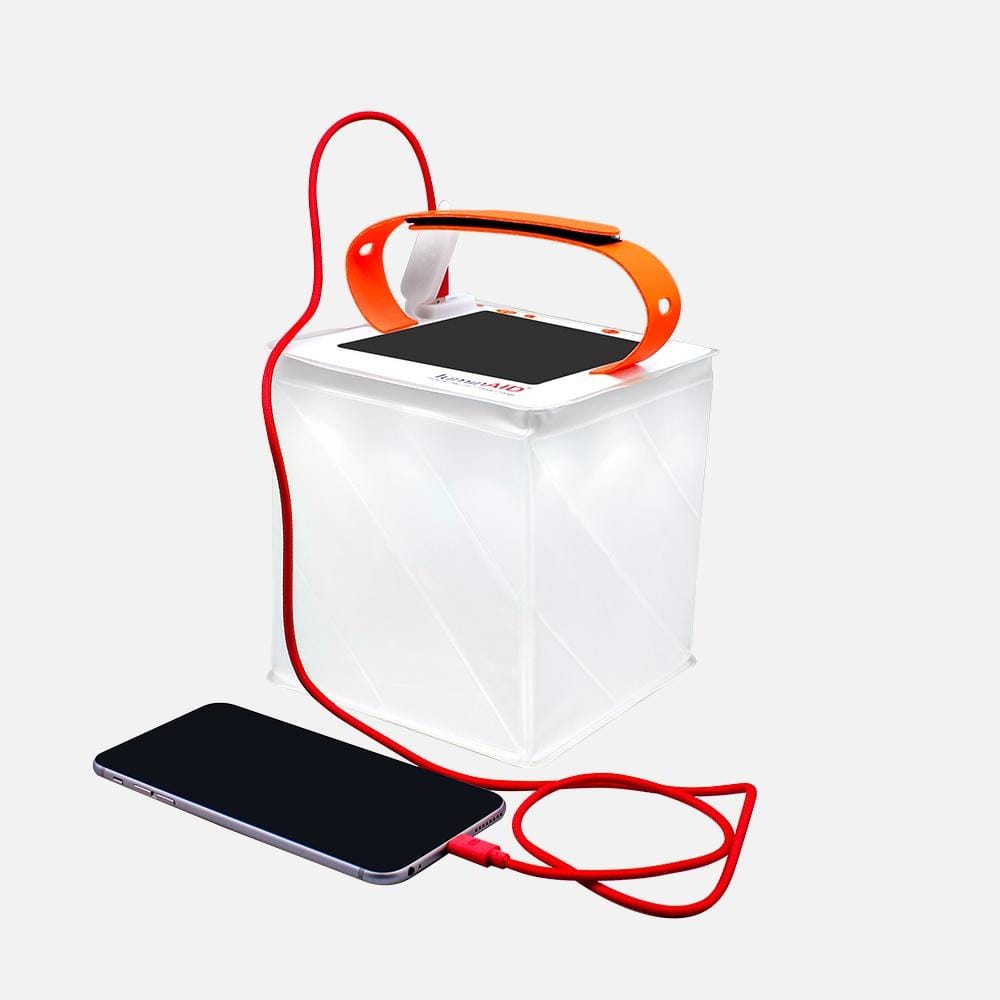
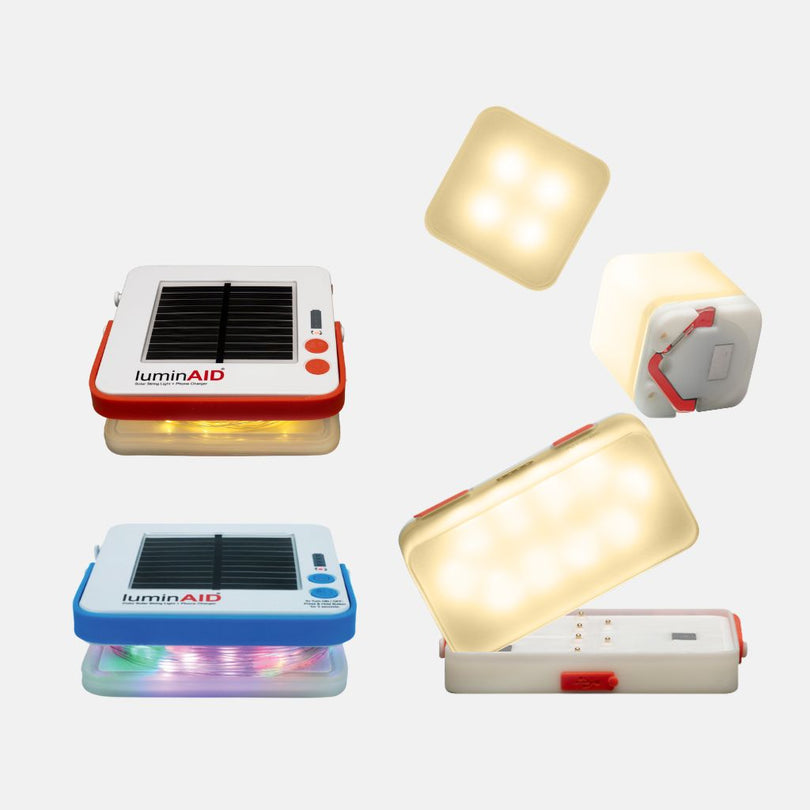
A solar-powered lantern and phone charger combo is the answer. These devices give you a serious edge in an emergency.
- Infinite Power: As long as you have sunlight, you have a limitless source of energy for both light and keeping your phone charged.
- Durability: Unlike flashlights with their fragile bulbs and battery contacts that can rust, a quality solar lantern is built tough to handle being dropped, tossed around, and exposed to the elements.
- Lightweight Design: Modern solar lanterns are incredibly light and pack down small, adding almost no weight to your kit while giving you maximum utility. You can find some excellent options for emergency lanterns that are designed specifically for these kinds of situations.
By adding a reliable lantern, you transform your kit from a simple box of supplies into an active tool for managing a crisis.
Integrating Power and Light Into Your Kit
Getting these items into your setup is easy. Just choose a compact, durable 2-in-1 lantern and charger. You can store it right inside your kit or clip it to the outside of your bag for easy access and to let it charge passively from any ambient light.
In an emergency, your ability to see what you are doing is fundamental. A reliable light source is not a luxury; it is a foundational piece of safety equipment.
Maintaining it is even simpler. Every few months, just take the lantern out and let it get a full solar charge in the sun. At the same time, use its power bank to top off your phone, which confirms both functions are working perfectly.
This simple habit ensures your emergency medical kit is always ready, giving you the power to see, communicate, and handle whatever comes your way. It’s a small step that provides a huge advantage when it matters most.
Personalizing For Children Pets And Unique Medical Needs
A generic first-aid kit from the store is a good start, but it's just not enough. To build a kit that will actually serve you in a crisis, you have to think about every member of your family—and that includes kids, pets, and anyone with specific health issues.
True preparedness comes from this next level of detail. A standard bandage or an adult-dose aspirin won’t cut it when you’re dealing with a screaming toddler or a diabetic family member. Taking a few extra minutes now to customize your kit is what turns it from a box of supplies into a real lifeline.
Customizing for Children
Dealing with a sick or injured child is stressful enough without scrambling for the right supplies. Your kit needs to cover their medical needs, but also their emotional ones. A little bit of comfort can go a long way.
- Kid-Friendly Meds: Stock liquid versions of pain and fever reducers like ibuprofen or acetaminophen. Never guess the dosage—always include a dosing syringe or cup to get it right every time.
- Specialized Supplies: Don't underestimate the power of fun, character-themed bandages to calm a child's fears. A reliable digital thermometer is also a must-have, since fevers in kids can spike quickly.
- Comfort Items: A small toy, a lollipop, or a favorite snack can be an amazing distraction. It helps keep a child calm while you’re trying to clean a scrape or take their temperature.
Preparing for Your Pets
Our furry family members rely on us completely, especially during an emergency. Many human medications and supplies are dangerous for animals, so having a dedicated section for your pet is non-negotiable.
In an emergency, your pet depends entirely on you. Having the right pet-specific supplies means you can handle common injuries like torn paw pads or minor wounds without causing further harm.
I recommend adding these items to your main kit or, even better, putting together a separate, small grab-and-go bag just for your pet:
- Pet-Safe Wound Care: Self-adhering bandages are fantastic. They stick to themselves, not to fur, which makes a huge difference.
- Essential Tools: A tick-removal tool is an absolute must, especially if you hike or live near wooded areas. You’ll also want a pet-safe antiseptic to clean out any cuts or scrapes.
- Useful Additions: An oral syringe is great for giving liquid medicine or flushing a wound. If you spend time outdoors where wildlife is a concern, some people even pack deterrents like Counter Assault bear spray, depending on the environment.
Addressing Unique Medical Needs
For anyone with a chronic condition like diabetes, asthma, or a severe allergy, their personal medical supplies are the single most important part of your kit. Running out of insulin or an inhaler during a power outage or evacuation can quickly turn a bad situation into a life-threatening one.
Make it an absolute rule to have at least a seven-day supply of all critical medications. This means insulin and testing supplies, emergency inhalers, and EpiPens. These aren’t optional—they are essential.
Finally, create a simple, laminated info card for every person and pet in your house. List their name, any medical conditions, known allergies, all current medications with dosages, and doctor/vet contact info. If you’re ever unable to speak for yourself, this card could give a first responder the exact information they need to save a life.
How To Maintain Your Kit For Constant Readiness
Putting together your emergency medical kit is a fantastic first step, but it’s just that—a first step. A kit you pack once and forget about is a disaster waiting to happen. Supplies expire, batteries die, and that one bandage you used and never replaced will create a critical gap right when you need it most.
Think of it less as a project and more as a simple, ongoing habit. A little bit of maintenance is all it takes to make sure your kit is always ready to go, giving you some serious peace of mind.
The Twice-A-Year Kit Audit
The easiest way I’ve found to stay on top of kit maintenance is to schedule a quick "Kit Audit" twice a year. An easy trick is to tie this to another chore you already do, like changing your smoke detector batteries when daylight saving time starts and ends. It makes it almost impossible to forget.
A well-maintained emergency medical kit isn't just a collection of supplies; it's a reflection of your commitment to readiness. Regular checks ensure that when an emergency strikes, your kit is a solution, not another problem.
This whole audit shouldn't take you more than 15-20 minutes, but it makes all the difference in an actual emergency.
Here’s a simple checklist to run through:
- Check Expiration Dates: Go through everything with a shelf life. We’re talking medications, antiseptic wipes, creams, and even some ointments.
- Restock Used Items: Did you grab a pain reliever or a few bandages since your last check? Now’s the time to replace them. Don't put it off.
- Inspect Packaging: Look over your sterile supplies like bandages and gauze. If the packaging is torn, damaged, or looks dried out, toss it. It's no longer sterile.
- Test Your Devices: If you have a digital thermometer, turn it on. For solar-powered gear like your lantern, take a moment to set it in the sun for a full charge.
Why Ongoing Maintenance Is Critical
The need for this kind of preparedness has never been more obvious. The market for emergency medical supplies is expected to jump from $218.65 billion in 2024 to $341.76 billion by 2033. Despite this, a shocking 43% of adults in the U.S. still don't have a basic first-aid kit at home.
When you’re personalizing your kit for pets, it's also smart to know which human medications are safe for them, like understanding if dogs can take Benadryl and at what dosage. This kind of knowledge is just as vital as the physical supplies you stock.
An emergency kit isn't truly complete without reliable light and power. At LuminAID, we design solar-powered lanterns and 2-in-1 phone chargers that are durable, lightweight, and always ready when you need them. Equip your kit with our dependable off-grid solutions and be prepared for anything. Explore LuminAID's solar lanterns and chargers today.