

A major winter storm can disrupt life for days or even weeks, knocking out power, blocking roads, and creating dangerous conditions. While the weather is unpredictable, your safety shouldn't be. Being prepared is the most critical step you can take to protect yourself, your family, and your home from the potentially severe impacts of ice, snow, and extreme cold. This comprehensive guide moves beyond generic advice, offering a detailed, multi-layered winter storm preparedness checklist designed to give you peace of mind.
This isn't just another list; it's a strategic action plan. Let's break down essential preparations by timeline (what to do now, when a storm is forecast, and during the event itself) and by location (home, car, and workplace). Our goal is to provide specific, actionable steps and recommendations, ensuring you have the supplies, knowledge, and confidence to weather any storm safely and comfortably.
You'll find detailed guidance from securing your home and understanding how to prevent your pipes from freezing to assembling a well-stocked vehicle kit. We'll also cover crucial topics like reliable off-grid power, emergency food and water storage, first-aid essentials from trusted sources like Adventure Medical Kits, and how to maintain communication when traditional systems fail. Consider this your definitive resource for complete winter readiness.
1. Emergency Lighting and Power Sources
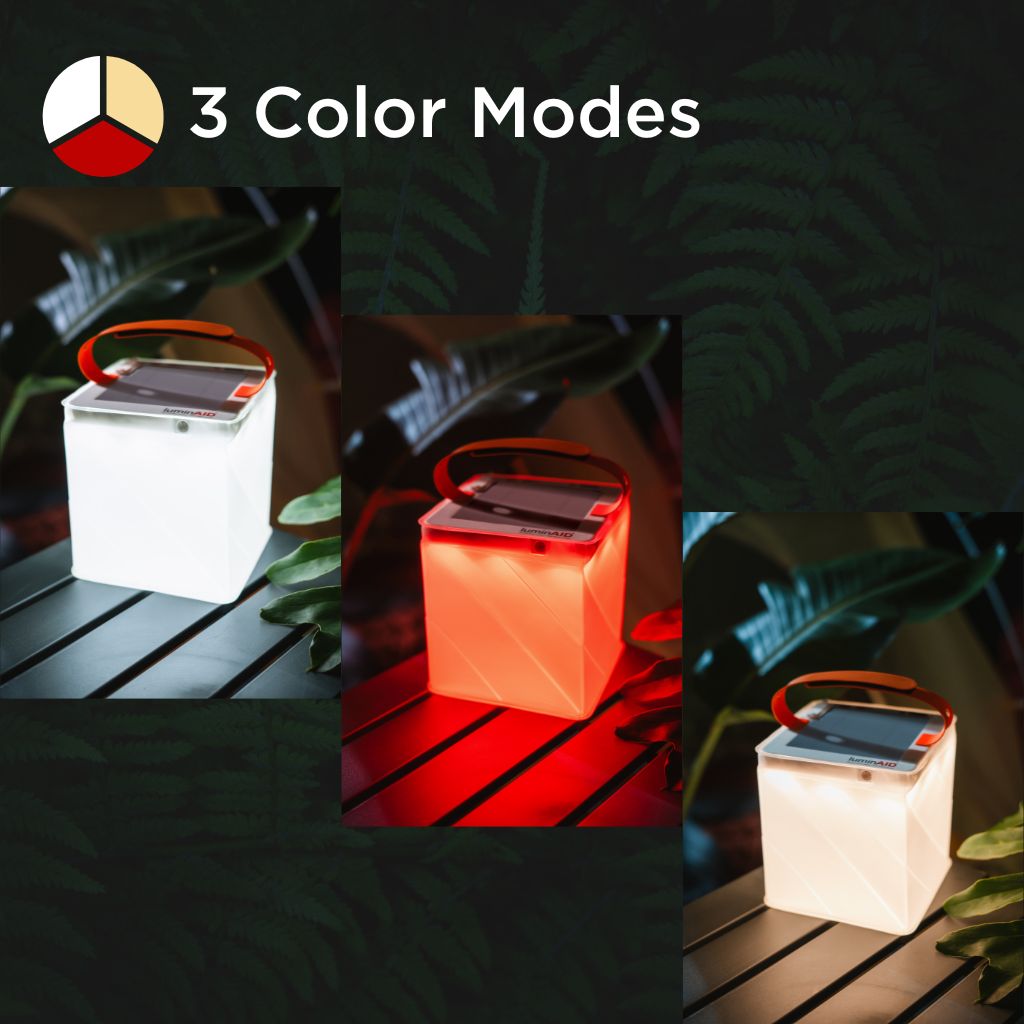
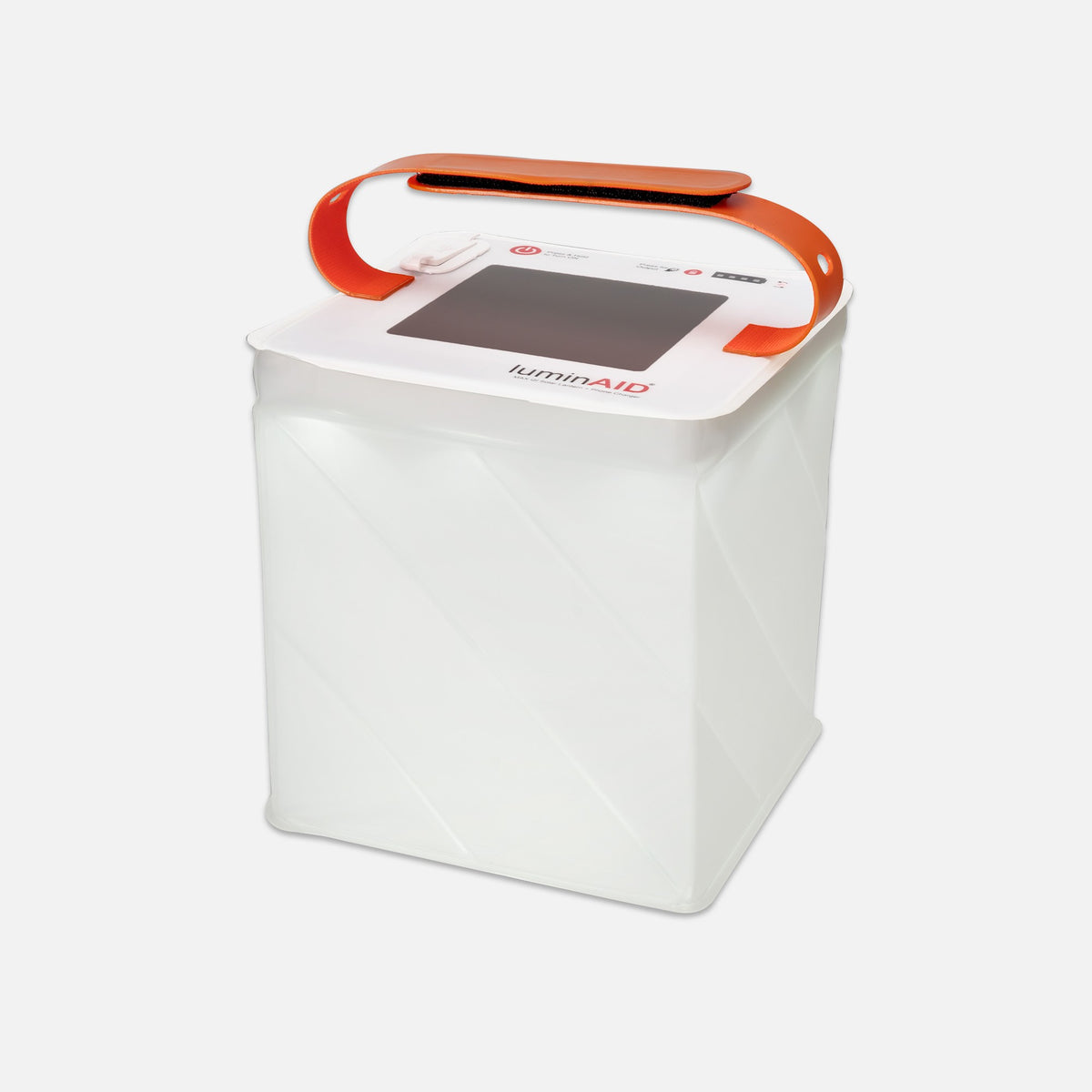
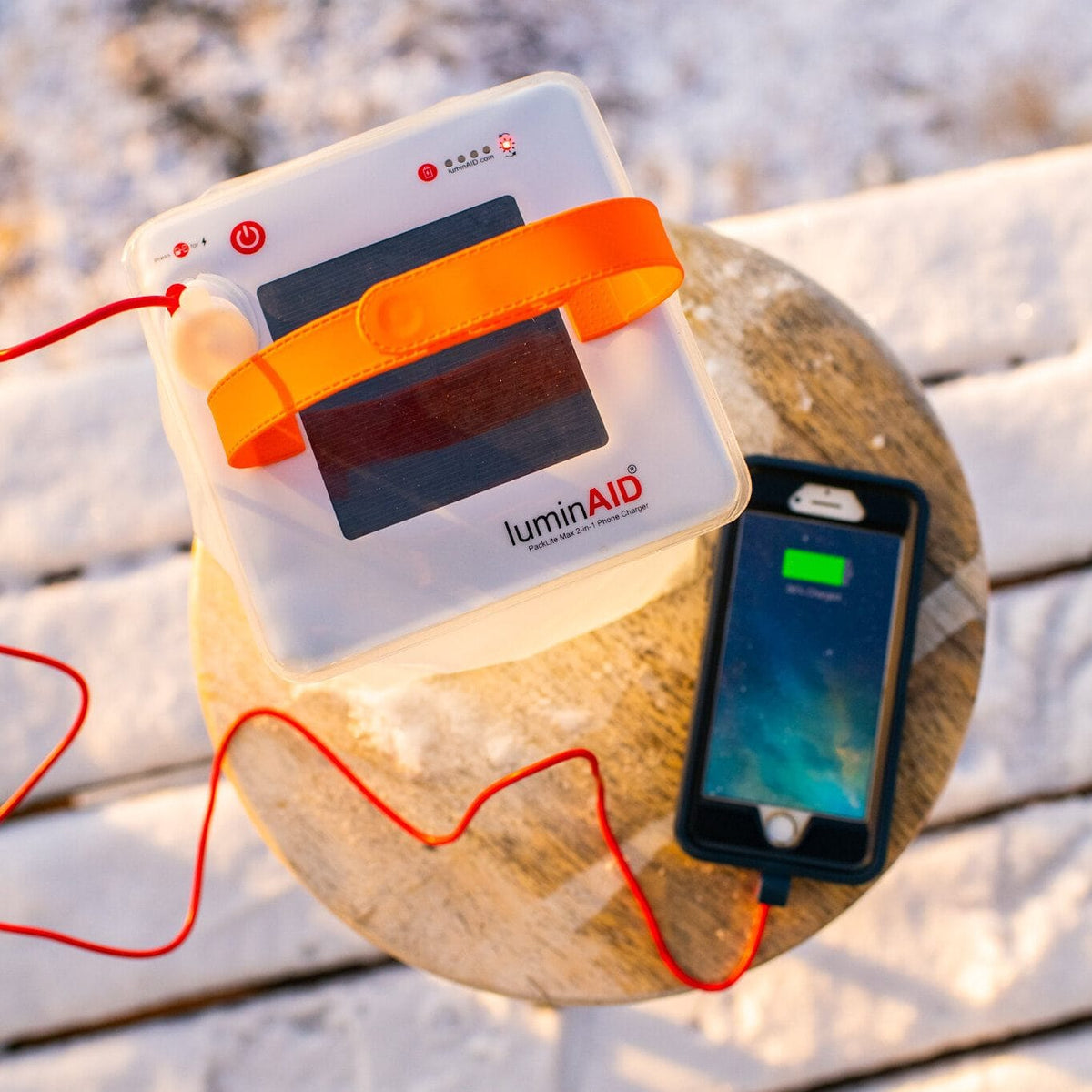
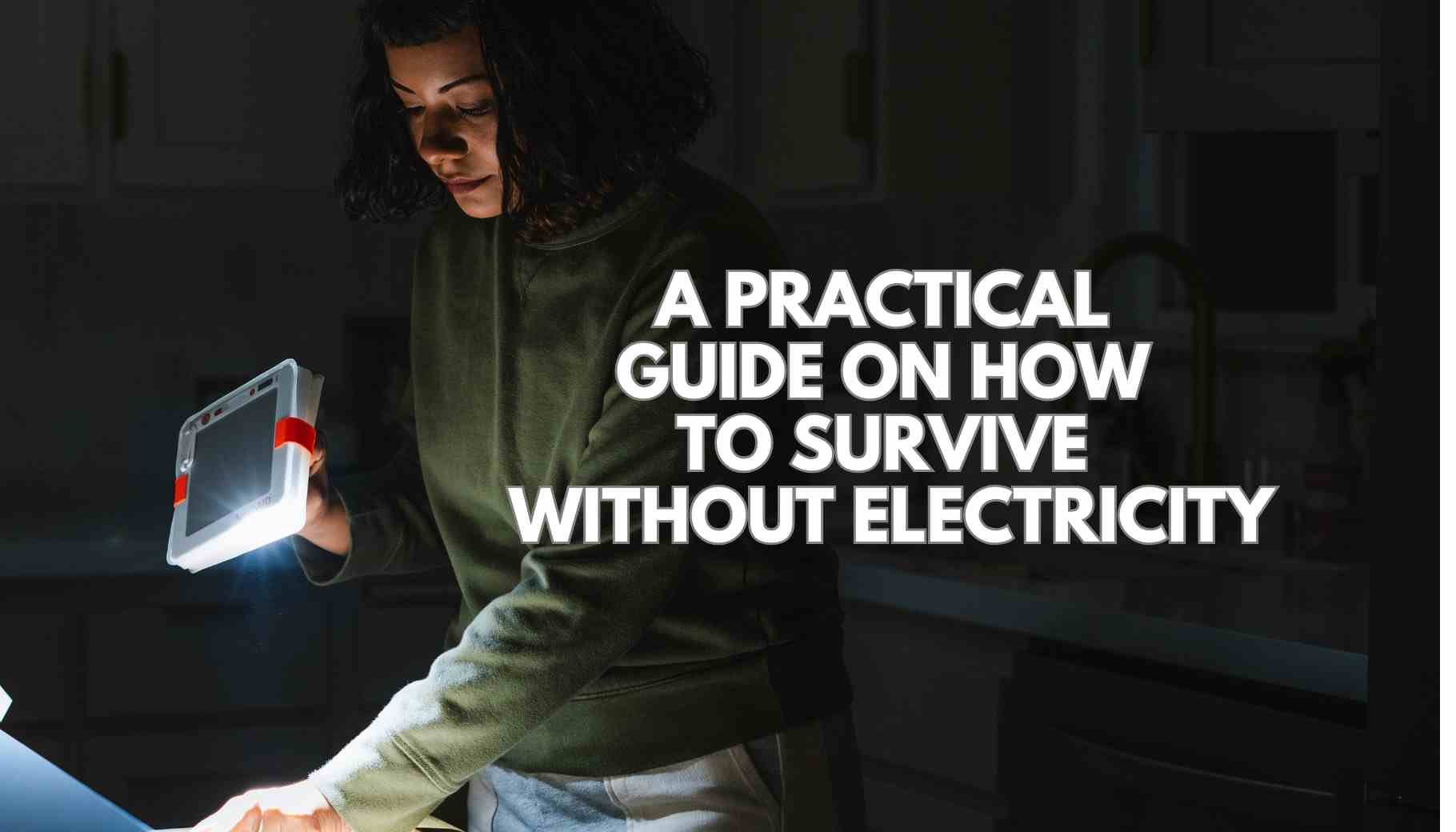
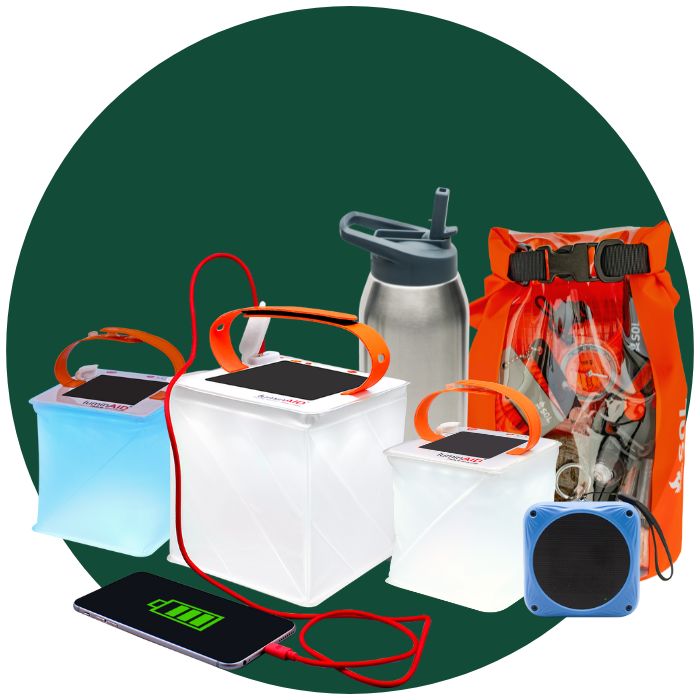
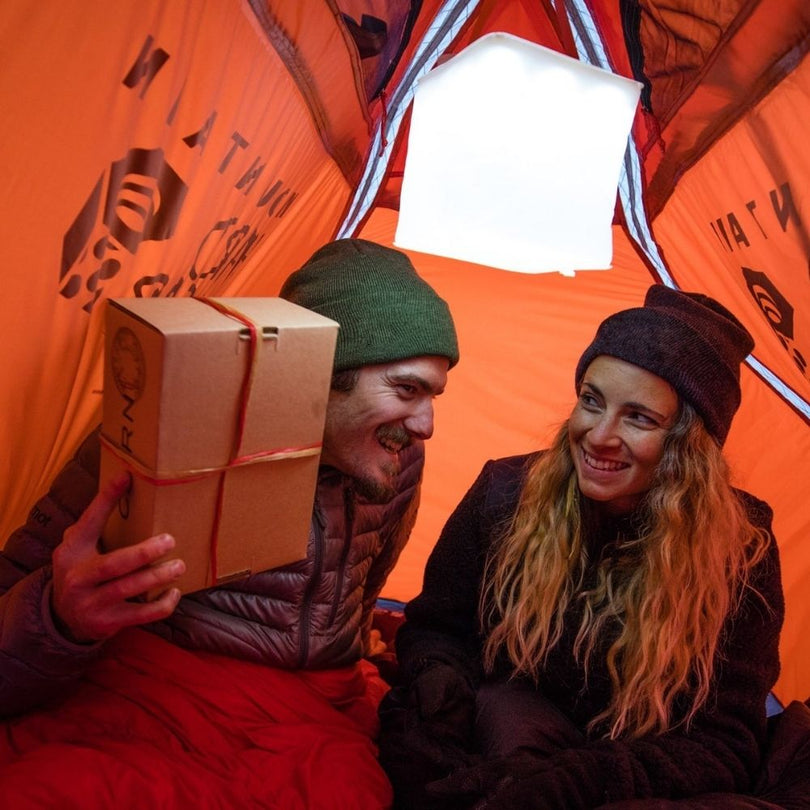
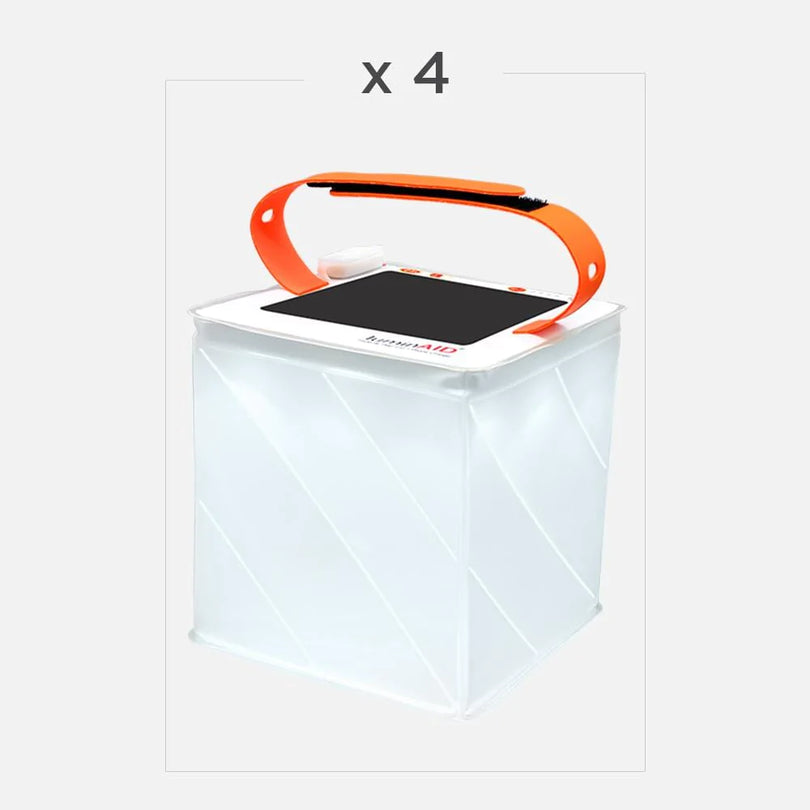
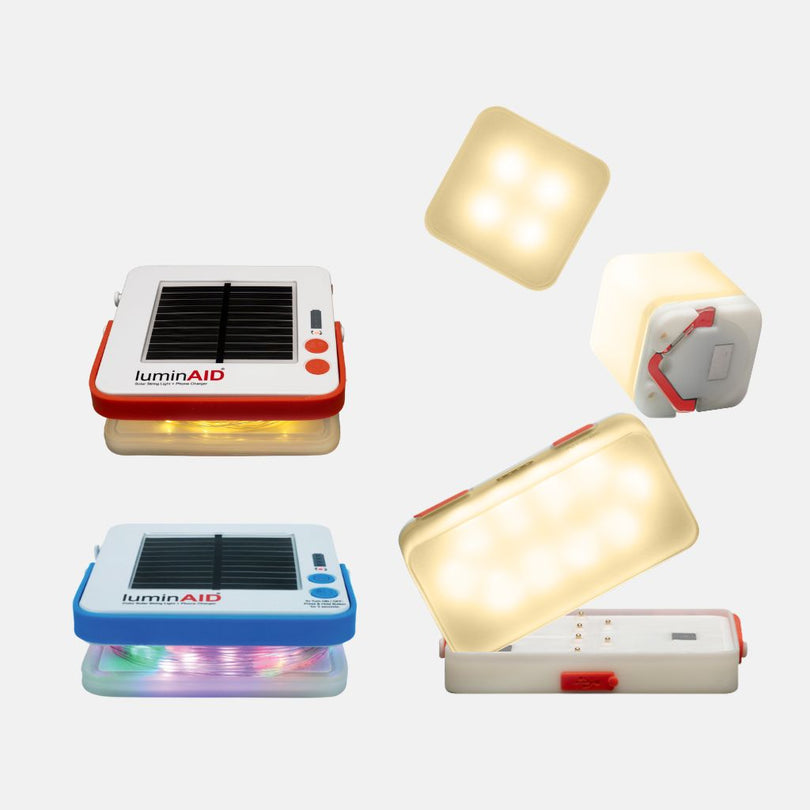
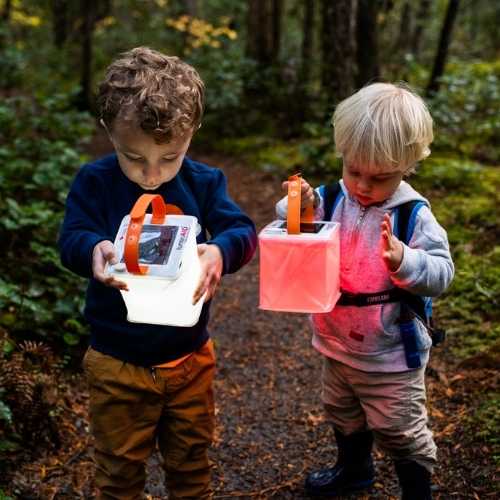
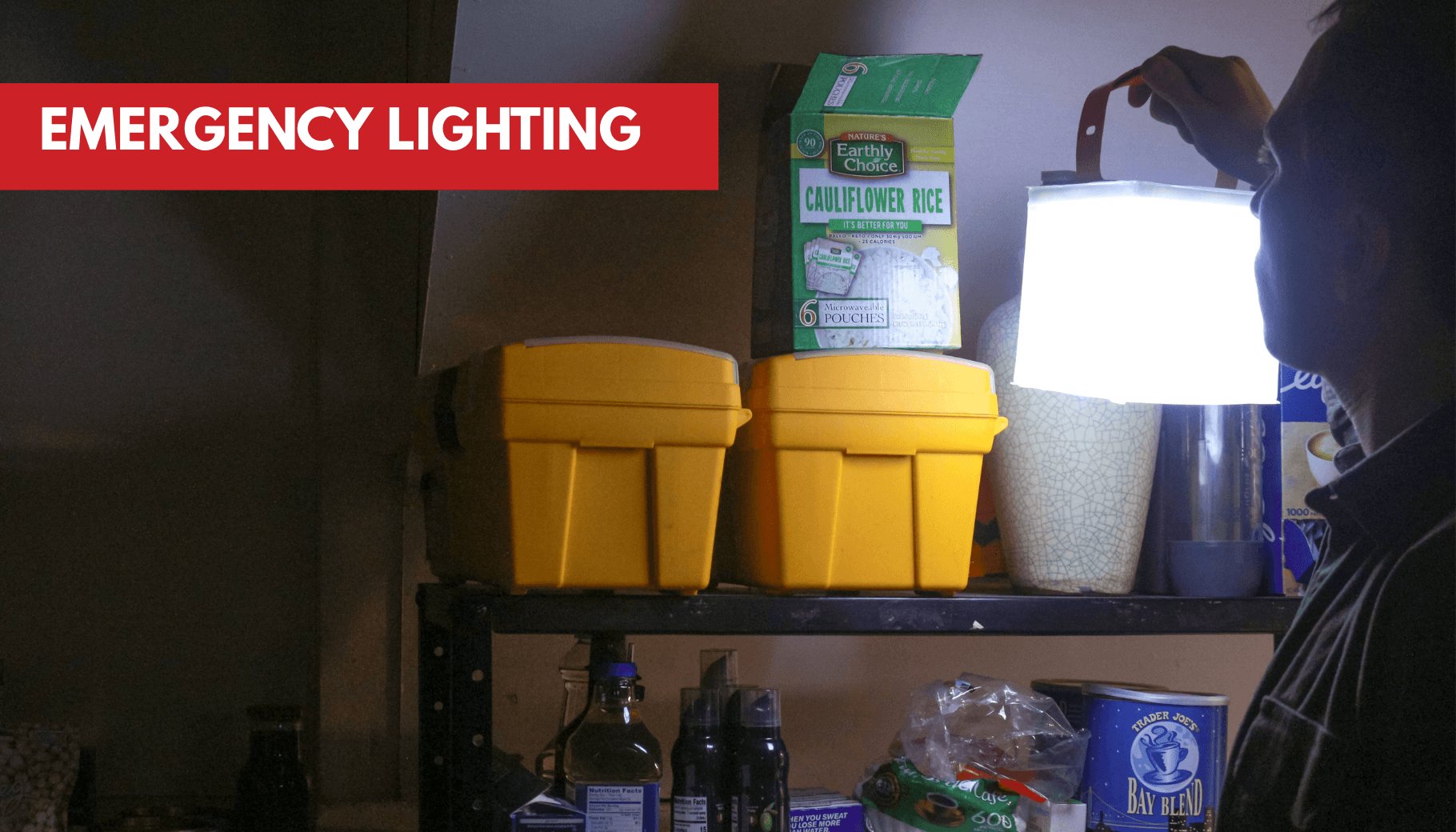
When a severe winter storm hits, the power grid can be the first to go, plunging homes into darkness for hours, days, or even weeks. Reliable, off-grid lighting and power sources are more than conveniences; they are cornerstones of a solid winter storm preparedness checklist. Traditional options like candles pose fire risks, and battery-powered flashlights can fail if you run out of spare batteries. Modern, sustainable solutions like solar-powered lanterns and portable chargers offer a safer, more dependable alternative for maintaining visibility, communication, and a sense of normalcy.
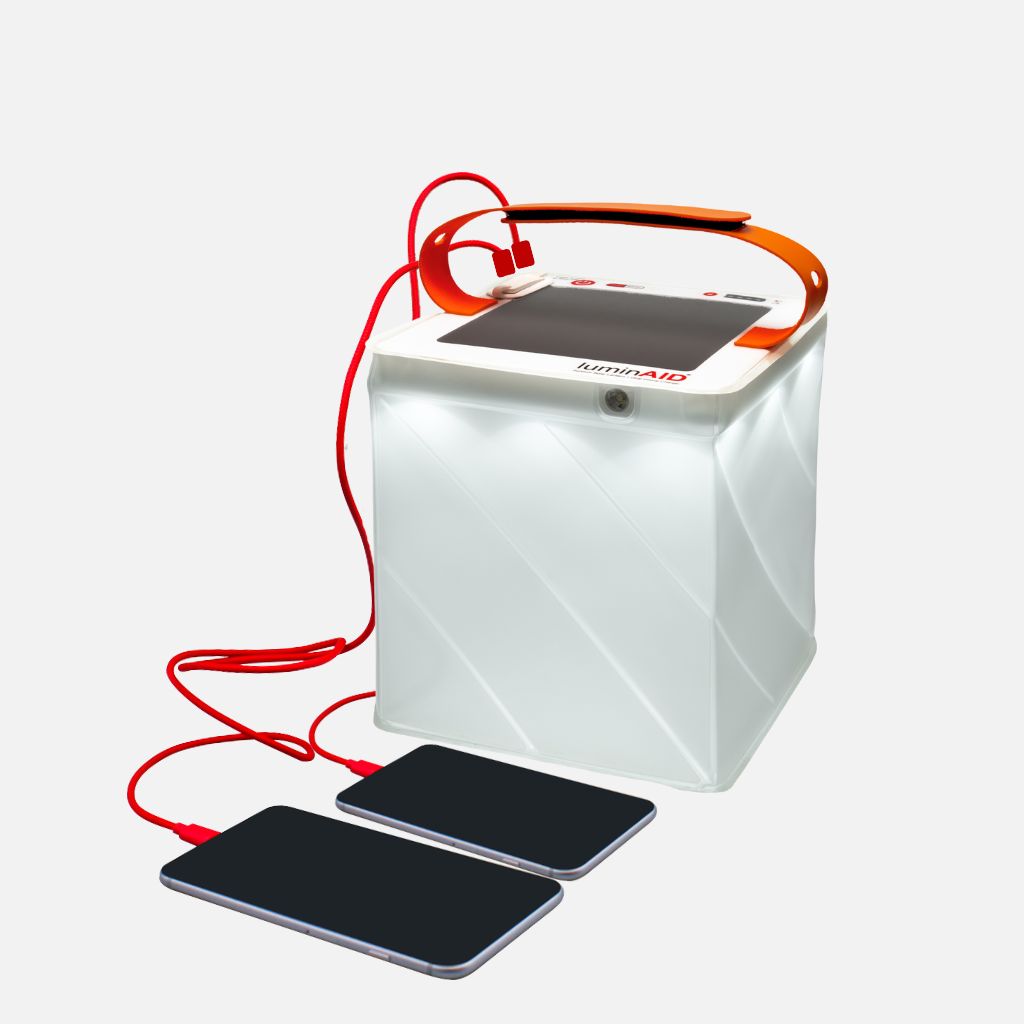
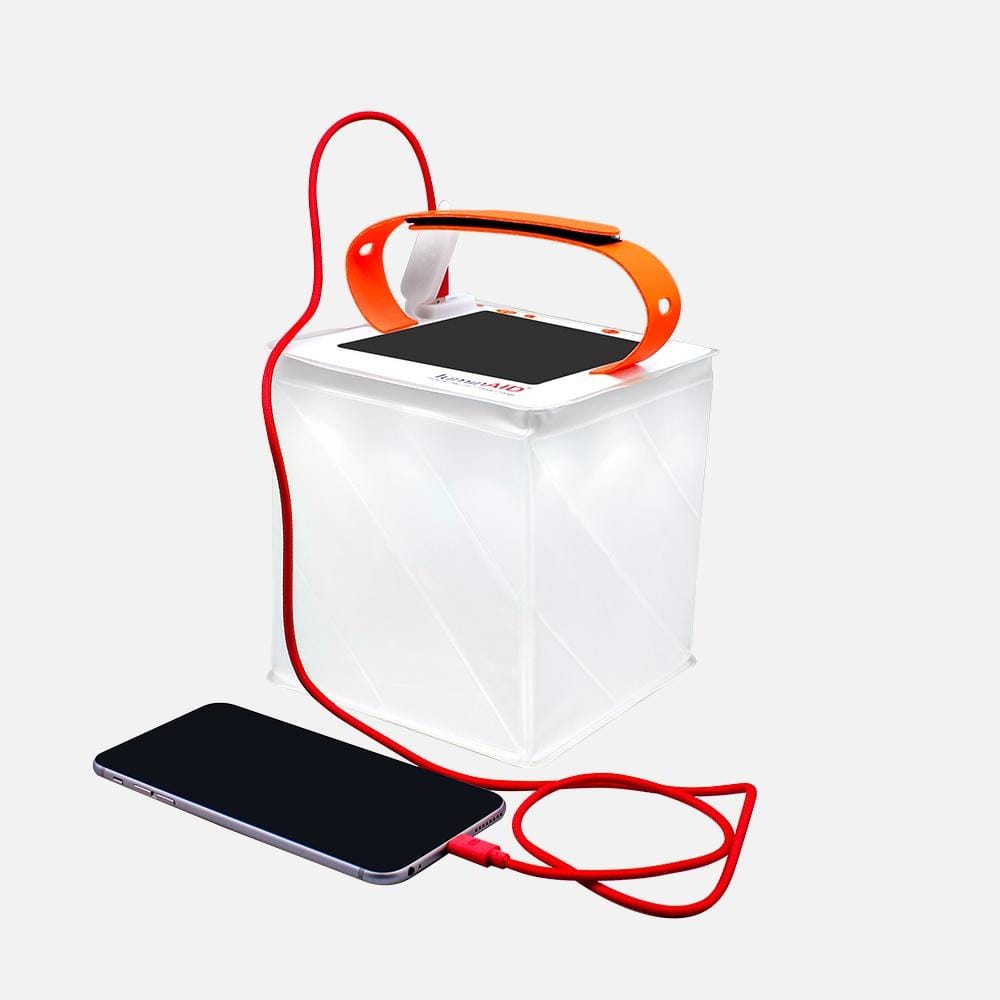
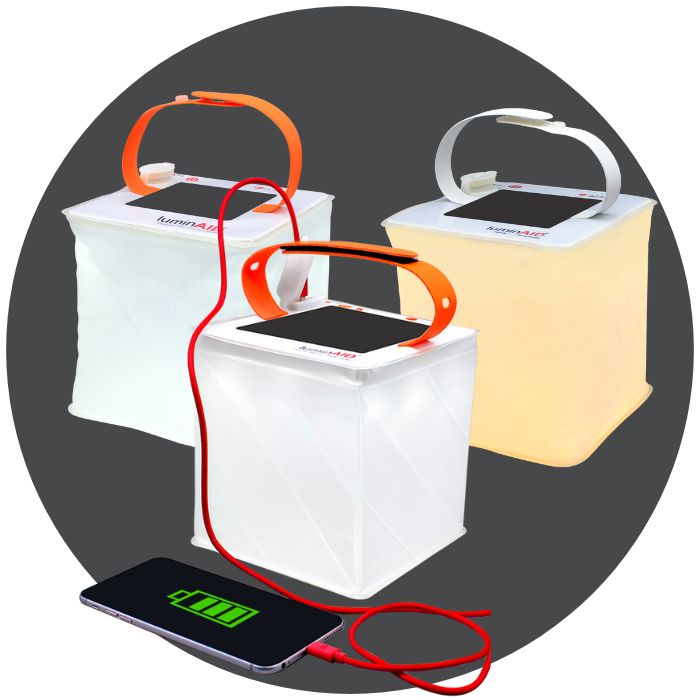
These devices harness solar energy, storing it in an integrated battery to provide light and charge essential electronics like smartphones long after the grid goes down. This capability is critical for receiving emergency alerts, contacting family, and keeping children entertained and calm during the stressful time.
Why Solar Power is a Game-Changer
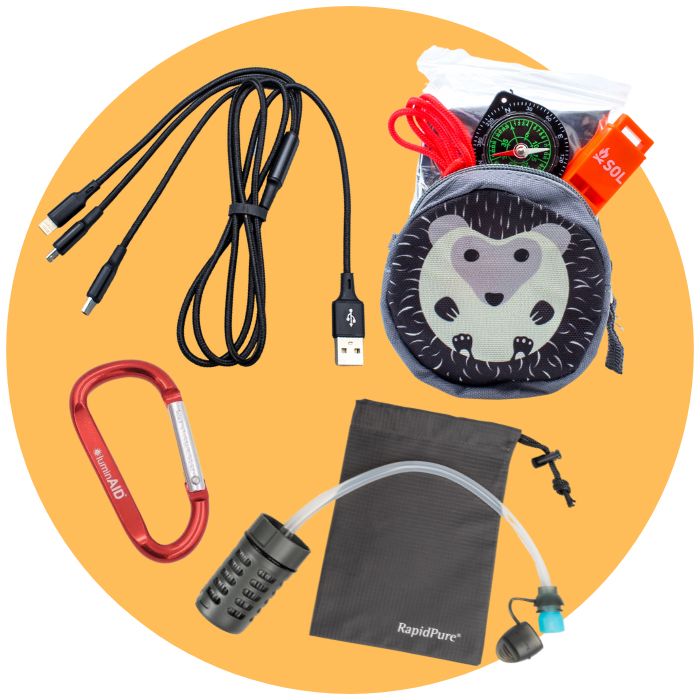
The effectiveness of solar-powered solutions during prolonged outages has been proven. During the 2021 Texas winter freeze, countless families relied on portable solar chargers to keep their devices powered when the state's energy infrastructure failed. Similarly, disaster relief organizations like World Central Kitchen and Mercy Corps frequently deploy LuminAID solar lanterns in response efforts, providing essential light to communities left in the dark. These lanterns are often included in high-quality emergency kits, including emergency items from brands like Survive Outdoors Longer, underscoring their importance in any preparedness strategy.
Actionable Preparedness Tips
To ensure your solar-powered gear is ready when you need it most, follow these practical steps:
-
Pre-Season Charge: Fully charge all solar lanterns and power banks via USB before winter begins. This gives you a full battery from the moment an outage occurs, with solar power available to recharge as needed.
-
Accessible Storage: Store your charged devices in a designated, easy-to-reach location, such as a "go-bag" or a central kitchen drawer. You don't want to be searching for them in the dark.
-
Protect Your Gear: Keep lanterns and chargers in waterproof bags or containers to shield their electronic components from potential water damage from snow, ice, or leaks.
-
Routine Checks: Test your devices monthly. Turn on the lights, cycle through brightness settings, and confirm the USB ports are charging a phone. This quick check ensures everything is in working order.
By integrating reliable solar lighting and power into your plan, you build resilience against the most challenging aspects of a winter storm. For a deeper dive into preparing your home, you can find more information about planning for a winter power outage on luminaid.com.
2. Emergency Food and Water Storage
A severe winter storm can easily sever access to grocery stores and compromise municipal water supplies, leaving your family isolated for days. An adequate reserve of non-perishable food and clean water is a fundamental part of any effective winter storm preparedness checklist. Relying on last-minute store runs is a flawed strategy, as shelves empty quickly. Having a well-stocked pantry ensures your family's health, safety, and comfort when you are snowed in.
The standard recommendation is to store a minimum of one gallon of water per person per day for at least three days, but a longer duration is wiser for winter storms. This supply covers drinking and essential sanitation needs. Paired with high-calorie, easy-to-prepare foods, these reserves provide the energy and hydration needed to endure the physical and mental stress of an emergency.
Why Food and Water Reserves are Critical
The importance of these reserves is consistently demonstrated in major weather events. For example, families in mountainous regions of Colorado and Wyoming routinely maintain extensive winter supplies, a practice that enables them to withstand being snowed in for a week or more. Government agencies like FEMA and the Red Cross establish these storage guidelines as a core tenet of national preparedness.
Actionable Preparedness Tips
To build a reliable food and water supply for winter storms, follow these practical steps:
-
Stock a Two-Week Supply: Aim for at least a 14-day supply of non-perishable food and water. This buffer accounts for prolonged storms and potential delays in road clearing and service restoration.
-
Prioritize High-Energy Foods: Include high-calorie items like peanut butter, nuts, dried fruit, protein bars, and canned goods (tuna, chicken, beans). Also, add comfort foods like chocolate or coffee to boost morale.
-
Label and Rotate: Clearly label all food and water containers with the date of purchase. Practice a "first-in, first-out" rotation system, using older items and replacing them with new ones to ensure freshness.
-
Store Properly and Include Tools: Keep your supplies in a cool, dark, and dry place to maximize shelf life. Crucially, store a manual can opener with your food; electric appliances will be useless in a power outage.
By dedicating space and effort to your emergency reserves, you create a vital safety net against the uncertainties of winter weather. You can explore more ideas for what to include by reviewing this guide to building a food for hurricane kit on luminaid.com, as the principles are highly transferable.
3. Adequate Shelter and Insulation Materials
When a winter storm brings frigid temperatures and high winds, your home's ability to retain heat becomes a critical survival factor. A power outage can quickly turn a comfortable house into a dangerously cold environment, making adequate shelter and insulation a non-negotiable part of any winter storm preparedness checklist. By reinforcing your home against heat loss with simple materials and planning a backup heating strategy, you create a safe haven to ride out the storm, protecting your family from hypothermia and frostbite.
This involves more than just turning up the thermostat; it's about actively preventing warmth from escaping through windows, doors, and other drafts. Sealing these vulnerabilities ensures that any heat you generate, whether from a central system or a backup source, remains inside where it is needed most.
Why Insulation is a Lifeline
The vital importance of a well-insulated shelter was starkly illustrated during the 2021 Texas winter freeze, where many families without power created "warm rooms" by sealing off a single space with blankets and plastic sheeting to concentrate body heat. Similarly, residents in Ukraine have utilized emergency insulation techniques to survive winter amid energy infrastructure challenges. Having materials like thermal blankets and weatherstripping on hand isn't just for comfort; it's a fundamental safety measure. High-quality emergency blankets, like those offered by Survive Outdoors Longer, can reflect up to 90% of radiated body heat, making them an essential tool for personal warmth.
Actionable Preparedness Tips
To fortify your shelter against extreme cold, implement these proactive measures:
-
Seal Air Leaks: Before winter arrives, inspect your home for drafts. Apply weatherstripping around doors and use caulk or sealant for gaps around windows, pipes, and electrical outlets.
-
Insulate Windows: Cover windows with heavy-duty clear plastic film or hang thick blankets or towels to create an insulating barrier. This simple step can significantly reduce heat loss.
-
Designate a "Warm Room": Identify the smallest, most insulated room in your house (preferably one with few or no windows) to serve as your primary living space during a prolonged outage.
-
Stock Up on Warmth: Ensure you have at least one high-quality sleeping bag or several thermal blankets for every person in your household. Store them in an accessible location.
4. Communication and Emergency Contact Systems
When winter storms sever power lines, they often take down cell towers and internet services too, cutting you off from vital communication channels. Having a reliable off-grid method to stay informed and in touch with loved ones is a non-negotiable part of any winter storm preparedness checklist. Without it, you can't receive critical safety alerts, call for help, or coordinate with family members. A multi-layered communication plan ensures you remain connected when modern networks fail.
This plan should include devices that don't depend on a functioning electrical grid or local cell service. A battery-powered or hand-crank NOAA weather radio provides official updates directly from the source, while a fully charged smartphone connected to a portable power bank allows you to make emergency calls and notify family of your status.
Why Redundant Communication is Critical
The importance of backup communication is highlighted in nearly every major weather event. During the widespread 2023 winter storms, countless families relied on NOAA weather radios to receive evacuation orders and shelter-in-place instructions when their internet and cable went out. Similarly, the American Red Cross emphasizes keeping charged mobile devices as a lifeline, enabling stranded individuals to coordinate rescue efforts. Organizations like the Red Cross and FEMA consistently place redundant communication systems at the forefront of their preparedness guidelines.
Actionable Preparedness Tips
To ensure your communication lines stay open during a storm, integrate these steps into your plan:
-
Power Your Devices: Charge all mobile phones, power banks, and rechargeable radios to 100% before the storm arrives. Use a 2-in-1 solar phone charger like a LuminAID device to keep them topped off during a prolonged outage.
-
Keep a Written List: Program emergency contacts into your phone but also keep a physical, waterproofed list of important numbers (family, doctors, insurance) in your emergency kit.
-
Tune In for Updates: Have a NOAA weather radio with fresh batteries ready. Listen for official alerts from the National Weather Service regarding storm progression, road closures, and emergency instructions.
-
Designate a Contact: Establish a single out-of-state friend or relative as a central point of contact for your family. It's often easier to reach someone long-distance than to make local calls during a regional disaster.
5. First Aid and Medications
A severe winter storm increases the risk of injuries, from slips on ice to accidents during snow removal, while also making it difficult to access medical care. Impassable roads and closed pharmacies can cut off access to essential prescriptions, turning a manageable situation into a critical one. A comprehensive first aid kit and a well-managed supply of medications are vital components of any winter storm preparedness checklist, ensuring you can handle minor injuries and maintain health during prolonged isolation.
Being prepared medically means you can address common winter-related ailments and injuries at home, reducing the strain on emergency services. It also provides peace of mind, knowing you have the necessary supplies to manage chronic conditions or unexpected health issues until professional help is available.
Why Medical Preparedness is Non-Negotiable
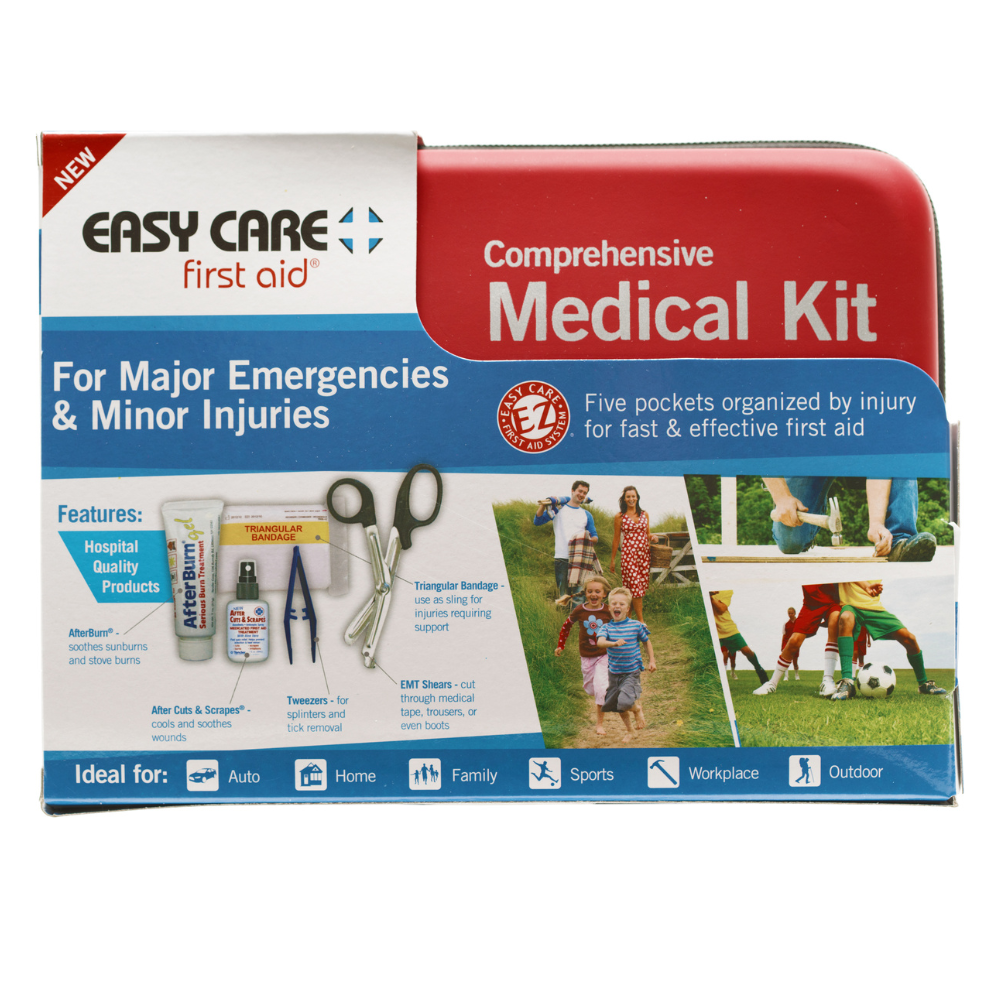
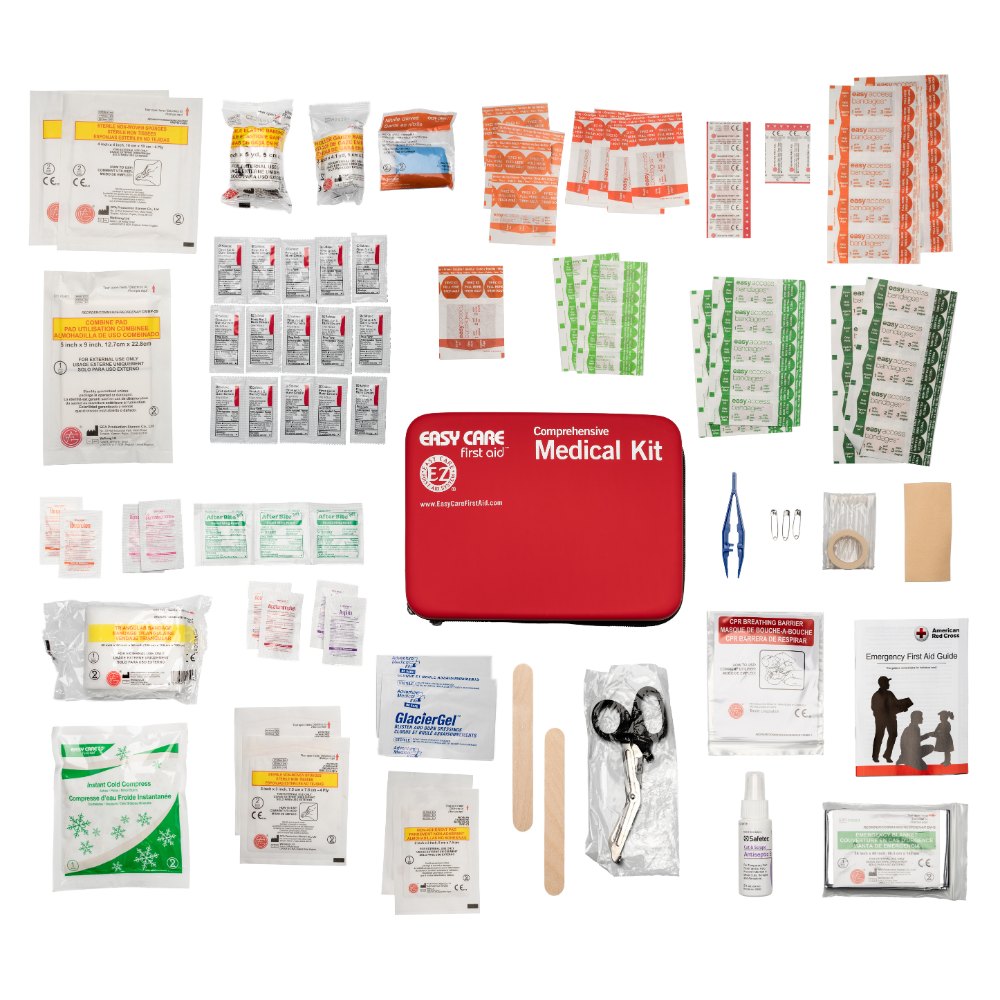
The importance of having medical supplies on hand is a core principle of disaster readiness, emphasized by organizations like the Red Cross. During widespread emergencies, such as the blizzards that regularly impact mountainous regions, residents often cannot reach a doctor or pharmacy for days. Those with chronic conditions are particularly vulnerable. Having a robust first aid kit, like those offered by Adventure Medical Kits, which are designed for specific environments and potential injuries, becomes a crucial lifeline. Similarly, ensuring an adequate supply of prescriptions can prevent dangerous health complications during an extended storm.
Actionable Preparedness Tips
To ensure your medical supplies are ready for a winter emergency, follow these essential steps:
-
Stock Up on Prescriptions: Before winter sets in, talk to your doctor and pharmacist about obtaining a 90-day supply of any essential medications. This preemptive measure prevents a crisis if you're snowed in.
-
Assemble a Winter-Specific First Aid Kit: Beyond standard bandages and antiseptics, include items for cold-weather injuries. Add hand warmers for preventing frostbite, a digital thermometer to monitor for hypothermia, and extra cold and flu medicine.
-
Proper Storage: Store medications in a cool, dry place away from extreme temperature fluctuations that could reduce their effectiveness. Keep the first aid kit in a centralized, easily accessible location known to everyone in the household.
-
Quarterly Supply Check: Every three months, review your first aid kit and medication stockpile. Check all expiration dates, replenish any used items, and replace anything that is expired or damaged.
6. Battery, Generator, and Alternative Power Storage
While a single power source is good, true resilience during an extended winter outage comes from having a layered system of power. Redundant sources like battery banks, generators, and alternative storage are essential components of any robust winter storm preparedness checklist. When the grid is down for an unknown duration, these systems ensure you can power everything from critical medical devices and refrigerators to lights and communication tools, maintaining a vital lifeline to safety and normalcy.
A multi-faceted approach allows you to allocate power strategically. For instance, high-capacity generators can handle heavy loads like appliances, while portable solar chargers and lanterns maintain essential lighting and keep smartphones operational. This strategy conserves fuel and maximizes the longevity of your power reserves throughout a prolonged event.
Why a Redundant Power Strategy is Critical
The value of a diverse power strategy was powerfully demonstrated during the 2021 Texas winter storm, where families with multiple options, including solar power banks, navigated the extended blackout more effectively. Humanitarian efforts also prove this model's success; LuminAID's Give Light program, for instance, distributes solar-powered devices as part of relief efforts in places like Ukraine, providing reliable, off-grid power where infrastructure is compromised. FEMA consistently recommends backup power systems, reinforcing the need for layers of preparedness to handle unpredictable situations.
Actionable Preparedness Tips
To build a reliable and redundant power plan, integrate these practical steps into your preparations:
-
Combine and Conquer: Pair different technologies for maximum effect. Use LuminAID solar lanterns for primary lighting to preserve your larger battery banks or generator fuel for critical devices like medical equipment or a space heater.
-
Pre-Charge Everything: Before winter arrives, fully charge all power banks, lanterns, and rechargeable batteries. A generator is useless without fuel, and a battery is useless without a charge.
-
Practice Generator Safety: Always operate generators outdoors in a well-ventilated area at least 20 feet away from doors, windows, and vents to prevent deadly carbon monoxide poisoning.
-
Perform Monthly System Checks: Test all your power systems regularly. Start the generator, check fuel levels, and confirm your power banks and solar devices are holding a charge. Quality emergency kits from brands like Adventure Medical Kits often have space for these essential power items.
By creating a layered power strategy, you move beyond basic preparedness and build a truly resilient system capable of weathering even the most severe winter storms. For more ideas on integrating power into your emergency kit, explore the range of solutions at luminaid.com.
7. Snow Removal and Ice Management Equipment
After a winter storm passes, the danger isn't over. Heavy snow and slick ice can trap you in your home, block emergency vehicle access, and create hazardous walking conditions. Having the right tools on hand is a critical component of any winter storm preparedness checklist, allowing you to clear paths, maintain safety, and restore a sense of normalcy. Without effective snow and ice management equipment, you risk isolation, slip-and-fall injuries, and delays in receiving critical assistance.
Proper tools, from ergonomic shovels to effective ice melt, ensure you can maintain mobility and prevent accidents on your property. This preparation is not just about convenience; it's about ensuring your home remains accessible and safe for your family and first responders if the need arises.
Why Proactive Clearing is Essential
The importance of immediate snow removal is recognized by municipalities across the northern United States. Many cities, like those in Colorado and the Northeast, have strict ordinances requiring residents to clear public sidewalks adjacent to their property within a specific timeframe after a storm. This isn't just for regulatory compliance; it's a proven public safety measure. During major blizzards, news outlets frequently highlight communities where neighbors coordinate shared snow removal efforts, demonstrating the collective benefit of being well-equipped and ready to act.
Actionable Preparedness Tips
To ensure you can safely manage snow and ice, integrate these steps into your winter storm plan:
-
Stock Up Early: Purchase snow shovels, ice scrapers, and pet-safe ice melt before the first storm warning. Stores often sell out of these essentials once a storm is imminent.
-
Prioritize Health & Safety: Shoveling snow is strenuous and can trigger heart attacks. Know the warning signs, take frequent breaks, and stay hydrated. Consider including a first-aid kit, like those from Adventure Medical Kits, in your accessible gear.
-
Maintain Your Equipment: Before winter, inspect your shovels for cracks and sharpen any metal edges. If you have a snow blower, perform annual maintenance like changing the oil and checking the spark plug.
-
Strategic Storage: Keep your snow removal tools in a location you can easily access even after heavy snowfall, such as a garage or shed near a door. Don't let a snowdrift block you from the very tools you need to clear it.
By equipping yourself with the proper snow and ice management gear, you empower yourself to tackle the aftermath of a storm safely and effectively, ensuring your property remains a safe haven rather than a hazard.
8. Vehicle Winter Preparedness and Emergency Kits
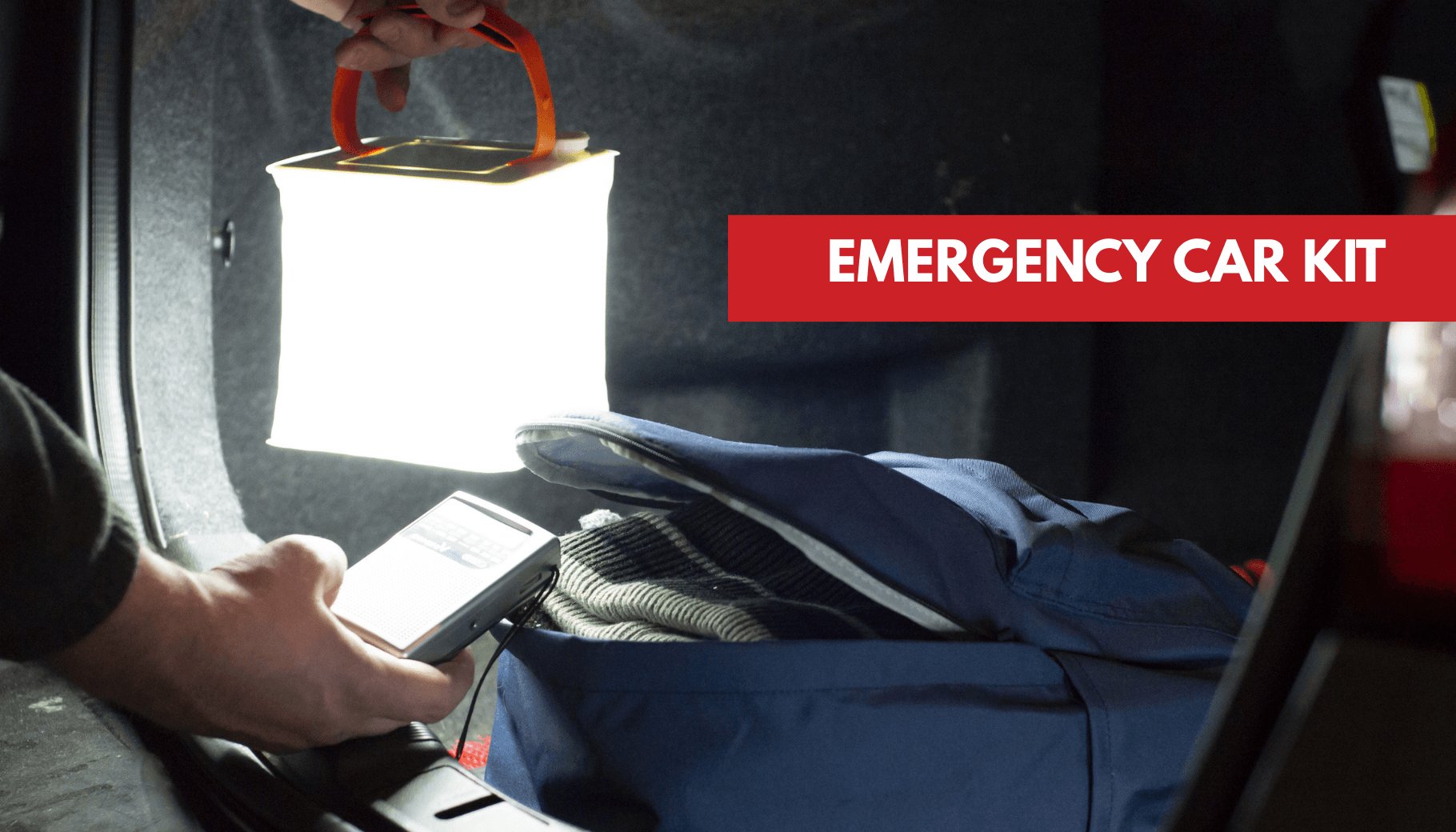
A winter storm can quickly turn a routine drive into a life-threatening situation, stranding vehicles for hours or even days. Being stuck on a desolate highway or a snowed-in street leaves occupants dangerously exposed to extreme cold. A well-stocked vehicle emergency kit and proper winter maintenance are crucial components of any winter storm preparedness checklist, providing the necessary tools for survival and potential self-rescue until help can arrive. These kits move beyond basic jumper cables, including essential supplies like thermal blankets, food, water, and reliable light sources.
Having these resources on hand can mean the difference between a dangerous ordeal and a manageable inconvenience. The goal is to create a self-sufficient environment within your vehicle, allowing you to stay warm, hydrated, and connected while awaiting assistance.
Why a Vehicle Kit is Non-Negotiable
The importance of vehicle preparedness is highlighted in nearly every major winter weather event. During the 2022 winter storms that paralyzed parts of the country, state highway patrols reported numerous incidents where stranded families relied entirely on their car emergency kits for survival. Recommendations from organizations like AAA and state transportation agencies consistently emphasize that a dedicated vehicle kit is as critical as having a full tank of gas. Items from established brands like Survive Outdoors Longer often contain core survival items like emergency blankets and fire starters, forming a solid foundation for your vehicle's preparedness supplies.
Actionable Preparedness Tips
To ensure your vehicle is a safe haven during a winter emergency, take these proactive steps:
-
Build Your Kit: Assemble a kit with high-energy snacks, water, extra hats and gloves, a first-aid kit, a small shovel, and sand or cat litter for traction. Include thermal blankets, which are more effective than standard ones.
-
Maintain Your Vehicle: Before winter hits, have your battery tested, check your antifreeze levels, and ensure your tires are properly inflated and have adequate tread. An important part of vehicle preparedness involves making informed decisions about your tires. This includes understanding the differences between summer and winter tires to maximize traction and safety.
-
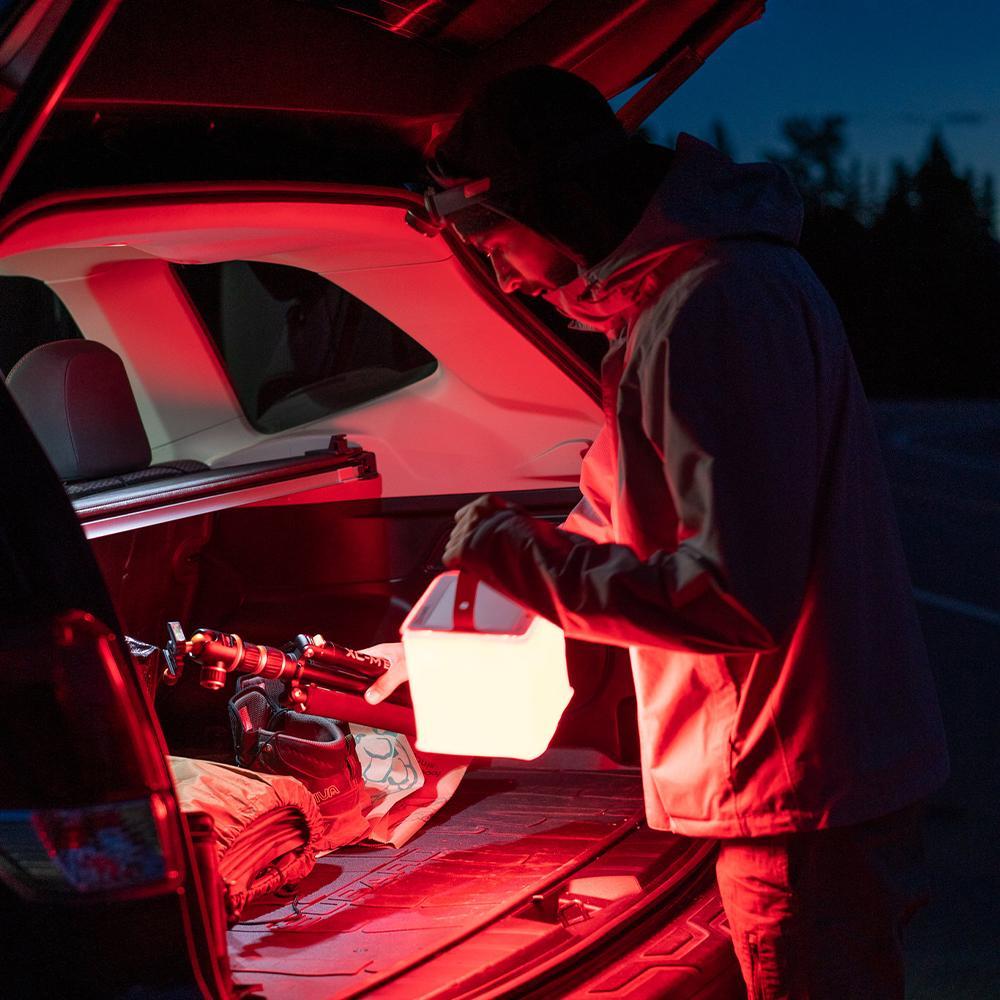
Include Reliable Power: Store a solar-powered lantern and a 2-in-1 phone charger in your glove compartment. Using a solar light avoids draining your car's battery, a critical consideration when you may need to start the engine periodically for heat.
-
Keep it Accessible: Store your kit in a duffel bag or plastic bin in your trunk, but keep essential items like your phone charger, a blanket, and a light source within reach inside the main cabin.
By treating your vehicle as a mobile shelter, you extend your preparedness beyond the walls of your home. For more ideas on what to include, you can build upon the principles for creating a comprehensive go-bag on luminaid.com.
9. Document Protection and Important Records
Winter storms bring more than just snow and ice; they can cause flooding from burst pipes, fire from faulty heating sources, and structural damage that can destroy irreplaceable documents. Protecting your critical records is an essential but often overlooked part of a winter storm preparedness checklist. Without access to insurance policies, deeds, and personal identification, the recovery process can become a bureaucratic nightmare, delaying your ability to receive benefits and restore normalcy.
Ensuring these vital papers are safe and accessible means you can prove ownership, file insurance claims, and apply for disaster assistance without delay. It's about securing your financial and legal identity when the physical structure of your home may be compromised.
Why Document Protection is Crucial
The importance of secure records becomes clear in the aftermath of a disaster. Following major storms, FEMA consistently advises survivors to have documentation ready to apply for federal aid, and homeowners who can quickly produce an itemized inventory with photos often experience a smoother insurance claims process. Legal and financial experts recommend this strategy as a best practice for risk management, ensuring you can rebuild your life with minimal friction. A well-organized, protected set of documents is your key to a faster and more efficient recovery.
Actionable Preparedness Tips
To safeguard your essential records before a storm hits, implement these practical steps:
-
Create a Digital Archive: Use your smartphone or a scanner to create digital copies of all critical documents: IDs, birth certificates, social security cards, insurance policies, and deeds. Store these files in a secure, password-protected cloud service.
-
Invest in Secure Storage: Place original documents in a waterproof and fireproof safe or lockbox. If you don't have one, even a heavy-duty waterproof bag stored in the highest, most central part of your home offers some protection.
-
Compile a Household Inventory: Before a storm, use a solar lantern for clear, reliable light to walk through your home and photograph valuable items. This visual record is invaluable for insurance claims.
-
Keep Copies Off-Site: Store physical or digital copies of your most important documents with a trusted family member or in a safe deposit box. This redundancy ensures you can access them even if your home is inaccessible.
By securing your documents, you are protecting your future and simplifying the recovery process. For more on building a comprehensive emergency kit, explore the tools and supplies offered by providers like Adventure Medical Kits.
10. Sanitation and Hygiene Supplies
When a winter storm knocks out power, it can also disrupt municipal water and sewer systems, creating a significant sanitation challenge. Without running water or flushing toilets, homes can quickly become unhygienic, increasing the risk of illness. Having a dedicated stock of sanitation and hygiene supplies is a critical, though often overlooked, part of a comprehensive winter storm preparedness checklist. These supplies are essential for maintaining personal health, dignity, and a safe living environment during a prolonged utility outage.
Properly managing waste and hygiene prevents the spread of bacteria and disease, which is especially important when families are confined indoors. A well-thought-out sanitation plan ensures your household can handle basic needs safely and effectively, protecting everyone's health until normal services are restored.
Why Sanitation is a Priority
The importance of sanitation during a crisis cannot be overstated. During the 2021 Texas winter storm, widespread water main breaks and power failures left many communities unable to flush toilets, forcing them to improvise unsafe waste disposal methods. In response, relief organizations prioritized distributing sanitation kits. Similarly, a key component of any high-quality emergency kit, such as those from Adventure Medical Kits, is a robust hygiene and sanitation module. Having these items on hand means you are self-reliant and prepared to maintain health standards regardless of external conditions.
Actionable Preparedness Tips
To ensure your family’s hygiene and sanitation needs are met, integrate these steps into your emergency plan:
-
Calculate Your Needs: Stock at least a three-day supply of essentials per person. This includes toilet paper, wet wipes, hand sanitizer, soap, and feminine hygiene products. For a longer-term outage, plan for a week or more.
-
Create a Sanitation Station: Designate one bathroom for emergency use. Equip it with a portable camping toilet or heavy-duty trash bags and a bucket. Ensure you have cat litter or sawdust to help control odors.
-
Safe Lighting: Use a waterproof, solar-powered lantern like a LuminAID light for safe, non-toxic illumination in the bathroom. This avoids the fire hazard of candles in a small, enclosed space.
-
Store and Rotate: Keep your sanitation supplies in a cool, dry, and accessible location. Check expiration dates on items like hand sanitizer and wet wipes quarterly, rotating them into regular use to ensure your emergency stock is always fresh.
10-Point Winter Storm Preparedness Comparison
| Item | Implementation Complexity 🔄 | Resource Requirements ⚡ | Expected Outcomes 📊 | Ideal Use Cases | Key Advantages ⭐ | Quick Tips 💡 |
|---|---|---|---|---|---|---|
| Emergency Lighting and Power Sources | Low 🔄 — plug-and-play; periodic charging | Low ⚡ — compact solar lanterns & chargers | High 📊 — maintains visibility and device comms | Power outages, indoor sheltering, kits | High quality ⭐ — off-grid, reusable, low waste | Charge before season; store waterproof bags |
| Emergency Food and Water Storage | Low–Moderate 🔄 — procurement & rotation | Moderate ⚡ — storage space and shelf-stable food | Critical 📊 — sustains basic needs for days–weeks | Isolated homes, long-term outages, evacuations | Reliable ⭐ — low-cost, familiar nutrition | Keep 2-week supply; label dates; rotate |
| Adequate Shelter and Insulation Materials | Moderate 🔄 — prep and installation time | Low–Moderate ⚡ — materials & backup heaters | High 📊 — preserves heat; reduces hypothermia risk | Cold homes, power loss, shelter consolidation | Effective ⭐ — cost-saving, incremental upgrades | Pre-buy weatherstripping; pick smallest heated room |
| Communication and Emergency Contact Systems | Low–Moderate 🔄 — setup & routine charging | Low–High ⚡ — radios to satellite phones | High 📊 — enables coordination & alerts | Widespread outages, evacuation, family check-ins | Essential ⭐ — redundancy for warnings & help | Program contacts; keep chargers and NOAA radio |
| First Aid and Medications | Low–Moderate 🔄 — assemble kits & manage refills | Low–Moderate ⚡ — supplies and prescription stock | High 📊 — prevents complications, maintains meds | Injuries, medication access disruption, remote areas | Vital ⭐ — maintains health continuity | Request 90-day meds; store controlled temp; check expirations |
| Battery, Generator, and Alternative Power Storage | Moderate–High 🔄 — installation and safe operation | High ⚡ — batteries, panels, fuel, maintenance | High 📊 — prolonged power for critical loads | Extended outages, off-grid homes, medical needs | Robust ⭐ — multi-source redundancy & sustainability | Combine solar+battery; store fuel safely; test monthly |
| Snow Removal and Ice Management Equipment | Low–Moderate 🔄 — purchase & periodic maintenance | Moderate ⚡ — tools, ice melt, storage space | Important 📊 — maintains access and reduces falls | Driveways, walkways, property access after storms | Practical ⭐ — reusable across seasons | Buy before storms; pace shoveling; maintain tools |
| Vehicle Winter Preparedness and Emergency Kits | Low 🔄 — kit assembly & vehicle checks | Low–Moderate ⚡ — gear, chargers, maintenance | High 📊 — enables survival if stranded | Road travel in winter, mountain passes, remote drives | Life-saving ⭐ — self-recovery and comfort | Keep kit year-round; test battery; include lanterns |
| Document Protection and Important Records | Low 🔄 — organization and backups | Low–Moderate ⚡ — safes, cloud storage, copies | High 📊 — speeds recovery and claims | Post-disaster recovery, insurance, legal needs | Protective ⭐ — prevents loss & identity fraud | Store originals in fire/water safe; keep cloud copies |
| Sanitation and Hygiene Supplies | Low 🔄 — stockpiling and rotation | Moderate ⚡ — bulk supplies and portable toilets | High 📊 — prevents disease spread, preserves dignity | Water/sewer outages, sheltering, prolonged disruption | Public-health critical ⭐ — inexpensive, high impact | Calculate per-person needs; rotate quarterly; include hygiene-specific items |
Building Resilience, One Checklist at a Time
Navigating a comprehensive winter storm preparedness checklist can feel overwhelming, but it's crucial to remember that this isn't a race. It's a deliberate process of building a layered defense against the unpredictable nature of severe weather. By systematically addressing each category we've covered, from your home and vehicle to your personal and community plans, you are fundamentally shifting your relationship with winter storms. You are moving from a position of reactive anxiety to one of proactive confidence.
The true power of this checklist lies not in simply acquiring items, but in building systems of resilience. It's about ensuring your emergency food and water are rotated, your communication plan is practiced, and your power sources are reliable and tested. The core principle is redundancy: having multiple ways to stay warm, multiple light sources, and several methods for receiving critical information. This layered approach ensures that if one system fails, another is ready to take its place, providing a robust safety net for you and your loved ones.
Key Takeaways for Proactive Preparation
Reflecting on the detailed steps outlined in this guide, several core themes emerge as non-negotiable pillars of a successful winter storm preparedness strategy. Mastering these concepts transforms your checklist from a simple list into a dynamic, life-sustaining plan.
-
Systematic Inventory is Your Starting Point: Don't rely on memory. Conduct a thorough audit of what you already have, from first aid supplies and non-perishable food to batteries and blankets. This initial inventory reveals your immediate gaps and allows you to prioritize your next steps efficiently, preventing last-minute panic buying.
-
Power Independence is Paramount: The most common and disruptive consequence of a winter storm is a power outage. Investing in grid-independent solutions is a game-changer. Solar-powered devices, such as lights and phone chargers, provide a sustainable and renewable source of energy when you need it most, freeing you from dependence on finite resources like batteries or fuel.
-
Communication is a Lifeline: A storm can easily disrupt cellular networks and internet service. Your plan must include offline and low-tech options. Designate an out-of-state contact, have a battery-powered or hand-crank radio for emergency broadcasts, and ensure every family member knows the plan.
-
Practice Makes Prepared: A plan on paper is only a theory. Conduct drills with your family. Practice locating your emergency kits in the dark, review how to manually open your garage door, and test your backup generator. Familiarity with your own emergency procedures builds muscle memory and reduces panic during a real event.
Your Actionable Next Steps
Knowledge is only potential power; action is where true security is built. Use the momentum from reading this guide to take immediate, tangible steps toward strengthening your preparedness.
-
Schedule a "Preparedness Weekend": Dedicate a weekend in the near future to focus solely on your emergency plan. Use this time to take inventory, assemble or refresh your kits, and hold a family meeting to discuss your communication strategy.
-
Build Your Kits Incrementally: You don't need to buy everything at once. Add a few items to your grocery list each week, such as extra canned goods, water, or batteries. For specialized gear, explore reliable outdoor and survival brands like Adventure Ready Brands, which offer pre-made kits and essential survival tools that can form the foundation of your emergency supplies.
-
Share and Collaborate: Preparedness is a community effort. Share this winter storm preparedness checklist with your neighbors, family, and friends. Discuss creating a neighborhood plan where you can pool resources and check on one another, especially elderly or vulnerable individuals. A connected community is a resilient one.
By embracing this mindset of continuous, incremental improvement, you are not just preparing for a storm. You are cultivating a culture of readiness and self-reliance that extends far beyond winter. You are building the peace of mind that comes from knowing you have the tools, the plan, and the knowledge to protect what matters most, no matter what the forecast holds.
Don't let a power outage leave you in the dark. Equip your home and vehicle with reliable, solar-powered lighting and charging solutions from LuminAID. Our compact, waterproof lanterns and power banks provide a sustainable source of light and energy, making them an essential addition to any winter storm preparedness checklist. Visit LuminAID to find the perfect gear to keep you safe and connected when it matters most.