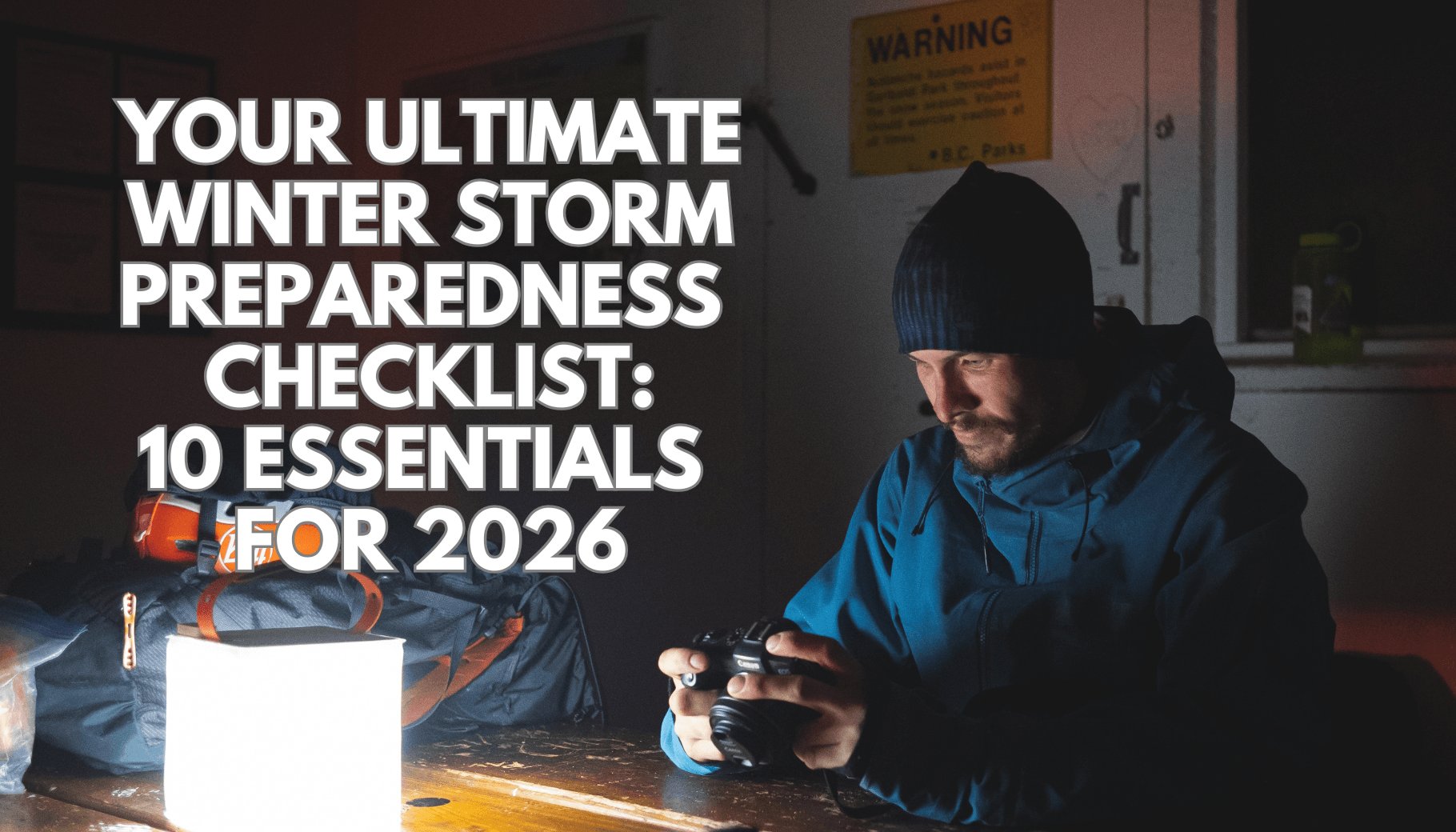


When the power suddenly cuts, that initial quiet can be unsettling. Knowing how to survive without electricity starts with what you do in those first critical moments. Your immediate plan should focus on securing your home, preserving essential resources like food and communication devices, and creating a safe environment. How you handle these first few hours will set the tone for managing an extended outage.
The First 24 Hours Without Power
That moment the lights go out, a wave of uncertainty can flood through the house. Your actions in the first 24 hours are what turns a potential crisis into something you can handle. This isn't about long-term survival strategy, at least not right away. This moment is about making smart, decisive moves to stay safe, save your resources, and get a handle on the situation.
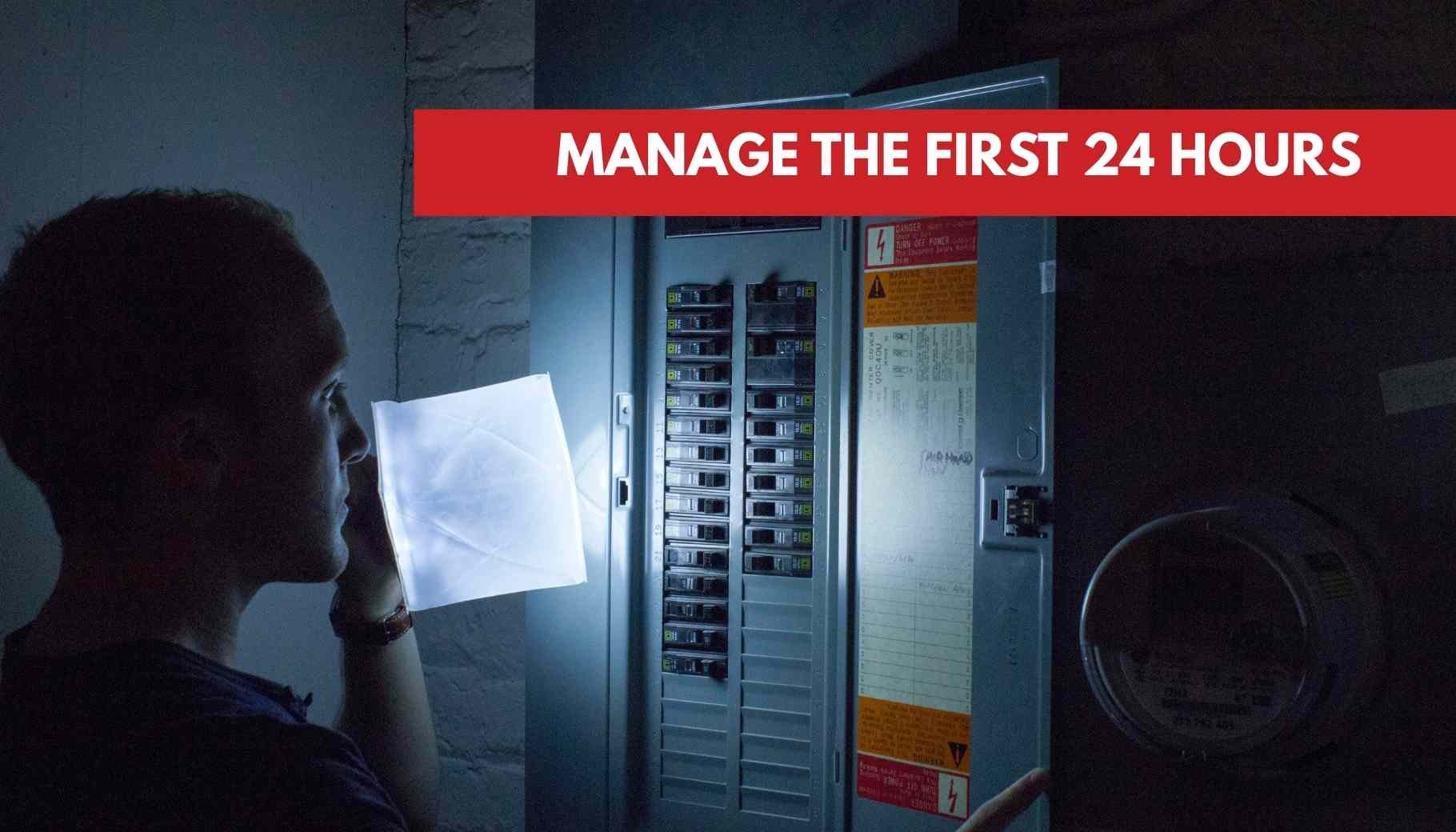
First things first: protect your home. Make your way to the breaker box and flip the main breaker to the "off" position. It’s a simple, but it’s crucial step. This will prevent power surges from frying your computers, TV, and other sensitive electronics once the electricity kicks back on.
Next, think about communication. Your smartphone is your connection to the outside world, but its battery won't last forever. Immediately put your phone on low power mode, turn off Wi-Fi and Bluetooth, and dim the screen. Now is not the time to scroll social media. Save the battery for essential calls and checking updates from your utility company or local emergency services.
Preserving Your Perishables
With your electronics protected and phone battery conserved, shift your focus to the kitchen. The number one rule is to keep the refrigerator and freezer doors shut. A closed fridge will keep your food safe for about four hours. A full freezer can hold its temperature for up to 48 hours, but only about 24 hours if it's half-full.
Here’s a quick game plan for your food:
-
Do a quick mental scan of what's in the fridge. You'll want to eat the most perishable items first.
-
Keep those doors closed. Every time you open them, you let the cold air out. Decide what you need before you open it.
-
Break out the coolers. If you have coolers and ice packs ready, move essentials like milk, meat, and leftovers into them. This will buy you a lot more time.
By taking these small, proactive steps, you shift from reacting to the outage to actively managing it. This mindset is crucial for maintaining calm and making smart decisions as the situation evolves.
Creating a Safe and Lit Environment
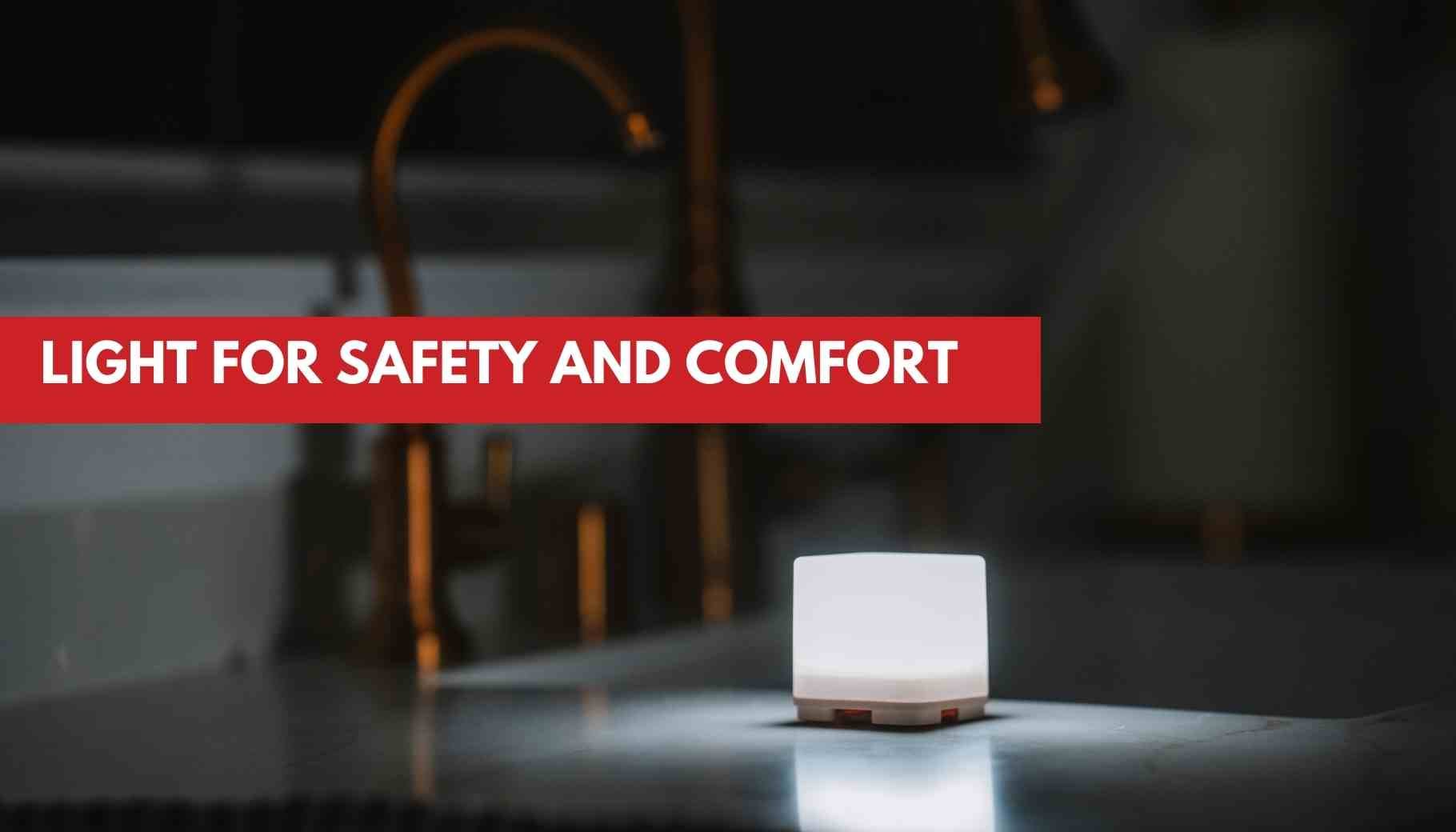
Now that the immediate concerns are handled, your next major priority is to light up your space safely. Stumbling around in the dark is just asking for an accident. I strongly advise against using candles—they're a serious fire hazard, especially when you're already stressed.
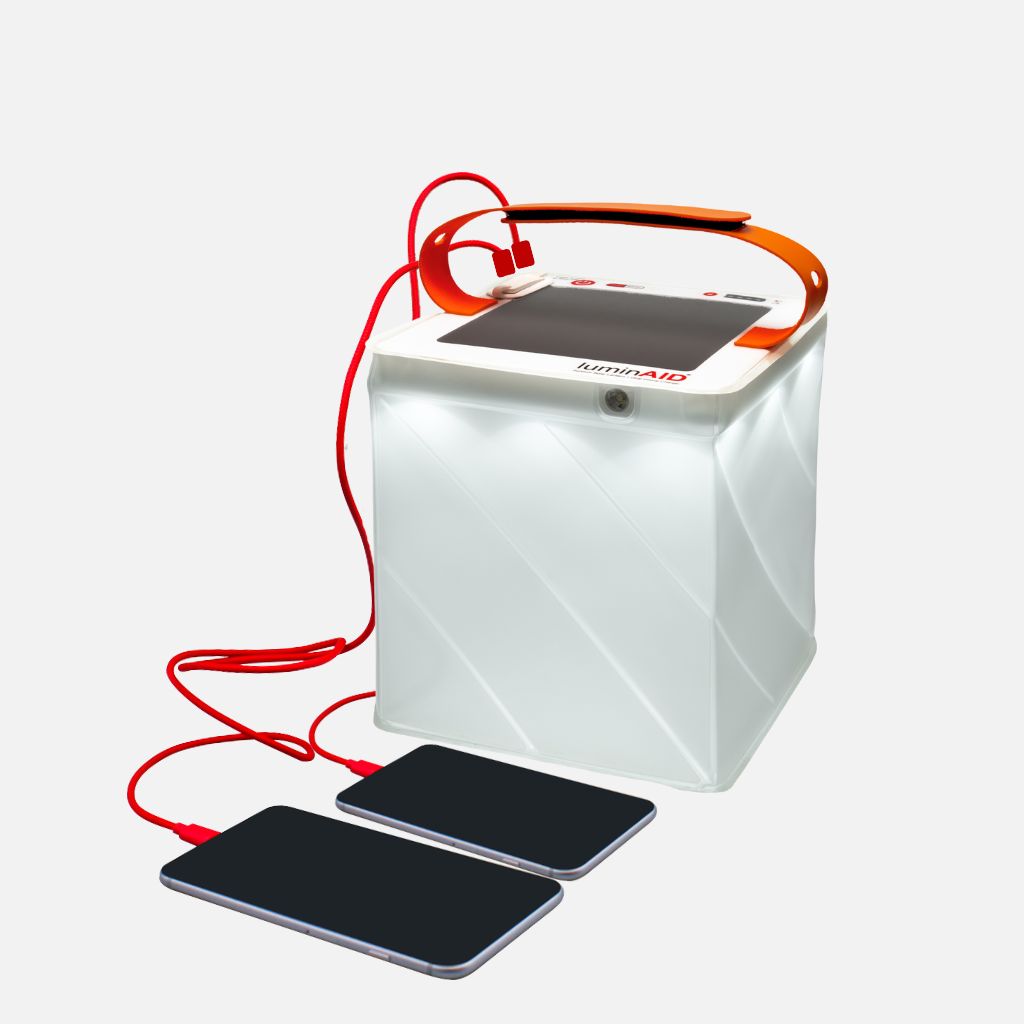
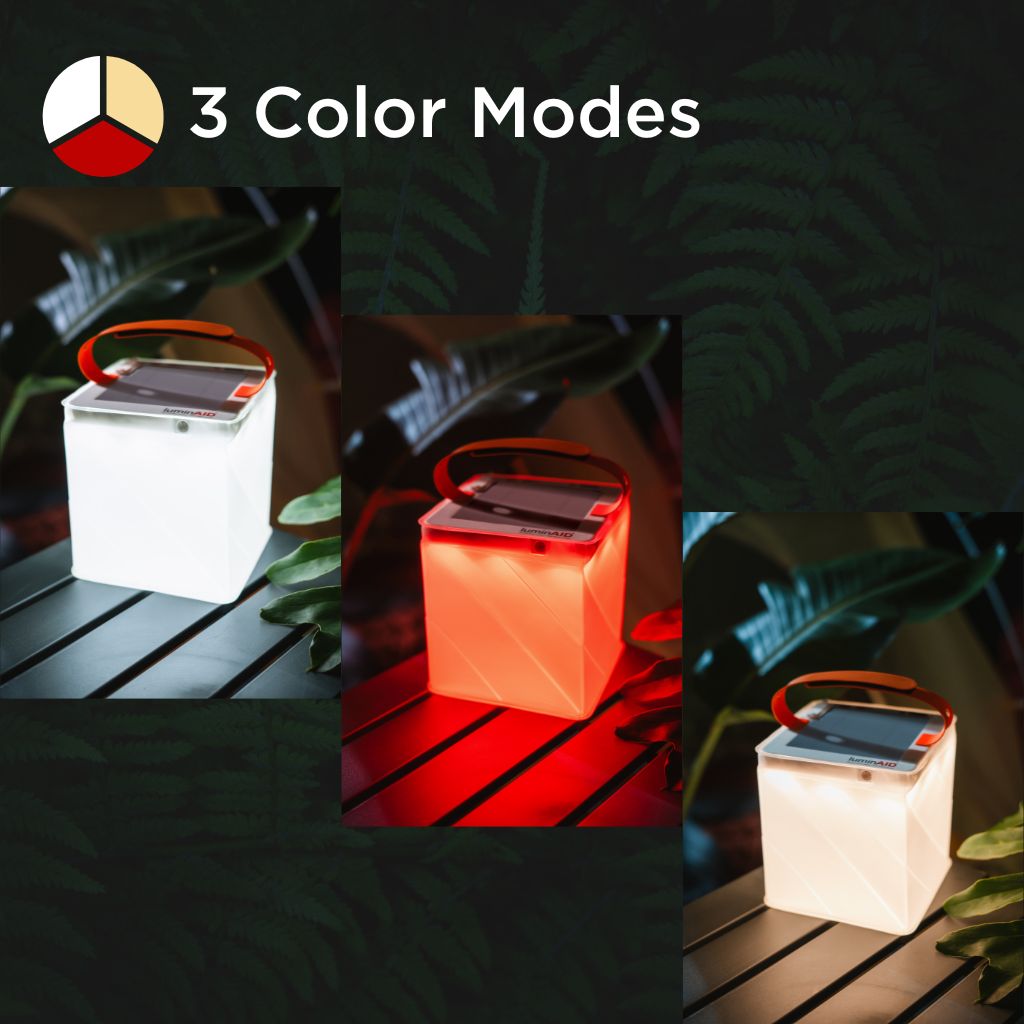
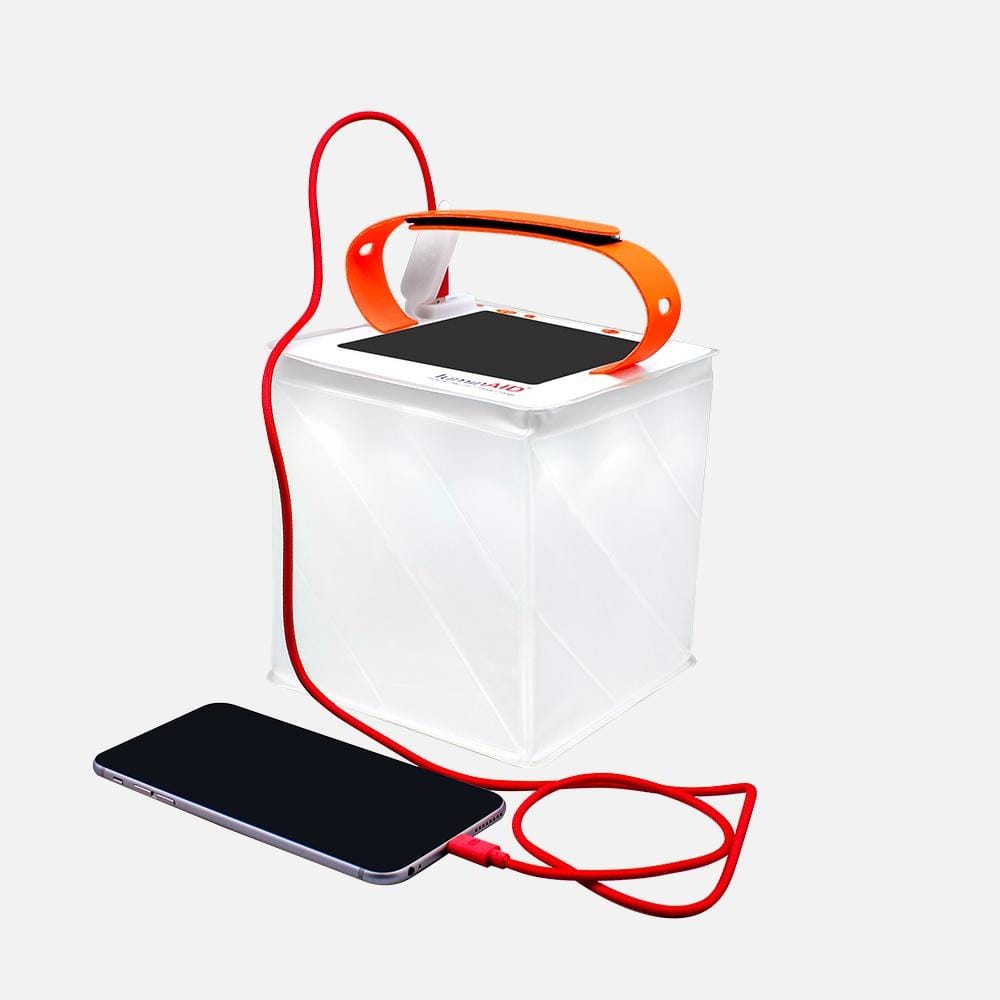
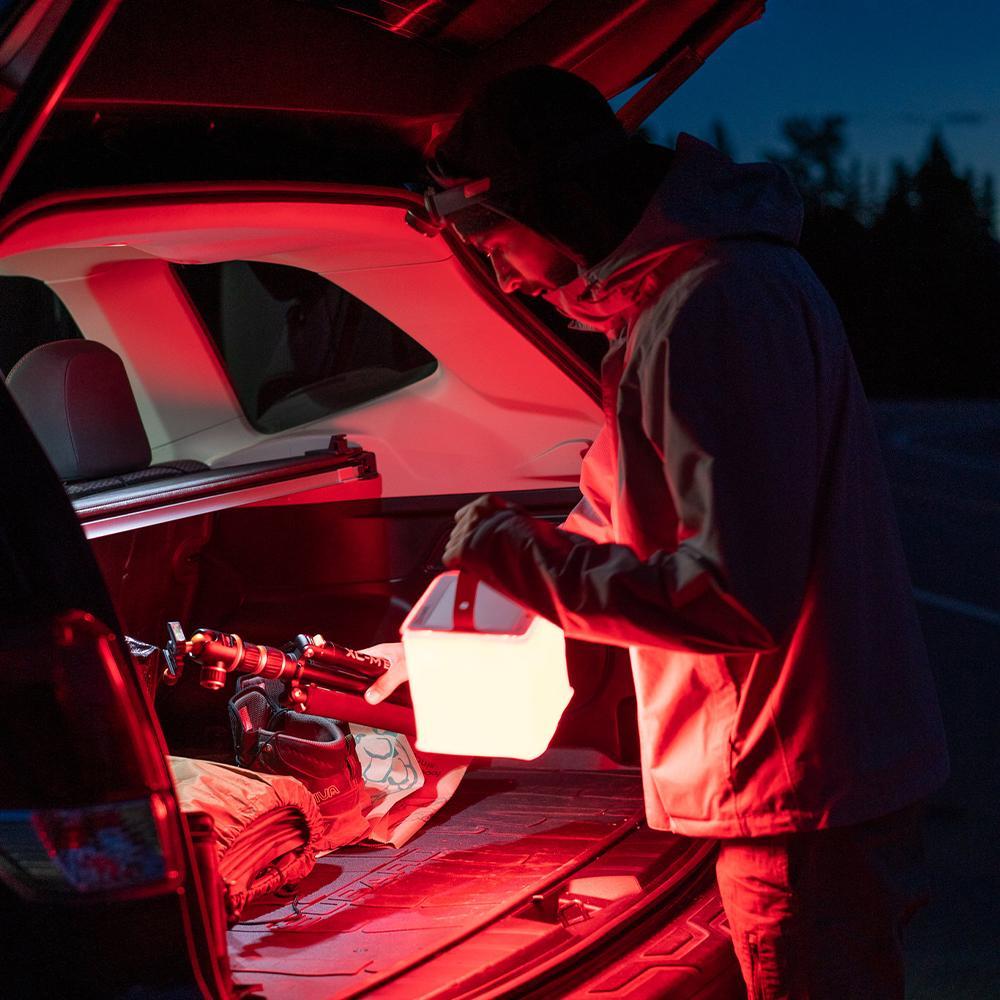
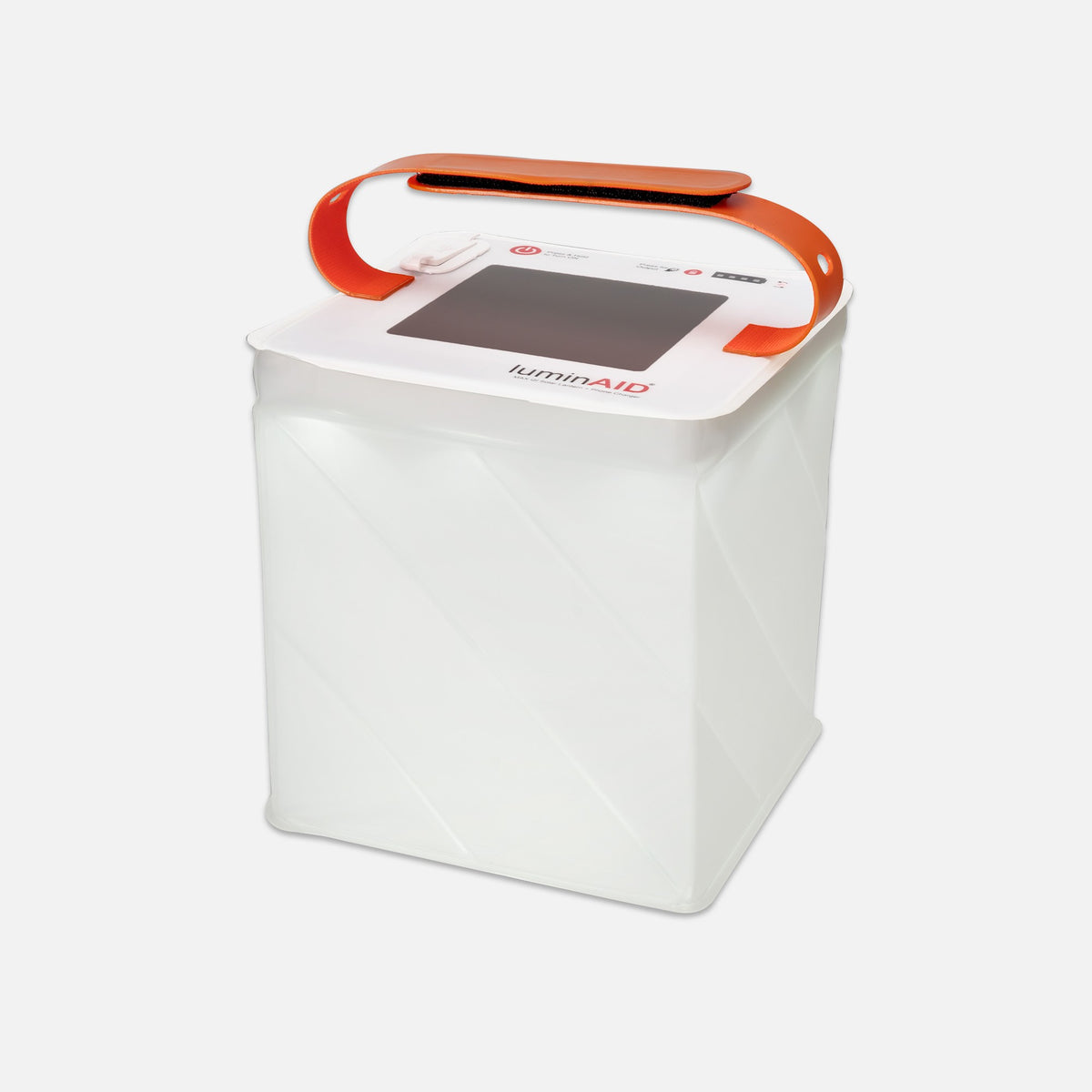
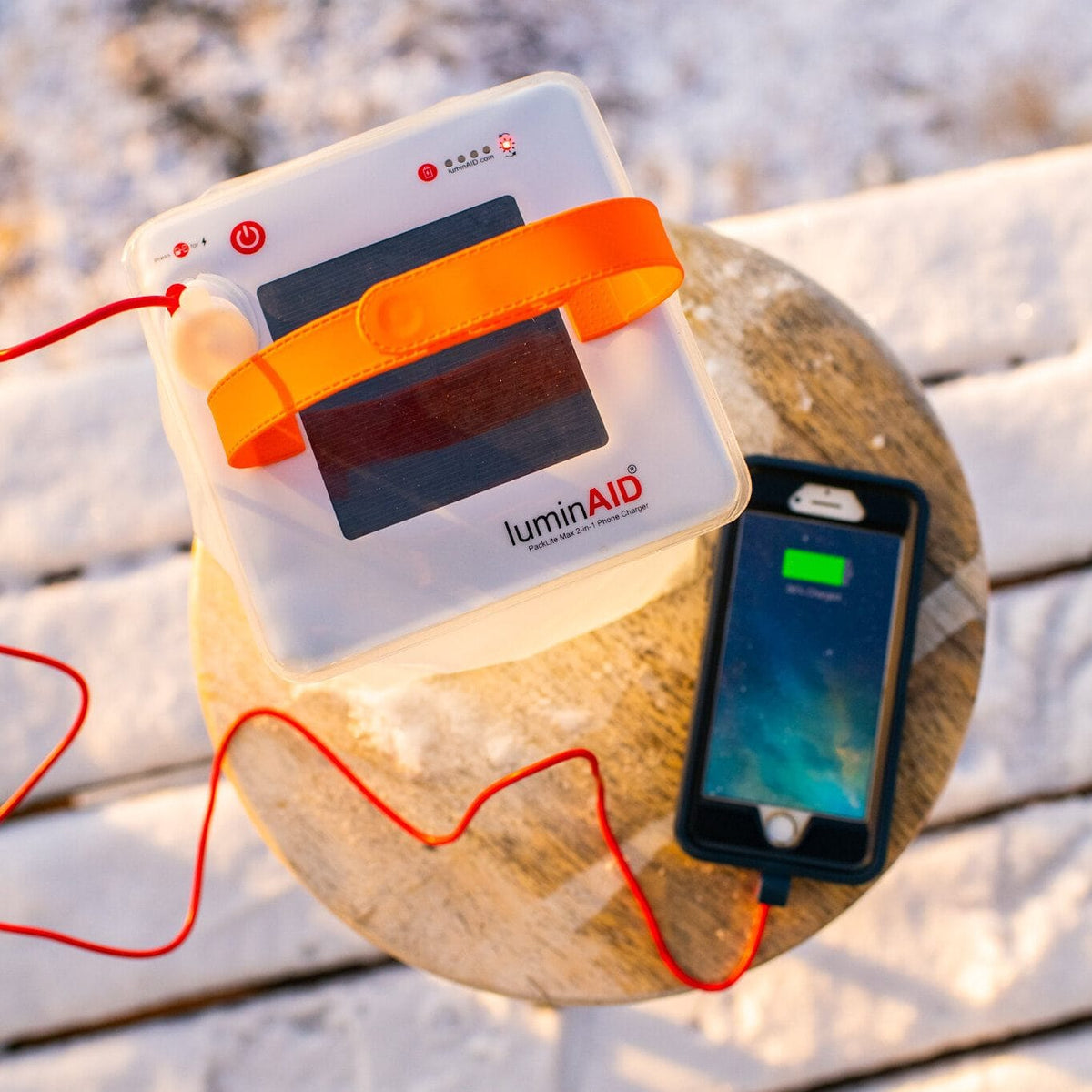
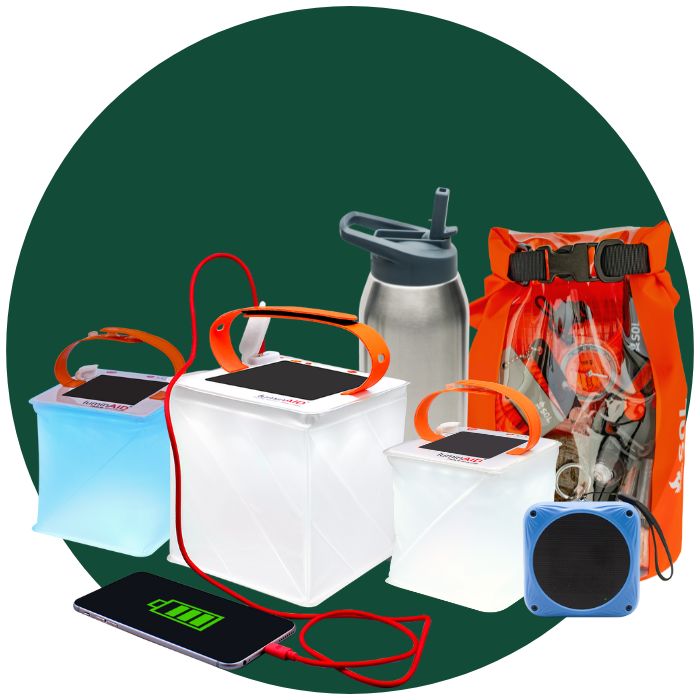
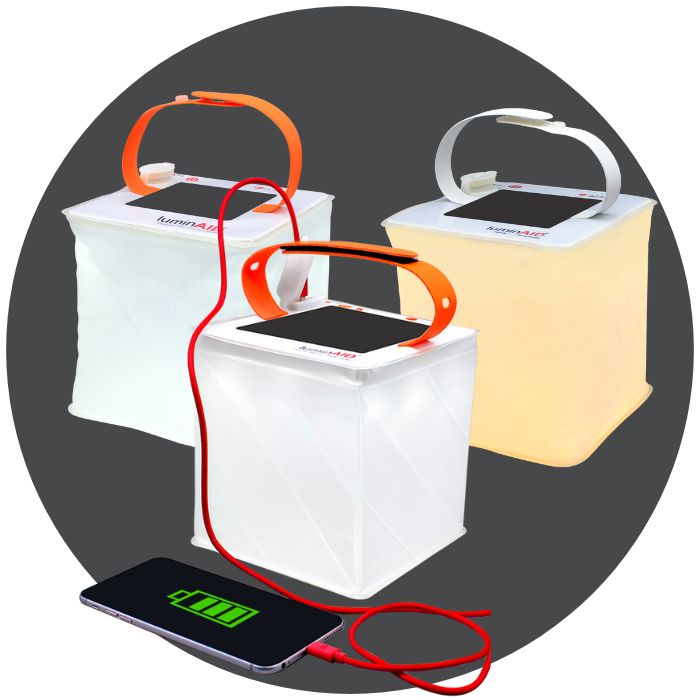
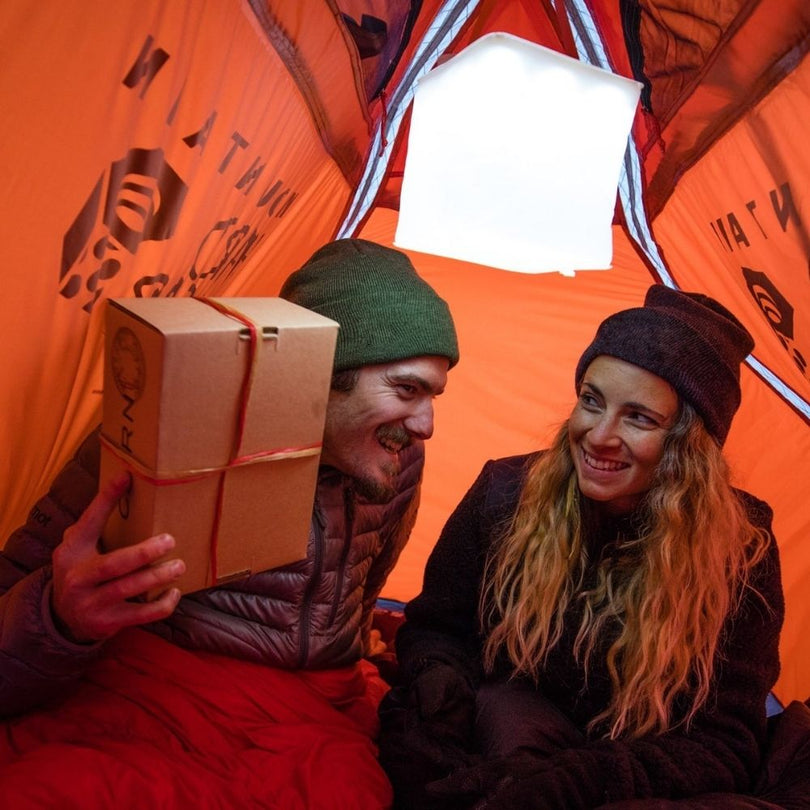
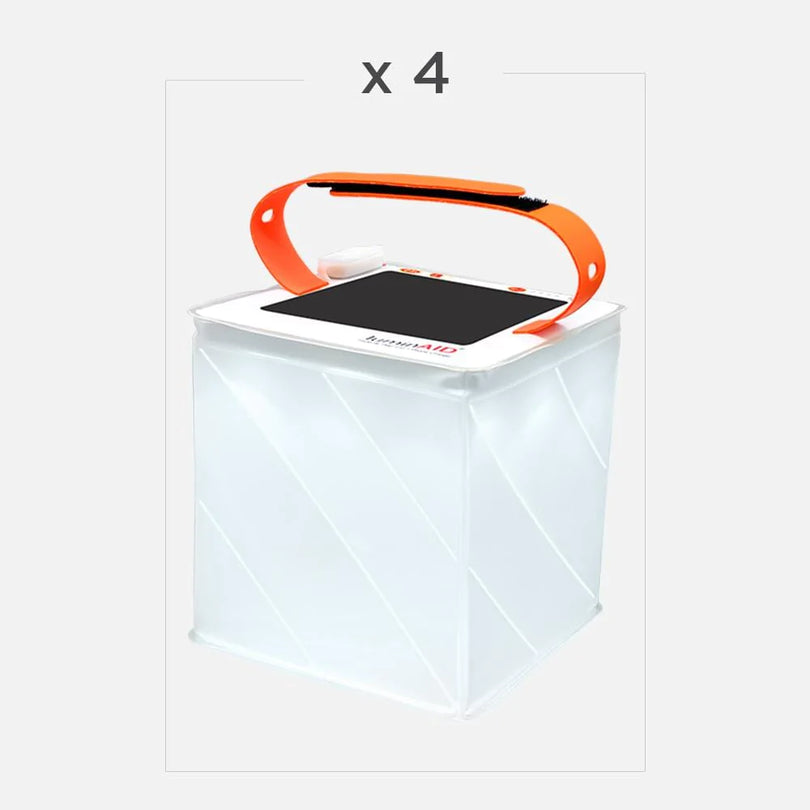
Instead, get your emergency lighting in place. This is where having a reliable light source makes all the difference. Solar-powered lanterns and high-quality flashlights are fantastic because you're not scrambling for batteries. Place them in key spots like the living room, kitchen, and bathroom. Setting up a well-lit "base camp" area not only keeps everyone safe but also brings back a comforting sense of normalcy. LuminAID carries a wide assortment of solar lanterns that can be right for you.
You can find more in-depth strategies in our guide on how to prepare for a power outage. Having gear like emergency blankets from a trusted brand like Survive Outdoors Longer® can add another vital layer to your preparedness plan.
Off-Grid Power and Lighting Solutions
When the grid goes down, having a reliable source of light and power isn't a luxury—it's a necessity. To build real resilience, you have to think beyond disposable batteries and candles. Sustainable solutions do more than just light up a room; they keep your essential devices charged, which is your link to critical information and family.
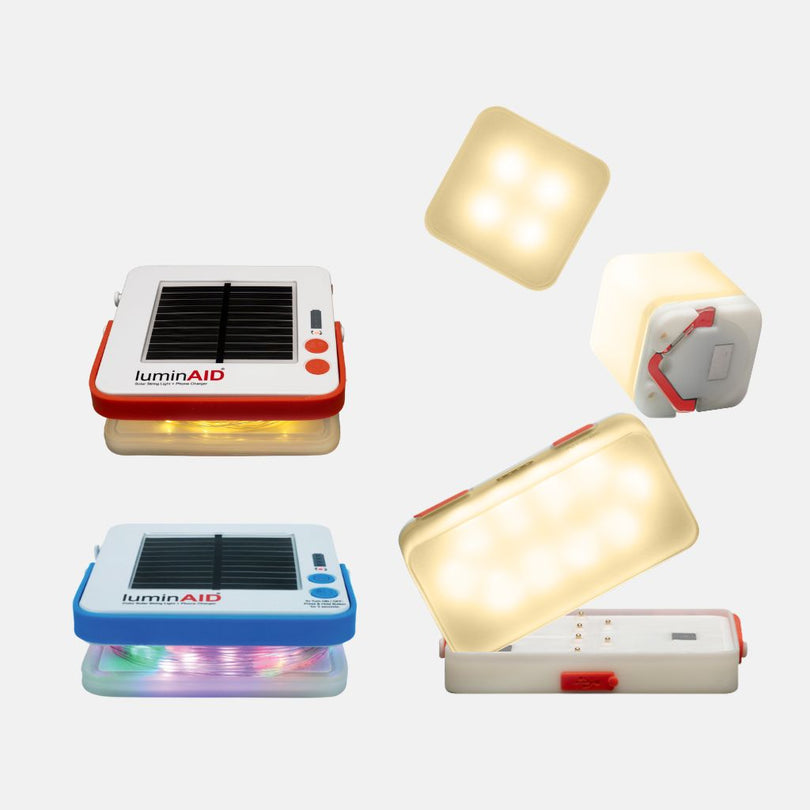
This is where the power of solar really shines. A good portable solar lantern or power bank can give you hours of light and power after just a single day soaking up the sun. Today's solar tech is remarkably efficient, making it the cornerstone of any plan for surviving without electricity for more than a few hours. LuminAID offers such solar lanterns that double as backup power banks.
Building Your Home Power Hub
You don't need a massive, expensive installation to create a personal power station. The goal is to set up a central, reliable energy source for your most important needs, and a few key pieces of gear can make all the difference.
A portable power station or a high-capacity solar power bank should be the heart of this hub. These can store a surprising amount of energy, enough to charge phones, run medical devices, or even power small appliances. Find a central, easy-to-reach spot for it, like your kitchen counter or living room table.
Of course, you need a way to keep it topped off. Portable solar panels are a fantastic solution. During the day, you can set them up outside—on a balcony, in the yard, or even propped in a sunny window—to replenish your power station. This creates a simple, self-sustaining energy cycle.
Comparing Emergency Lighting and Power Options
Choosing the right gear can feel overwhelming. Candles are cheap, but risky. Gas generators are powerful, but noisy and produce fumes. Solar offers a clean, reusable alternative. This table breaks down the pros and cons of common options to help you decide what fits your plan.
| Source | Pros | Cons | Best For |
|---|---|---|---|
| Solar Lanterns/Chargers | Reusable, silent, safe for indoor use, lightweight | Dependent on sunlight, initial cost can be higher | Sustainable, long-term outages; charging small devices |
| Candles | Very inexpensive, readily available | Fire hazard, single-use, poor light quality | Short-term, immediate lighting (with extreme caution) |
| Battery-Powered Lights | Bright, portable, easy to use | Batteries are finite and need replacing, environmental waste | Quick-grab lighting, task-specific work |
| Gasoline Generator | High power output, can run large appliances | Noisy, requires fuel, produces deadly CO (outdoors only) | Powering refrigerators, medical equipment, whole-home needs |
Ultimately, a combination of sources is often the smartest approach. Use solar for your daily lighting and charging needs, and keep battery-powered options as a reliable backup.
Mastering Lighting for Safety and Morale
Good lighting is more than just seeing in the dark. It creates a feeling of normalcy and a morale booster. Instead of just relying on one flashlight, think about creating layers of light through your main living areas.
-
Task Lighting: For specific jobs like cooking or reading, use a bright, focused light. Headlamps are perfect for this because they keep your hands free. A portable lantern works great, too, letting you direct light exactly where you need it without wasting power.
-
Ambient Lighting: To light up a whole room, solar-powered string lights or inflatable solar lanterns are amazing. They cast a soft, warm glow that reduces the harsh shadows you get from a single flashlight, making the space feel much safer and more comfortable.
-
Navigational Lighting: Place small, solar-powered path lights or even glow sticks in hallways, on stairs, and in bathrooms. This is a simple trick to help prevent trips and falls when you're moving around in the dark.
This strategy ensures you have the right kind of light for any situation, all powered sustainably. If you're just getting started, a comprehensive solar lantern buyer's guide is a great resource for finding the best options for your home.
Extending Battery Life for Critical Devices
In an outage, your smartphone is a lifeline. But its battery won't last forever, so you need to take drastic steps to conserve power from the very beginning.
Go way beyond just switching on "Low Power Mode." Manually turn off your phone's Wi-Fi, Bluetooth, and location services. Dim the screen to the absolute lowest setting you can manage and shut off push notifications for every non-essential app. These background functions drain your battery much faster than you realize.
The reality is that millions of people live without reliable grid access every day. Their survival strategies offer powerful lessons in resilience and resourcefulness, especially when it comes to off-grid power.
With global electricity demand surging—up 2.2% in 2024 and projected to climb another 4.5% in 2025—learning to survive blackouts means looking to what already works. Right now, over 600 million people live without any grid access, and they get by using the power of the sun. The World Bank reports that 84% of the unpowered population is in rural areas, with 451 million in Sub-Saharan Africa alone as of 2023. In these regions, solar lanterns aren't just a convenience; they are a lifeline that delivers light and keeps devices charged. This real-world proof shows just how reliable solar is when the grid is out of the question.
Managing Food and Water Supplies
When the power cuts out, the first thing on your mind is often light, but the real countdown starts in your kitchen. Figuring out your food and water situation is a major priority if you want to get through an outage without a major headache. A solid plan here keeps you fed, prevents perfectly good food from going to waste, and removes a huge layer of stress.
The golden rule is simple: keep the refrigerator and freezer doors shut. Every time you open it, you let the cold air out. An unopened fridge will keep food safe for about four hours. A full freezer does much better, holding its temperature for up to 48 hours, while a half-full one will buy you about 24 hours. I know the temptation to "just check" is strong, but resist it. It’s your best defense against spoilage.
Prioritize Your Perishables
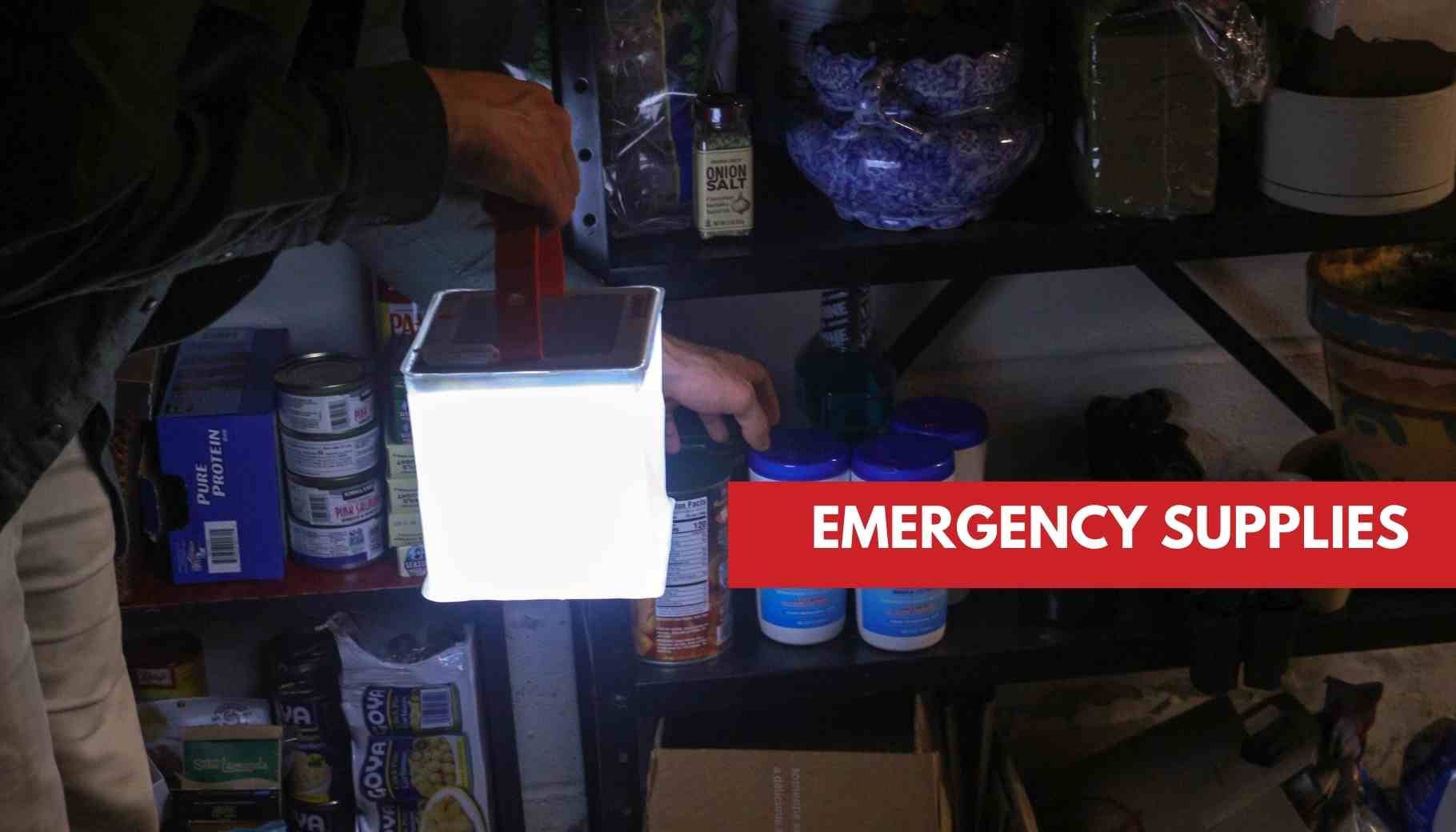
Think of it as triage for your food. Your first meals should come from the refrigerator. Eat the things that will go bad the fastest—dairy, raw meat, and any leftovers need to be at the top of the list. Once you've worked through those, then you can start strategizing about what’s in the freezer.
A little organization in the freezer helps a ton. Grouping similar items together, like all your frozen meats, creates a bigger frozen mass that thaws much more slowly. If you have coolers, this is their moment to shine. Load them up with ice or frozen gel packs and transfer your most critical refrigerated items to give them a longer life. For a really detailed breakdown, check out this guide on fridge food during a power outage.
A power outage is a test of your preparedness, not just your pantry’s capacity. It’s far better to have the right kind of food on hand than a lot of the wrong kind. A well-stocked, no-cook emergency supply means you can eat well without ever needing a stove.
Building a No-Cook Emergency Pantry
Your goal should be to have a stash of food that requires absolutely no cooking. This takes so much pressure off, as you won't need electricity or fuel to prepare a meal. Focus on nutrient-dense foods that give you a good mix of protein, healthy fats, and carbs to keep your energy up.
Here are some staples I always recommend for a no-cook pantry:
-
Canned Goods: Tuna, salmon, chicken, beans, and vegetables are lifesavers. If you can, grab the pop-top cans to save you from hunting down a can opener.
-
Dried Fruits and Nuts: These are powerhouse snacks, packed with energy and healthy fats.
-
Protein and Granola Bars: Look for bars that are lower in sugar but high in protein and fiber. They’ll keep you feeling full much longer.
-
Peanut Butter or Other Nut Butters: An incredible source of calories and protein that’s ready to eat right out of the jar.
-
Crackers and Cereals: Whole-grain options are best for providing the carbohydrates you need for energy.
For those thinking about longer-term preparedness, learning traditional skills like preserving meat for longevity through dehydration is invaluable. It's a fantastic skill for anyone serious about being ready for off-grid scenarios.
Securing a Safe Water Supply
Hydration is even more critical than food. The rule of thumb is to have one gallon of water per person, per day, stored away. You’ll need it for drinking, of course, but also for sanitation and any food prep. The easiest way is to buy commercially bottled water and store it in a cool, dark place, away from anything toxic like gasoline or pesticides.
If you burn through your stored supply, you need a way to make other water sources safe. Don't ever assume tap water is safe during a widespread outage, as municipal treatment systems could be down.
-
Boiling: This is your most reliable method. A rolling boil for at least one minute will kill most nasty organisms. (Do it for three minutes if you're at an altitude above 6,500 feet).
-
Chemical Treatment: You can use purification tablets or even unscented liquid household bleach in a pinch. The ratio is 8 drops of bleach per gallon of clear water. Let it sit for at least 30 minutes before drinking.
-
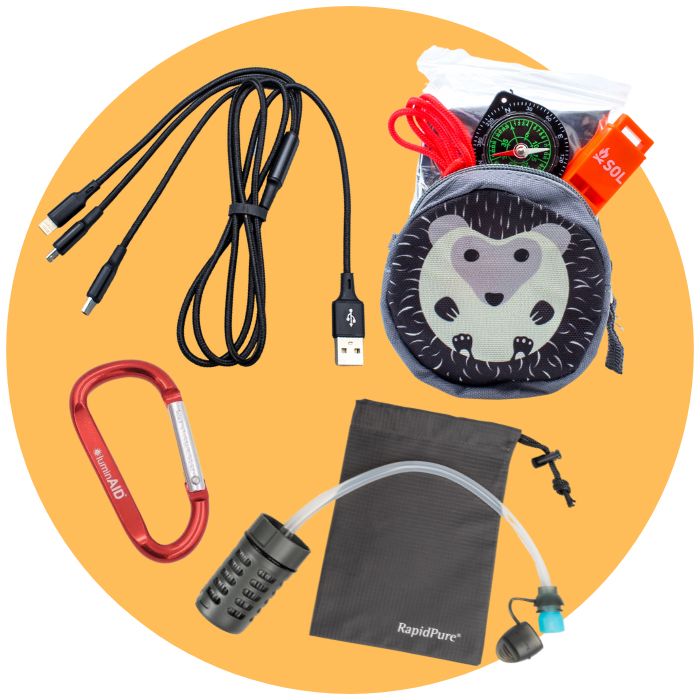
Water Filters: Honestly, a high-quality portable water filter is one of the best investments you can make for your kit. A reliable purifier from a brand like RapidPure can remove bacteria, viruses, and other contaminants, giving you clean water and serious peace of mind.
Staying Warm and Maintaining Sanitation
When the power cuts out, your mind probably jumps to light and food. But staying warm and keeping things clean are just as critical, especially if the outage drags on. These are the unsung heroes of survival—they keep you healthy and your spirits up when things get tough.
A sudden cold snap without central heating is a serious problem. You've got to think differently about how you manage your environment. For some great, practical ideas, check out this guide on how to keep warm without heating your home. The core principles there are exactly what you need.
Creating a Warm Zone in Cold Weather
Forget trying to heat the whole house. It’s a losing battle against the cold. The smart move is to pick one room—your "warm zone"—and bunker down there. An interior room without many windows is perfect because it won't bleed as much heat.
Once you've picked your spot, it's all about insulation.
-
Seal the gaps: Shove rolled-up towels or blankets against the bottom of doors. A little painter's tape around drafty window frames can make a huge difference.
-
Cover the windows: Hang your thickest blankets or quilts over any windows. This acts as another barrier against the biting cold outside.
-
Huddle up: Don't underestimate the power of body heat. Getting the whole family in one room will naturally raise the temperature. It works.
This concentrated approach makes it so much easier to stay comfortable, saving your energy and resources for other things.
Safe Alternative Heating and Passive Cooling
If you're turning to an alternative heat source, safety is everything. I can't stress this enough: never, ever use propane heaters, charcoal grills, or gas camp stoves inside. They all kick out carbon monoxide (CO), a silent killer.
Stick to heaters that are specifically rated for indoor use, and please, make sure you have a working, battery-operated CO detector in the room with you.
In a heatwave, you flip the script. The goal is to keep the sun out and get air moving.
-
Block the sun: During the hottest part of the day, shut the blinds and curtains, especially on the sunny side of the house. You can even tape foil-lined cardboard to windows to reflect the heat right back outside.
-
Create a cross-breeze: As soon as it cools down in the evening, open windows on opposite sides of the house. That little bit of airflow can be a huge relief.
-
Stay low: Remember, heat rises. Your basement or the lowest level of your home will always be the coolest spot to hang out.
These tricks don't need a single watt of electricity and can be lifesavers in extreme temperatures.
Managing Hygiene and Sanitation
Things can get messy, fast. If a power outage knocks out your water and plumbing, basic sanitation becomes a top priority. No running water means no flushing toilets.
Maintaining good hygiene is about more than just comfort; it's a critical preventative measure against the spread of illness when you are most vulnerable.
Your new best friend is a simple bucket with a tight lid. Line it with a heavy-duty trash bag. After each use, toss in some cat litter, sawdust, or even dirt to absorb moisture and keep odors down. Keep this emergency toilet well away from where you're sleeping and preparing food.
For washing up, a sponge bath with a washcloth and a small bowl of water does the trick. Hand sanitizer is gold, but if you run out, just soap and a tiny bit of water will work. Focus on keeping your hands clean, especially before you eat. A well-prepared first aid kit should have some of these basic hygiene items packed and ready to go.
Staying Connected and Informed
When the power goes out, the sudden silence can be unnerving. Almost immediately, your priorities shift to two things: checking in with loved ones and getting reliable information from officials. Your smartphone is an amazing piece of tech, but you can't bet your safety on it. Widespread outages often mean overloaded or powerless cell towers, which can make your phone useless for calls and data when you need it the most.
This is where a good old-fashioned emergency radio really shines. A simple battery-powered or hand-crank radio is one of the most dependable ways to get updates from emergency services, especially the National Oceanic and Atmospheric Administration (NOAA). Their broadcasts will cut through the noise and give you the real story on the outage, weather alerts, and when to expect help.
Your Smartphone Survival Plan
While you can't rely on it 100%, your phone is still a critical lifeline. The moment the power cuts, you need to start treating its battery like the precious, finite resource it is. Think of it as putting your phone on a strict diet.
-
Switch to Low Power Mode immediately. This is the single easiest thing you can do.
-
Kill all the extra functions. That means turning off Wi-Fi, Bluetooth, and location services. They’re constantly searching for signals and draining your battery.
-
Dim your screen. Manually lower the brightness to the absolute minimum you can tolerate.
-
Silence the noise. Disable push notifications for everything. Every little buzz and pop-up eats away at your power.
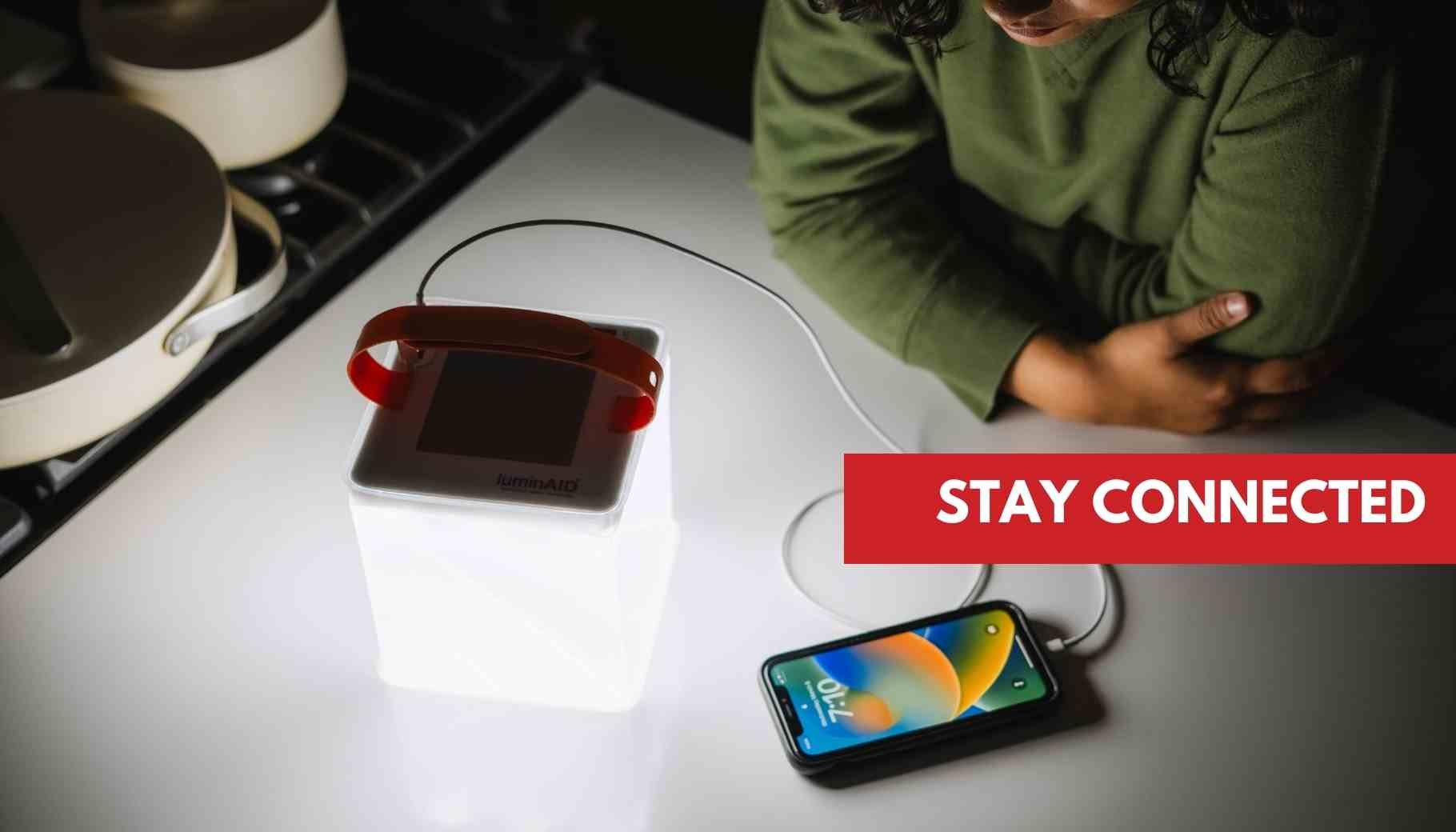
The other half of this strategy is having a way to recharge. A portable solar charger or a fully-charged power bank becomes your best friend. As soon as the sun is up, make it a priority to get your phone and power banks connected to your solar panels. This creates a sustainable charging cycle that can keep you connected for days on end.
It's easy to forget that for many, living without a stable grid is a daily reality, not a temporary emergency. Their resilience offers powerful lessons in how to manage resources when the power is gone.
Think about this: Over 600 million people—nearly 8% of the world's population—live without reliable electricity, relying on ingenuity and the sun every single day. While global electricity access hit 92% in 2023, that still leaves a huge number of people disconnected. For these communities, off-grid solar systems, including the same kind of portable solar lanterns that are essential for our emergency kits, are often the most practical and affordable way forward. You can read the full research about these global energy challenges from the World Bank.
Create a Family Communication Plan
In a crisis, knowing your family is safe brings incredible peace of mind. The time to figure out how you'll connect is before an emergency, not during one.
Sit down and establish a clear plan. Designate an out-of-state friend or relative to be your family's central check-in point. It sounds odd, but it’s often much easier to make a long-distance call than a local one when regional networks are jammed.
Make sure everyone has this person's number saved in their phone and written down on a physical card in their wallet or go-bag. Your plan should also name a physical meeting place in your neighborhood and a second one farther outside your immediate area, just in case you need to evacuate and can't go home.
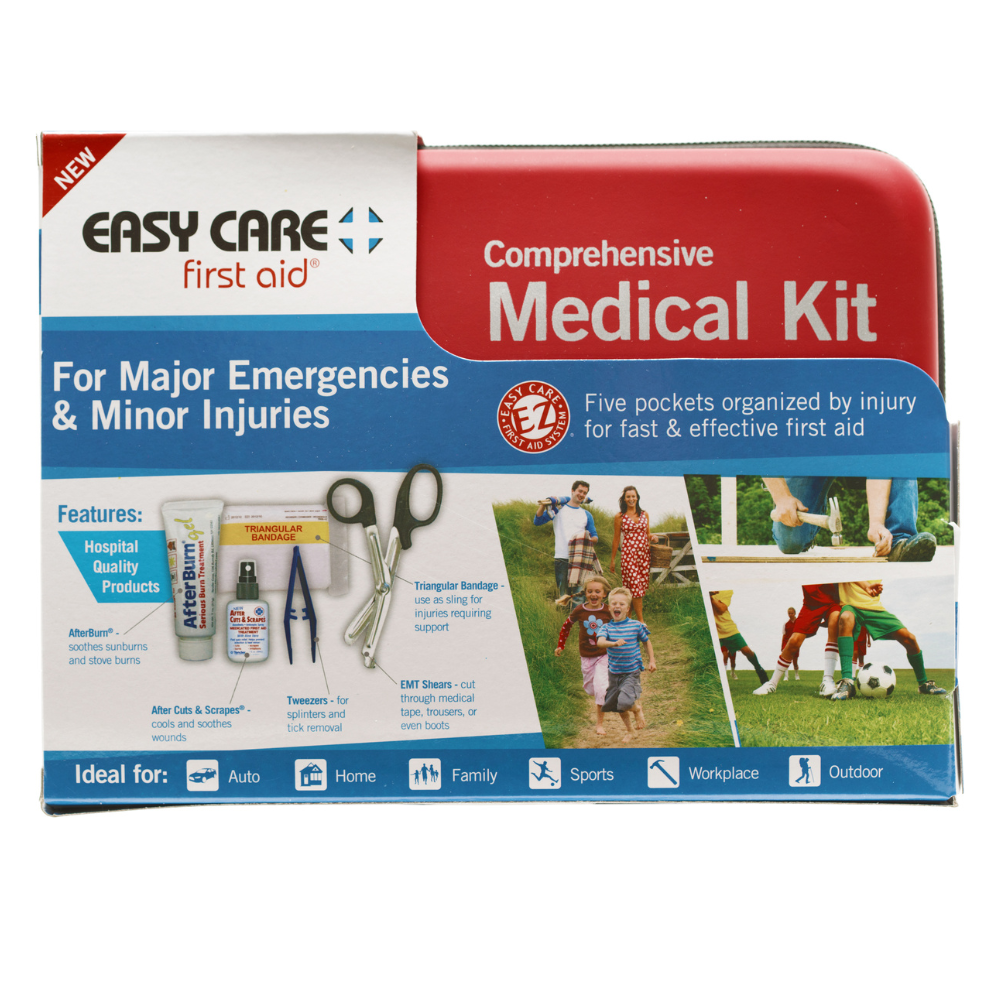
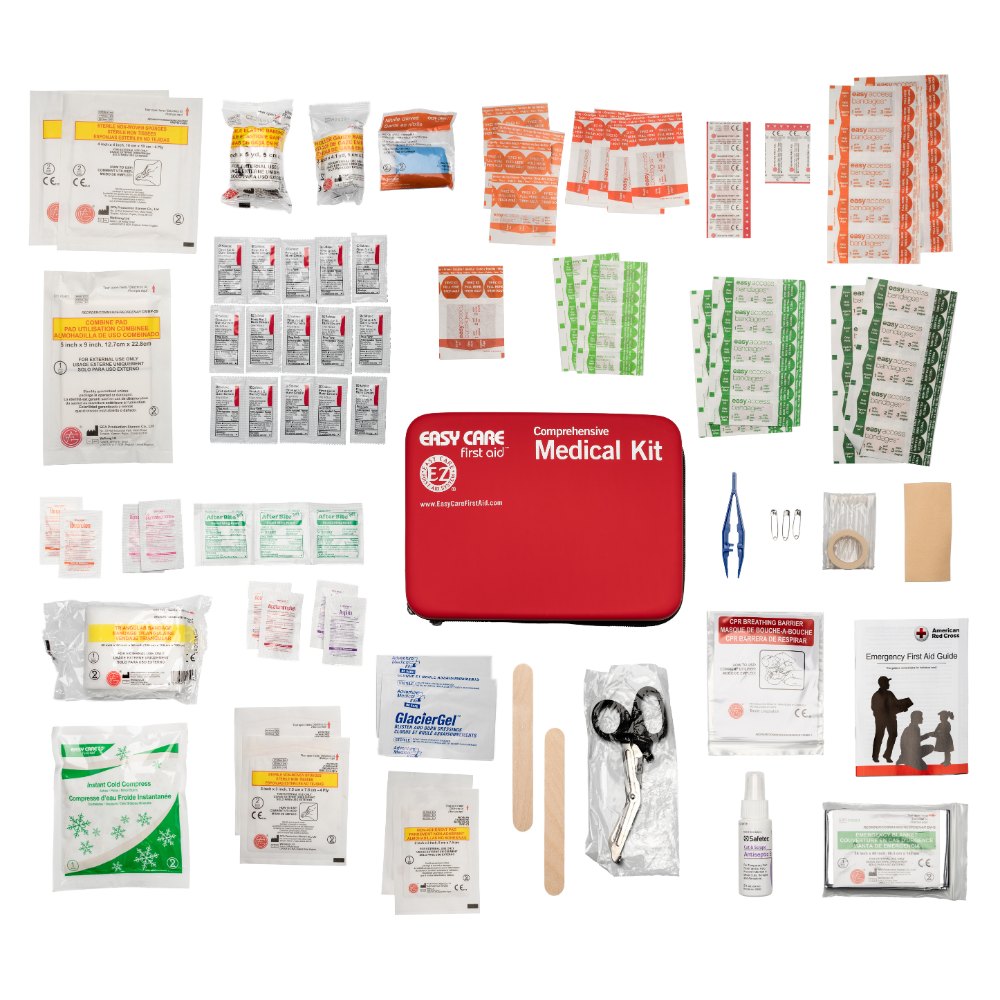
Finally, remember that emergency services will be stretched thin. A minor injury that would normally be a quick trip to urgent care can become a serious problem when help is hours away. A well-stocked first-aid kit isn't optional; it's essential. A comprehensive kit from a trusted source like Adventure Medical Kits gives you the tools to handle cuts, burns, and other common injuries yourself. This simple prep step empowers you to manage minor medical issues safely, keeping your family secure until things get back to normal.
Your Top Questions About Power Outages, Answered
When the lights go out, it's natural for a million questions to pop into your head. Getting the answers sorted out before an outage hits can be the difference between feeling anxious and feeling ready. Let's refresh and walk through some of the most common things people worry about when the grid goes down.
How Long Is the Food in My Fridge Actually Safe?
As covered before. According to the food safety pros, your refrigerator will keep food cool enough for about four hours, but only if you keep the door shut. Every time you open it to peek, you're letting precious cold air escape.
Your freezer is a different story, especially if it's packed. A full freezer can maintain its temperature for up to 48 hours. If it's only about half-full, you're looking at closer to 24 hours. The rule is the same: keep that door closed.
Are Candles a Good Idea for Light During a Blackout?
Circling back to this too. It's tempting to reach for candles—they feel traditional and cozy. But honestly, they're a massive fire hazard. An open flame in a dark, stressful environment is just asking for trouble. It's so easy for something to get knocked over.
A far safer bet is to rely on lights powered by batteries or the sun. A good LED lantern can light up a whole room with zero fire risk, giving you reliable, worry-free illumination. They should be a cornerstone of any emergency kit.
Your main job during an outage is to lower your risk, not add to it. Switching from candles to solar lanterns or LED flashlights is one of the simplest, smartest safety moves you can make.
What’s the Best Way to Keep My Kids from Freaking Out?
A sudden blackout can be genuinely scary for kids. The darkness, the change in routine—it's a recipe for anxiety. The best thing you can do is model calmness and reframe the whole thing as an adventure, like an impromptu "indoor campout."
Here are a few tricks I've seen work like a charm:
-
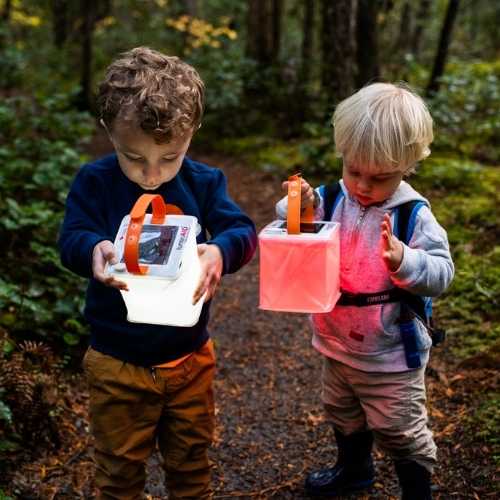
Build a "Fort": Pull all the pillows, blankets, and sleeping bags into the living room to create a cozy base camp. A few solar lanterns or some battery-powered string lights can make it feel magical instead of spooky.
-
Game On: This is the perfect excuse to dust off the board games, cards, or puzzles that don't need power.
-
Story Time: A headlamp or a lantern is all you need to read stories together. It’s incredibly comforting and a great distraction.
-
"Campfire" Stories: Huddle around a lantern and take turns telling silly or spooky stories. It helps bring a sense of fun and normalcy back into the situation.
If you treat it like a special event, your kids will pick up on that positive vibe and feel much more secure.
Can I Use My Car to Charge My Phone or Stay Warm?
Yes, your car can be a lifesaver, but you have to be smart about it. It’s a great way to charge your phone and other small electronics. Just make sure you only do it while the car is running in a well-ventilated space—never, ever in a closed garage.
The same goes for using your car as a warming station. Running an engine in an enclosed space like a garage leads to a fatal buildup of carbon monoxide (CO) gas. If you need to warm up, do it for short bursts in the driveway or on the street, and crack a window to keep fresh air circulating.
What if Someone Gets a Minor Injury and Help Is Slow to Arrive?
During a big outage, emergency services can get stretched thin, meaning response times might be a lot longer. That's why being able to handle minor medical stuff yourself is so important. Scrapes, cuts, and burns are more likely when you're fumbling in the dark or cooking on a camp stove.
A solid first-aid kit isn't optional; it's essential. Make sure it's easy to get to and you know what's in it. For real peace of mind, I recommend getting a comprehensive kit from a trusted brand like Adventure Medical Kits®. They have options that equip you to handle just about any common injury you can think of. You can check them out at AdventureMedicalKits.com. This kind of prep is a huge part of being self-reliant and keeping your family safe when you're on your own.
At LuminAID, we know that preparation is everything. Our solar-powered lanterns and phone chargers are built to give you dependable light and power right when you need it, keeping your family safe, connected, and comfortable through any outage. Get your home ready with our off-grid solutions at https://luminaid.com.