
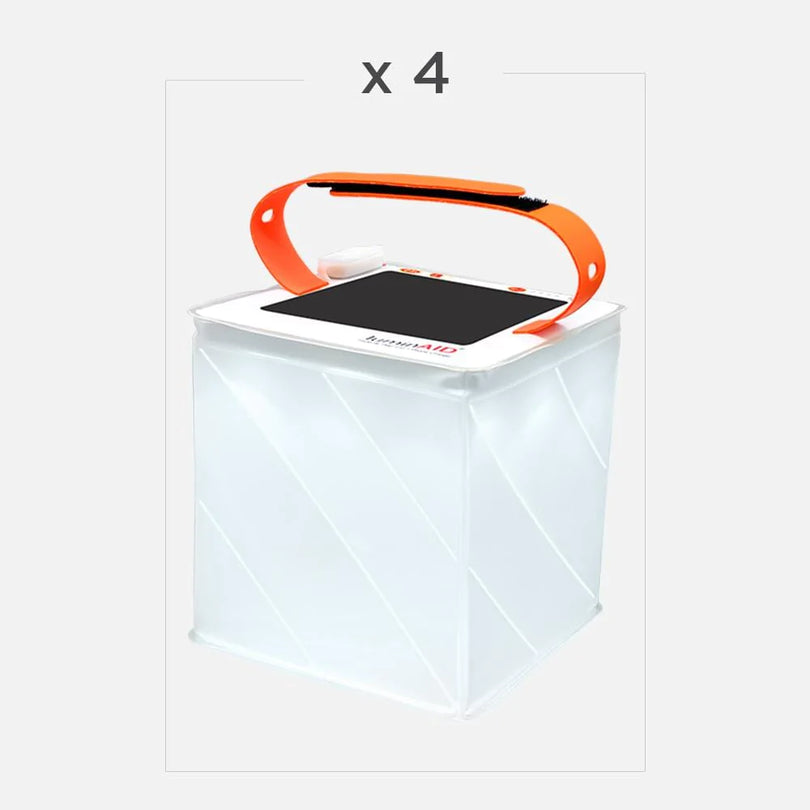

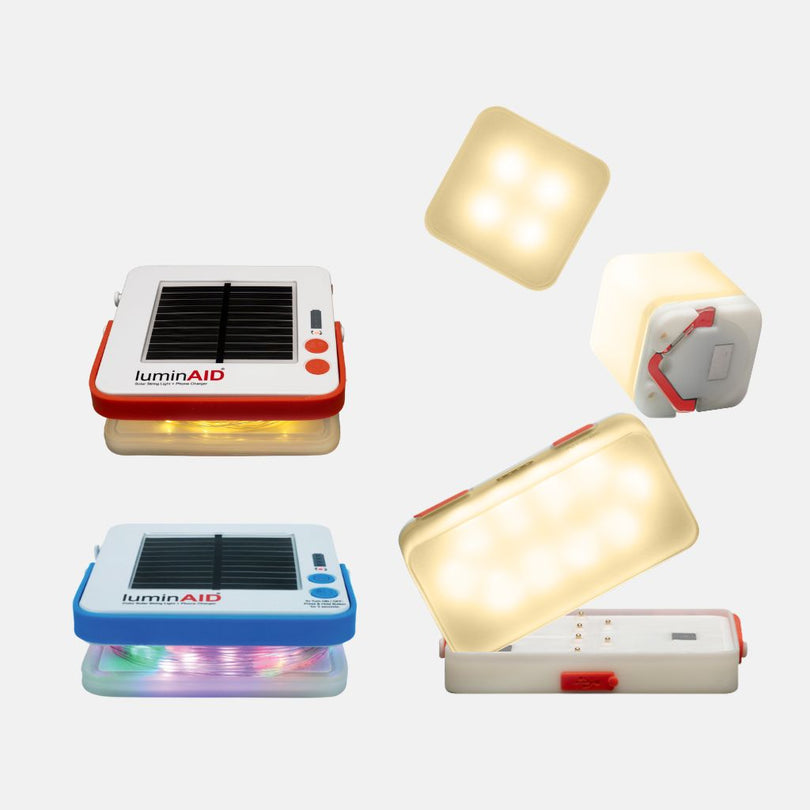
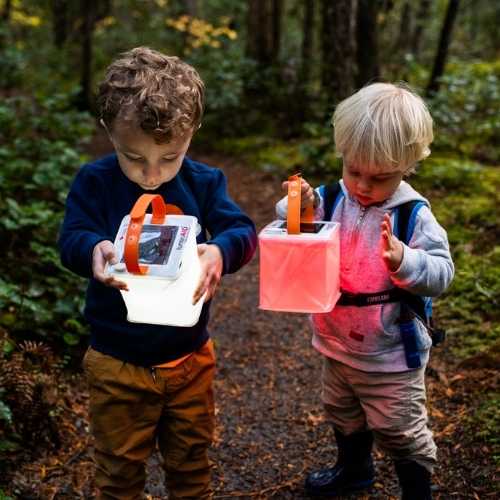

Figuring out the world of LED tent lighting doesn't have to be a headache. It really just comes down to matching the right light to your kind of adventure. The "best" light is simply the one that ticks all your boxes for brightness, power, and toughness, whether you're setting up a basecamp with the family or stocking an emergency kit at home.
Why Your Adventure Dictates Your Light
Choosing the perfect LED tent light isn’t about chasing down the single best model on the market. It’s about finding the best light for you.
What a solo backpacker needs—something ultralight and compact—is worlds away from what a family needs to light up a big, multi-room tent. And the features you’d want in a light for a home emergency kit are totally different from one you'd pack for a weekend camping trip.
Start by thinking about how you'll actually use it. This one step makes the whole process easier, letting you immediately filter out the wrong options. For instance, a thru-hiker is going to gravitate toward a lightweight, solar-rechargeable lantern. Someone prepping for a power outage? They’ll probably want a light with a built-in phone charger more than anything else. This first decision is the most important one you'll make.
Each path leads to a different set of priorities. You might be focused on getting maximum brightness for a large space, or maybe just ensuring you have a power source that won't fail you in an emergency. For some great examples of lights built for the trail, check out this guide on the best backpacking lanterns.
Key Factors to Consider
Before we get into the nitty-gritty specs later on, just keep these three core ideas in your back pocket:
- Brightness and Function: How much light do you really need, and what for? A soft, ambient glow for relaxing is very different from the focused light you need for reading a book.
- Power Source: How are you going to keep it juiced up? Your options run the gamut from disposable batteries to USB-rechargeable and solar-powered models.
- Durability and Weatherproofing: Your gear has to be able to take a beating. A light that can handle a surprise rainstorm or an accidental drop is non-negotiable.
It’s no surprise that reliable outdoor lighting is booming. The global market for LED outdoor camping lights was valued at USD 160 million and is expected to grow to a massive USD 270 million by 2032. This just goes to show how many people are looking for dependable, portable lighting they can count on.
By framing your search around your specific needs first, you can confidently pick an LED tent light that will serve you well for years to come. You’ll never be left in the dark when it matters most.
Understanding Lumens and Light Modes
When you're shopping for a new LED tent light, the specs on the box can feel a bit like a foreign language. You'll see words like "lumens" and different "modes," but what do those really mean for you out at the campsite? Let's cut through the jargon and figure out what actually matters.
Think of lumens as the volume knob for light. It’s a straight-up measure of brightness. More lumens equals brighter light—it's that simple.
A classic rookie mistake is grabbing the light with the biggest lumen number, thinking brighter is always better. But blasting your tent with light can be just as annoying as fumbling around in the dark. It creates harsh shadows, kills your battery, and can feel like an interrogation lamp in a small tent.
Finding Your Perfect Brightness Level
The real trick is matching the brightness to what you're doing. Not every task needs the same amount of light, and getting it right makes the whole camping experience way more comfortable.
- Subtle Ambiance (30-50 Lumens): This is your chill-out setting. It's just enough for a soft, warm glow inside your tent, letting you find your sleeping bag without blinding your tent-mates or wrecking your night vision.
- General Use (100-200 Lumens): This is the sweet spot for most things. It's plenty of light for organizing your pack, playing a game of cards, or just hanging out. It lights up a standard 2-4 person tent perfectly without being obnoxious.
- Task Lighting (200+ Lumens): When you need to focus, like reading a book, doing some campsite food prep, or planning the next day's hike on a map, kicking the brightness up to 200 lumens or more is the way to go.
The most useful LED tent lights are the ones with adjustable brightness. This lets you dial in the exact amount of light you need for any situation—from a dim nightlight to a powerful task light—all while stretching your battery life as long as possible.
Before we dive into a handy guide, it's worth noting that the right brightness often depends on what you're doing and the size of your shelter. A little planning goes a long way.
Lumen and Light Mode Guide for Campers
This table breaks down common camping activities and tent sizes, matching them with the ideal lumen range and the best light modes for the job.
| Activity or Tent Size | Recommended Lumens | Best Light Modes | Example Scenario |
|---|---|---|---|
| Solo Tent / Nightlight | 30-50 Lumens | Dimmable Low, Red | Finding your way to the zipper in the middle of the night without waking up. |
| 2-4 Person Tent General | 100-200 Lumens | Dimmable Medium | Playing cards with friends or sorting through your gear for the next day. |
| Reading in Any Tent | 150-200 Lumens | Dimmable High | Getting lost in a good book before you turn in for the night. |
| Campsite Task Lighting | 200+ Lumens | Turbo / High, Focused | Prepping dinner at the picnic table or checking a map in low-light conditions. |
| Preserving Night Vision | N/A (Low Brightness) | Red Light | Stargazing just outside your tent or making a quick trip out without ruin the view. |
| Emergency Signal | Max Available | SOS / Strobe | Alerting rescuers if you're lost or injured. The flash makes you more visible. |
Having a light that can adapt to different scenarios is key. You don't use a hammer to turn a screw, and you shouldn't use a 500-lumen spotlight to read a book in a tiny tent.
Why Light Modes Are Game Changers
Beyond just how bright it is, the different modes on modern LED lights are incredibly practical. These aren't just silly extras; they're features designed for actual outdoor situations. A light with multiple modes is basically a multi-tool for illumination.
Here are the most useful modes you should look for:
- Dimmable Settings: Like we mentioned, this is all about control. Using a lower setting when you don't need full power can drastically extend your light’s runtime—a huge deal on longer trips when you're off the grid.
- Red Light Mode: This is an absolute must-have for any serious camper. Red light doesn't mess with your night-acclimated vision, so your pupils don't shrink like they do with white light. It's perfect for those middle-of-the-night bathroom runs or for checking on gear without losing your view of the stars.
- SOS/Strobe Mode: This is a safety feature you hope you never need, but you’ll be glad you have it if you do. A flashing strobe is a universal signal for help and can be seen from much farther away than a steady beam. Having an SOS mode is a smart move for any emergency kit, including the one you should always have from a trusted brand like Adventure Medical Kits.
At the end of the day, the best led tent lighting is a combination of the right brightness range and practical, useful modes. And hey, while you're at it, understanding LED lighting techniques for other situations can give you a whole new appreciation for good light. When you know what these features do, you can pick a light that’s ready for your adventure, giving you comfort, convenience, and a crucial layer of safety.
Choosing the Right Power Source Off the Grid
A brilliant LED tent light is only as good as the power running it. Once you’re off the grid, your power strategy becomes one of the most important parts of your entire gear setup. The choice between solar, USB rechargeable, and disposable batteries isn't just a small detail—it dictates how reliable and convenient your lighting will be when you need it most.
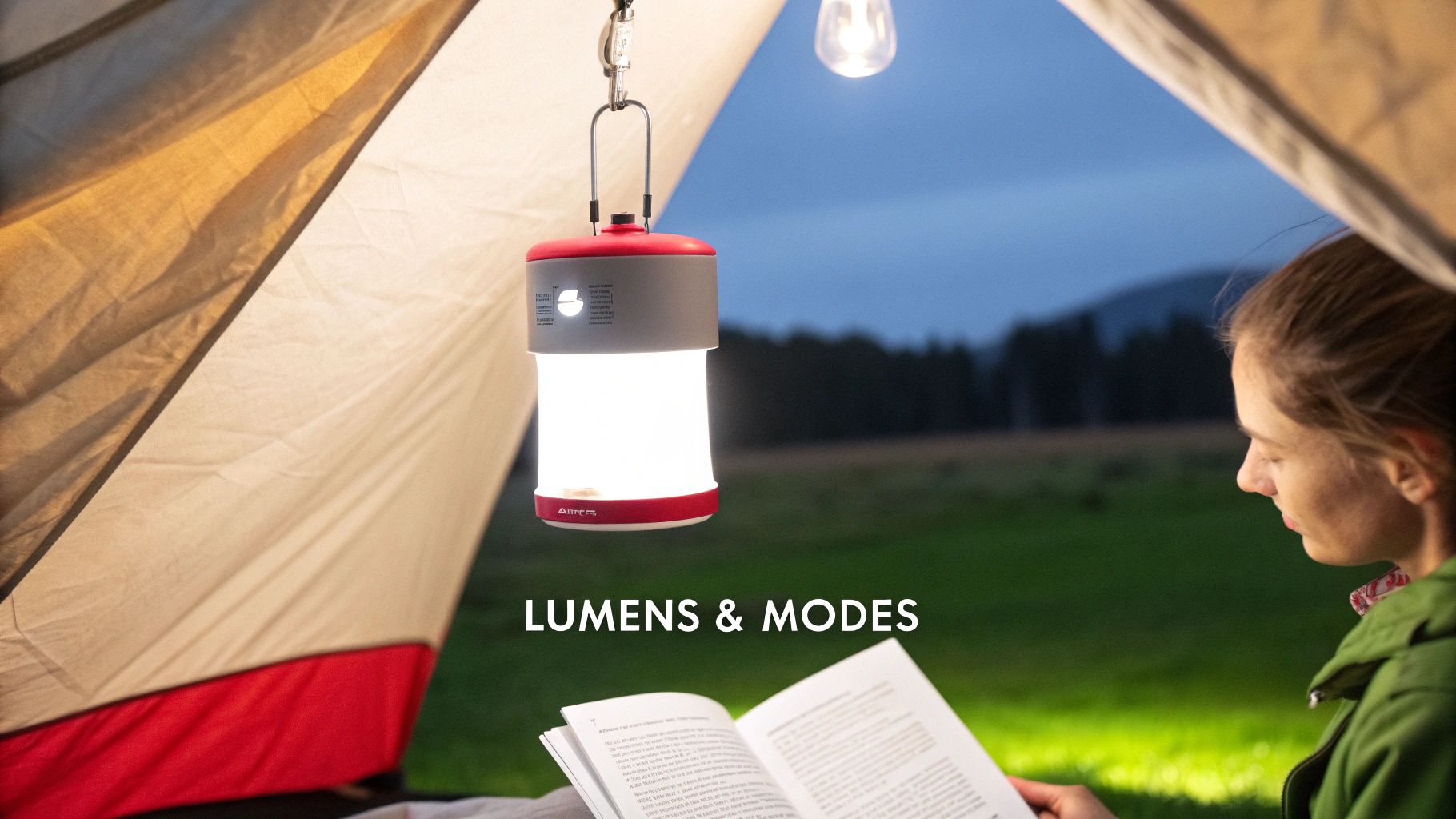
Thankfully, technology has completely reshaped the camping light market. Today’s best LED camping lights are packed with features like powerful lumen outputs, built-in solar panels, and easy USB charging. This gives you flexible and dependable power even in the most remote settings.
The Rise of Rechargeable Power
For most campers today, USB rechargeable and solar-powered lights have become the gold standard. They're a sustainable, cost-effective, and incredibly convenient way to keep your campsite lit up.
- USB Rechargeable: This is the ultimate in versatility. You can power these lights up from a wall outlet at home, your car’s dashboard, or a portable power bank. They're perfect for weekend car campers who have easy access to electricity before and during their trip.
- Solar Powered: For backpackers, thru-hikers, or anyone on a long trip off-grid, solar is a total game-changer. These lights use built-in panels to soak up sunlight during the day, giving you free, endless power. Just clip one to your pack while you hike, and it'll be ready to go by sunset.
The best part about both is that you can stop packing—and packing out—disposable batteries. This doesn't just cut down on waste; it also lightens your load over time. To really dig into the benefits, check out our guide on solar lanterns for camping, which breaks down why they're a top choice for modern adventurers.
When Disposable Batteries Still Make Sense
Even with all the great rechargeable options out there, traditional disposable batteries (like AAs or AAAs) still have their place. Their biggest advantage is grab-and-go simplicity.
For an emergency preparedness kit stashed in your closet or a "just in case" light you keep in your car's glove box, disposable batteries are hard to beat. They can hold a charge for years on a shelf, ensuring you have immediate power when you need it without having to think about pre-charging anything.
Of course, they have clear downsides for frequent use. The cost adds up, they create environmental waste, and their performance can really tank in cold weather, draining much faster than you’d expect.
A smart strategy is to have a primary rechargeable light for regular use and a small, battery-powered backup for true emergencies. This way, you have layers of redundancy and you're never left in the dark.
Hybrid Models: The Best of Both Worlds
You don't always have to pick just one. Many of the most practical and reliable LED tent lights are hybrid models that combine multiple power sources into a single device.
Imagine a lantern that runs on a solar charge but also has a USB port for a quick top-up from a power bank on a cloudy day. Some even let you pop in disposable batteries as a final backup if both your solar and USB power sources are tapped out. This multi-pronged approach gives you the ultimate flexibility and peace of mind.
Here’s a quick comparison of the three main power sources:
| Power Source | Best For | Pros | Cons |
|---|---|---|---|
| Solar Rechargeable | Backpacking, extended trips, emergency kits | Sustainable, free energy, lightweight | Dependent on sunlight, slower charging times |
| USB Rechargeable | Car camping, weekend trips, everyday use | Fast charging, versatile power sources (car, power bank) | Requires access to a power source to recharge |
| Disposable Battery | Long-term emergency storage, occasional backup use | Long shelf life, instantly available power, readily found | Ongoing cost, environmental waste, poor cold performance |
Ultimately, building a dependable off-grid power strategy means picking a light that fits your adventure style. Whether you prioritize the endless energy of the sun, the quick convenience of USB, or the shelf-stable reliability of disposables, the right choice ensures your led tent lighting never fails when you need it most.
Smart Placement and Mounting for Better Light
Where you put your led tent lighting matters just as much as which light you buy. The right placement can turn a harsh, shadowy tent into a warm, evenly lit haven. Just flicking on a light isn't enough—you need to think a little more strategically to get the most out of it and create a safer, more comfortable space.
Most modern LED tent lights are designed with this in mind, usually coming with a few handy ways to hang them up. Knowing how to use these features gives you total control over how the light fills your tent. Think of yourself as a lighting designer, not just a camper.
Common Mounting Options and Their Best Uses
Take a look at your tent light, and you'll probably find one or more of these features. Each one is there for a reason, helping you get just the right kind of light for the moment.
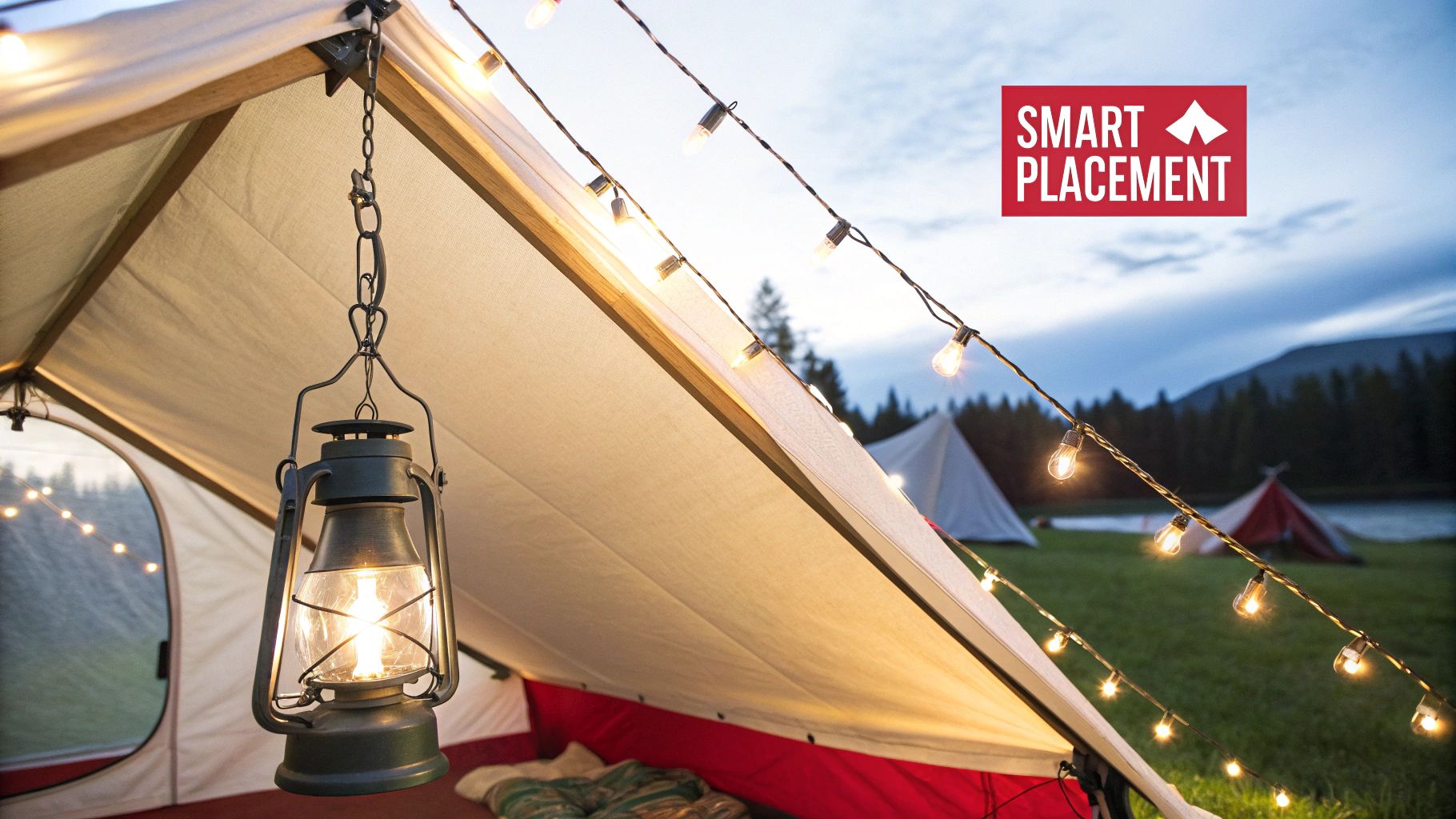
- Integrated Carabiners: These are a camper's best friend. They're perfect for quickly clipping your light onto your tent’s gear loops on the ceiling. This top-down position is the secret to soft, ambient light that spreads out nicely.
- Magnetic Bases: You don't see these as often, but they are incredibly useful. A magnetic base lets you stick your light to any metal surface—think tent poles, the side of your car, or a camp table. It's fantastic for getting focused task lighting exactly where you need it.
- Adjustable Straps: Many lanterns, especially solar ones, come with adjustable straps. These are great for slinging your light over a tree branch at the campsite or strapping it to your backpack to soak up some sun during a hike.
A little know-how about the science of light and shadow formation can go a long way in helping you light up your space without creating annoying dark spots. The real goal is to diffuse the light, not just point a harsh beam at one spot.
Creating the Perfect Ambient Glow
For the best all-around light inside your tent, hanging your lantern from above is king. Attaching it to a central gear loft is easily the most effective way to cast a wide, soft glow that keeps harsh shadows at bay.
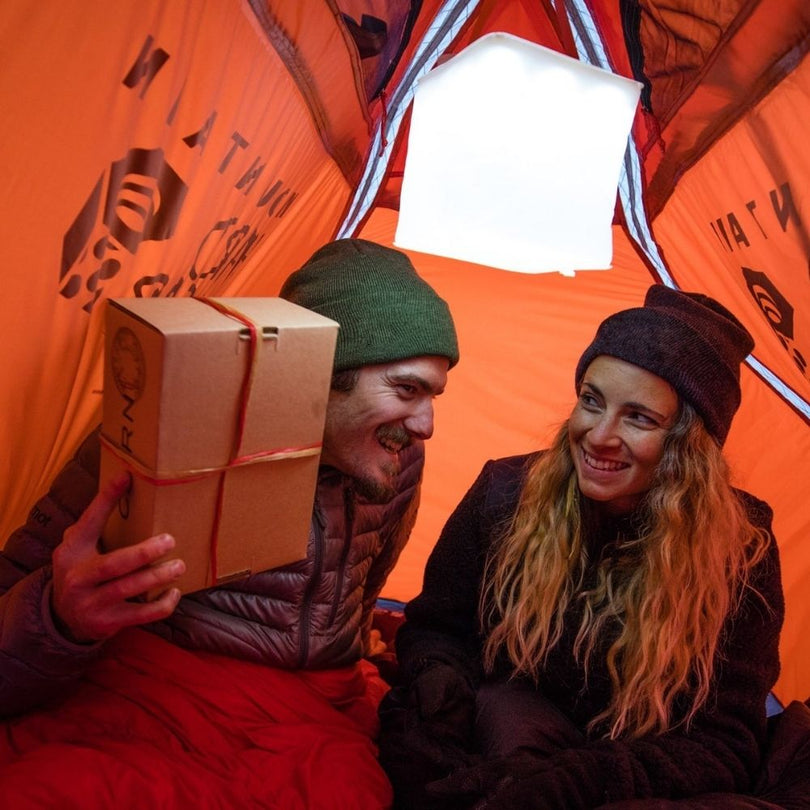
This is what's often called "area lighting." It essentially turns your entire tent ceiling into one giant lampshade, scattering the light for a comfortable, glare-free vibe. It's perfect for everything from organizing your gear and playing a round of cards to just kicking back and relaxing.
Want an even cozier feel? Try using string lights. Draping them along the ceiling or around the door creates a warm, inviting atmosphere that’s pretty tough to beat. For some creative inspiration, check out our article on using string lights for tents.
Essential Safety Practices for Tent Lighting
Smart placement isn't just about good vibes; it's also about safety. Sure, LEDs run way cooler than those old-school gas lanterns, but you still need to be careful to keep your campsite secure.
A well-lit tent is a cornerstone of a well-prepared campsite. Always double-check that your light is securely fastened, especially if it's hanging over your head—nobody wants a lantern falling on them in the middle of the night. Also, be sure to keep all lights, cords, and power banks clear of flammable stuff like your sleeping bag or loose clothes.
When your gear lives outdoors, it has to be tough. Your led tent lighting is no different. A light that seems great in the backyard can die a quick death after a surprise downpour or a clumsy drop on a rocky trail. Picking a light built to handle the elements isn't just about convenience—it's about having a reliable tool when you need it most.
Think about it: out in the wild, your gear is your support system. A dependable light means you can pitch your tent after sunset, dig through your pack for that extra layer, or make a late-night trip to the loo without stumbling in the dark. A little foresight here ensures your light will be ready to perform, no matter what nature decides to throw your way.
Cracking the Code on Weatherproof Ratings
The first thing you should look for on any outdoor electronic gear is its IP rating. It stands for Ingress Protection, which is just a fancy way of saying how well it keeps stuff out. This two-digit number tells you exactly how sealed the light is against solids (like dust) and liquids (like rain).
It’s like an armor class for your gear. The first number is for solids, the second for water. Honestly, for tent lights, it’s the water rating that really counts.
Here's what you'll typically see and what it actually means for you:
- IPX4 (Splash-Proof): This is your baseline. A light with an IPX4 rating can take splashes and rain from any direction. It’s perfect for most car camping trips where you might get caught in a shower.
- IPX7 (Waterproof): Now we're talking serious protection. This light can be completely dunked in up to a meter of water for 30 minutes and come out working. It’s total peace of mind if you drop it in a creek or get hammered by a real storm.
Why the Materials Make the Light
Beyond just keeping water out, the physical build of your light is a huge deal. Your gear is going to get knocked around, dropped, and shoved into a pack that’s already bursting at the seams. A light made from cheap, brittle plastic just isn't going to make it.
You want to see durable, shatter-resistant materials in the description. The best led tent lighting uses tough plastics like ABS or even flexible, shock-absorbing stuff like TPU (thermoplastic polyurethane). These materials are chosen for one reason: they can take a beating on the trail without cracking.
A light built with rugged materials is not a fragile gadget; it’s a dependable tool. It’s the difference between a light that lasts one season and one that accompanies you on adventures for years to come.
It’s clear that campers are voting with their wallets for gear that lasts. LED lighting already dominates the market because it's so efficient, but the demand for tough, rechargeable tent lights has exploded as people look for sustainable gear they can rely on. You can discover more insights about these market trends and see just how big this shift has become.
So whether you’re facing desert dust, a sudden thunderstorm, or just the usual bumps and bruises of life outdoors, a well-built, weatherproof light is non-negotiable. Miles from the nearest town, you need gear you can count on, and that absolutely includes a light that will shine bright no matter what.
Building Your Essential Camping and Emergency Kits
Now that we’ve covered the nuts and bolts of lumens, power, and durability, let's tie it all together. The perfect LED tent light doesn’t work in a vacuum; it’s the heart of a smart kit that keeps you safe, comfortable, and ready for anything. Think of it less as a single piece of gear and more as the anchor for your entire setup.
Below, we’ll walk through three distinct gear bundles, each built around a specific light that’s perfectly suited for the job at hand.
The Weekend Car Camper Kit
When you're car camping for the weekend, the game is all about comfort and capability. You're not counting every ounce, so your lighting can be powerful, versatile, and seriously convenient.
Your best bet is a beefy, USB-rechargeable lantern with a big battery and plenty of settings. This is the kind of light that can blast a large family tent with enough brightness for a late-night card game or meal prep, and you can just plug it into your car to recharge the next day.
Here's how to build out your kit:
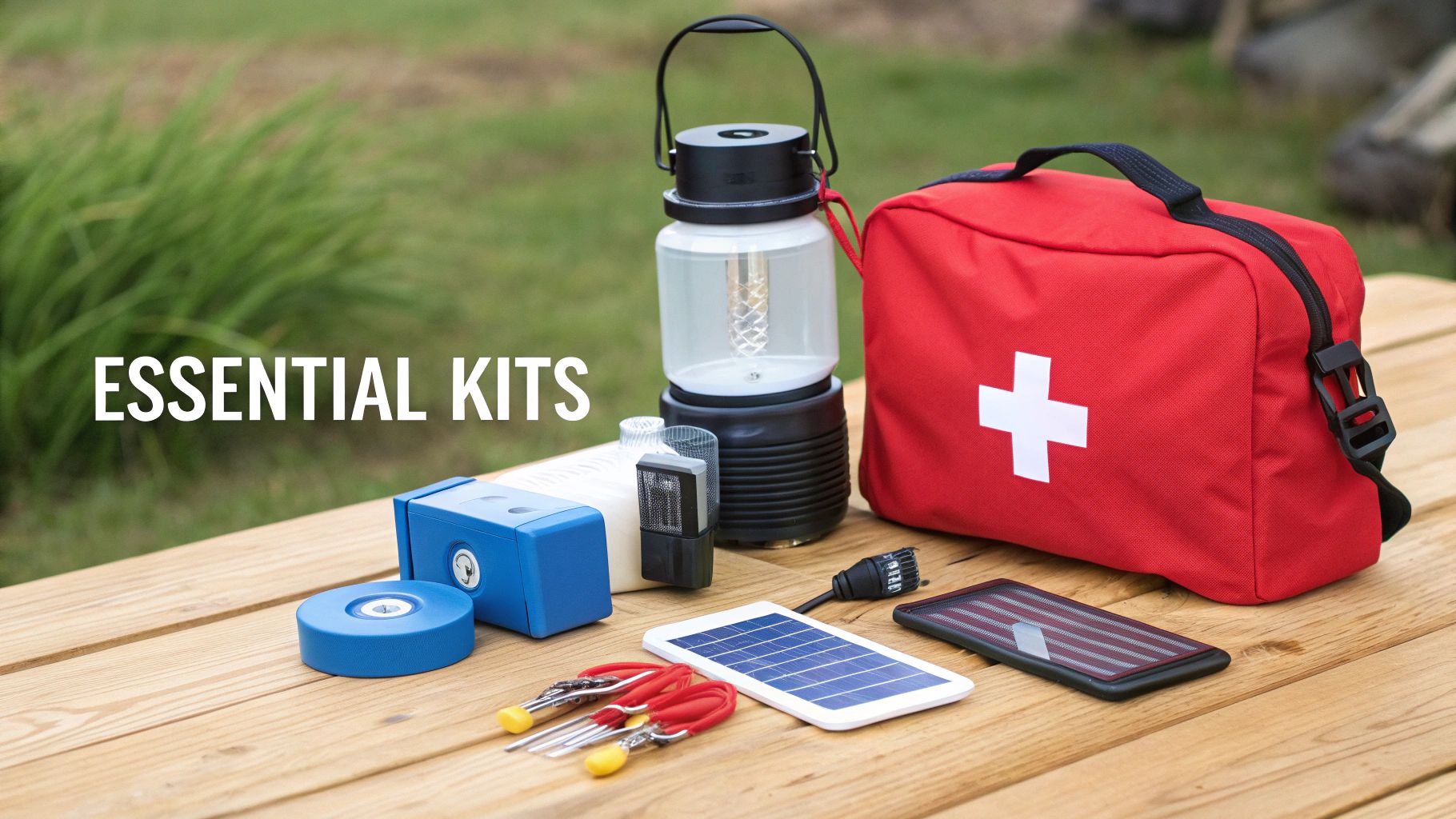
- Primary Light: A large, bright (300+ lumens) USB-rechargeable LED lantern. Bonus points if it has a built-in power bank to keep your phone juiced up.
- Paired Gear: A spacious multi-person tent, a classic two-burner camp stove, and an oversized cooler. It's all about creating a comfortable basecamp.
- Key Benefit: You get a powerful, reliable "home-away-from-home" lighting system that makes car camping more social, functional, and fun.
The Thru-Hiker and Backpacker Kit
Out on the trail, every single ounce matters. Your gear has to be ultralight, compact, and ruthlessly efficient. For a thru-hiker, lighting needs to be dead reliable for weeks on end without seeing a wall outlet, which makes solar the undisputed champ.
A lightweight, packable solar lantern is the perfect tool for this mission. Just clip it to your backpack to soak up rays while you hike, and you’ll have a guaranteed light source every single night without the dead weight of extra batteries.
Your ultralight bundle looks like this:
- Primary Light: An ultralight (under 5 oz), waterproof, and solar-rechargeable LED lantern. A collapsible design is a massive space-saver in a crowded pack.
- Paired Gear: A one-person ultralight tent, a minimalist canister stove, and a top-notch water filter. Every item here is either multipurpose or exceptionally light.
- Key Benefit: This stripped-down kit gives you total self-sufficiency. It's sustainable power and light for long-haul treks where you simply can't afford for your gear to fail.
A well-stocked kit is about more than just convenience; it’s a critical layer of safety. No matter your adventure, always include a comprehensive first-aid kit designed for the outdoors, like those from Adventure Medical Kits, to handle unexpected injuries.
The Home Emergency Prepper Kit
When it comes to home preparedness, your focus shifts to long-term reliability during a power outage or natural disaster. You need gear that works when nothing else does and supports other critical systems like communication and clean water.
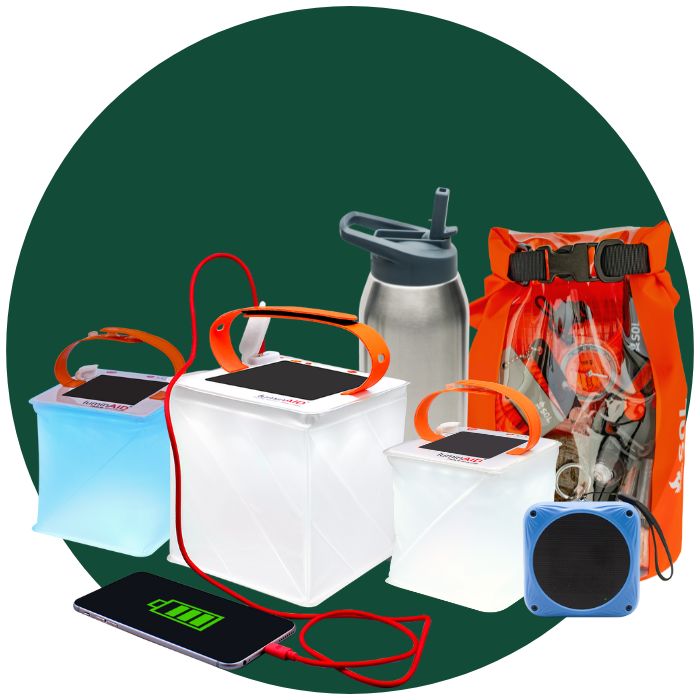
The ultimate choice here is a hybrid solar and USB-rechargeable lantern that doubles as a phone charger. This dual-charging capability gives you crucial redundancy, ensuring you have light and power even after days off the grid.
Here’s your home emergency loadout:
- Primary Light: A hybrid solar/USB LED lantern with a robust power bank that can give a smartphone at least one full charge.
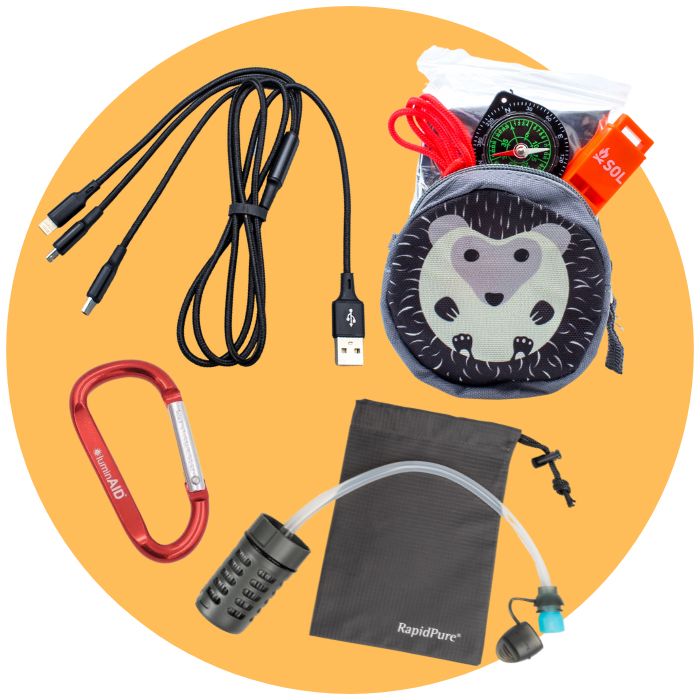
- Paired Gear: A reliable water filter from a brand like RapidPure for safe drinking water, a hand-crank weather radio, and a well-stocked emergency food supply.
- Key Benefit: This bundle creates a self-contained survival system. You’ve got light, power, communication, and clean water to keep your family safe and connected when it matters most.
LED Lighting and Essential Gear Bundles
Putting together the right combination of lighting and other essentials can feel overwhelming. To make it simpler, here’s a quick-glance table that matches the right light and gear to the right situation.
| Scenario | Recommended LED Light | Paired Essential Gear | Key Benefit |
|---|---|---|---|
| Weekend Car Camping | 300+ lumen USB-rechargeable lantern with power bank | Multi-person tent, camp stove, cooler | Maximum comfort and convenience for a basecamp setup. |
| Backpacking / Thru-Hiking | Ultralight (<5 oz) solar-rechargeable, collapsible lantern | Ultralight tent, canister stove, water filter | Complete self-sufficiency with minimal weight and bulk. |
| Home Emergency Prep | Hybrid solar/USB lantern with a strong power bank | Water filter, hand-crank radio, emergency food | Long-term reliability and redundancy for power outages. |
Think of this table as a starting point. Your personal needs might vary, but anchoring your kit with the right light ensures you’re never left in the dark, no matter what adventure or emergency comes your way.
Got Questions About LED Tent Lights?
Choosing the right light for your tent can bring up a few last-minute questions. That's totally normal. Getting some clear, straightforward answers is the best way to make sure you grab the right gear for your next adventure, whether you're planning a weekend trip or building out your home emergency kit.
Let's tackle some of the most common queries so you can make your final choice with confidence.
How Many Lumens Do I Really Need for My Tent?
For a typical 2-4 person tent, somewhere between 100-200 lumens is the sweet spot. That’s bright enough to read, sort through your gear, or play a game of cards without straining your eyes.
If you’re just looking for a soft, ambient glow to wind down, you can get by with as little as 30-50 lumens. The best lights have adjustable brightness settings, giving you the flexibility to go from bright task lighting to a gentle nightlight, all while saving battery power.
Are Solar Powered Tent Lights Reliable Enough?
Absolutely. Modern solar lanterns aren't the gimmicky toys they used to be. Today's high-quality solar panels can give a lantern a full charge with just 7-10 hours of decent sunlight, which translates to hours of light when you need it. They're a cornerstone for any sustainable, off-grid setup.
For longer trips or places with unpredictable weather, a hybrid model that also charges via USB is your best bet. This dual-charging capability gives you a failsafe, so you’re never left in the dark.
A lot of campers get hung up on solar reliability, but a hybrid system erases all doubt. Having both solar and USB means you’ve got a plan A for sunny days and a plan B for cloudy ones—a core preparedness principle shared by experts like those at Survive Outdoors Longer.
What’s the Big Deal With a Red Light Mode?
A red light mode is a game-changer for preserving your night vision. When you flip on a bright white light in the dark, your pupils constrict instantly, and it takes several minutes for your eyes to readjust once you turn it off.
Red light doesn't trigger this reaction. It's perfect for finding your headlamp, checking a map, or rummaging through your pack in the middle of the night without blinding yourself or waking up your tent mate. It's a small feature that makes a huge difference.
Can I Use My LED Tent Light to Charge My Phone?
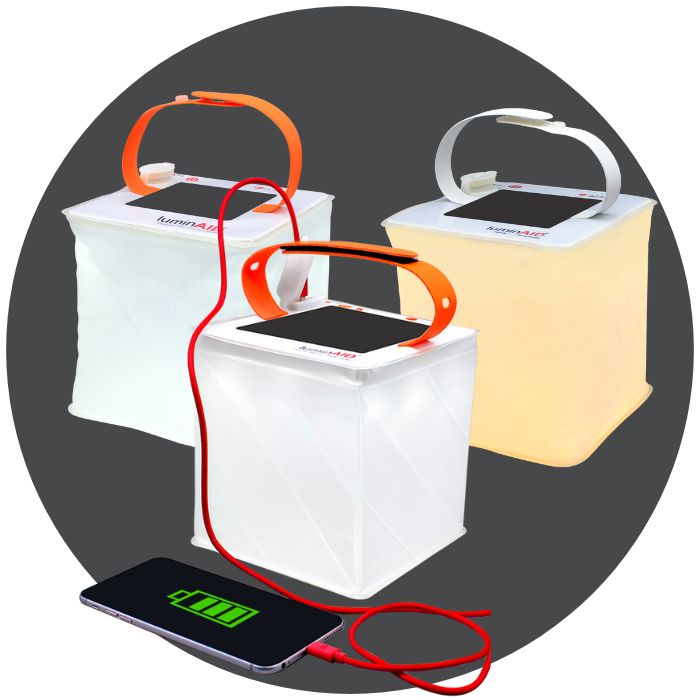
Yes, and it's an incredibly useful feature. Many modern LED lanterns now double as portable power banks, equipped with a USB output port. This 2-in-1 function is invaluable for topping off a phone, GPS unit, or other small electronics when you're away from an outlet.
If you're looking for a light that can charge your devices, pay close attention to the battery capacity, measured in mAh (milliamp hours). The higher the mAh number, the more juice it holds, giving you a better shot at a full phone charge when you really need it.
Ready to light up your next adventure? At LuminAID, we design solar lanterns and 2-in-1 phone chargers that are bright, reliable, and built to last. Shop our collection of off-grid lighting solutions and never get left in the dark again.