

Arrival often goes the same way. The children are hungry, the gear that seemed neatly packed at home is suddenly everywhere, daylight is fading, and the weather forecast looks less certain than it did that morning. That's when small camping inconveniences turn into bigger problems like a lost headlamp, a wet sleeping bag, a delayed dinner, or a child walking off while adults are distracted.
The best family camping hacks reduce decisions before those moments happen. They simplify the whole workflow so the campsite keeps functioning even when people are tired, cold, overstimulated, or trying to do three things at once. That matters more now that camping has become a mainstream family activity rather than a niche hobby. Active camping households in North America increased by 68% over 10 years, adding about 21.6 million active camping households, while the market welcomed 39 million new campers over that research period, averaging 4.4 million new campers per year, according to the 2024 North American Camping Report overview.
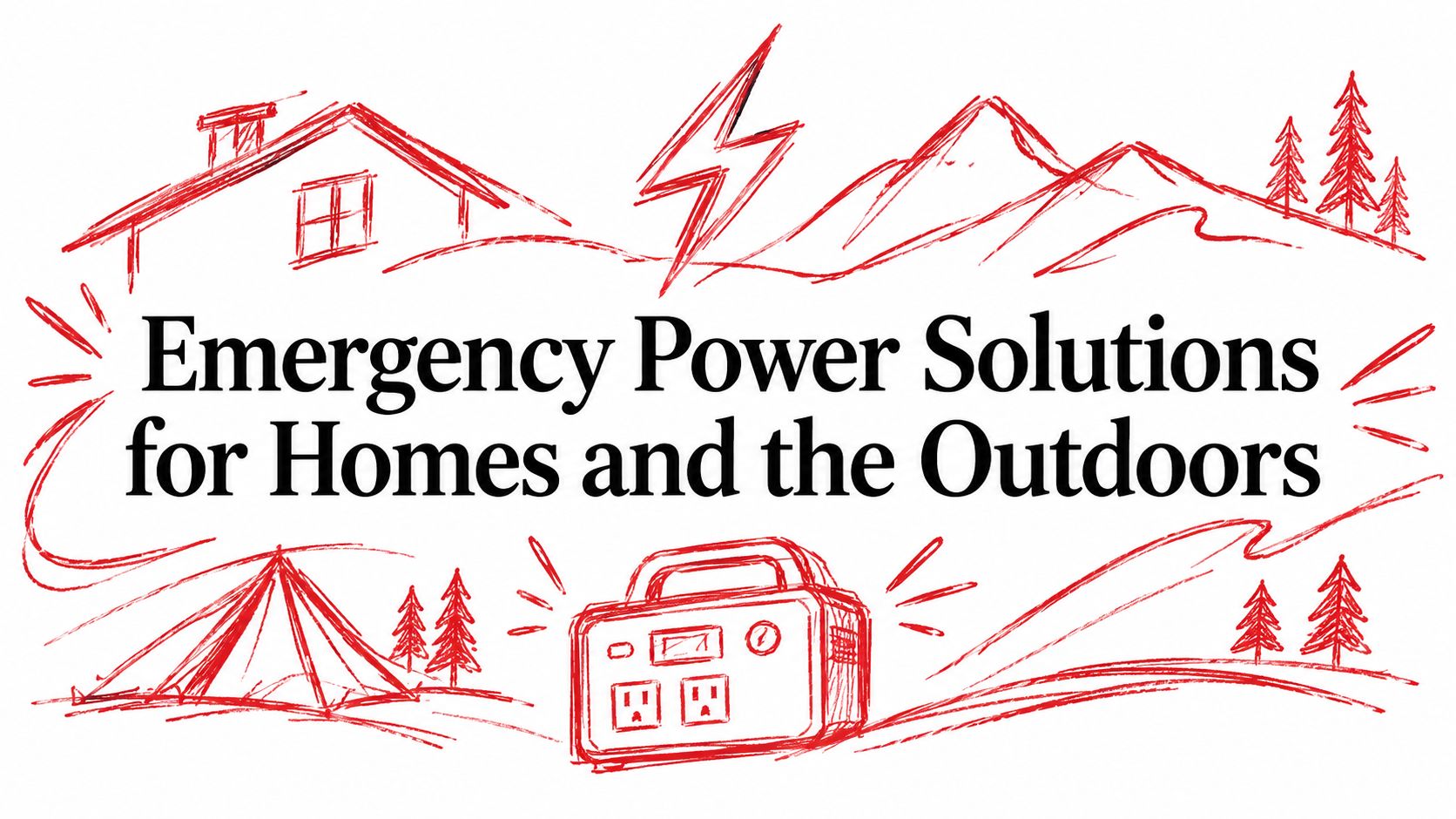
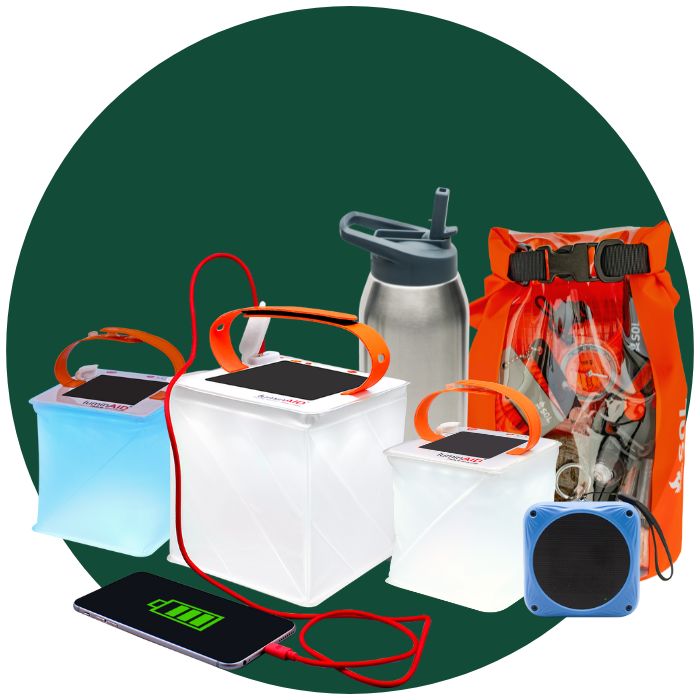
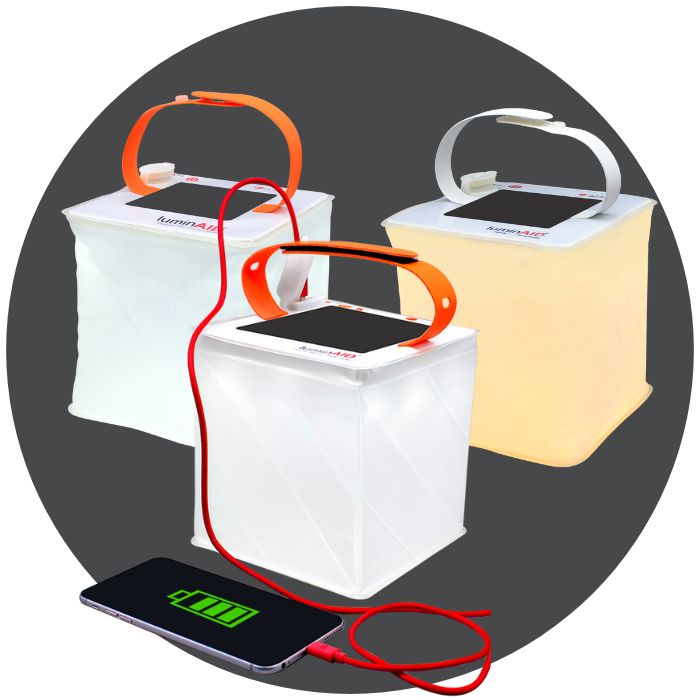
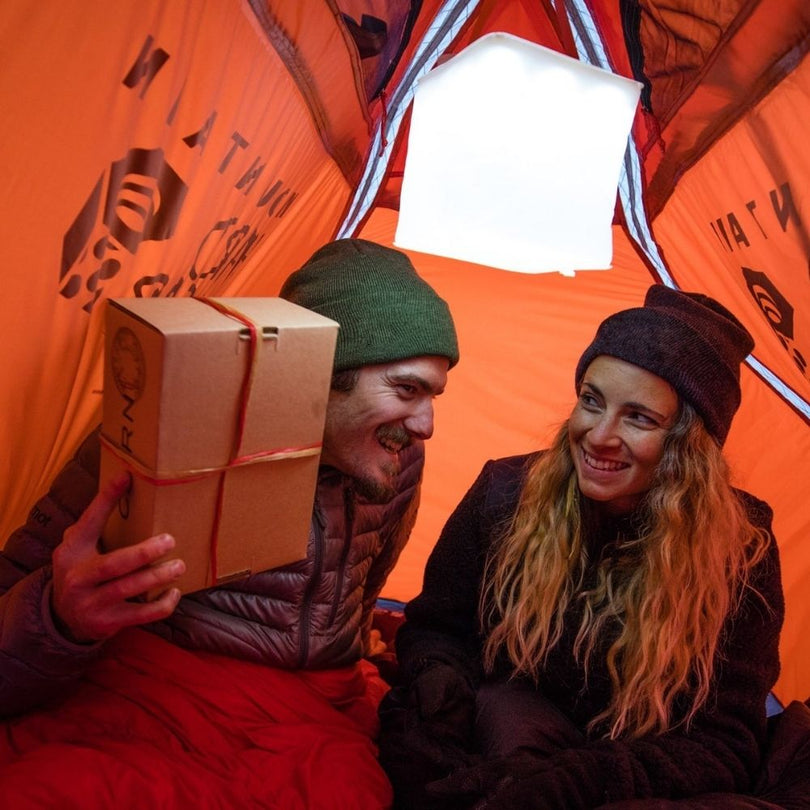
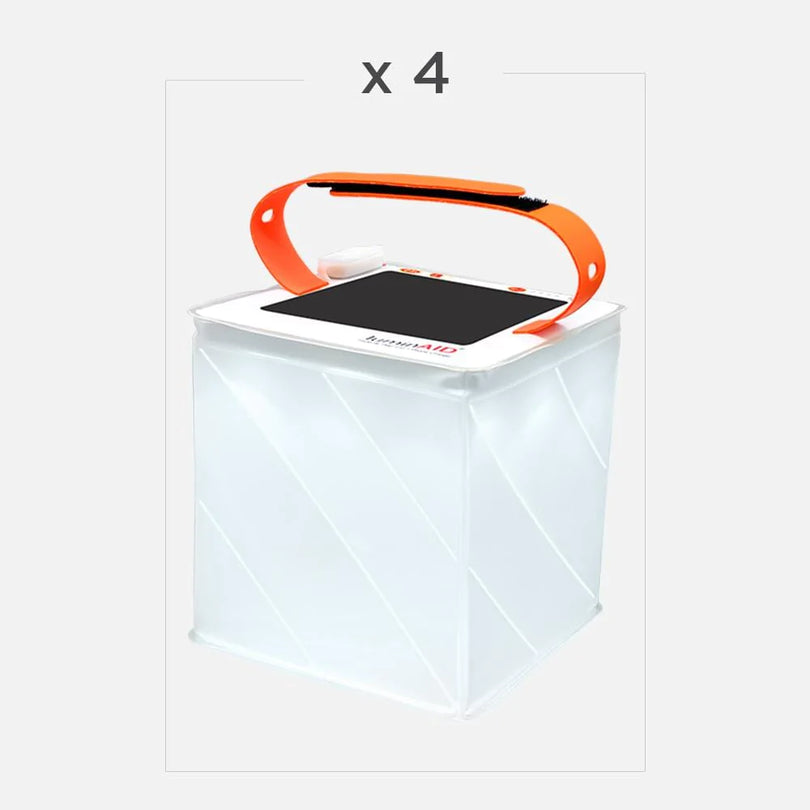
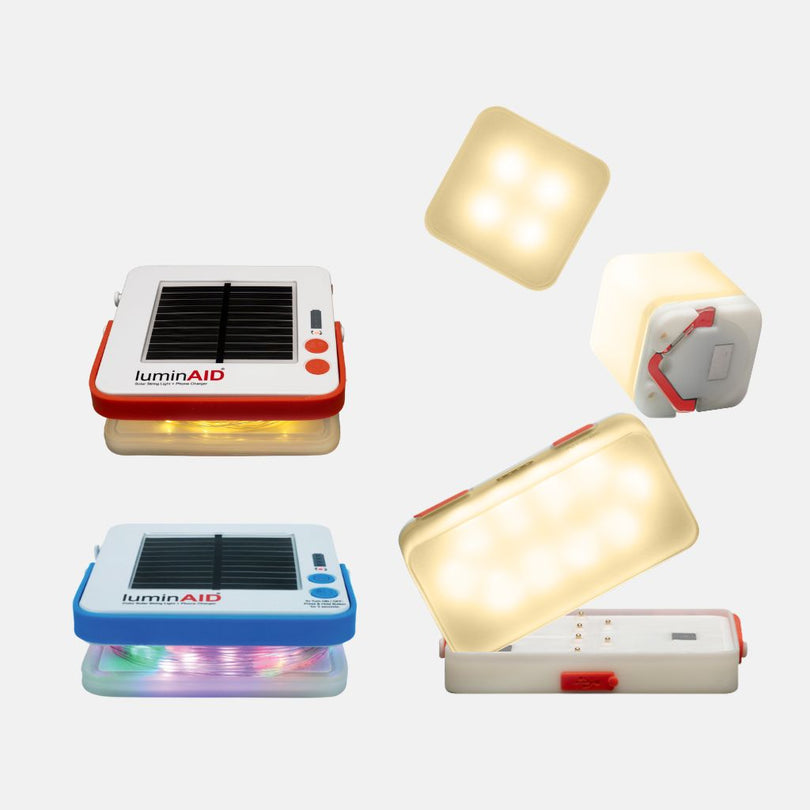
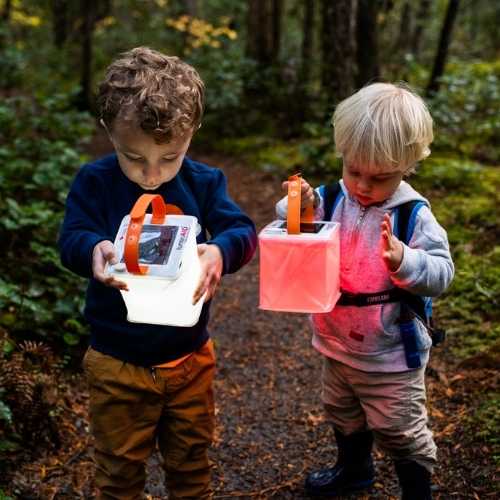
That wider audience includes plenty of families who need systems more than gear lists. A good setup covers packing, food, camp layout, routines, health protection, sleep, and off-grid lighting. It also helps to use lighting that can handle both nighttime visibility and device charging without creating a pile of dead disposable batteries. LuminAID solar lanterns fit naturally into that role because they can support camp illumination and USB phone charging.
For families heading out with babies or very young children, this Australian camping with baby checklist is also useful before the car gets loaded.
Table of Contents
- 1. Pack Solar-Powered Lighting to Eliminate Battery Waste
- 2. Create a Designated Charging Station for Group Electronics
- 3. Prep Meals and Snacks at Home to Minimize Camp Cooking
- 4. Use Dry Bags and Waterproof Containers for Organization and Protection
- 5. Implement a Buddy System and Communication Plan for Safety
- 6. Protect Against Insects and Manage Bug Prevention Strategically
- 7. Establish a Weather Monitoring and Contingency Planning System
- 8. Master Leave No Trace Principles to Protect Camping Areas
- 9. Build a Comprehensive First Aid Kit and Emergency Medical Plan
- 10. Optimize Sleep Quality Through Proper Sleep Systems and Camp Comfort
- Family Camping Hacks, 10-Point Comparison
- Turn These Hacks Into a Repeatable Camp Routine
1. Pack Solar-Powered Lighting to Eliminate Battery Waste
The fastest way to make a campsite feel chaotic is to rely on scattered flashlights with unknown battery life. Family camping works better when light is treated as part of the camp system, not an afterthought.
A solar lantern does two jobs at once. It provides shared area light for dinner, cleanup, and tent entry, and many models can also top off a phone when a family needs navigation, weather updates, or a bedtime audiobook. That's why solar lanterns for camping make more sense for multi-day family trips than a pile of disposable-battery torches.
What works in real camp setups
Place one lantern at the center of camp, not inside a single tent. A picnic table, canopy line, or the middle of a common area gives the light more reach and reduces the usual problem of everyone carrying “their” light away from the group. For larger families, one lantern near the cooking area and one near the sleeping area usually works better than chasing maximum brightness from a single light.
Independent buyer-signal analysis on portable solar camping lanterns found that the strongest positive drivers were bright light output at 29.9%, emergency preparedness at 11.7%, compact design at 9.8%, and good value at 9.6%, while the main complaints were not bright enough at 30.4%, flimsy construction at 13.2%, short lifespan at 12.2%, and slow charging at 8.1%, as summarized in this discussion of camp lighting gear and solar lantern buying signals.
Practical rule: For family camping hacks, brighter isn't enough. Shared-use camp lighting needs durability, decent recharge options, and enough runtime that parents aren't rationing light after dinner.
The trade-off is simple. Solar-powered lighting reduces battery waste and clutter, but it requires daytime charging discipline. Lanterns should go into direct sun during the day, then shift to lower modes if clouds roll in or the trip runs longer than planned.
2. Create a Designated Charging Station for Group Electronics
A family campsite gets messy when every person charges devices wherever they happen to sit down. One cable ends up in a tent, another under the front seat, another in a tote with snacks, and the one phone needed for maps is somehow at five percent.
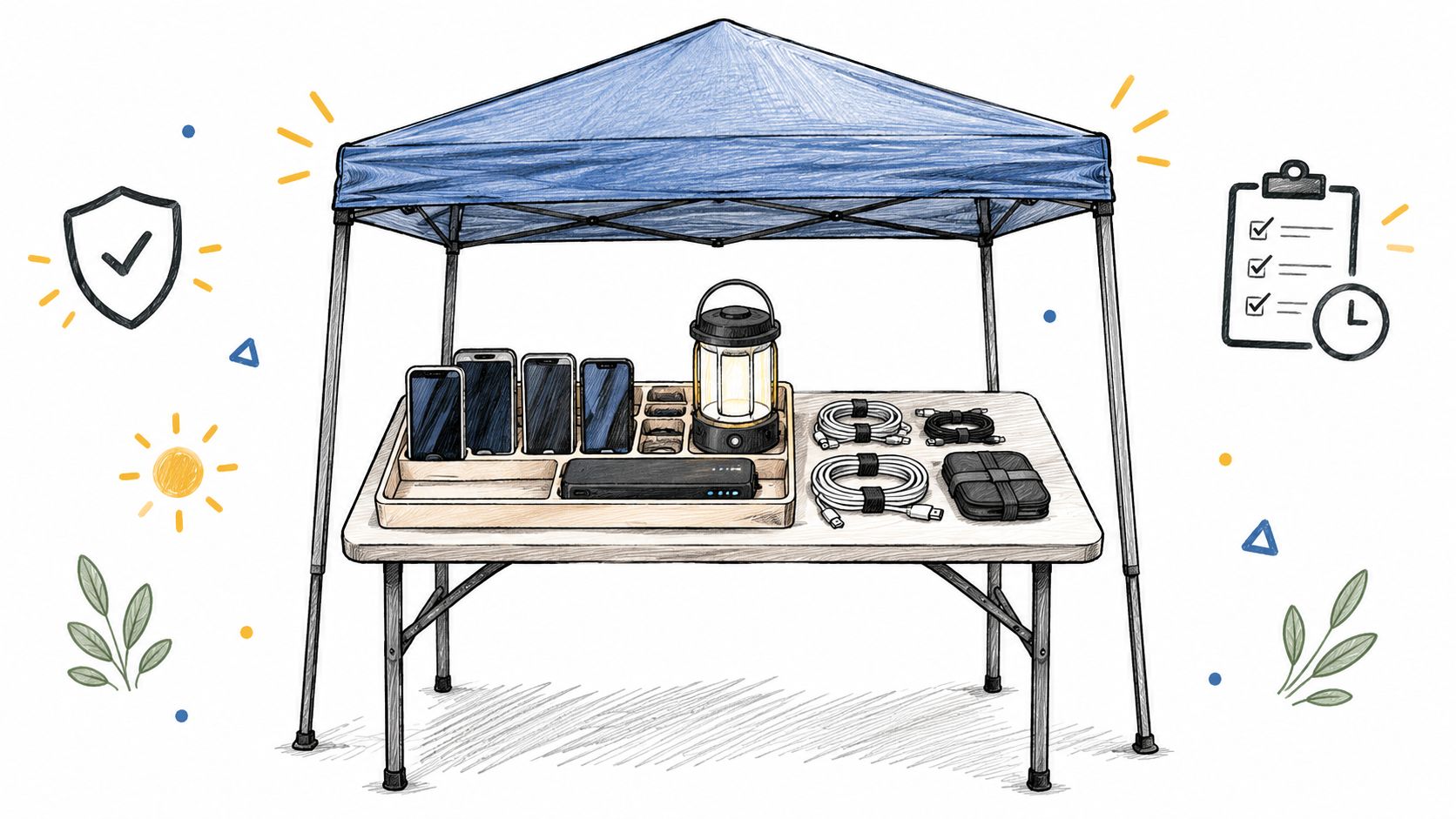
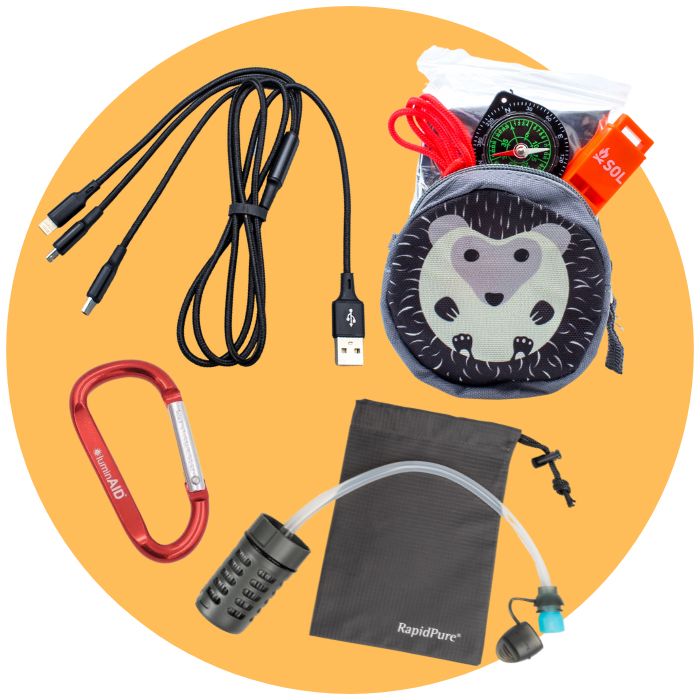
A designated charging station fixes that. Put it under a canopy, vehicle hatch, or awning where devices stay shaded and dry. Then keep all cables, adapters, and backup power in one weather-resistant bin or dry bag. Families using a solar power bank for camping alongside solar lanterns with USB output usually find that power becomes easier to manage when charging happens on a schedule instead of on demand.
How to keep the station from becoming another junk pile
The most effective setup is simple:
- Choose one charging surface: A camp table corner or plastic bin lid keeps devices off the ground and out of runoff.
- Assign charging windows: Breakfast, quiet time, and dinner prep are practical times because adults are already in camp.
- Protect critical devices first: Weather phones, maps, GPS units, and medical devices come before tablets and entertainment gear.
- Give one adult control: A “power manager” prevents constant cable swapping and keeps everyone from draining the backup supply.
This matters even more on mixed-age trips. Camping with extended family isn't unusual. The 2025 Camping and Outdoor Hospitality Report says 22% of families camp with grandparents and or extended family members. A central station helps those larger groups avoid friction because everyone can see what's charging, what's full, and what needs to wait.
The trade-off is convenience versus discipline. A charging station works best when the family agrees that not every device needs unlimited access all day.
3. Prep Meals and Snacks at Home to Minimize Camp Cooking
Most family camping meal problems start before the trip. People pack ingredients instead of actual meals, then arrive hungry and still need to chop, sort, and cook.
Home prep solves that better than almost any camp-kitchen upgrade. Cook or portion meals before departure, label everything, and pack each meal as a single unit. Families who build around camp kitchen organization usually cut dinner stress more than families who just bring more cookware.
The meal setup that usually works
Breakfast is the easiest place to win. Overnight oats, burritos, muffins, fruit, and snack packs let adults get food into children quickly while the rest of camp comes online. Lunch should be even simpler. Wraps, pasta salad, cut vegetables, and cooked proteins travel better than a fully assembled sandwich station.
The CDC's camping food safety guidance says food should be packed in tight, waterproof bags or containers, kept in an insulated cooler, handled with frequent hand and surface washing, kept separate when raw and cooked, cooked properly, and chilled promptly. That means the best make-ahead meal plan isn't just about speed. It also limits how long food sits exposed on a warm table while tired adults hunt for spatulas.
Prepped food is one of the most underrated family camping hacks because it cuts both stress and food-safety mistakes.
A good real-world pattern is to bring two fully cooked dinners, one easy skillet meal, and one no-cook fallback meal in case rain, late arrival, or exhausted children derail the evening. For extra planning help, these practical freezer meal tips can translate well to camp food prep.
The trade-off is less meal spontaneity. The payoff is that hungry children eat sooner, cleanup gets shorter, and adults aren't trying to play short-order cook in the dark.
4. Use Dry Bags and Waterproof Containers for Organization and Protection
Rain usually exposes a weak packing system fast. Someone needs dry socks, a headlamp is missing, and the one bag with medications ended up under three duffels in the car.
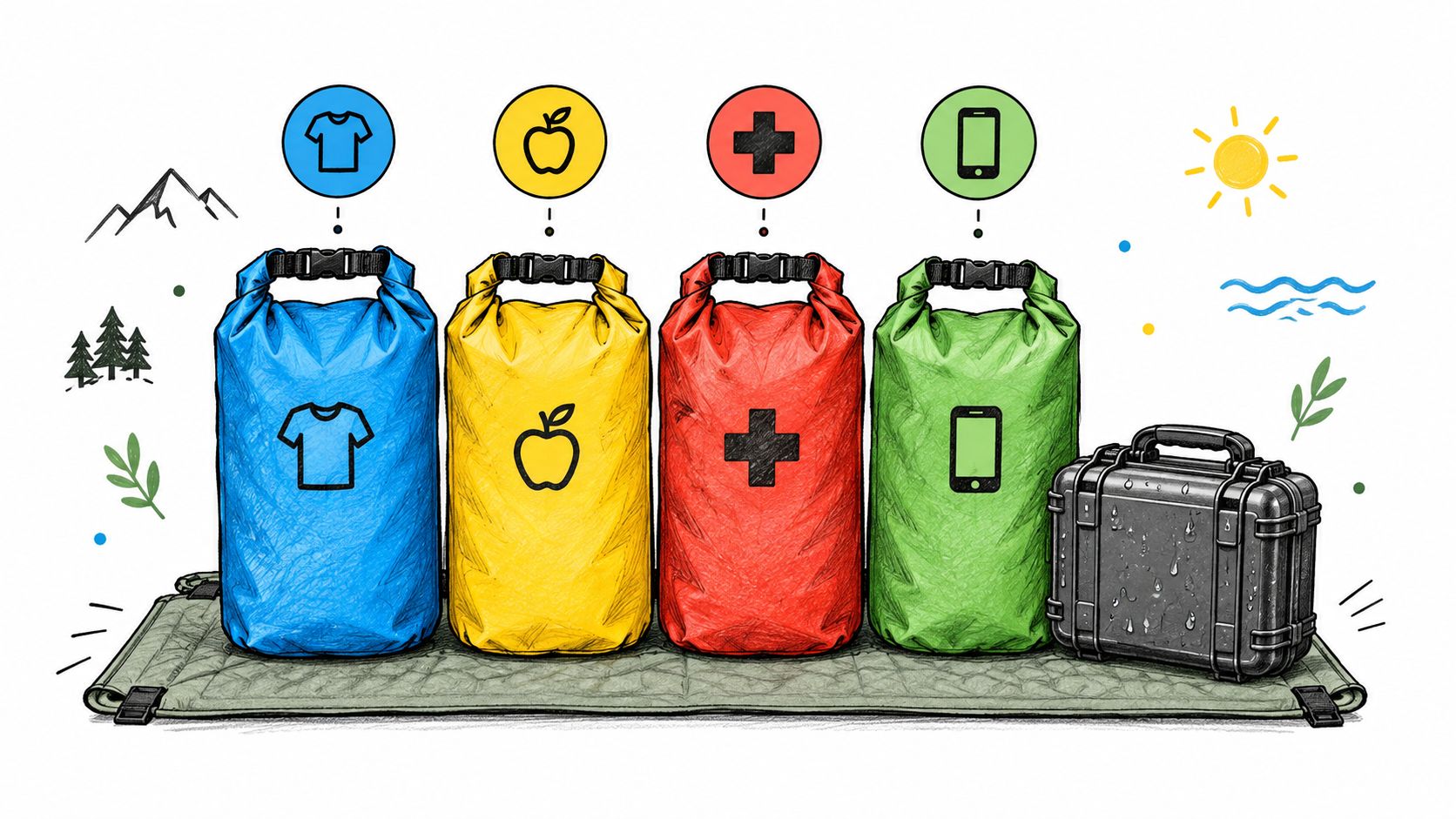
The fix is to pack by moment, not just by person. Set up the system so the family can get through arrival, wet weather, bedtime, and a fast morning departure without unloading half the vehicle.
A setup that holds up well looks like this. One dry bag per child for clothing. One shared bin for kitchen gear that gets opened often. One sealed bag for medical items. One small “night bag” with headlamps, pajamas, toothbrushes, and the items parents always end up searching for after sunset. Clear or labeled waterproof containers work better for hard gear and anything used repeatedly. Roll-top dry bags work better for spare layers, sleeping clothes, and towels.
That division matters because different gear fails in different ways. Clothing mostly needs moisture protection. Cables and battery packs need both water protection and a predictable home. Medications need fast access more than they need deep storage. For a family with toddlers, the bedtime bag saves the most frustration. For a family with older children who change in and out of layers all day, individual clothing bags prevent the usual pileup inside the tent.
One caution is easy to miss. Waterproof storage is not food storage in animal country. In places with bears, food and scented items still have to follow local rules. Yellowstone's bear safety guidance says food and scented items should be hung with at least 35 feet of rope, 10 feet above the ground, and 4 feet from tree trunks, and backcountry campers should sleep at least 100 yards from the area where food is stored and prepared.
The trade-off is extra sorting at home and more labels to maintain. The payoff comes later. Setup is quicker, wet gear stays contained, and departure morning turns into a repack job instead of a campsite scavenger hunt.
5. Implement a Buddy System and Communication Plan for Safety
The highest-friction safety moments at a campground are usually ordinary ones. A child heads to the bathhouse. Two cousins pedal to the loop road. Someone follows a sibling to the water spigot, and the adults at camp assume another adult is tracking it.
A workable system needs to cover those small departures, not just hikes.
Set it up before anyone wanders. Define the family's boundaries on arrival, name one rally point, and decide who can go where without an adult. For younger children, that often means an adult buddy for every bathroom trip and water run. For grade-school kids in a quieter campground, it can mean moving in pairs between the site, bathhouse, and host station, with a check-in time everyone can repeat back.
I use one simple test. If a child leaves camp, an adult should know three things immediately: who they are with, where they are going, and when they should be back.
A whiteboard on the picnic table handles this better than repeated reminders, especially for multi-family or multi-generational trips. Write down names, destination, and return time. The trade-off is that it feels formal for a leisure trip, and older kids may push back at first. In practice, resistance drops when the rules are consistent for everyone, including adults taking a shower or walking to a neighboring site.
A few tools make the plan hold up in real use:
- Pair intentionally: Younger children need a specific person, not a loose group assignment.
- Use whistles only for clear signals: Give children one simple instruction, such as three blasts if they need help, and practice it once.
- Keep routes boring and repeatable: The safest freedom is usually the same short path used again and again.
- Post return times: “Back in 10 minutes” works better than “we're just going over there.”
This matters more on trips with grandparents, cousins, and mixed schedules, where supervision shifts hour by hour. Analysts behind the 2025 Camping and Outdoor Hospitality Report noted continued demand for family and multigenerational camping, which matches what many campgrounds already see on the ground. More people at one site usually means more movement, more assumptions, and more chances for someone to go untracked.
For off-site coordination before a trip, this guide to choosing a family safety app can help families compare options. Digital tools can help, but they do not replace a campsite plan. Cell coverage can be weak, phones get left on picnic tables, and younger children cannot be expected to solve a separation with an app.
6. Protect Against Insects and Manage Bug Prevention Strategically
The bug problem usually starts at the hour families want camp to feel easiest. Dinner is on, kids are sweaty, shoes come off, and someone realizes the repellent is still in the car.
A better setup treats insect control as part of the evening routine and the overnight health routine. That matters for comfort, but it also matters because repeated bites, scratching, and missed tick checks can turn a simple trip into a rough night or a post-trip problem.
The CDC's guidance on mosquitoes, ticks, and other arthropods supports a layered approach: long sleeves and pants, closed shoes, hats, tucked clothing when needed, and an EPA-registered repellent with approved active ingredients. Families do not need perfect coverage all day. They need the right protection at the right times.
One pattern works well in camp. Keep a small “bug stop” near the tent or picnic table with repellent, wipes, and a headlamp for tick checks. Before the evening walk, campfire, or bathroom run, everyone switches into lightweight long sleeves and closed shoes if the site has grass, brush, or standing water nearby. That setup takes a few minutes and cuts down on the nightly scramble.
The trade-off is obvious. Long pants and sleeves can feel hot, and some children hate the clothing change right when they want to play. In warm weather, lighter fabrics help. So does timing. Put bug clothes on before dusk instead of waiting until mosquitoes are already active and everyone is annoyed.
Tick prevention needs its own habit because it fails if not done carefully. Do one check before bed, not the next morning when the family is rushing into breakfast or a hike. Focus on hairlines, behind knees, underarms, waistbands, and around sock lines. Younger children need an adult to do this well. Older kids can learn, but they still miss spots.
Site choice also changes the workload. A breezier, drier campsite usually means fewer bugs than a low, damp spot near still water, even if the shaded site looks nicer at first glance. Screened shelters and tents zipped promptly help too. Products from brands such as After Bite or Natrapel can earn a place in the medical bin, but they work best as backup tools, not the whole plan.
7. Establish a Weather Monitoring and Contingency Planning System
Weather changes camping faster than almost anything else. A trip can go from relaxed to miserable in one windy afternoon if the family doesn't have a routine for checking conditions and adjusting plans.
Many family camping hacks become more than convenience tricks. They become decision tools. If meals are prepped, sleeping gear is organized, and lighting is charged, the family has more room to respond calmly when rain or cold moves in.
Build weather decisions into the day
Check the forecast before departure, check it again on arrival, and check it each morning if service is available. Then tie those checks to decisions. If storms are possible, day hikes start earlier. If a temperature drop is coming, dry sleep clothes get set out before dinner. If wind is building, loose gear gets secured before the family leaves camp.
One practical problem is the digital side of modern camping. Families increasingly want traditional outdoor time while still keeping maps, communication, and basic device access available off-grid. Reporting on camping trends and digitalized travel expectations reflects that shift toward hybrid outdoor use, where power, connectivity, and routine planning matter more than older advice accounted for.
A forecast only helps when it changes behavior. Families need a clear trigger for when plans get shortened, moved, or canceled.
The trade-off is that weather planning can feel overly cautious, especially at developed campgrounds. In practice, it reduces rushed decisions, wet bedding, and those miserable evenings when everyone is trapped under a tarp with no backup plan.
8. Master Leave No Trace Principles to Protect Camping Areas
Sunday morning is when many family campsites show what the trip really cost the place. A few crumbs under the picnic table. Wet wipes in the fire ring. A shortcut worn through brush because unloading felt easier that way. Leave No Trace matters here because the damage usually comes from small, ordinary choices, not dramatic mistakes.
For families, the useful approach is to tie Leave No Trace to the camping workflow already happening. Arrival sets the footprint. Meals create most of the smellables and trash. Evening routines determine whether wildlife gets rewarded. Departure decides whether the site looks used or occupied for a night.
Glacier National Park's bear-country rules are a good standard to borrow even outside bear country. The park says all edible items, empty food containers, clean or dirty cookware, and trash, including feminine hygiene products, need to be stored in a vehicle, designated food locker, or hung when not in use, day and night.
A practical family setup looks like this:
On arrival: Stay on the established pad, tent site, and paths, even if another corner looks prettier or flatter. The trade-off is less freedom in layout. The payoff is avoiding new ground damage, especially with kids who run repeated loops between the tent, car, and bathroom.
During meals: Assign one adult or older kid to be the “last-food check” before anyone leaves the table. That means scraps into the trash bag, stove cooled and stored, table wiped, cooler latched. The trade-off is a few extra minutes after eating. In raccoon-heavy campgrounds or any site with scavenging birds, those minutes save a lot of cleanup later.
Before dark: Lock up smellables before bedtime fatigue sets in. Families who wait until the kids are in pajamas usually miss something, often a snack bag in a daypack or marshmallows left in a tote. Early storage is less convenient, but it is easier than reorganizing camp after an animal visit.
At departure: Walk the site slowly in a grid, not casually. Check under the table, around the fire ring, and where chairs sat. This is the step that catches bread ties, toy parts, and micro-trash that children drop without noticing.
Children usually follow the visible standard adults set. If adults pocket wrappers, use marked paths, and reset the site before leaving, kids treat that as part of camping rather than a separate lecture.
The trade-off is real. A cleaner camp routine can feel stricter and less relaxed, especially on short trips. It protects the next family's campsite, reduces wildlife conflicts, and keeps public campgrounds open and usable.
9. Build a Comprehensive First Aid Kit and Emergency Medical Plan
The first medical problem on a family trip is usually small and badly timed. A sliced finger while setting up, a scraped shin on the picnic table, a child with a fever after dark, or a missed dose of a daily prescription can derail the evening fast if supplies are scattered.
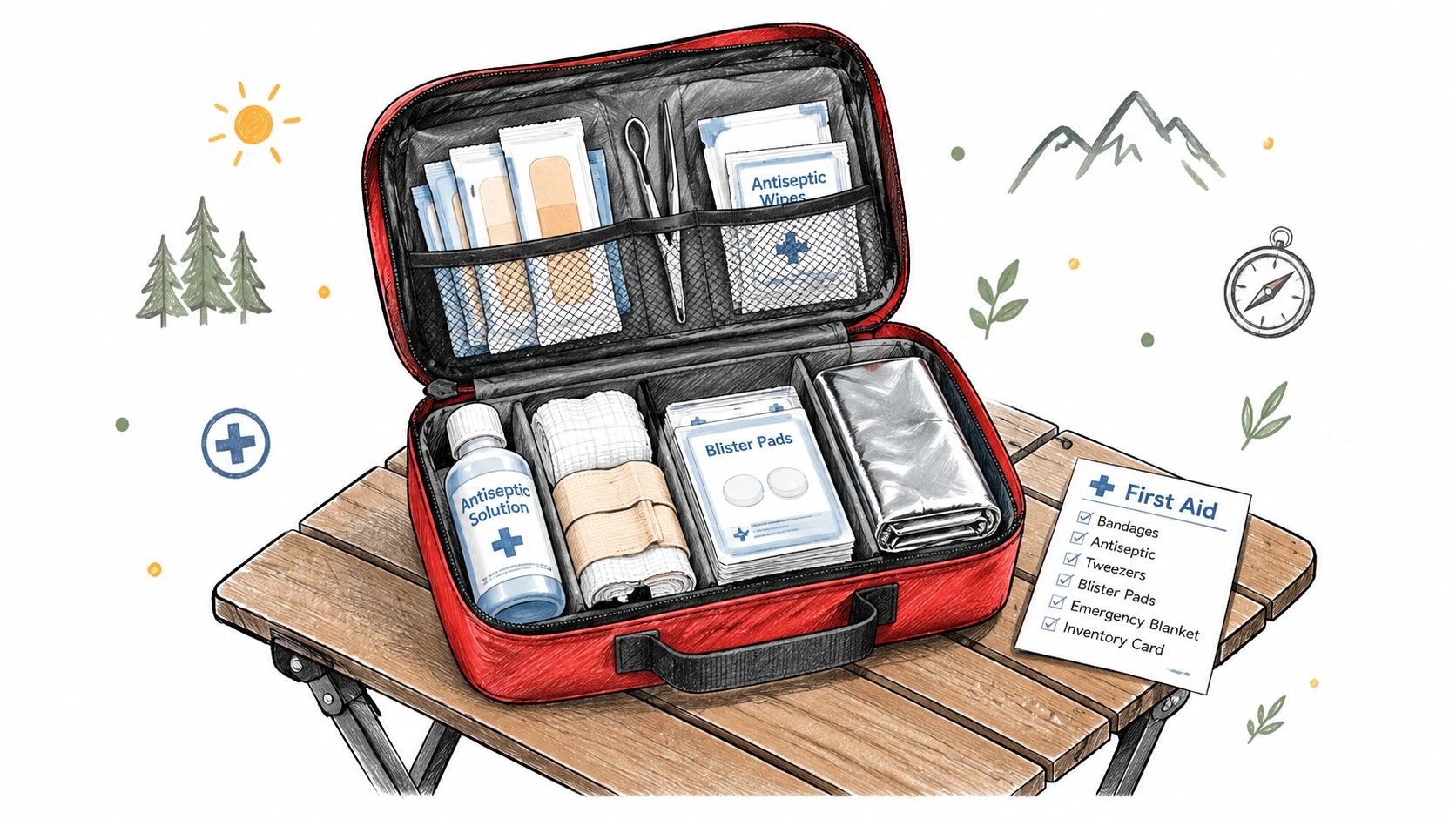
Set up one clearly labeled medical bag for shared supplies, then keep personal medications with the person who needs them. That arrangement works better than stuffing everything into one pouch. Adults can grab bandages or blister care quickly, and time-sensitive items such as inhalers, EpiPens, or seizure medication stay immediately available. The trade-off is managing two layers of gear instead of one. For families with young kids, older relatives, or anyone with allergies, that split usually reduces mistakes.
Store the main kit somewhere every adult can reach in under a minute. In a campground, that often means the same tote or car-door pocket every trip, not the bottom of a duffel.
The supplies should match the trip and the group. A walk-in tent site with a playground and paved bathhouse calls for common wound care, fever medicine, tweezers, blister treatment, and backup prescriptions. A larger site with biking, fishing, or uneven trails may justify elastic wraps, a cold pack, and more gauze. Families can also start with outdoor-focused kits from companies such as Adventure Medical Kits, then adjust them for children, regular medications, and the actual activities planned.
The medical plan matters as much as the kit. Before leaving home, confirm four things: who has the car keys, where the nearest urgent care or hospital is, which adult stays with the injured person, and which symptoms mean it is time to stop treating the issue at camp and get professional help. Written allergy and medication information belongs on paper in the kit, not only on a phone that may be dead or out of service.
A simple setup works well for multi-age trips:
- Shared first aid bag for cuts, blisters, wraps, thermometers, and basic medicines
- Personal medication pouch for each person who uses daily or emergency medication
- One paper card with allergies, medication names, emergency contacts, and the closest care options
- One adult assigned to check the kit before each trip and replace used items after each trip
A quick visual refresher can help families think through omissions before they leave:
The cost is extra prep, plus a little pack space. The payoff is faster decisions and calmer responses when someone is hurt, sick, or frightened.
10. Optimize Sleep Quality Through Proper Sleep Systems and Camp Comfort
The rough part often starts at 2 a.m. A child is cold, one adult can feel every root under the tent floor, and the person nearest the door is climbing over sleepers to find a headlamp. Families rarely end a trip early because dinner was plain. They cut trips short because nobody slept.
Good camp sleep comes from a system, not one expensive sleeping bag. Ground insulation, moisture control, ventilation, bathroom access, and familiar bedtime cues usually matter more than adding another blanket. The National Park Service advises campers to stay dry, match sleep gear to expected conditions, and ventilate tents to reduce condensation and cold discomfort. Those basics line up with what works in family campsites.
Build the sleep setup before anyone is tired
Set up the tent interior while there is still daylight. Put each person's sleep clothes and tomorrow's base layer in a dry bag at their spot. Keep shoes pointed toward the door, place one low-glare light where an adult can reach it fast, and make the path to the tent exit obvious enough that a half-awake child can follow it.
This is the part families skip when the evening feels rushed.
A practical setup for a four-person campsite looks like this:
- Sleeping pad with enough insulation for the season, not just an air mattress
- Dry sleep clothes that never get worn around the fire
- Pillow from home or a small camp pillow in a washable cover
- One light source for tent exits, kept low so it does not wake everyone
- Bathroom kit near the door, such as shoes, jacket, headlamp, and toilet paper in one bag
The trade-off is bulk and a few more minutes of setup. The benefit is fewer wake-ups, less confusion at night, and a better next morning.
Fix the common sleep failures in the right order
Start with the ground. Sleeping bags trap warmth poorly if the body is losing heat into cold ground, so children on thin pads often wake up cold even in bags rated for lower temperatures. For shoulder-season trips, I would upgrade the pad before buying a heavier bag.
Next, manage moisture. Kids who fall asleep in damp socks or smoky sweatshirts usually get colder after midnight. A separate set of dry sleep layers takes pack space, but it solves one of the most common comfort problems in family camping.
Then handle airflow. A tightly sealed tent can feel warmer at bedtime, but condensation builds fast from four people breathing overnight. Cracking vents or opening rainfly gaps where conditions allow often keeps bags and clothing drier by morning. The trade-off is a little more cool air early in the night.
Match the setup to the family member, not just the forecast
Toddlers, older kids, teens, and grandparents do not sleep the same way outdoors. Younger children usually need routine and reassurance more than technical gear changes. Older adults may need a higher sleeping surface or a thicker pad to get up comfortably at night. Teens often tolerate colder air but still sleep badly if they have no organized place for layers, glasses, or chargers.
A good family system accounts for those differences without turning the tent into a gear pile. Give each person one defined sleep zone and one small bag for bedtime items. That keeps the tent usable after dark and cuts down on the “where is my flashlight” problem.
The cost is less minimalism. The payoff is that the sleep system supports the full trip, not just bedtime.
Family Camping Hacks, 10-Point Comparison
| Item | Implementation complexity | Resource requirements | Expected outcomes | Ideal use cases | Key advantages |
|---|---|---|---|---|---|
| Pack Solar-Powered Lighting to Eliminate Battery Waste | Low, buy and pack; plan charging windows | Solar lanterns/panels, USB cables, sunlight | Reliable night lighting; fewer disposable batteries; device charging | Multi-day trips, remote campsites, family campgrounds | Eliminates disposable batteries; sustainable; dual light/charger function |
| Create a Designated Charging Station for Group Electronics | Medium, setup, scheduling and oversight | Canopy/table, power banks/solar lanterns, cables, weatherproof box | Organized charging, prioritized devices, fewer conflicts | Large families, multi-generation groups, device-heavy trips | Centralized management; protects gear; easier power allocation |
| Prep Meals and Snacks at Home to Minimize Camp Cooking | Medium, planning, cooking, packaging in advance | Time, cooler/freezer space, containers, labeling supplies | Less camp cooking time, lower fuel use, consistent meals | Families with young children, busy itineraries, limited camp cooking | Saves time; reduces fuel and food waste; predictable nutrition |
| Use Dry Bags and Waterproof Containers for Organization and Protection | Low, adopt packing system and labeling | Dry bags, waterproof containers, waterproof markers | Protected gear, reduced loss/damage, faster setup/breakdown | Wet environments, river crossings, family organization | Protects valuables and food; simplifies packing; color-coding speeds retrieval |
| Implement a Buddy System and Communication Plan for Safety | Low–Medium, set rules and enforce discipline | Whistles, written plans/whiteboard, assigned coordinator, basic signals | Fewer separations, faster emergency response, clearer oversight | Hiking, mixed-age groups, unfamiliar or large areas | Dramatically reduces separation risk; teaches responsibility; improves rescue readiness |
| Protect Against Insects and Manage Bug Prevention Strategically | Medium, combine methods and prep | Repellents, protective clothing, nets/screens, campsite choice | Fewer bites, lower disease risk, improved comfort and sleep | Mosquito/tick-prone areas, dusk activities, humid regions | Prevents disease transmission; reduces discomfort; multi-layered protection |
| Establish a Weather Monitoring and Contingency Planning System | Medium, ongoing monitoring and contingency setup | Weather apps/radar, contingency gear, emergency communication | Fewer weather surprises, safer activity choices, prepared shelter | Areas with variable weather, storm seasons, long trips | Prevents hazardous exposure; enables proactive plan changes |
| Master Leave No Trace Principles to Protect Camping Areas | Medium, education and consistent practice | Knowledge/resources, waste bags, suitable stove/gear, discipline | Minimized environmental impact; preserved sites; responsible behavior | High-use public lands, stewardship-focused family trips | Protects nature; reduces wildlife conflicts; models stewardship for children |
| Build a Comprehensive First Aid Kit and Emergency Medical Plan | Medium, assemble kit and train | First-aid supplies, waterproof kit, medical info, training/courses | Rapid treatment of injuries, fewer evacuations, greater confidence | Remote/backcountry trips, groups with medical needs, multi-age families | Prevents complications; customizable to needs; improves outcomes |
| Optimize Sleep Quality Through Proper Sleep Systems and Camp Comfort | Medium–High, equipment selection and camp setup | Season-appropriate sleeping bags, insulated pads, pillows, blackout solutions | Better rest, improved mood and safety, full participation | Multi-night trips, cold climates, family trips prioritizing comfort | Enhances alertness and mood; prevents cold-related issues; improves family dynamics |
Turn These Hacks Into a Repeatable Camp Routine
The easiest way to use these family camping hacks is to stop treating them as isolated tips. They work best when they become part of a repeatable routine that starts at home and continues through arrival, the overnight stay, and departure.
Before the trip, families can solve most recurring problems in a single pass. Meals can be cooked or portioned and labeled. Dry bags can be packed by person and by function. First aid supplies and medications can be checked and sealed in a dedicated medical bag. Lanterns and charging gear can be topped off before the car is loaded, which avoids the common mistake of arriving with “backup” lighting that still needs power.
Arrival should follow the same sequence every time. Shelter goes up first if weather is uncertain. Then the charging station gets placed in shade, the shared lighting gets set where it will help the whole campsite, and food is secured correctly instead of left in a tote while everyone explores. Once the core setup is done, adults can review camp boundaries, buddy rules, check-in expectations, and the plan if weather changes overnight.
That rhythm matters because family camping isn't just a smaller version of adult camping. It often includes different age groups, different sleep needs, different medical needs, and different expectations about comfort and technology. A system prevents those differences from turning into friction. It also creates a campsite that remains functional when children are tired, when grandparents need a clearer path and better lighting, or when rain forces everyone under cover earlier than expected.
At night, the routine gets even simpler. Dry clothes come out before bedtime. Food, trash, cookware, and scented items get stored according to local wildlife rules. One light stays ready for bathroom trips and movement around camp. In the morning, the same system makes cleanup easier because every category of gear already has a place.
Families don't need every upgrade at once. The smartest starting point is the problem that keeps repeating. If dinners always run late, fix food prep first. If nights are miserable, improve sleep and lighting. If camp feels disorganized, start with dry bags and a charging station. Small systems compound quickly.
Before any trip, it still makes sense to verify local campground regulations, wildlife storage rules, weather conditions, medical considerations, and Leave No Trace requirements for that area. For families who want one tool to support nighttime movement, shared camp light, and basic off-grid charging without disposable batteries, LuminAID can fit naturally into that routine.
LuminAID makes portable solar lanterns and 2-in-1 phone chargers that fit the kind of organized, low-clutter camp setup described here. Families who want simpler nighttime lighting and off-grid backup power can browse LuminAID to see options for camping, emergency kits, and multi-day outdoor trips.