


When the power grid goes down, your first challenge is simple but critical: how to see in the dark. Reliable emergency lighting is the single most important tool for navigating your home safely, turning a disorienting blackout into something you can actually manage. It gives you immediate visibility, helps prevent trips and falls, and creates a much-needed sense of security for your family.
Why Power Outage Lighting Is Your First Line of Defense
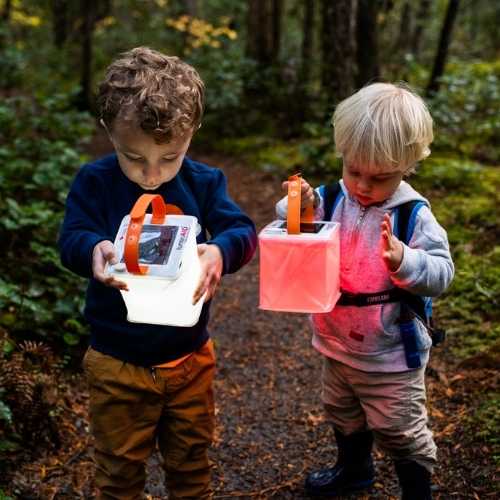
Picture the moment the lights flicker and die. In that sudden, unsettling darkness, your family's safety is everything. A good lighting plan is what separates a chaotic, stressful event from a calm, controlled response. It's what turns the abstract idea of "being prepared" into a practical, life-saving action.
The immediate problems are obvious. You need to get down the hallway without tripping, find your emergency supplies, and comfort kids who might be scared of the dark. This is where modern emergency lighting solutions really prove their worth, offering much more than just a simple beam of light.
The Growing Need for Preparedness
Unfortunately, we can't take a stable power grid for granted anymore. Power outages in the United States are getting more severe and lasting longer. The latest data shows a pretty stark trend: the average length of the longest power outage people experienced jumped from 8.1 hours in 2022 to an expected 12.8 hours by mid-2025.
That's a startling 58% increase in just three years, and it really drives home the need for solid home preparedness. You can read more about how to get ready for short- and long-term emergencies to better understand the risks.
This shift means that an old flashlight with questionable batteries just doesn't cut it anymore. Real readiness is about creating a sustainable system that can keep you going for hours, or even days, without relying on the utility company.
A proactive plan for emergency lighting isn't just a good idea—it's an essential part of modern home safety. It provides security, fosters independence, and delivers invaluable peace of mind when you need it most.
More Than Just Light
Modern emergency lighting, especially solar-powered options, gives you a level of resilience that old-school methods can't touch. They represent a fundamental shift from temporary fixes to sustainable solutions.
When you invest in a reliable solar lantern, you're not just buying a light; you're securing a self-sufficient beacon that recharges with the sun, ensuring you're never left in the dark. Of course, a complete emergency kit needs more than just light. You can find comprehensive survival kits at Survive Outdoors Longer to round out your preps. This is how you build a foundation of safety that transforms chaos into calm.
Comparing Your Best Lighting Options for a Blackout
When the power suddenly cuts out, the first light source you reach for can make all the difference. It's about more than just seeing in the dark; it's about safety, comfort, and keeping a clear head. Let’s be honest, not all emergency lights are created equal, and your choice matters.
This is more critical now than ever. Power outages are getting longer and happening more often. Just look at the data—it paints a pretty clear picture of why a reliable, long-lasting light source is no longer a "nice-to-have."
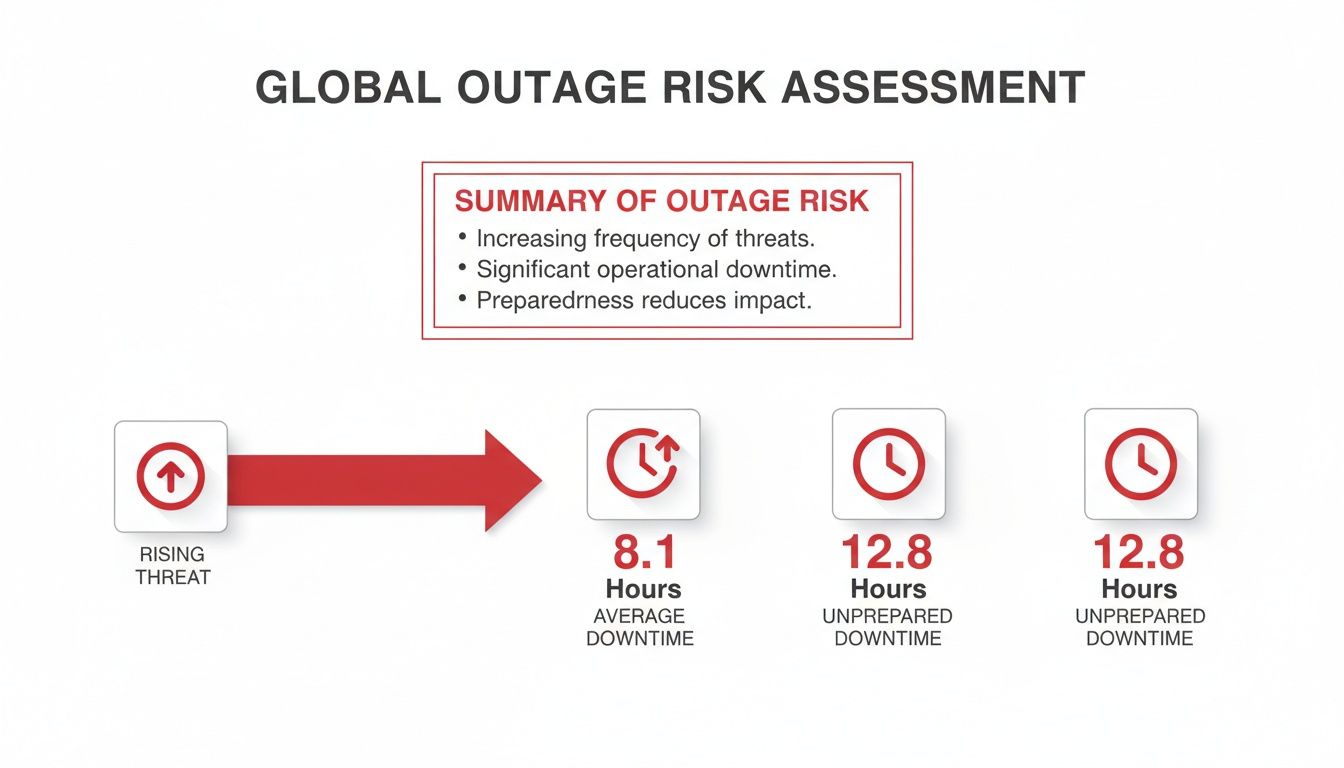
Relying on a short-term fix is a gamble when you could be facing more than half a day without power.
To make it easier to see the pros and cons at a glance, here’s a quick breakdown of the most common options.
Emergency Lighting Options Compared
| Light Source | Power Source | Runtime | Safety Concerns | Reusable |
|---|---|---|---|---|
| Candles | Open Flame | 4-8 hours | High fire risk, soot, fumes | No |
| Flashlights | Disposable Batteries | 2-10 hours | Battery corrosion/leakage | Yes (with new batteries) |
| Glow Sticks | Chemical Reaction | 8-12 hours | None | No |
| Solar Lanterns | Solar/USB | 24-50+ hours | None | Yes (infinitely) |
| Headlamps | Rechargeable/Disposable Batteries | 4-40 hours | Battery dependency | Yes |
As you can see, the options we've relied on for years don't always hold up in a real, extended emergency. Let's dig into why.
The Old Guard: Traditional Lights and Their Flaws
For generations, families have grabbed the same few things during a blackout. While they're familiar, these classic standbys come with some serious downsides that are worth rethinking.
Candles
That flickering candlelight might feel cozy, but it's a huge gamble. An open flame is a serious fire hazard, especially with kids or pets running around. The National Fire Protection Association constantly warns people about using candles for light during outages for this very reason—it's a leading cause of house fires.
Battery-Powered Flashlights
A big, heavy flashlight seems like a must-have, but it’s only as good as the batteries inside it. We’ve all been there—you grab the flashlight only to find the batteries are dead, corroded, or just plain missing. In a long outage, batteries become a finite resource. Once they're gone, your flashlight is just a paperweight.
Chemical Glow Sticks
Glow sticks are safe, cheap, and a fun distraction for kids. They're great for marking a path to the bathroom or hanging on a doorknob. But that's about all they're good for. They only last for about 8-12 hours, produce a dim light that's useless for tasks like reading or cooking, and are completely single-use.
A Smarter Way Forward: Modern Lighting Solutions
Technology has come a long way, and so have our options for emergency lighting for power outages. The best modern gear is built around reliability, sustainability, and doing more than one thing well.
A modern solar lantern isn’t just a light; it's a self-sufficient beacon that recharges with the sun, providing a virtually endless supply of clean, safe illumination.
Solar Lanterns
These are a true game-changer for anyone serious about preparedness. Solar lanterns use the sun to charge an internal battery, completely freeing you from the grid or the hunt for D-cells. A good one can light up a room for days on a single charge and is easily topped off just by setting it in a window. If you want to dive deeper, our comprehensive solar lantern buyer's guide breaks down exactly what to look for.
Headlamps
The magic of a headlamp is simple: hands-free light. This is incredibly useful when you're trying to cook, dig through a first-aid kit from a provider like Adventure Medical Kits, or carry a child down a dark hallway. Being able to use both hands makes everything safer and less stressful.
The best plan uses a combination of tools. A solar lantern can fill a whole room with broad, sustainable light, while a headlamp gives you a focused beam for specific tasks. Together, they create a powerful system that turns a chaotic blackout into something you can manage with confidence.
Decoding the Features of a Reliable Emergency Light
Trying to pick the right emergency light can feel like you're trying to crack a secret code. You're hit with terms like lumens, runtime, and IP ratings, and it's easy to get lost in the tech jargon. But knowing what these features actually mean is the difference between buying a reliable tool and a glorified toy.
Think of it this way: you wouldn't buy a car without checking its mileage or horsepower. The same logic applies here. Learning to read the specs ensures you get a light that will genuinely keep your family safe during a long blackout, not just one that looks impressive on a store shelf.
Lumens and Runtime: The Power and Endurance of Your Light
Let's start with the two most important numbers on the box: lumens and runtime. These two specs work hand-in-hand to tell you how useful a light will actually be when the power goes out.
- Lumens Brightness as Power: A lumen is simply a measure of how bright a light is. More lumens means more brightness. But bigger isn't always better. A 100-lumen light is plenty bright to light up a small room, while a 400-lumen blast might be overkill, draining your battery way too fast.
- Runtime Endurance When It Counts: This tells you how long the light will last on a single charge. If you're facing a multi-day outage, this is probably the single most critical feature. A light that screams 1,000 lumens but dies in two hours is far less helpful than a steady 75-lumen light that can run for 50+ hours. The real goal is sustained light, not a brief, blinding flash.
When you're comparing emergency lights, look for a balance. You want enough brightness to be useful, but not at the cost of a long, reliable runtime. A light with adjustable settings gives you the best of both worlds, letting you sip power on a low setting and crank it up when you need it.
Power Sources: Your Lifeline in a Blackout
How you power your light is just as crucial as its brightness. This is all about self-sufficiency. Disposable batteries are the old standby, but they instantly become a limited resource the moment the grid goes down.
A much smarter setup is a light with a rechargeable internal battery, especially one with multiple ways to charge it.
- Solar Charging: This is the gold standard for being truly prepared. A light with a built-in solar panel gives you a virtually endless power source, as long as you have some daylight. It completely cuts your dependence on the power grid.
- USB Charging: This is a fantastic backup. You can fully charge your light from a wall outlet before a storm hits, or top it off during an outage using a power bank or your car's charger.
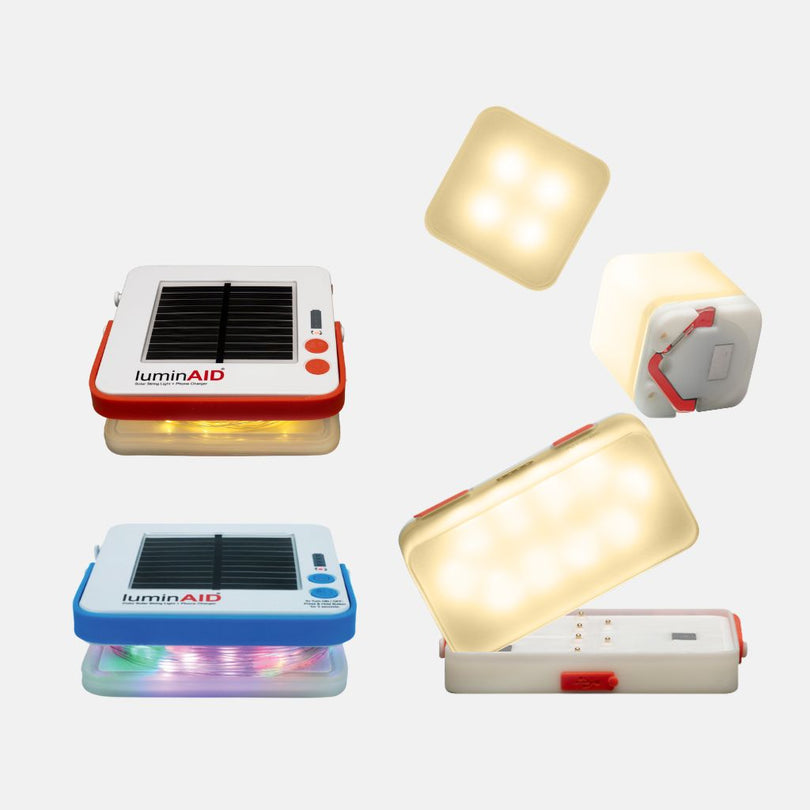
The most versatile and reliable emergency lights give you both solar and USB charging. This dual-power system puts you in complete control, giving you peace of mind that you'll have a way to keep the lights on, no matter what. You can see how light designs have evolved to incorporate these powerful features and better serve your preparedness needs.
Features That Make a Real Difference
Beyond the core specs, a few other features can make a huge difference in how a light performs in a real emergency.
Water Resistance (IP Rating)
An IP (Ingress Protection) rating tells you how well sealed a device is against dust and water. A rating like IP67 is a game-changer. It means the light is totally dust-tight and can even be submerged in water, making it tough enough for floods, hurricanes, or just a heavy downpour.
Packability and Weight
For a bug-out bag or a car kit, every ounce and inch of space counts. A lightweight, collapsible design means you can easily store multiple lights without them hogging valuable real estate. Your emergency gear should be easy to grab and go. For other lightweight survival essentials, brands like Survive Outdoors Longer offer great, packable options.
Multi-Functionality
The best modern emergency tools do more than one job. Many lights now come with a built-in USB port to charge your phone—a critical lifeline for communication. This two-in-one function is priceless when every resource matters.
Strategic Light Placement for Home Safety
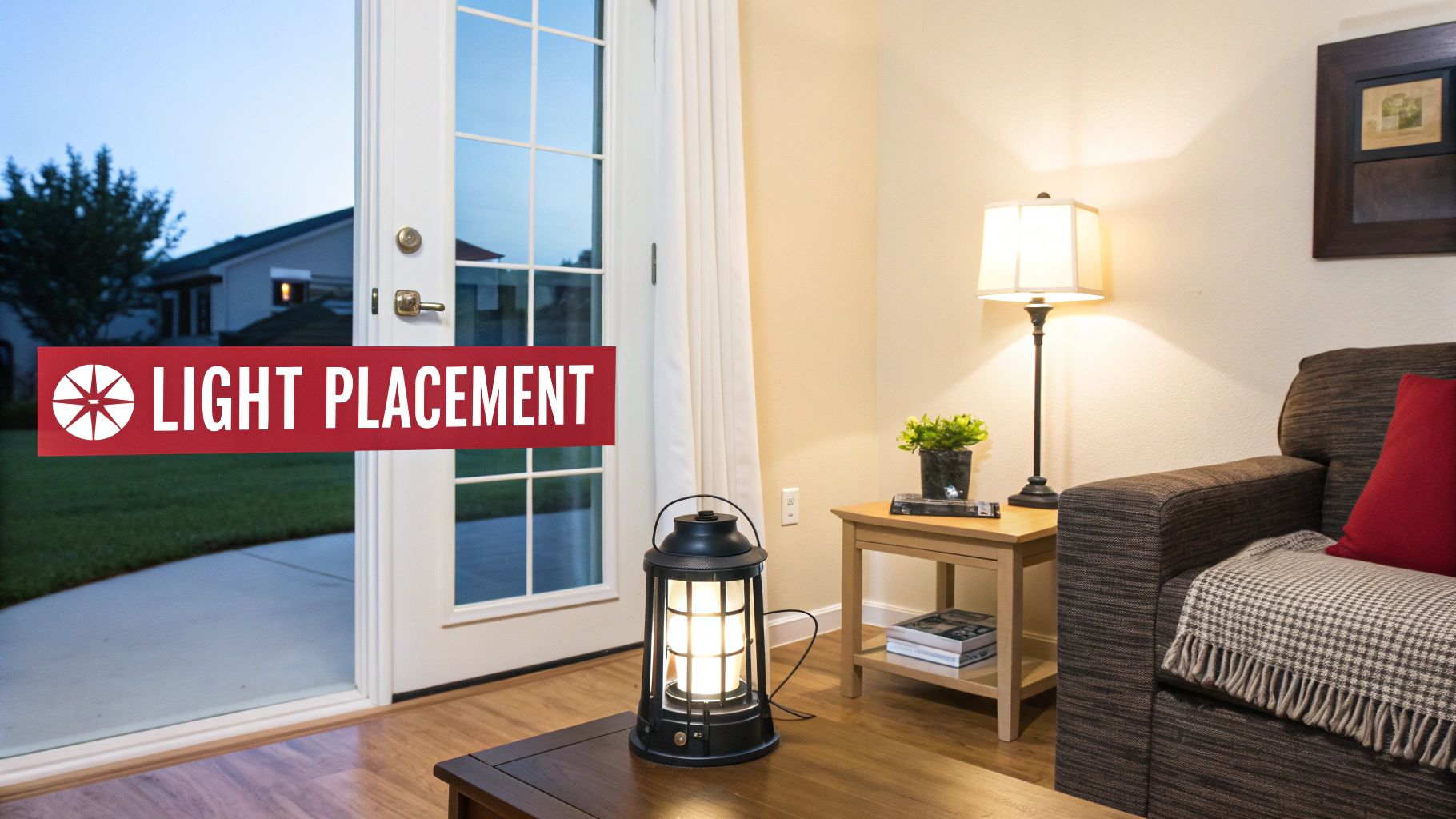
Having the right emergency lights is a massive first step, but how you use them—specifically, where you put them—is what really makes the difference when the power goes out. A single, well-placed light can take a dark, dangerous space and make it safe and easy to navigate. This isn't about just dropping lights wherever; it's about creating a smart network of "islands of safety" all through your home.
Think of it as building muscle memory for your family. When you place lights in predictable, high-traffic spots before an emergency, everyone instinctively knows where to go for light when the house goes dark. This simple prep work stops that frantic, fumbling search for a flashlight and turns a moment of potential panic into a calm, controlled response.
Your Room-by-Room Lighting Playbook
Let's get practical. Every room serves a different purpose during a blackout, so your lighting plan should reflect that. The goal is to make each space functional and safe, from the kitchen to the bedroom.
- The Kitchen: This is mission control for food and supplies. Put a bright, wide-area solar lantern right on the counter. It will throw enough ambient light to let you see what you're doing with utensils and move around safely without creating harsh, tricky shadows.
- The Main Living Area: This is usually where everyone gathers. A lantern with a warmer, diffused light makes the space feel more comfortable and less like an emergency. It's perfect for breaking out the board games or just sticking together until the power comes back on.
- Bedrooms and Bathrooms: A small, compact light in each of these rooms is a must. One in the bedroom means you have instant personal light if you wake up in the middle of the night. In the bathroom, it's all about preventing slips and falls on potentially wet surfaces.
Establishing Critical Safety Protocols
Smart light placement is about so much more than convenience—it's a fundamental part of keeping your home safe. A good strategy lights up key pathways and helps avoid the most common accidents that happen in the dark.
One of the biggest risks during an outage is a trip-and-fall injury, especially on stairs. Use your lights to illuminate stairways, hallways, and any spot with uneven flooring or obstacles. Even a lantern on a low-lumen setting at the top and bottom of the stairs can be a game-changer.
Think of your lighting plan as one piece of a bigger emergency strategy. Set a family meeting point—like the living room—and make sure it's one of the first places to get lit. This gives everyone a central, secure spot to gather and stay calm.
Of course, a solid safety plan goes beyond just lighting. Pairing your lights with a fully stocked survival kit means you're truly ready for whatever comes your way. You can find fantastic, pre-made kits from retailers like Survive Outdoors Longer that will round out your preparedness gear perfectly.
The Real-World Impact of Unsafe Lighting
When people turn to risky alternatives like candles or generators without proper ventilation, the results can be heartbreaking.
A chilling reminder was the 2025 Iberian Peninsula blackout, a total system failure that lasted for about ten hours. That event led to at least eight deaths from outage-related incidents, including fires from candles and toxic fumes from generators. It's a stark lesson on why having safe emergency lighting for power outages is absolutely critical. Learning more about the consequences of that blackout really drives home the risks of being caught unprepared.
How to Build Your Essential Emergency Lighting Kits
Knowing you need emergency lighting for power outages is one thing, but having it organized and ready to grab in a crisis is something else entirely. A well-thought-out kit removes all the panic and guesswork from a stressful situation. You'll have the right light for the right job, exactly when you need it.
The trick is to think in scenarios—what you'll need at home is different from what you'll need in your car or if you have to evacuate on a moment's notice.
Outages are getting more frequent and lasting longer. Global network and infrastructure outages jumped by 32% in the first quarter of 2025 alone. At one point, outages centered in the U.S. shot up by as much as 55%. If you want to dig into the data, you can find more insights on recent outage patterns. Those numbers tell a clear story: being prepared isn't just for doomsday preppers anymore. Building dedicated lighting kits is a simple, powerful first step.
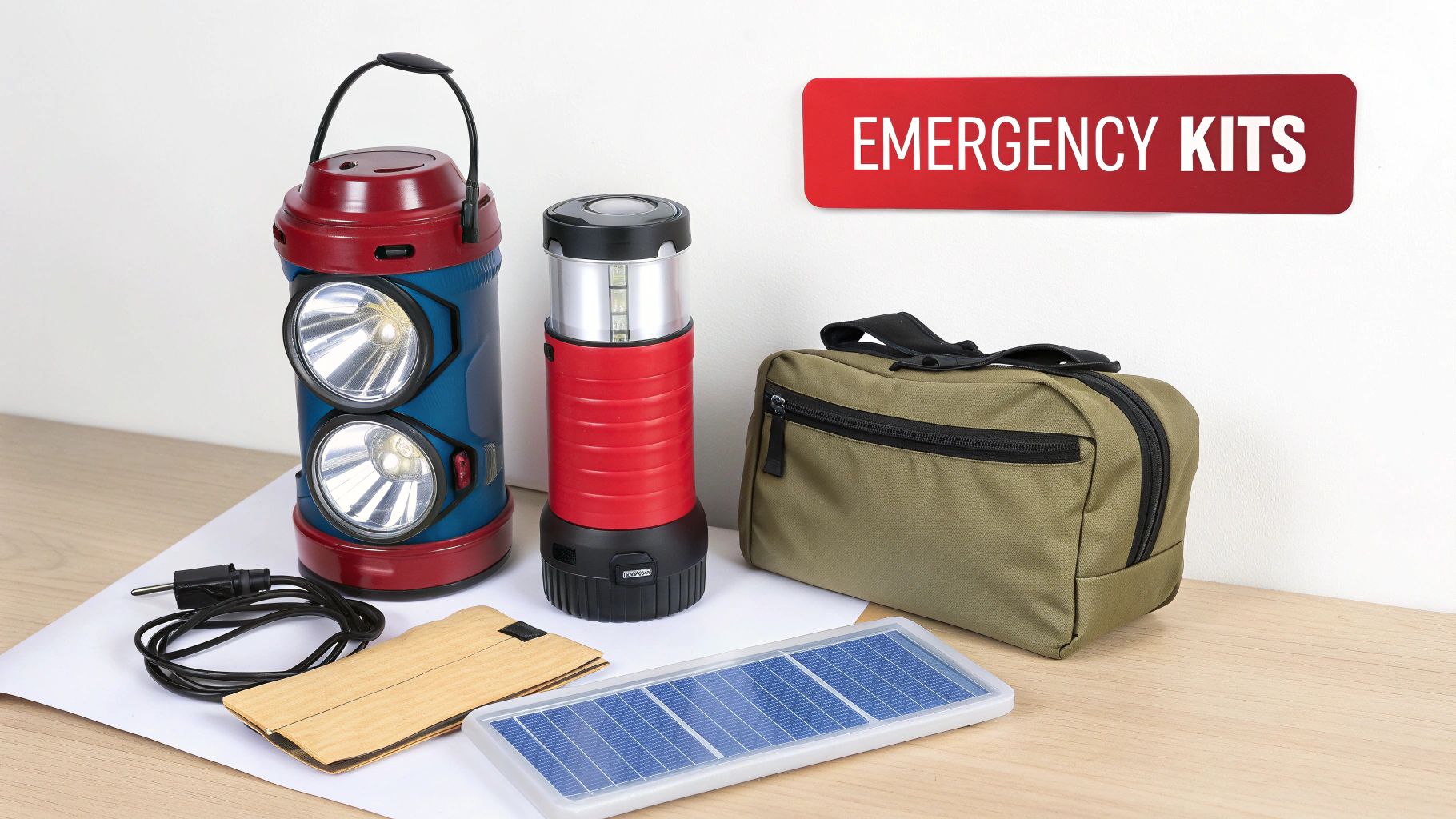
This structured approach is about empowering you to take immediate, confident action. It's about building your family's safety net, one light at a time.
Your Home Base Kit for Extended Outages
This is your main command center kit, designed to keep your household going as comfortably as possible during a long outage. You'll want to store it somewhere central and easy to get to, like a hall closet or pantry. The name of the game here is endurance and broad, usable light.
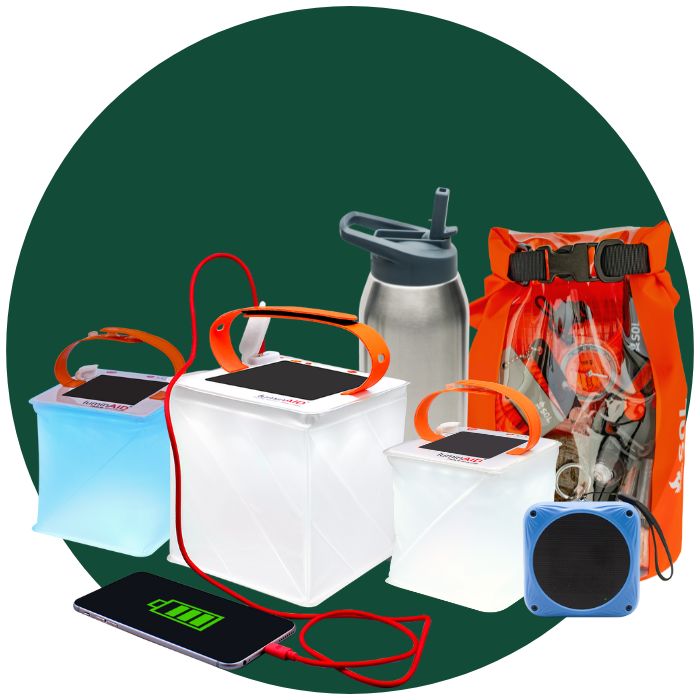
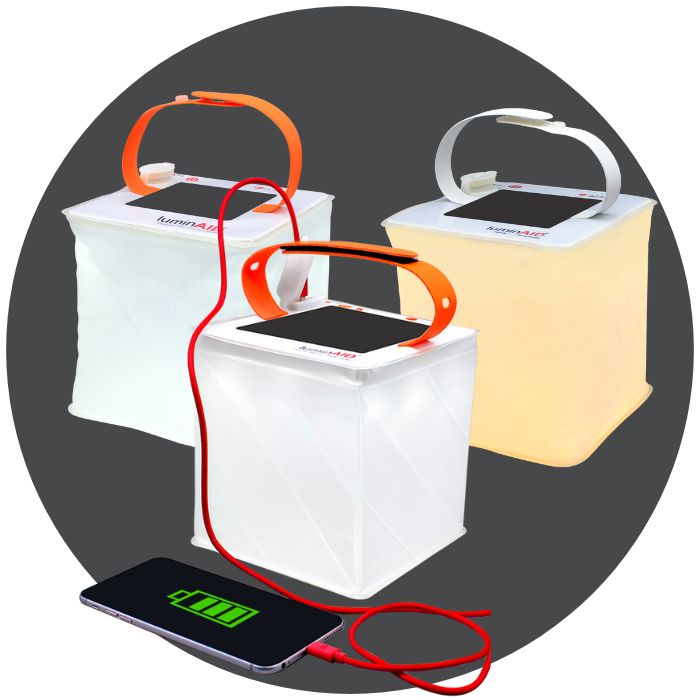
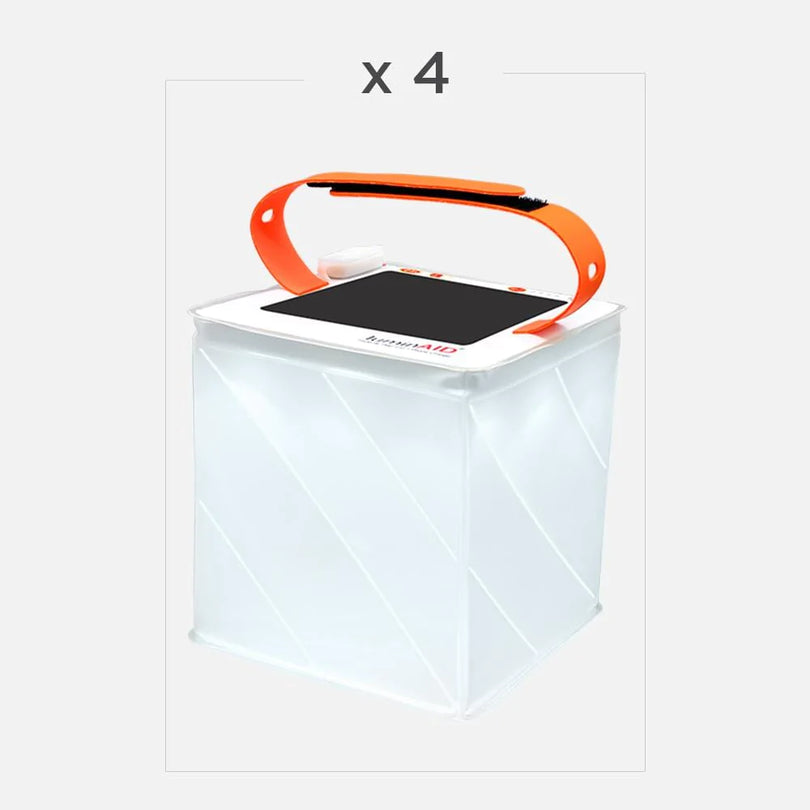
- Two High-Endurance Solar Lanterns: Look for models that give you 24+ hours of light on a full charge. I'd put one in the kitchen for cooking and another in the living room to create a central, safe space for the family. A great option like a LuminAID Power Lantern can also charge your phone, which is a huge bonus.
- One Headlamp Per Person: Seriously, don't skip this. Hands-free lighting is a game-changer for navigating stairs, digging through closets, or performing first aid. Go for rechargeable models so you aren't hunting for batteries in the dark.
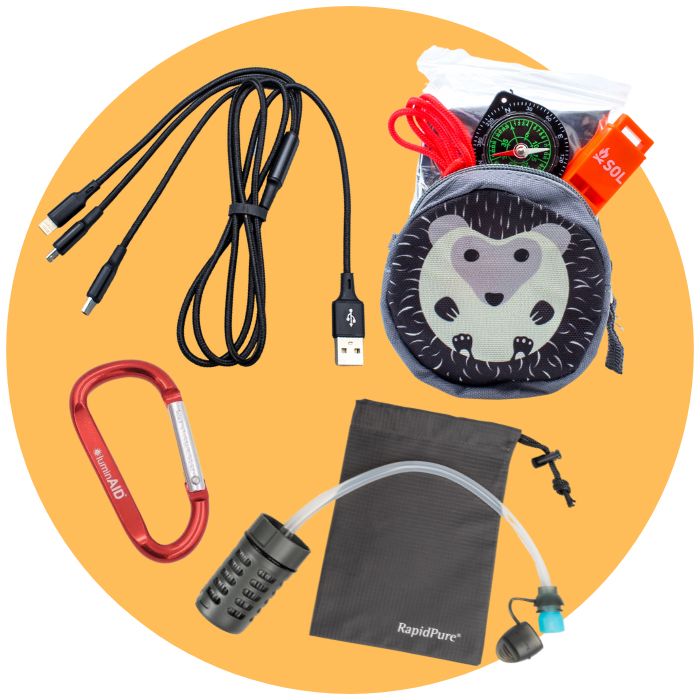
- Essential Accessories: Grab a multi-port USB wall adapter and all the right charging cables for your devices. Keep everything together in a sturdy, clearly labeled bin.
The Vehicle Kit for Roadside Emergencies
Your car can be a lifesaver in a roadside emergency, but only if you can actually see what you're doing. This kit needs to be compact, tough, and able to handle the crazy temperature swings inside a vehicle. Stash it in your trunk or under a seat.
- One Compact, Durable Lantern: A rugged, waterproof solar lantern is perfect here. It can light up the area for a tire change or act as a beacon to signal for help. Make sure it has an SOS or flashing mode for extra visibility.
- A Bright, Focused Headlamp: This is crucial for peering under the hood or inspecting your vehicle at night. A powerful, focused beam lets you see all the small details.
- Charging Cables: Don't forget a car charger adapter (the kind for the cigarette lighter port) and the right cables for your phone and lights. This turns your car's battery into a mobile power station.
Think of your vehicle kit as more than just lighting; it's a complete roadside safety system. Complement your lights with a basic first-aid kit, like those offered by Adventure Medical Kits, to be ready for minor injuries.
The Go-Bag Kit for Evacuation Scenarios
When you have to leave home in a hurry, every single ounce matters. The lighting in your "Go-Bag" or "Bug-Out Bag" has to be lightweight, packable, and totally self-sufficient.
- One Packable Solar Light and Charger: A collapsible solar lantern from a brand like LuminAID is ideal. It’s incredibly lightweight and squishes down to almost nothing. The ability to charge your phone from it is non-negotiable for staying in touch with family and emergency services.
- One Featherlight Headlamp: A small, modern LED headlamp weighs next to nothing but provides that critical hands-free light when you're on the move.
- Backup Power: A small, fully-charged power bank can give you that one extra phone charge while your solar lantern is soaking up rays during the day.
By setting up these three distinct kits, you're not just buying some gear; you're building a layered preparedness strategy. It’s an organized system that ensures no matter where you are when the power goes out, you have a reliable light to keep you and your family safe.
Maintaining Your Gear for Guaranteed Readiness
Buying high-quality emergency lighting is a fantastic first step, but being truly prepared isn't a one-and-done deal. Just like any other critical safety tool, your gear is only as good as its ability to work flawlessly the moment you need it. Think of maintenance as the bridge between simply owning gear and having a reliable, life-saving system you can count on.
This isn’t about becoming a technician. It’s about building a simple, repeatable habit that keeps your investment ready for anything. This is how you build real confidence—knowing your plan is solid because your gear is, too.
Creating a Simple Maintenance Schedule
Consistency is everything. You change the batteries in your smoke detector on a schedule so you never have to wonder if it will work, right? The same logic applies here. A quick check-in twice a year is all it takes to keep your emergency lighting in peak condition.
A simple six-month schedule is perfect. A great time to do this is when you're already changing your clocks for daylight saving time. Just run through this quick checklist:
- Test Every Light: Grab each lantern and headlamp and turn it on. Cycle through every brightness setting and special mode, like an SOS flash. Make sure everything works as it should.
- Top Off Your Power: Plug in anything with a USB port—your lanterns, dedicated power banks, you name it. Get them all back to a 100% charge.
- Inspect for Damage: Give everything a quick once-over. Look for cracks in the casing, frayed cables, or any corrosion on battery contacts if you have gear that uses disposable ones.
Best Practices for Solar and Battery Health
Solar-powered lights, like the ones from LuminAID, are incredibly low-maintenance, but a little care goes a long way. The lithium-ion batteries inside are built to last, but they're happiest when they aren't left sitting completely empty for months on end.
To keep your battery in top shape, just place your solar lanterns in a sunny window for a day or so every few months. This simple step keeps the battery conditioned and ready to hold a full charge when you need it most.
If you have any gear that still runs on disposable batteries, always store the batteries separately from the device itself. This is the single best way to prevent that dreaded battery corrosion that can ruin a perfectly good flashlight. While you're at it, this bi-annual check is also a great time to inspect your other supplies, like a comprehensive medical kit from a trusted brand like Adventure Medical Kits.
Quick Troubleshooting for Common Issues
Even the best gear can have a hiccup. If you find a light isn’t working during your check-up, don't panic. Run through these simple steps before you assume it's broken:
- Check the Power Source: Is it actually charged? If it's solar, has it seen direct sunlight recently? For anything using disposables, try a fresh set of batteries first.
- Clean the Contacts: For solar panels, a quick wipe with a soft, damp cloth can clear away dust that might be blocking the sun. If you're looking at a battery compartment, check for and clean off any corrosion.
- Review the Manual: It sounds obvious, but sometimes a light gets put into a "travel lock" mode to stop it from turning on by accident in a bag. A quick scan of the instructions can often solve the mystery in seconds.
Your Emergency Lighting Questions, Answered
Getting your emergency lighting squared away brings a huge sense of relief, but it's totally normal to have a few last questions pop up. Think of this as the final check-in to make sure your plan is airtight and ready for anything.
How Many Emergency Lights Do I Really Need?
A great rule of thumb is one light source per person, plus an extra one for each main common area, like the kitchen or living room. So for a family of four, you're looking at about five to six lights total.
This way, everyone has their own light to move around safely, and you've got dedicated lights for the central hubs where you might cook or gather as a family. It keeps you from having to pass a single lantern back and forth in the dark, which is a simple way to cut down on the risk of trips and falls.
Are Solar-Powered Lights Reliable During a Storm?
Absolutely—the key is being prepared before the storm hits. Modern solar lights don't run directly off the sun; they store power in a built-in battery. The trick is to keep them charged ahead of time by simply leaving them on a sunny windowsill.
When the power goes out, they're already full and ready to go, no matter if it's day or night, sunny or cloudy.
The best emergency lighting for power outages offers multiple ways to charge. Many top-tier solar lanterns, for instance, also have a USB charging port as a backup. This gives you flexibility and a few different ways to stay powered up.
That dual-charging capability is what makes them so incredibly dependable when things get real.
What's More Important: Lumens or Runtime?
For any outage that lasts more than a few hours, runtime is almost always more critical than maximum brightness (lumens). Think about it: a super-bright light that's dead in three hours isn't nearly as useful as a moderately bright one that can go for 24 hours or more.
The best lights solve this dilemma by offering different brightness settings. You can dial it down to a low-power mode for general ambient light—just enough to see—and save the high-lumen blast for specific tasks, like reading a map or checking on the circuit breaker. This flexibility is what lets you strike the perfect balance between brightness and endurance.
Besides Light, What's the Most Valuable Feature?
Hands down, the ability to charge other devices. It’s a complete game-changer. During an outage, your phone is your lifeline for staying safe and connected.
A light that doubles as a USB power bank lets you keep your phone juiced up to call family, get news updates, or receive emergency alerts. This multi-tool approach is incredibly valuable, knocking out two critical needs—light and power—with a single piece of gear. When you're building your complete emergency kit, you'll want to add other essentials like those from Survive Outdoors Longer to make sure all your bases are covered.
Stay safe and prepared with LuminAID. Our solar-powered lanterns and 2-in-1 phone chargers are designed to keep you connected and your home illuminated, no matter what.
Explore our reliable emergency lighting solutions