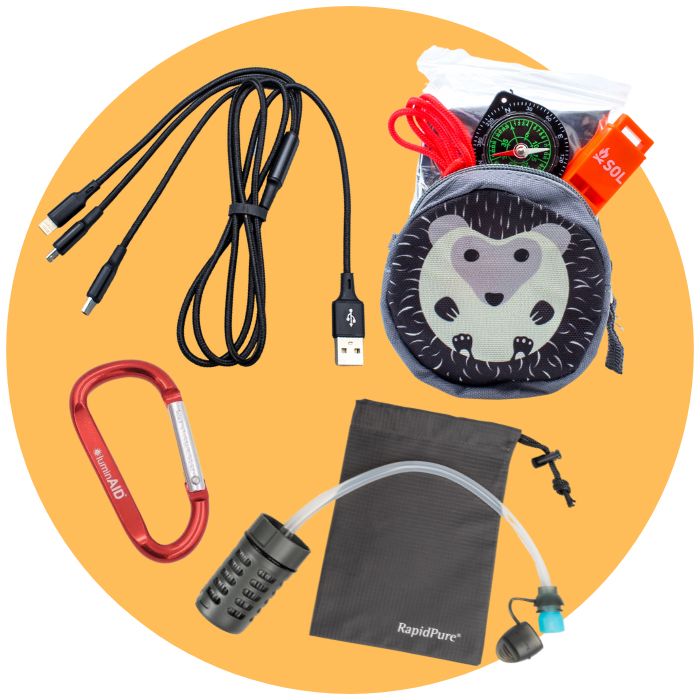
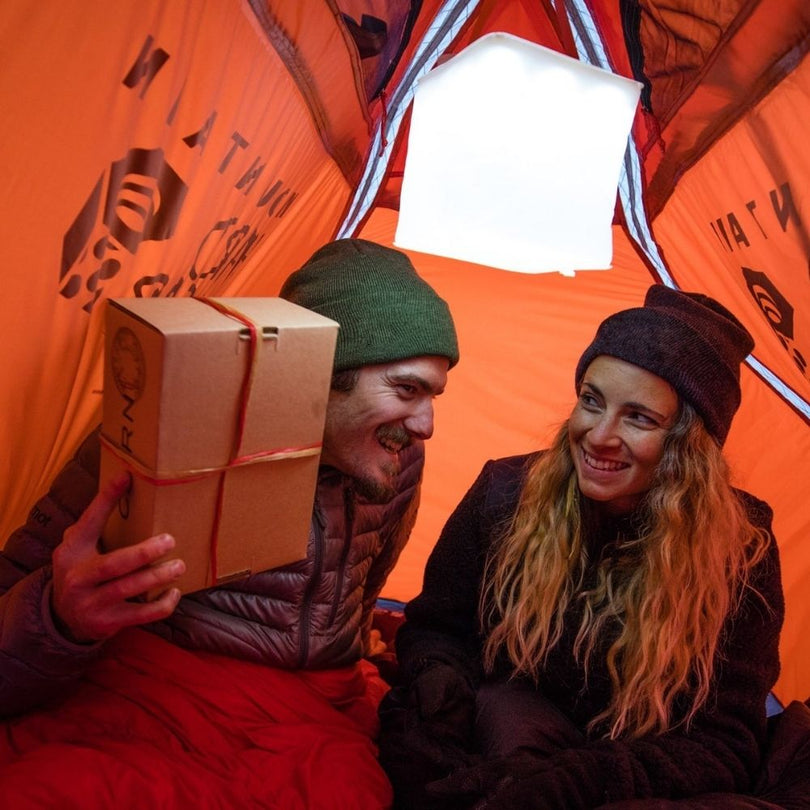
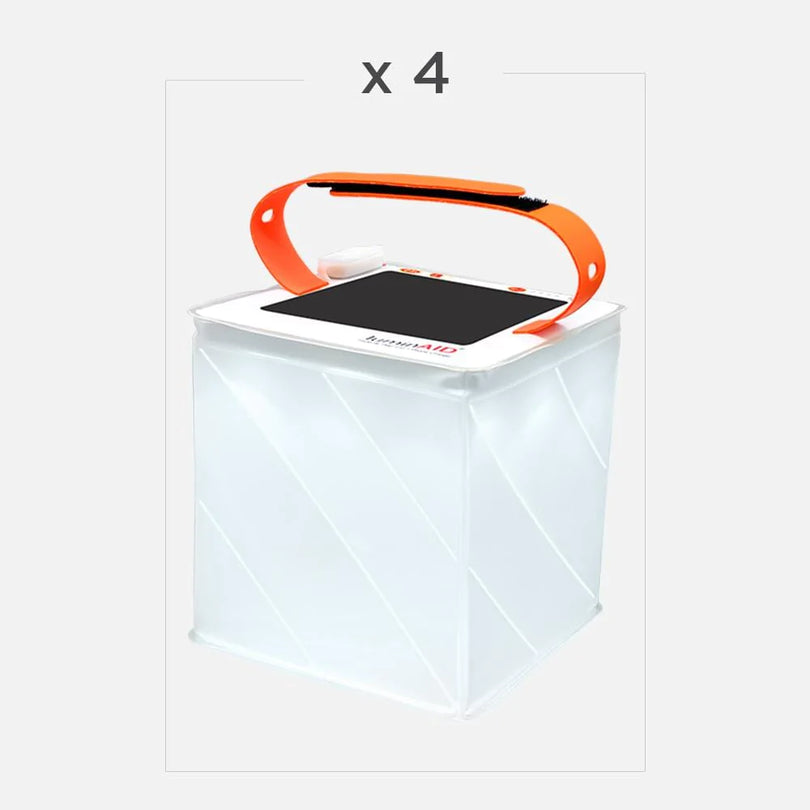

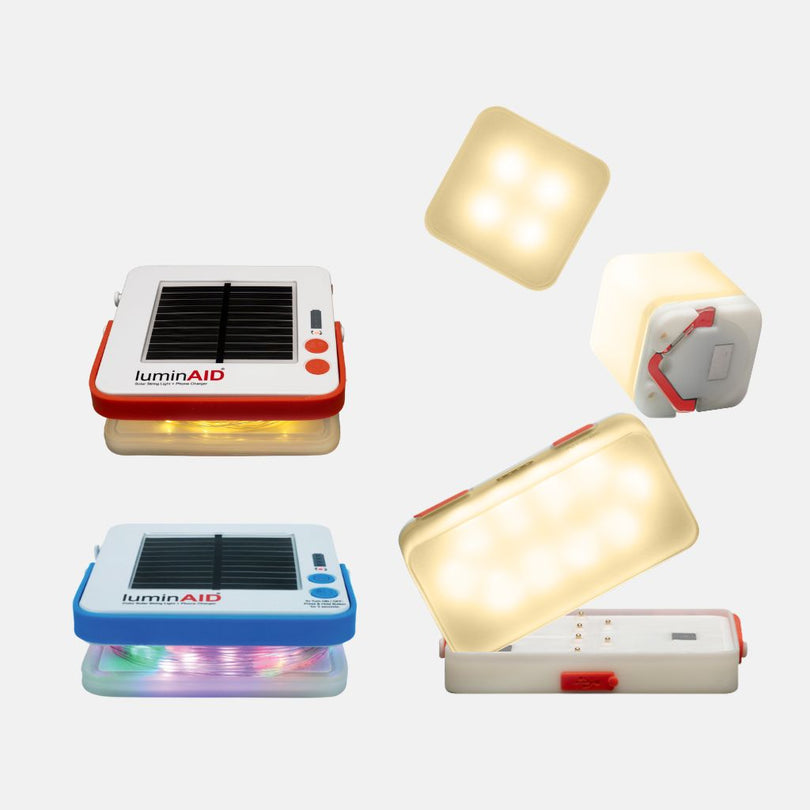
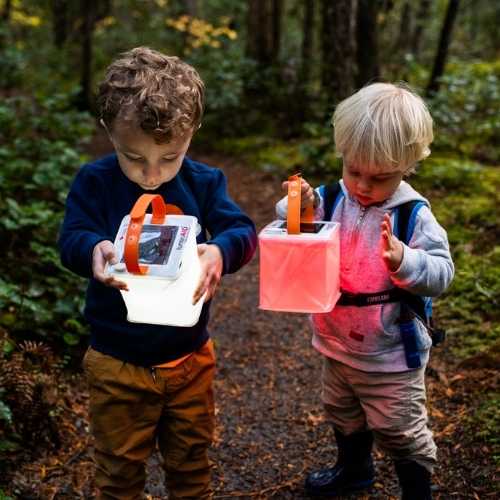

Picture this: a dependable light source that never asks for new batteries and refuels itself with nothing but sunshine. That’s the kind of freedom portable solar lights bring to the table, offering critical illumination for everything from a weekend in the backcountry to an unexpected blackout at home. These gadgets are lightweight, sustainable, and surprisingly powerful tools for modern life.
Why Portable Solar Lights Are Essential
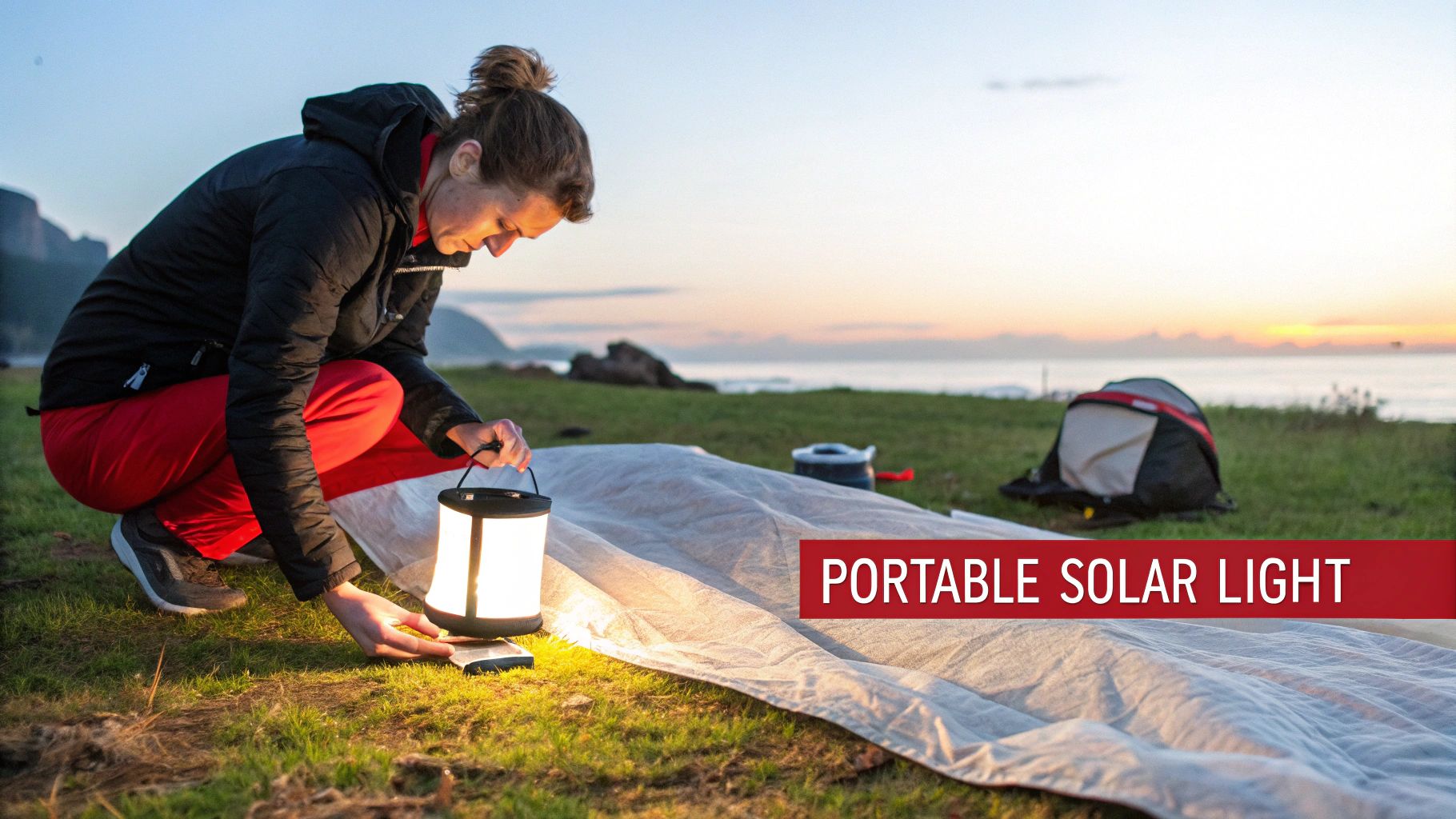
Whether you’re an avid backpacker trying to shed every possible ounce from your pack or a family getting ready for hurricane season, the need for reliable, off-grid lighting is something we all share. Portable solar lights step up to the plate, converting sunlight into stored energy you can tap into whenever and wherever you need it.
This guide will walk you through how these simple yet brilliant devices are becoming an indispensable part of our lives. We’ll cover everything you need to know, from the nuts and bolts of how they work to picking out the perfect model for your needs. It's not just about convenience—it's about safety, preparedness, and the peace of mind that comes with it.
A Growing Movement Towards Sustainability
The draw of solar goes well beyond just being practical. Portable solar lights tap into a broader shift toward sustainable and eco-friendly products. When you choose solar, you’re cutting down on the disposable batteries that pile up in landfills and shrinking your carbon footprint.
You can see this shift in the market’s explosive growth. The global market for portable solar chargers, which are the powerhouses behind these lights and devices, ballooned to USD 5.2 billion and is expected to hit a staggering USD 22.8 billion by 2033. This surge is fueled by a growing love for outdoor adventures and a renewed focus on emergency preparedness, two areas where compact, reliable power is a game-changer.
In an emergency, it's often the simple tools that make the biggest difference. A reliable light source can completely change the feel of a stressful situation, providing safety, making tasks like first aid possible, and offering a comforting sense of normalcy when the grid is down.
So, whether you're putting together a top-notch emergency kit with gear from pros like Survive Outdoors Longer or just planning your next camping trip, getting a handle on your lighting options is key. Throughout this guide, we’ll dive into the must-have features of the best portable solar lanterns to make sure you’re never left in the dark.
Ever wonder how those compact little lights can soak up the sun and keep your campsite lit all night? The science behind portable solar lights is actually pretty elegant and straightforward. Think of it as a tiny, self-sufficient power station you can toss in your pack.
It all starts with the photovoltaic (PV) panel. This is the workhorse of the operation, the part that actually captures sunlight. As photons from the sun hit the panel, they energize electrons within the solar cells, creating a flow of direct current (DC) electricity. It's the first step in turning a sunny day into nighttime light.
Of course, that freshly generated power needs somewhere to go. From the panel, it flows into a built-in rechargeable battery, which is like a tiny energy tank. These are almost always modern lithium-ion batteries, designed to safely store that solar power until you’re ready to use it.
From Stored Energy to Bright Light
When the sun goes down or you head into your tent, you just flip a switch. This completes the circuit, allowing the battery to send its stored power to one or more Light Emitting Diodes (LEDs). LEDs are the real heroes here—they're incredibly efficient, turning almost all the energy into light instead of wasting it as heat. That’s the secret sauce that allows a small, solar-charged battery to provide light for hours and hours.
A smart charge controller is the unsung hero, acting as the brain of the whole system. It manages the flow of electricity, making sure the battery doesn't overcharge on a bright day or drain completely overnight. This one little component drastically improves the light's lifespan.
Knowing what the specs on the box actually mean will help you pick the right light for your next trip or your home emergency kit. Having reliable gear is one thing, but understanding it is another. It's just as crucial as packing a solid first-aid kit for whatever the trail throws at you.
Demystifying the Jargon
When you're shopping around, you'll see a few key terms pop up again and again. Let's cut through the noise and talk about what they mean for you.
- Lumens (lm): This is all about brightness. A lantern with 50-75 lumens is perfect for setting a nice ambient glow at the campsite. Need to read a map or cook dinner? Look for something with 150 lumens or more.
- Battery Capacity (mAh): This number, measured in milliamp-hours, tells you how much juice the battery can hold. A bigger number like 2000mAh usually translates to a longer runtime and might even have enough power to give your phone a boost.
- Charge Time: This is simply how many hours of direct sun it takes to fully top off the battery. Most good lights need about 7-10 hours, but many now include a USB port for a faster charge when you have access to power.
Once you get this simple cycle—capture, store, and release—you can really appreciate the clever engineering packed into these little devices and choose one with confidence.
Choosing the Right Solar Light for Your Adventure
Not all portable solar lights are built the same. The perfect light for a thru-hiker is going to be worlds apart from what a family needs for their storm kit. It really comes down to matching the light’s features to your specific world. Think of it like buying shoes—you wouldn’t wear hiking boots to the beach or sandals to climb a mountain.
Your primary use case is the single most important factor. For some, weight and packability are the bottom line, while for others, sheer lighting power and runtime are what count. When you narrow in on how you’ll actually use your light, you can cut through the noise and find a reliable companion for whatever you have planned.
For the Trailblazers and Backpackers
When every single ounce in your pack matters, your gear has to be ultralight, compact, and ridiculously tough. A backpacker's dream solar light is one that basically disappears in their bag but performs flawlessly when the sun goes down. Keep an eye out for inflatable or collapsible designs that weigh just a few ounces.
Waterproofing is another non-negotiable. A light with an IP67 rating can survive a sudden downpour or even an accidental drop in a stream, making sure you’re never left in the dark. For pristine places like those you'll find when hiking in Triglav National Park, a portable solar light is the perfect leave-no-trace solution.
For Home Emergency Preparedness
When a big storm rolls in and the power grid goes down, your priorities change in a heartbeat. For a home emergency kit, the focus shifts to runtime, durability, and versatility. A solid emergency light should be able to keep a room lit for multiple nights on just one charge.
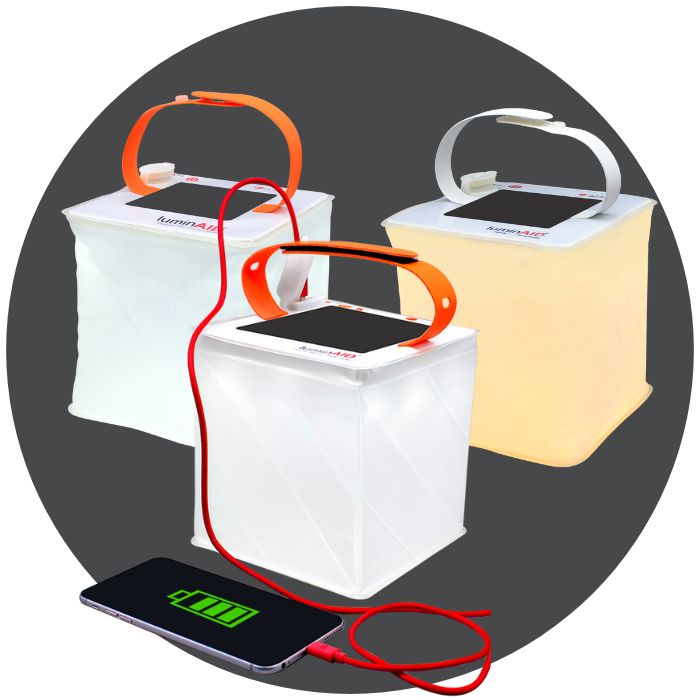
You’ll want to look for models with bigger battery capacities—often over 2000mAh—that can last for 50 hours or more on a low setting. An incredibly useful bonus feature is the ability to charge a phone. That little bit of power can be a genuine lifeline for getting in touch with family or checking emergency updates.
For Backyard Ambiance and Van Life
Sometimes, you just want to set the perfect mood. For backyard get-togethers, car camping weekends, or outfitting a camper van, portable solar string lights are an amazing choice. They cast a warm, inviting glow that can transform any space without you having to mess with extension cords or outlets.
These lights are all about creating an atmosphere. Look for features that elevate the experience:
- Warm Light LEDs: They create a much softer, more welcoming vibe than harsh, blue-toned LEDs.
- Multiple Modes: Settings like fade or blink can add a fun, festive touch to your outdoor setup.
- Durable, Shatterproof Bulbs: This is essential for any gear that’s going to be packed, unpacked, and strung up time and time again.
The table below breaks down which features are most critical for each scenario, helping you pinpoint exactly what to look for.
Comparing Solar Light Features for Your Primary Use
Use this table to decide which features matter most for your needs, whether you're packing for the trail, preparing for a storm, or lighting up your patio.
| Feature | Backpacking & Camping | Emergency Preparedness | Home & Backyard |
|---|---|---|---|
| Weight & Size | Critical: Ultralight and compact are non-negotiable. Every ounce counts. | Important: Should be easy to store, but weight is less of a concern. | Less Important: As long as it's portable, size and weight aren't primary factors. |
| Brightness (Lumens) | Important: Needs to be bright enough for a tent or small campsite (75-150 lumens). | Critical: Must be bright enough to illuminate a room for safety and comfort. | Important: Focus is on warm, ambient light rather than maximum brightness. |
| Battery Runtime | Important: A full night's light on a single charge is ideal (24+ hours on low). | Critical: Look for maximum runtime to last several nights (50+ hours on low). | Important: Should last the entire evening on a single charge. |
| Durability | Critical: Must be shatterproof, dustproof, and able to withstand rough handling. | Critical: Needs to be durable enough to be stored and work reliably after years. | Important: Weatherproof and shatterproof bulbs are a must for outdoor use. |
| Waterproofing (IP Rating) | Critical: A high IP rating (IP67) is essential for rain and unexpected water exposure. | Important: Should be water-resistant to handle storm conditions. | Important: Must be able to withstand rain and outdoor elements. |
| Phone Charging | Nice to Have: A useful bonus for longer trips, but not always essential. | Critical: Can be a lifeline for communication during a power outage. | Less Important: Outlets are usually available, so this is not a priority feature. |
By matching the light's features to its function, you make sure your gear will be ready when you need it. Whether you're miles from civilization or just hanging out on the patio, you'll have the right tool for the job.
For a deeper dive, check out our guide on choosing the best solar lanterns for camping.
Breaking Down the Specs: What Really Matters in a Solar Light
Trying to decipher the technical jargon on a portable solar light's packaging can feel overwhelming. But once you know what those terms mean for your actual experience, you'll be able to pick the right light for any situation—whether you're deep in the backcountry or just dealing with a power outage at home.
Think of it this way: the specs are like a light's personality. Some are bright and command attention, while others are built for endurance, ready to go the distance. Getting to know these traits helps you find the perfect match, so you’re not stuck with a dim light when you need to see, or one that dies on you halfway through the night.
And more people than ever are looking for that perfect match. The market for portable solar lanterns is expected to jump from USD 1.3 billion to USD 2.4 billion by 2032. This isn't just a niche product anymore; it's a mainstream essential for campers, adventurers, and humanitarian aid workers who all need reliable light when they're off the grid. You can see the full market breakdown and what's driving this growth here.
How Bright is Bright Enough? Understanding Lumens
The first spec you'll almost always see is lumens (lm). This is just a simple measure of how bright a light is. A higher number means more brightness, but more isn't always what you need. The real trick is matching the lumens to the task.
- 50-75 Lumens: This is your sweet spot for general ambient light. It’s perfect for setting a relaxed mood in a tent, lighting up a small campsite, or providing a soft nightlight that won’t blind you.
- 100-150 Lumens: Need to get things done? This range gives you clear, focused light for tasks like cooking dinner, reading a map, or digging through your pack. It’s strong enough to see details without being harsh.
- 200+ Lumens: Now we're talking powerful illumination. Lights this bright are great for lighting up larger areas, like a whole backyard for a late-night hangout or a multi-person emergency shelter.
Many of the best portable solar lights come with adjustable brightness settings. This is a game-changer, letting you toggle between a low-power glow and a high-beam task light, which is key for making your battery last as long as possible.
Battery Capacity and Runtime: The Endurance Test
If lumens are about power, battery capacity (mAh) is all about stamina. Measured in milliamp-hours, this number tells you how much juice the battery can hold. Generally, a bigger mAh rating means you’ll get more runtime. For example, a 2000mAh battery is a solid benchmark for a quality light—enough to last for hours and often with enough extra power to give your phone a critical charge.
A bigger battery doesn't always guarantee a longer life. A light's overall efficiency is just as crucial. A well-designed lantern with a 2000mAh battery can easily outlast a poorly made one with a 2500mAh battery simply because it uses its power smarter.
In an off-grid scenario, that battery capacity is everything. It’s what keeps your tent lit during a storm or lets you make an emergency call when the grid is down. A reliable battery is as non-negotiable as a good first-aid kit from a trusted brand like Adventure Medical Kits.
Weatherproofing and Durability: Built to Survive
When you're packing gear for the outdoors or an emergency kit, it has to be tough. That’s where IP ratings and build quality come in. An IP (Ingress Protection) rating tells you exactly how sealed a device is against dust and water.
The rating is made up of two numbers. The first (0-6) is for dust protection, and the second (0-8) is for water.
- IP67 Rating: This is pretty much the gold standard for rugged gear. The "6" means it's completely dust-tight. The "7" means you can dunk it in up to one meter of water for 30 minutes, and it'll come out working just fine. A light with this rating can handle anything from a sudden downpour to being dropped in a creek.
Beyond the numbers, look for lights made from shatterproof, non-toxic materials like TPU. This stuff is great because it can be squished down for packing and can survive being dropped without cracking. When you combine that kind of robust weatherproofing with smart design, you get a product that earns thousands of five-star reviews and a reputation for being truly off-grid ready.
Pro Tips for Using and Maintaining Your Solar Lights
Getting the most out of your portable solar lights really comes down to a few simple habits. With a little care, you can keep your lantern working at its best, giving you reliable light for years on end. These tips cover everything from charging it up right to storing it properly, helping you get the best performance and lifespan out of your gear.
Think of your solar panel like a sun-worshipping plant. To get the quickest, most efficient charge, it needs as much direct sunlight as it can get. That means placing it out in the open, away from the shade of trees, your tent, or anything else that might get in the way.
Since the sun moves across the sky all day, you can give your charge a real boost by repositioning the panel every few hours to keep it pointed at the sun. It's a small tweak, but it can make a big difference in charging time.
Maximizing Charging and Battery Health
Taking care of the battery is the single most important thing you can do to make your solar light last. A common mistake is to store a device when the battery is completely drained. Doing this can permanently damage the battery's ability to hold a charge.
Before you stash your solar light away for a while, make sure it's charged to at least 50%. It’s a good idea to check on it every few months and top it off to keep the battery healthy and ready for your next adventure or emergency.
Even a thin layer of dirt, dust, or water spots on the solar panel can block sunlight and make charging less effective. Just give it a quick wipe with a soft, damp cloth every now and then. Keeping it clean ensures it can soak up as much sunlight as possible.
Clever Hacks for Better Lighting
Once your light is all charged up, how you use it can change everything. Many lanterns come with built-in handles or hooks that let you get creative with where you put them.
- Elevate Your Light: Use a carabiner to clip your lantern to the gear loft in your tent, a tree branch, or even a clothesline. Hanging it overhead spreads a wide, even glow that lights up a much bigger area than a light just sitting on the ground.
- Create Diffused Light: Want softer, cozier light inside your tent? Try putting your lantern inside a semi-opaque water bottle or a stuff sack. This little trick turns a bright spotlight into a gentle, ambient glow that's perfect for winding down.
Of course, having the right gear is key for any trip. While your solar light has the illumination covered, you don't want to forget other essentials. Keep bugs at bay after sunset with a good repellent like Ben's 30, so you can enjoy your evening in peace. For more ideas on taking your gear on the road, check out our tips for traveling with your LuminAID lights.
Beyond Light: The LuminAID Give Light Program
A portable solar light is a game-changer on a camping trip or at a backyard BBQ, but its true power is most clear in a crisis. When a natural disaster or humanitarian emergency plunges a community into darkness, a simple, dependable light source isn't just a nice-to-have—it’s a lifeline. This is the core belief that fuels LuminAID’s mission and Give Light Program.
This program turns a simple purchase into something with a global ripple effect. When customers decide to sponsor a light, they’re directly plugging into a network of safety and hope for people navigating some of their darkest moments. It’s a powerful way to bring safe, renewable light to those who need it most.
A Mission Built on Partnership and Impact
LuminAID doesn’t go it alone. The Give Light Program stands on the shoulders of strong partnerships with some of the world's most trusted humanitarian organizations. By teaming up with these on-the-ground experts, they make sure lights get where they’re needed most.
These partnerships are everything. They put LuminAID’s technology into the hands of people who can use it to immediately restore safety, dignity, and hope. Just like you'd trust an Adventure Medical Kits pack out in the wild, these aid organizations trust LuminAID to perform in the toughest conditions imaginable.
Stories of Hope, Illuminated
It’s hard to overstate the impact of a single solar lantern in a crisis. In a refugee camp, a lantern can help a family feel safe inside their shelter at night, guarding them against unseen dangers. For kids whose schools have been destroyed, it means they can keep studying after dark, making sure their education isn't another casualty.
For medical staff in makeshift clinics with no power, a portable solar light provides the crucial illumination needed to give first aid and care for the injured. It’s a simple tool that allows life-saving work to continue long after the sun goes down.
Every sponsored lantern holds a story of resilience. It's the story of a community in Haiti recovering from an earthquake, a family in Puerto Rico getting through a hurricane's aftermath, or refugees in Ukraine finding a small piece of comfort in the darkness. The Give Light program is more than charity; it’s a direct investment in the well-being of people around the world, proving that a little light can make all the difference.
A Few Questions We Hear All the Time
Even after you get the basics, it's natural to have a few questions about how portable solar lights really hold up out in the wild. We get it. Here are some straight answers to the questions that pop up most often, so you can feel totally confident about your gear.
How Long Do Portable Solar Lights Last?
A well-made portable solar light isn't a disposable gadget; it's a long-term investment in your gear kit. The real lifespan comes down to two things: the battery and the LED bulbs. Good ones use premium lithium-ion batteries that are built to be charged hundreds of times, giving you years of solid performance.
The LEDs themselves are incredibly tough, often rated for more than 10,000 hours of light. As long as you take basic care of it—like not storing it with a completely dead battery for months on end—your solar light will be ready for countless trips and emergencies. That's what makes them such a smart piece of gear to have in a preparedness kit, right next to other mainstays from brands like Survive Outdoors Longer.
Can Solar Lights Really Charge on a Cloudy Day?
Yep, they sure can. Modern solar panels are way more sensitive than you might think and can pull in a charge even when it's overcast. The process is just slower than it would be in direct, bright sunlight.
Think of it like filling a bucket with a slow trickle versus a steady stream from a hose. It still gets the job done, but it takes more time.
For those times you need a guaranteed full battery before an adventure, a lot of the best models also have a USB port. This is a game-changer, letting you top it off quickly from a wall outlet, your car, or a power bank. You get the best of both worlds.
This kind of flexibility means you can always leave home with a full charge, no matter what the weather's doing.
Are Portable Solar Lights Actually Waterproof?
Many of them are, especially the ones built for the outdoors and emergency kits. The detail you want to look for is the light's IP (Ingress Protection) rating. It's a simple two-digit code that tells you exactly how sealed the device is against stuff like dust and water.
An IP67 rating, for instance, is pretty much the gold standard for rugged gear. That first number (6) means it's completely dust-tight. The second number (7) means you can dunk it in up to a meter of water for 30 minutes and it'll be just fine. That's the kind of protection you want for a kayaking trip, a rainy campsite, or any situation where your gear might get seriously soaked.
What Brightness Level Do I Need for Camping?
The perfect brightness, which is measured in lumens, really depends on what you're up to. You almost never need the brightest setting, and dialing it down a bit can make your battery last way longer.
Here's a good rule of thumb:
- For general ambient light inside a tent or just to see your way around the campsite, 50-75 lumens is perfect.
- For tasks like reading, cooking, or digging through your pack, 100-150 lumens is about right.
The best portable lights give you different brightness settings. This lets you save power with a low, soft glow for most of the night, then crank it up to high when you need a powerful beam for a specific job.
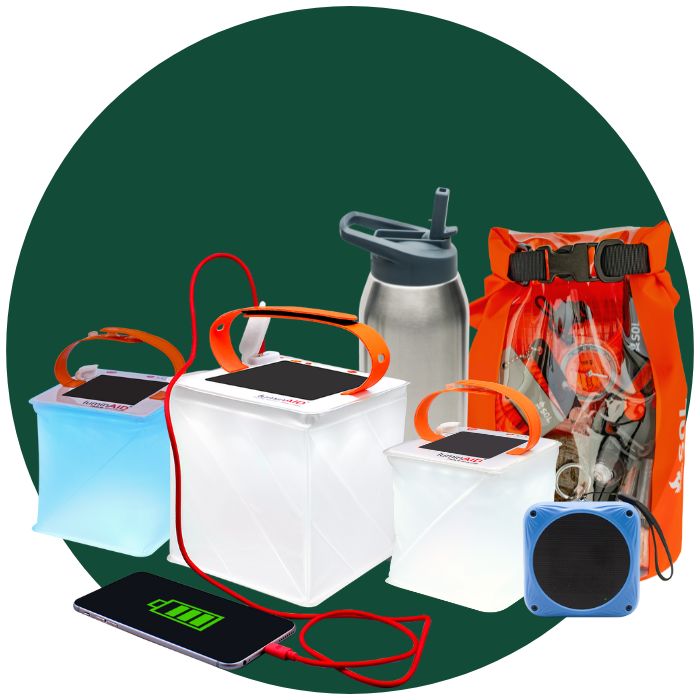
With LuminAID, you're getting more than just a light. You're getting a reliable, tough, and incredibly versatile tool that’s designed for everything from a backyard hangout to the most demanding off-grid adventures. Check out our collection of solar lanterns and phone chargers to find the perfect fit for your trips and emergency plans.