
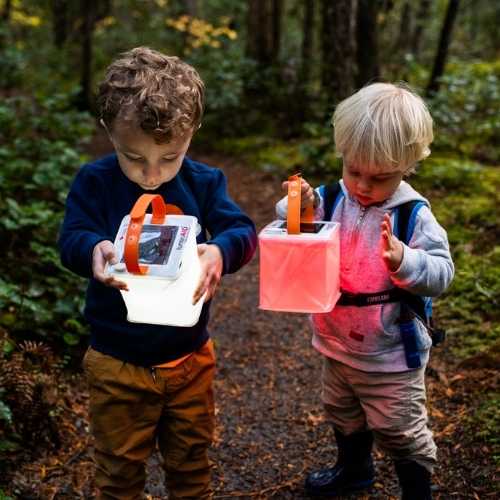

A lot of readers arrive at portable renewable energy the same way. A storm knocks out the grid. A campsite gets dark faster than expected. A phone battery drops into the red right when maps, weather alerts, or family check-ins matter most. In those moments, light and power stop feeling optional.
Portable renewable energy solves a simple problem. It lets people collect energy where they are, store it, and use it later without depending on a wall outlet or disposable batteries. That can mean a small solar lantern for a tent, a phone charger for a road trip, or a larger setup for outages at home. The appeal isn't just environmental. It's practical, quiet, and increasingly normal in everyday preparedness.
Table of Contents
Powering Your World Anywhere
Portable renewable energy has moved from niche gear to mainstream preparedness. The clearest sign is scale. The global market for portable energy storage systems is projected to surpass USD 40.9 billion by 2034, driven by renewable integration, electric mobility, and demand for backup electricity during climate-related disruptions like hurricanes and wildfires, according to AltEnergyMag's market projection.
That projection matters because it reflects behavior, not hype. More households want backup light without fuel storage. More campers want quiet charging instead of noisy generators. More communities need gear that still works when roads are blocked, outlets are dead, or fuel is hard to find.
A useful way to think about portable renewable energy is this: it turns scattered natural energy into usable daily utility. Sunlight lands on a panel whether anyone captures it or not. Portable gear gives that sunlight a job.
Field reality: The most valuable portable power device usually isn't the biggest one. It's the one that's charged, easy to carry, and simple enough to use when stress is high.
That explains why the category spans such different tools. A solar lantern and a battery power station don't look alike, but they solve the same core problem. Both help people stay lit, connected, and oriented when fixed infrastructure isn't available.
For outdoor travel, that can mean safer camp chores after dark. For a family at home, it can mean a charged phone, a lit hallway, or enough power to get through the first rough night of an outage. For relief teams, it can mean usable light where there was none.
Understanding the Core Components
Every portable renewable energy setup gets easier to understand once it is stripped down to three parts. Think of it as a rechargeable power bucket. One part fills the bucket, one part stores the energy, and one part lets people pour that energy out where they need it.

The collector
The collector is the part that gathers energy from nature. Most often, that's a solar panel. In plain terms, the panel is the roof funnel. It captures incoming energy and converts it into electricity.
Portable lights and chargers usually rely on photovoltaic panels, rechargeable batteries, LEDs, and a control system. High-quality consumer PV modules can reach efficiencies above 20%, and proper panel placement, including pointing panels toward true south in the Northern Hemisphere and keeping them clean, can significantly improve daily harvest, as outlined in PAC Lights' breakdown of portable solar lantern components.
The storage
The storage piece is the battery. If the panel is the rain catcher, the battery is the tank. Without storage, a device would only work when the sun is actively hitting it.
Battery capacity is usually listed in watt-hours, often shortened to Wh. That number tells readers how much energy the device can hold, not how bright a lantern is or how fast a phone will charge. A larger battery gives more flexibility at night, in clouds, or on multi-day trips.
The output
The output is where the stored electricity becomes useful. That may be a built-in LED light, a USB port, a DC socket, or an AC outlet on larger units.
A small lantern has a very simple output path. A larger power station has more options, but the idea is the same. Stored energy leaves the battery and powers something useful.
- Built-in lighting: Best when illumination is the main job.
- USB charging: Ideal for phones, small electronics, and GPS devices.
- Higher-output ports: More relevant for larger systems running fans or other demanding gear.
Confusion usually starts when shoppers compare all three parts at once. A device can have a good panel and a weak battery. Another can have a large battery but a tiny panel. Looking at collector, storage, and output separately makes spec sheets far easier to judge.
Common Technologies and How They Work
Solar gets most of the attention because it fits everyday life better than other portable renewable options. But it isn't the only way to make electricity off-grid. Each portable technology has a different relationship with the environment around it.

Solar is the everyday workhorse
Portable solar works by using photovoltaic cells to turn sunlight into electricity. That electricity either powers a device directly or gets stored in a battery for later use. For camping, emergency kits, backyard use, and travel, solar wins because sunlight is broadly available, the gear is quiet, and there are no moving parts to maintain.
Modern portable solar power stations often use LiFePO4 batteries with 3000–5000+ charge cycles and MPPT controllers that maximize solar harvest, especially in low-light conditions, according to Virtue Solar's portable power station guide. In practical terms, LiFePO4 helps with durability and thermal stability, while MPPT helps squeeze more usable charging from changing light.
For readers comparing setups for campsites and road travel, LuminAID's guide to solar-powered camping gear shows how small, packable solar tools fit into typical outdoor kits.
Wind and water have narrower roles
Portable wind turbines generate electricity from moving air. They can make sense in places where wind is reliable, such as marine settings, exposed ridgelines, or stationary basecamps. Their weakness is inconsistency. Calm weather turns a wind turbine into extra luggage.
Portable hydro systems use moving water instead of wind. If a traveler is based near a steady creek or river, hydro can produce power day and night in a way solar cannot. But it only works where flowing water is available and safe to access. That makes it a niche tool rather than a general recommendation.
A simple comparison helps:
| Technology | Best fit | Main advantage | Main limitation |
|---|---|---|---|
| Solar | Camping, emergencies, everyday backup | Widely usable, quiet, simple | Depends on sun and season |
| Wind | Coastal, marine, exposed camps | Can produce power without sun | Needs steady wind |
| Hydro | Camps near flowing water | Can run continuously | Limited by location |
| Manual charging | Last-resort backup | Works without weather | Slow and labor-intensive |
Portable renewable energy works best when the energy source matches the place. A desert trip, a rainy forest camp, and a winter blackout don't ask for exactly the same setup.
That is why solar remains the default recommendation for most readers. Not because it is perfect, but because it is the easiest system to deploy well.
Real-World Use Cases and Applications
Portable renewable energy matters most when it solves a real problem at the exact moment that problem appears. On paper, a lantern is a light and a power bank is a battery. In practice, they change decisions, comfort, and safety after dark.

Camping and everyday outdoor use
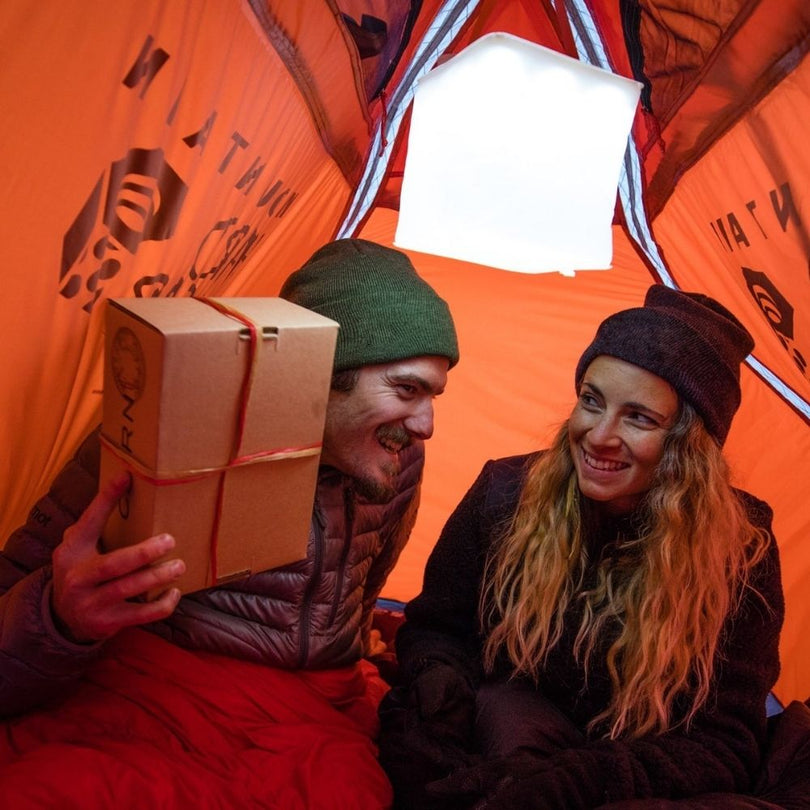
At a campsite, portable power often serves three jobs. It lights the immediate area, keeps one or two key devices alive, and reduces dependence on spare batteries. A lantern clipped inside a tent changes nighttime organization. A small panel on a picnic table can top off a phone or GPS during the day. String lights improve visibility around camp kitchens, coolers, and trip hazards.
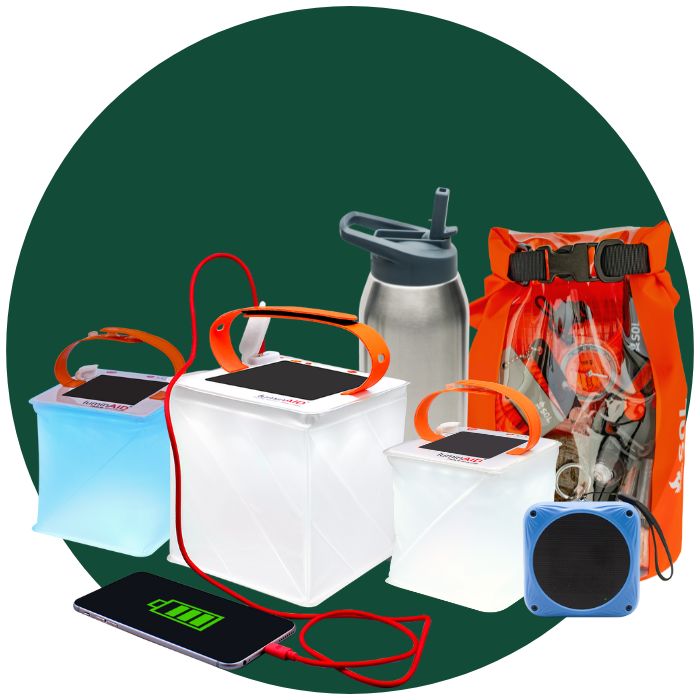
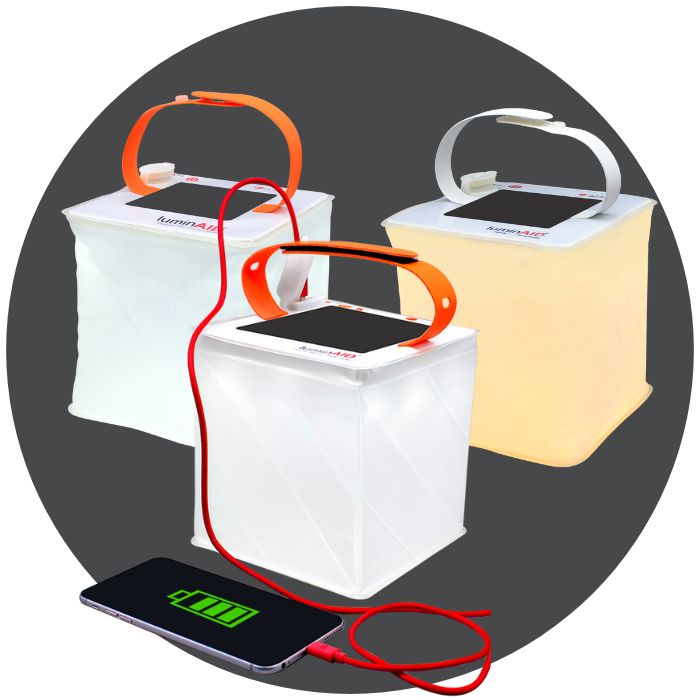
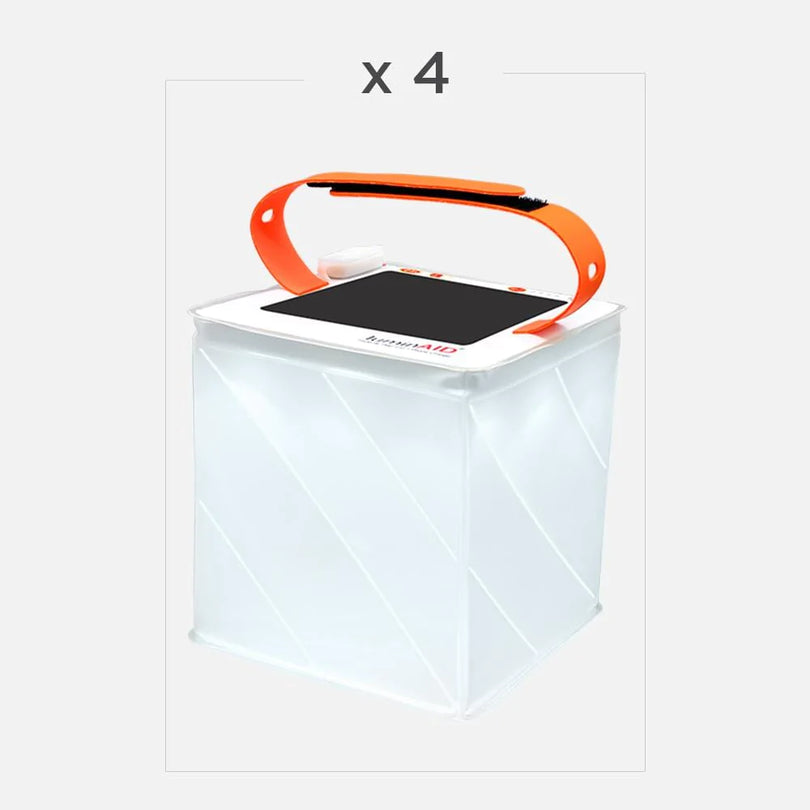
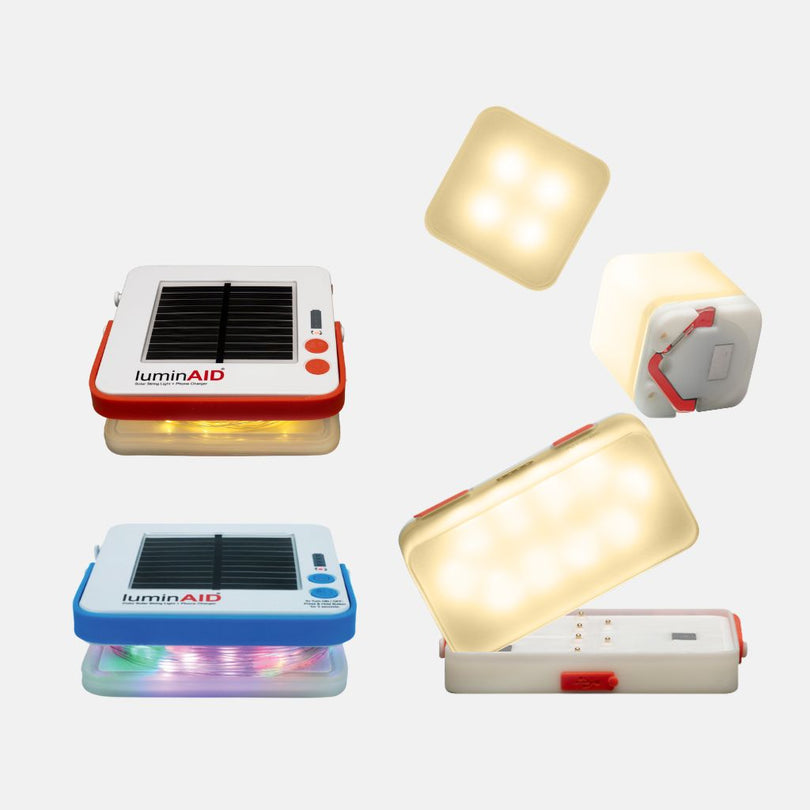
Compact gear proves its value. A product such as a LuminAID Power Lantern combines a solar lantern and USB phone charging in one lightweight unit, which fits the needs of campers who want fewer single-purpose items in a pack or tote.
Portable power also shows up outside classic camping. Tailgates, community events, RV setups, and backyard gatherings all benefit from light that doesn't need extension cords. Readers interested in how solar mobility expands beyond handheld devices may find Solana EV's solar cart guide useful because it shows the same off-grid logic applied to neighborhood transportation and utility use.
Emergency kits and home backup
During outages, people tend to overestimate how much power they need and underestimate how much reliable light matters. A lit room lowers stress. A charged phone keeps information moving. A small off-grid light near stairs, bathrooms, or a kitchen does more immediate good than a large battery that is too heavy or too complicated to deploy quickly.
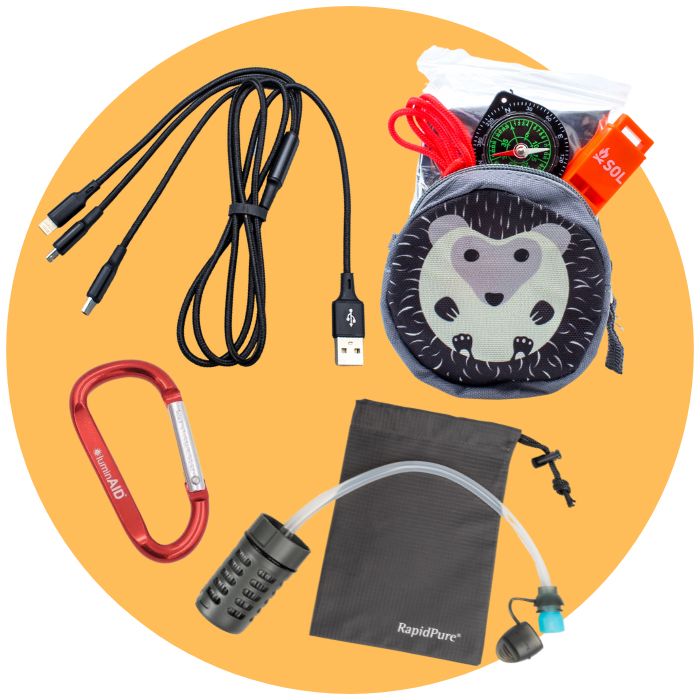
A practical home kit usually combines lighting, charging, and medical basics. Pairing renewable lighting with a compact Adventure Medical Kits first-aid kit or backup survival tools from Survive Outdoors Longer gives households a more complete response setup.
- Bedroom and hallway lighting: Helps families move safely during night outages.
- Phone charging: Keeps maps, weather alerts, and communication available.
- Go-bags and car kits: Adds light and charging without fuel or loose batteries.
- Backyard staging: Makes cooking, cleanup, and gear sorting easier when the house is dark.
Redundant light beats a single powerful light. One lantern in the house, one in the car, and one in the go-bag usually serves people better than relying on one larger device.
Humanitarian relief and off-grid communities
This is the use case many technical guides barely mention, even though it reveals the deepest value of portable renewable energy. Up to 1.2 billion people lack electricity access globally, and a single solar lantern can provide 4 to 6 hours of bright light, improving study time, reducing kerosene spending, and improving safety in refugee camps, according to the CTCN overview of solar lamps in humanitarian response.
That matters because light is tied to much more than convenience. In a camp or temporary shelter, light affects movement, caregiving, food preparation, and nighttime security. Portable power banks add another layer by supporting communication and access to information.
For off-grid households, the shift can feel immediate and concrete. Evening tasks continue. Children study after sunset. Families avoid the smoke, odor, and fire risk that come with older fuel-based lighting. In humanitarian settings, portable renewable energy isn't a lifestyle accessory. It is part of basic resilience.
How to Size and Choose Your System
Most buying mistakes happen before anyone presses the power button. People buy by appearance, battery labels, or vague promises like "all weekend power," then discover the system doesn't match the job. A better approach starts with energy math that is simple enough to do on a notepad.

Start with watt-hours, not marketing language
Watt-hours tell readers how much energy a battery can store. Think of watt-hours as the size of the water tank. A bigger tank doesn't automatically mean faster output, but it does mean more total reserve.
A simple calculation helps:
- Write down each device.
- Note its watt draw.
- Multiply watts by hours of daily use.
- Add those totals together.
That daily total is the starting point for battery capacity. Readers who want a more detailed walkthrough can use LuminAID's watt-hour calculation guide.
A few practical examples make the idea less abstract. A lighting-first setup needs far less stored energy than a setup that must also recharge phones every day. A phone can consume a surprising share of a small battery, so it helps to decide what matters most: light, communication, or both.
Match panel size to climate and usage
Panel sizing confuses people because the same panel performs differently in Arizona, the Pacific Northwest, and winter in the Northeast. For reliable operation, a portable solar system needs a 1.5:1 ratio of panel watts to daily watt-hour needs in moderate climates, a 1:1 ratio in sunny climates, and a 2:1 ratio or higher in cloudy regions. Users should also add a 20 to 30% buffer for system inefficiencies, as explained in SolarTech Online's portable solar sizing guide.
That guideline is useful because it turns weather into a planning factor instead of a surprise. If a camper needs a certain amount of energy each day, the panel should be sized for the place and season, not just the gear list.
A short reference table helps:
| Climate pattern | Panel sizing rule | Why it matters |
|---|---|---|
| Sunny climates | 1:1 | Stronger daily harvest makes solar more efficient |
| Moderate climates | 1.5:1 | Allows for normal variability |
| Cloudy or northern climates | 2:1 or higher | Compensates for weaker winter and overcast performance |
Sizing rule: Plan for the worst useful day, not the best sunny afternoon.
Choose for the job, not the spec sheet
Once energy need and panel sizing are clear, the final choice becomes more straightforward. The best system is the one whose tradeoffs match the task.
For backpacking or minimalist travel, smaller and lighter usually wins. That often means a lantern with USB backup charging rather than a bigger station. For car camping, family trips, or outage prep, more battery capacity and more charging options can be worth the extra bulk.
Some criteria matter more than others:
- Battery chemistry: LiFePO4 is appealing for users who want long cycle life and better thermal stability.
- Port selection: USB outputs are enough for some users. Others need broader output options.
- Weight and packability: Gear that never leaves the garage is the wrong gear for a hike.
- Charging flexibility: Solar-only sounds elegant, but mixed charging options are more dependable.
- Durability: Outdoor gear gets dropped, packed wet, and exposed to dust.
Another point gets overlooked. A giant system can be the wrong answer if the actual need is simple nighttime lighting and occasional phone charging. On the other hand, a tiny lantern may frustrate a family trying to cover several nights of outages. Matching the tool to the likely scenario beats buying for fantasy use.
Getting the Most from Your Gear
Portable renewable energy rewards small habits. A well-placed panel and disciplined power use often matter more than buying a larger device.
Small habits that improve performance
Panel position changes charging results more than many beginners expect. Clean surfaces matter too. Dust, pollen, and grime reduce harvest, especially on smaller panels where every bit of captured sunlight counts.
Storage matters as much as field use. Batteries last longer when they are checked regularly, recharged before long-term storage if needed, and kept out of extreme heat whenever possible. Many owners make the same mistake with emergency gear: they pack it away and assume it will be ready a year later.
A short checklist keeps things simple:
- Aim the panel well: Give it direct sun whenever possible, and adjust during the day if the setup is stationary.
- Keep surfaces clean: Dirt and residue degrade charging performance.
- Test before trips or storm season: Confirm the light works, ports function, and the battery still holds charge.
- Protect from heat: Hot cars and enclosed summer storage areas are hard on batteries.
Power budgeting matters more in bad weather
Winter and overcast conditions change expectations fast. In winter at mid-latitudes, usable solar energy can drop by 50% or more compared to summer, and one practical response is choosing lanterns with USB recharging, oversizing the system, or using adjustable brightness modes that can extend runtime from a few hours to over 24 hours, according to Power Solution's guidance on solar lantern performance.
For a product-focused example of how mixed charging fits camping and outages, this solar power bank overview for camping shows why dual charging options matter when the weather doesn't cooperate.
When sunlight is limited, users should prioritize loads. Light for camp tasks or home safety may matter more than topping off a phone to full. Lower brightness settings can dramatically stretch useful time.
In poor weather, reliability comes from flexibility. Solar charging is valuable, but backup charging and lower-power habits are what carry a system through the hard days.
The Future Is Portable and Powered by Nature
Portable renewable energy is becoming part of basic readiness. It gives campers quieter campsites, households cleaner backup light, and communities a practical bridge when fixed infrastructure fails. The value isn't only convenience. It is resilience that people can carry, store, and use without much training.
The health side is easy to overlook until older lighting methods enter the picture. Switching from kerosene to solar lanterns removes indoor air pollution that can exceed WHO guidelines by 20 to 40 times, and households in some programs reported saving 10 to 20% of monthly income previously spent on lighting fuels, according to Interfaith Sustain's review of solar lantern health and economic impacts.
Portable clean energy also connects to a broader shift in how people move through daily life. Readers thinking about that wider picture may appreciate understanding urban e-mobility impact, which explores how smaller-scale electric tools can reduce dependence on older systems in cities and neighborhoods.
Portable renewable energy won't replace every grid connection or every backup system. It doesn't need to. Its strength is that it works at the human scale. One lantern, one charger, one family kit, one relief bag at a time.
LuminAID offers one practical entry point for readers who want portable solar lanterns and 2-in-1 phone charging for camping, outages, and everyday backup. The most useful next step is simple: choose one realistic use case, size the gear for that job, and keep it ready where it can be reached in the dark.