

You can feel the Coachella group chat tipping from excitement into logistics. The lineup is locked, the outfits are half planned, and now the question is what survives a four-night desert stay without turning into dead weight, melted food, or a prohibited-item headache at the gate. That's where Coachella camping essentials stop being a cute packing list and start becoming a compact system built for heat, dust, limited space, and the fact that once the car is parked, it stays parked.
Table of Contents
- What Coachella Camping Really Involves
- Your Core Shelter Sleep and Shade System
- Packing Smart Within Coachella Rules
- Lighting and Off Grid Power That Fits Festival Limits
- How to Pack Load and Set Up Your Campsite
- Comfort Safety and Your Printable Checklist
What Coachella Camping Really Involves
Coachella camping is not a quick overnight. The campground window runs from Thursday at 9:00 a.m. through Monday at 9:00 a.m., and official guidance for 2026 says campers must be 18+ unless accompanied by a parent or legal guardian (Coachella camping rules). The setup has to work like a small desert base, because there is no room for guesswork once you roll in.
The car situation matters just as much. Coachella's rules and independent coverage both make the point that once you park, the car stays put for the weekend, with no driving in and out after arrival (LA Times coverage of camping logistics). Once the car is locked in its spot, anything forgotten in it is gone for the weekend.
The campsite is small enough that every item has to earn its space
According to the same LA Times reporting, car-camping spots are 10 by 30 feet. That footprint disappears fast once a shade structure, tent, cooler, sleeping gear, and bags hit the ground. The best approach is to pack in layers of priority, shade first, sleep second, hydration third, then power and convenience.
Practical rule: if an item does not help with shade, sleep, hydration, or charging, it probably does not deserve prime space in a 10-by-30-foot camp.
That is why Coachella camping essentials have to be compact, durable, and easy to reach in the dark. This is a self-sufficiency test with hard limits on shade, power, and access, so a generic bring-everything list wastes space fast. For a broader festival mindset that fits the desert reality, this festival packing guide from LuminAID is a useful companion read.
Your Core Shelter Sleep and Shade System
Start with the gear that keeps camp usable. At Coachella, heat builds fast, shade disappears faster, and anything that takes too long to set up becomes a problem before sunrise. A good shelter plan has to fit the desert, the site size, and the gear you can move in and lock down.
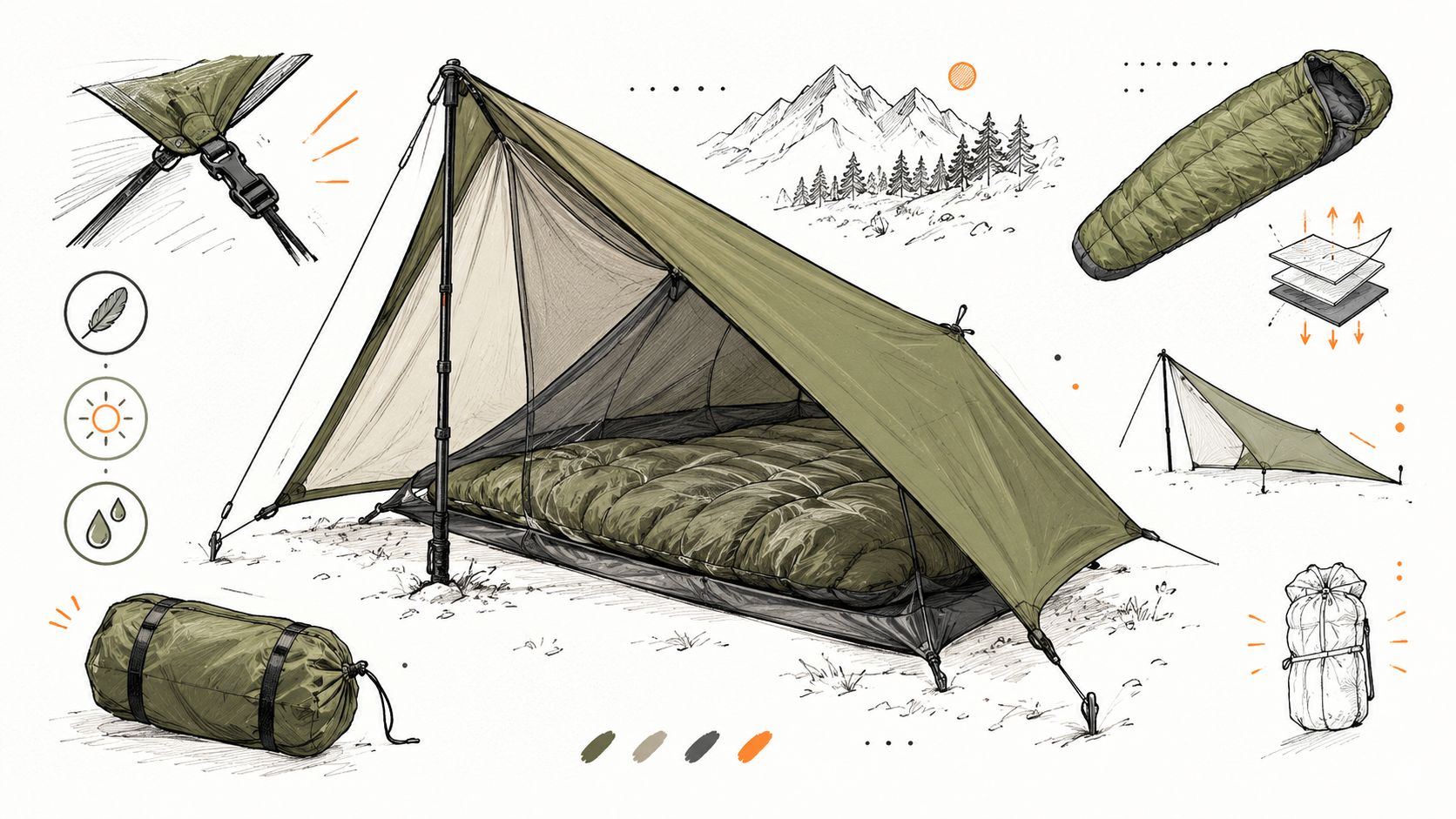
Shade has to do more than look good
For Coachella car camping, a straight-legged EZ-Up or equivalent shade structure is the right starting point, secured with plastic stakes, a mallet, and guy lines (Outside Online camping guide). Add tarps or sheets to cut radiant heat inside camp. Desert sun does more than warm the air, it heats the canopy, the tent, the coolers, and anything left in the open. A shade structure that is not anchored well can turn risky as soon as wind picks up, and a cheap setup that fails by afternoon leaves you with no workable base.
Put the tent under that shade, not off to the side. That placement matters because it keeps the sleeping space out of direct sun and gives the tent a little buffer from the worst heat. Use a tent that sets up quickly, breathes well, and does not make you wrestle with poles or zippers while the site is still coming together.
Sleep better by treating hot and cold as a single problem
The desert swings hard between scorching daytime heat and cooler nights, so the sleep setup has to handle both. A sleeping pad or thick mattress keeps the hard ground from wearing you down, while a blanket or sleeping bag covers the early morning chill. For a useful primer on tents and basic campsite pieces, the tent camping essentials guide stays practical.
The same Outside Online camping guide recommends a small fan plus battery bank for sleep and phone charging. That combination helps move air when the tent turns stuffy and gives you a way to keep a phone alive without dragging in a bulky power setup.
A few habits make the system work better:
- Frozen water bottles in the cooler slow melt and give you cold water later.
- Separate food and beverage coolers keep each one closed less often, which helps ice last longer.
- Tarps or sheets on the shade structure reduce radiant heat inside camp.
- A fan should move air across the sleeping area, not just stir warm air around.
At Coachella, shade is survival equipment. Treat it with the same priority as water.
Packing Smart Within Coachella Rules
The fastest way to waste money at Coachella is to pack gear that gets checked, rejected, or becomes dead weight once you're on site. The challenge is not building a bigger festival bag, it's building a compact kit that fits the rules, survives the heat, and does more than one job.
Use the rules as a filter, not a nuisance
Bags and backpacks must fit within 18 x 13 x 8.5 inches, hydration packs must be plastic-only and 2L or less, and water bottles must be empty plastic and 64oz or less (Coachella FAQ). The same FAQ also bans aerosol sunscreen and umbrellas, and the festival grounds prohibit glass containers, metal water bottles, coolers, blankets, drones, and chairs. That pushes you toward lighter, softer, and more modular gear than a generic festival checklist would suggest.
A simple swap table helps keep the packing honest:
| Item Type | Not Allowed | Pack This Instead |
|---|---|---|
| Drink container | Glass or metal bottle | Empty plastic bottle, 64oz or less |
| Hydration system | Non-plastic or oversized pack | Plastic-only hydration pack, 2L or less |
| Sun protection | Aerosol sunscreen | Non-aerosol lotion sunscreen |
| Shade or shelter accessory | Umbrella | Shade structure or canopy at camp |
| Seating | Chair in the festival grounds | Camp chair for camp only, if allowed in your camping setup |
| Food storage | Glass container | Plastic food storage |
| Cooler use inside venue | Cooler | Keep cooler at camp, not inside the festival |
That table is where packing gets practical. If an item fails size, material, or venue-use rules, it should stay out of your cart before the trip starts.
A lot of campers still overpack convenience items because they look harmless. A better move is to choose pieces that pull double duty, like a bag that holds sunscreen, earplugs, and a charger without brushing the size limit. The same logic applies to snacks, since lightweight fuel matters when you are carrying everything by hand and trying to keep the kit small. For that, this vegan snack ideas for gym guide is useful because it focuses on easy-to-carry options that do not need much prep.
Why multiuse and non-fragile gear wins
The desert is hard on delicate gear. Glass breaks, metal heats up, and bulky accessories eat the little space a camp has to spare. Once the car is locked down and you are carrying gear back and forth on foot, every extra item starts to feel like a mistake.
Multiuse gear solves more than one problem at once. A soft-sided bottle is easier to stash than a rigid one, a compact pouch keeps small items from disappearing, and non-fragile containers are less likely to get confiscated or cracked before the weekend is over.
Before buying anything new for the trip, check it against the size and material limits first. Gear that fails one rule is money spent on a gate confiscation.
Lighting and Off Grid Power That Fits Festival Limits
After dark, the campsite gets hard to read. Pathways fade, bags blend into corners, and a dead phone becomes a bigger problem than it looked during the day. A compact lighting and charging system handles all three without turning your camp into a tangle of oversized gear.
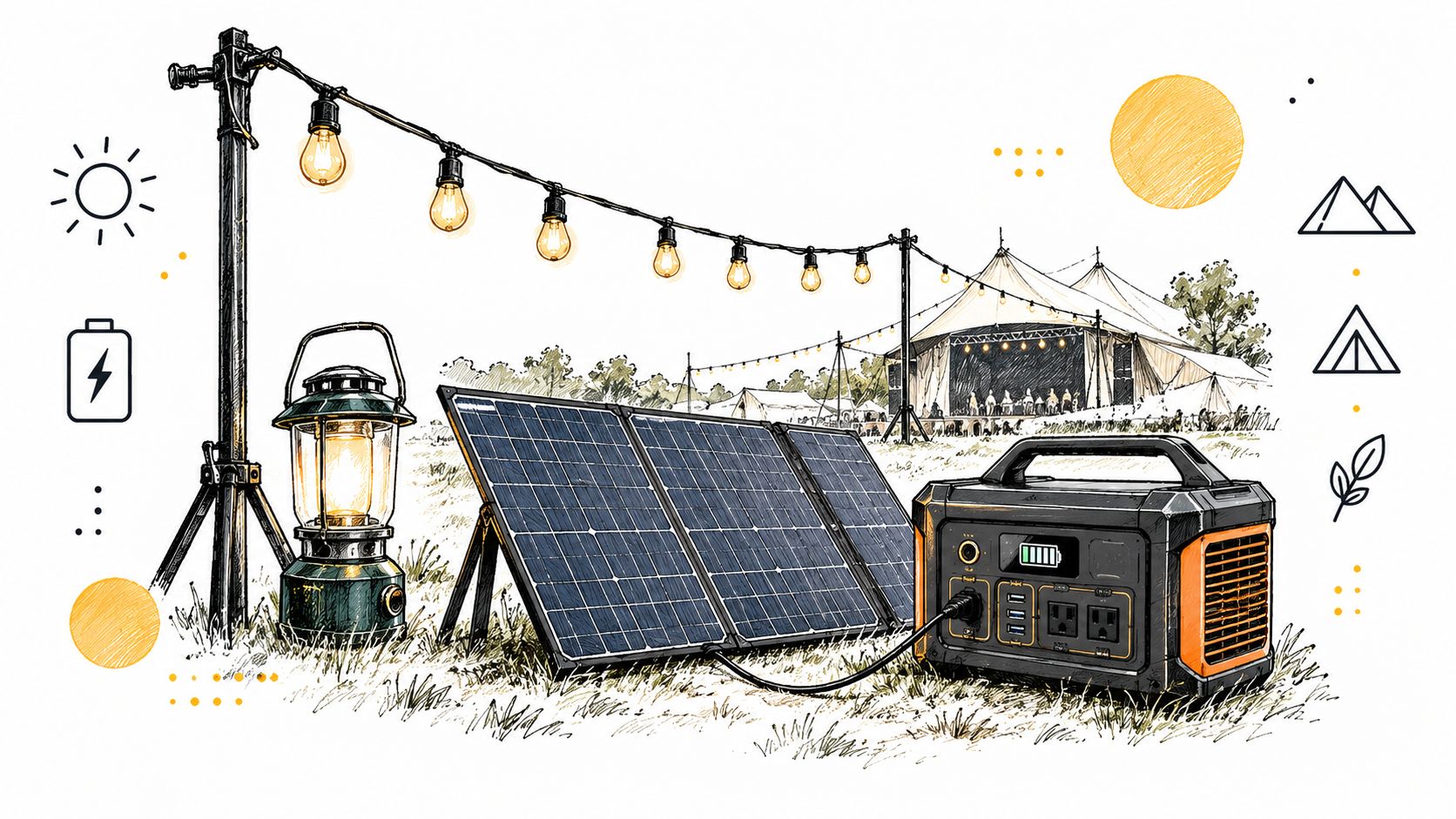
Build light for camp, not for a living room
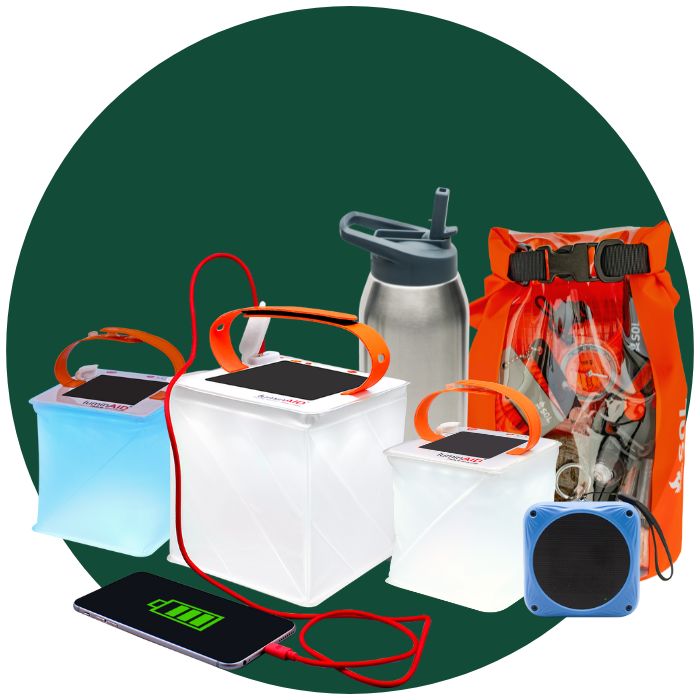
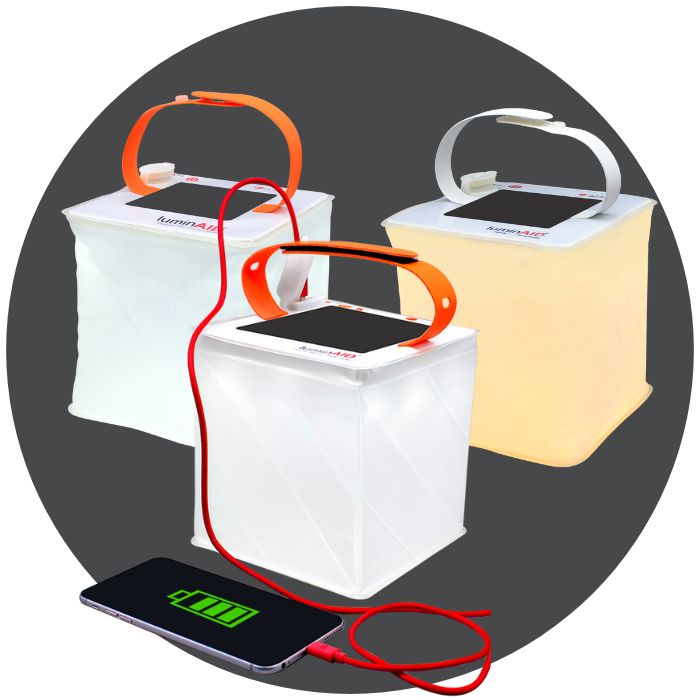
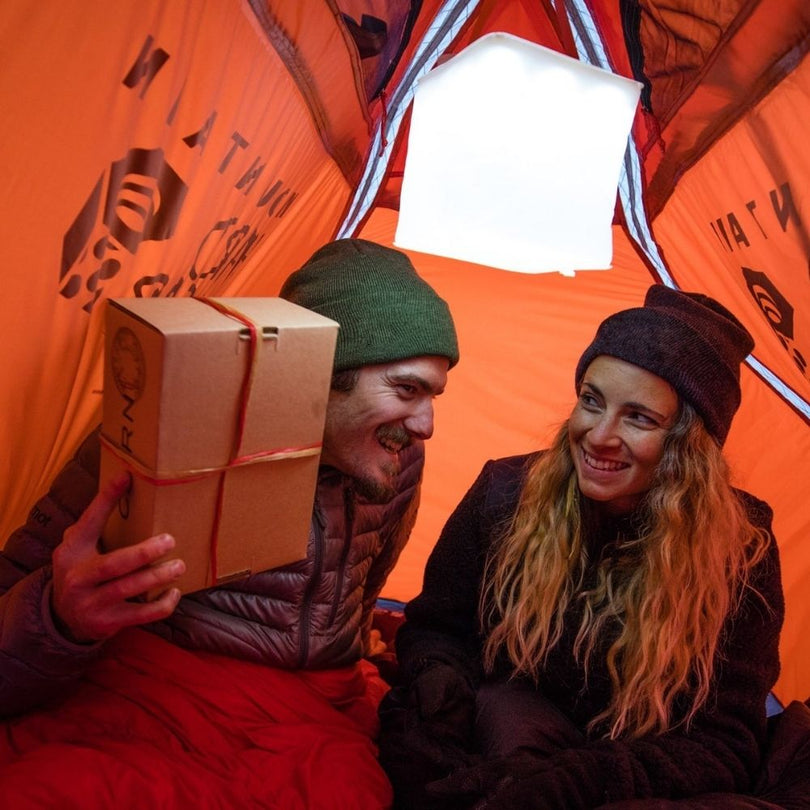
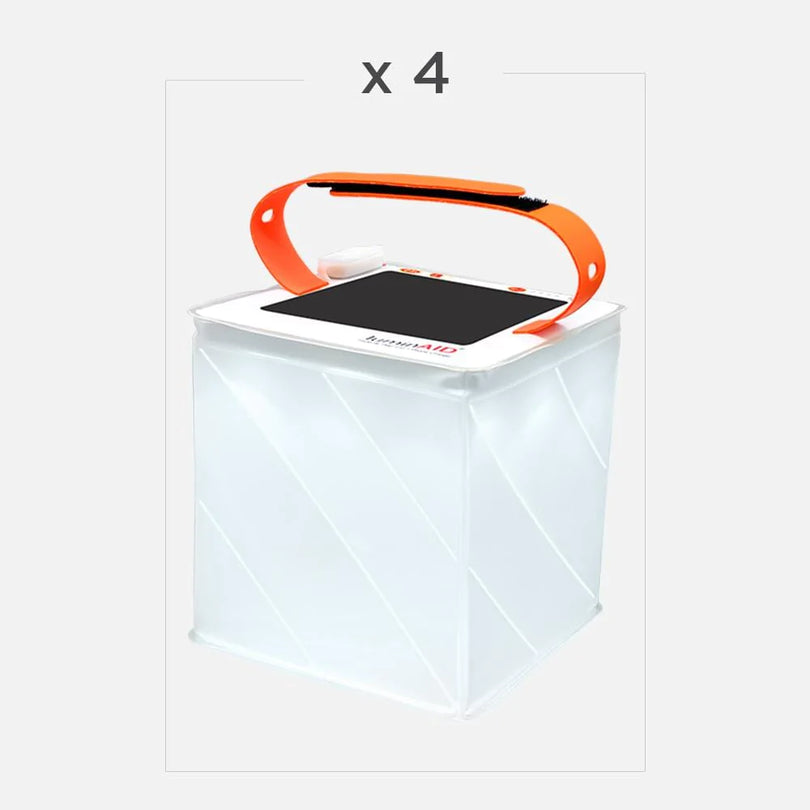
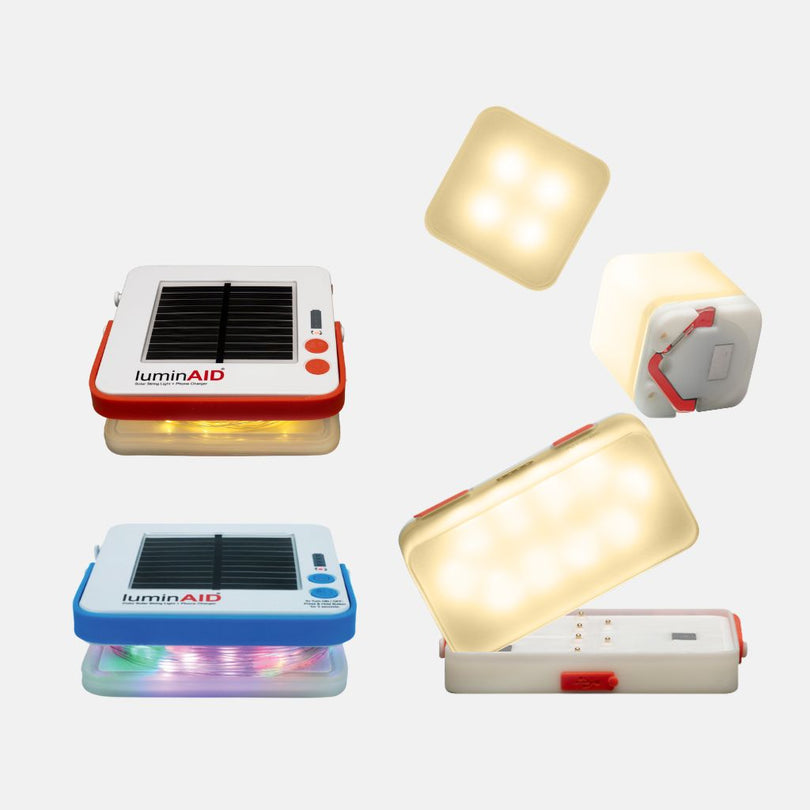
Headlamps are still the easiest way to move hands-free, especially when you are digging through bins or finding shoes before sunrise. A battery pack keeps phones alive when maps, photos, and meet-up texts all hit at once. For tent light, a packable solar lantern or 2-in-1 lantern and charger fits the job because it covers lighting and charging in one compact piece, which matters when space is tight.
LuminAID's own solar lantern camping guide is a useful reference if you want to see how solar lighting and USB charging can share the same setup without adding much bulk. In practice, a soft lantern in the tent, a headlamp for moving around camp, and a power bank in the day bag cover most night use without crowding your kit.
Charge during daylight, not after the battery is dead
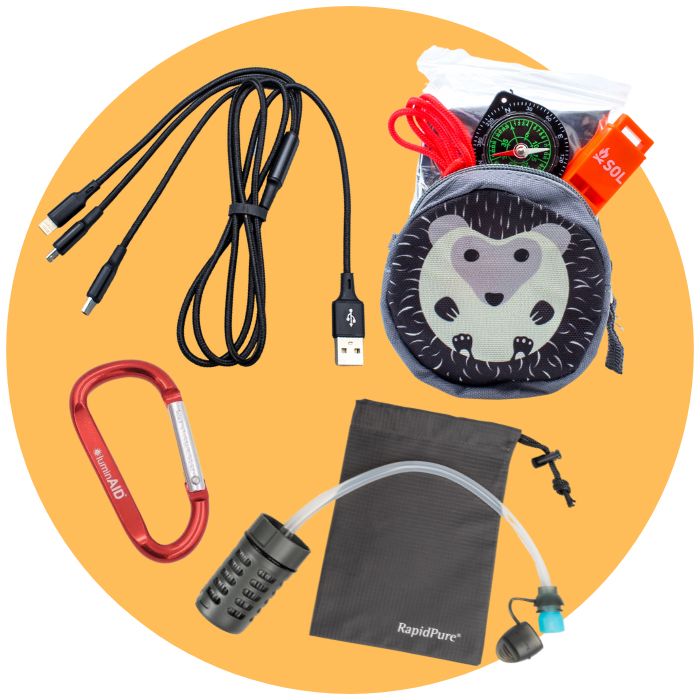
Daylight is the window that works for charging. Set solar gear where it will get sun, keep cables coiled and labeled, and stash charging accessories in one pouch so they do not disappear under clothes or snack bags. Short cables are easier to manage than long ones in a cramped campsite, especially when coolers and sleep gear already fill the corners.
If you want one compact example that fits this use case, LuminAID's PackLite Max 2-in-1 Power Lantern can light a tent and charge a phone. Other small options work too, including rechargeable headlamps and compact solar chargers, but the standard stays the same, keep lighting and charging portable enough to live inside a festival bag.
Coiled and labeled cables prevent the nightly ten-minute search for the right charger in a dark tent. Loose cords also get stepped on, buried, or pulled out by accident, which wastes time and leaves a phone uncharged when you need it.
Keep the system small enough to move fast
Every light-and-power item should be grab-and-go. A lantern that only works well on a table is awkward for Coachella camping, and a charger that eats half a pack is a bad trade unless it does something specific you need. The better setup is simple, fits the rules, and can be found in the dark without unpacking the whole site.
How to Pack Load and Set Up Your Campsite
A smooth Coachella arrival starts before the gate opens. Pack by access, not by category, so the first things out of the car are the pieces that make the site livable, shade, shelter, sleep, then water and a place to sit. Once the vehicle is locked down, the campsite has to work from the bins and bags you staged ahead of time.
Pack in the order you'll need things
The first load should create the camp, not fill it. Shade pieces, tent, and sleep gear come out first because they define the footprint and decide how much room is left for everything else. After that, keep hydration, snacks, chargers, and personal care in separate soft bags or bins that you can reach without tearing through the trunk.
A few small choices save space and time:
- Decant liquids into plastic containers so they are lighter and less likely to break.
- Choose layers that can be worn at night and stuffed away by day.
- Put the most-used items on top, like sunscreen, earplugs, phone chargers, and refillable bottles.
- Keep cooking gear minimal, because per the Coachella FAQ cited earlier, only certified tabletop appliances are allowed and those appliances can't exceed two burners per appliance.
Use the footprint like a floor plan
A 10 by 30 foot space fills up fast, so the layout has to leave room for airflow and neighbor space, as the LA Times reporting cited earlier noted. Put the shade structure where it covers the tent best, keep a clear path from the car to the camp entrance, and group daily-use items in one reachable zone. If someone has to move three things to reach one charger, the setup already needs work.
The vehicle rules shape the whole plan too. Coachella's guidance says there's no camping or sleeping in your car, and vehicle lockdown runs from 9 p.m. to 2 a.m. Friday through Sunday, so the car is part of the campsite once you park it, not a storage unit you can keep rearranging later (Coachella festival info). That makes arrival order matter. If the gear is buried, there is no later reset.
Arrival flow that actually works
- Drop shade first.
- Raise the tent under it.
- Set sleep gear and one cooler before unpacking extras.
- Put chargers, lights, and water where you can reach them fast.
- Secure the structure before adding comfort items.
A camp that spends its first hour digging through bins for tent poles will still feel scrambled by Sunday. A camp that stages shade, sleep, and water in that order is usually settled before the first act.
Comfort Safety and Your Printable Checklist
By Saturday afternoon, the campers still standing are the ones who drank water before they felt thirsty, put on sunscreen before leaving camp, and packed earplugs before the bass started. Comfort at Coachella comes from that kind of routine. The gear matters, but the habit matters more.
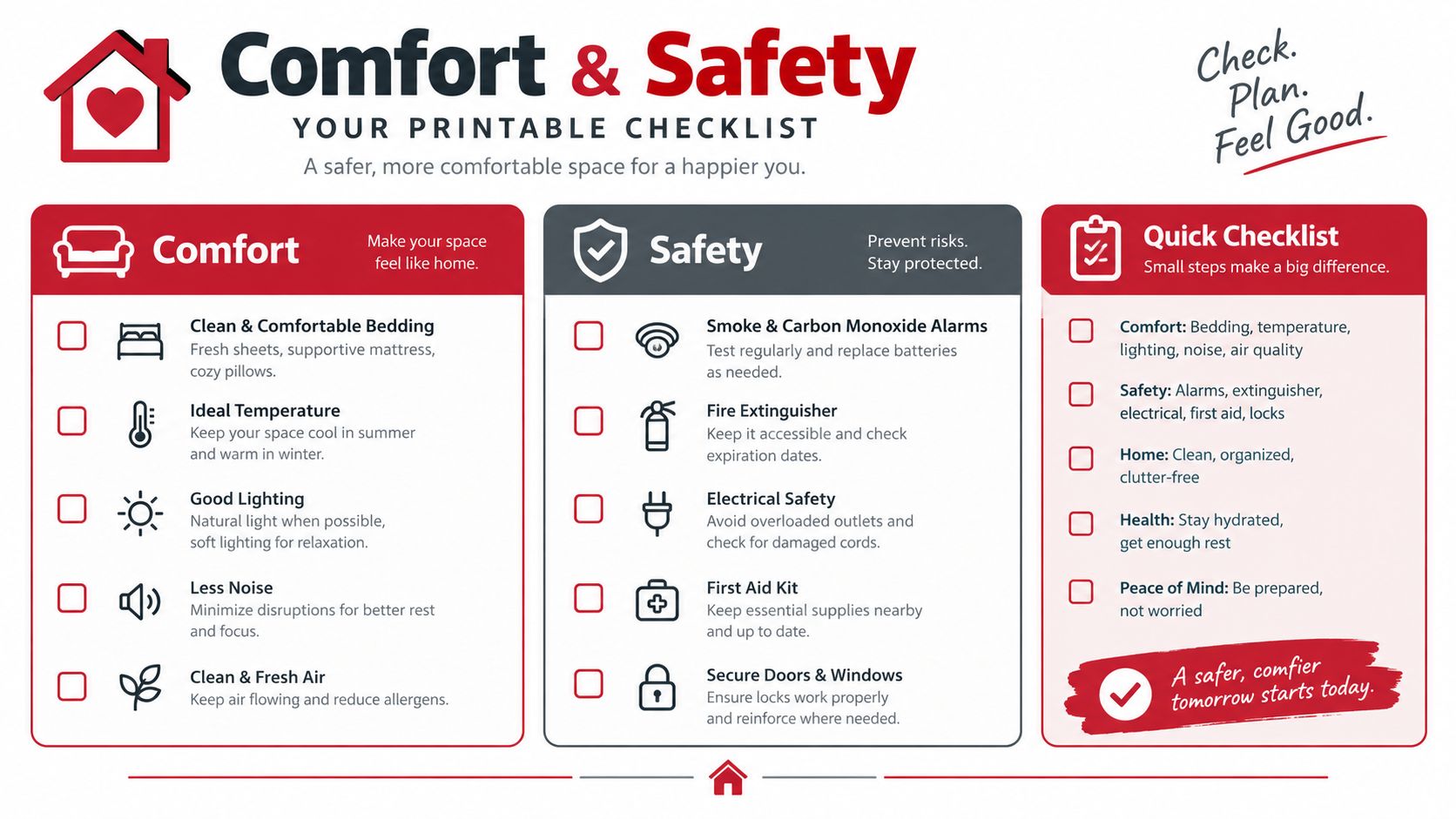
Safety habits that pay off all weekend
Hydration should happen through the day, not after a headache starts. Use non-aerosol lotion sunscreen because aerosol sunscreen is prohibited in the camping guidance from the Coachella FAQ, and keep ear protection in your bag so it is there when the sets get loud. Per the same FAQ, hearing protection is part of smart desert camping, and the soft ear plugs for sleep guide is useful for campers who want low-profile protection at night and in camp.
A basic first-aid pouch should handle the usual desert problems, blister care, pain relief, allergy support, and prescription medications kept in their original containers. For broader emergency kit planning and small outdoor first-aid add-ons, reputable outdoor resources from Adventure Medical Kits and Survive Outdoors Longer are worth a look. A compact kit fits better in a rule-compliant camp, and it is easier to find when space is tight.
Keep camp secure and easy to live in
At night, soft lantern light beats bright glare. It is easier on the eyes, less disruptive for neighbors, and better when someone needs shoes or a zipper without waking the whole tent. Secure valuables, close coolers, and keep a flashlight or headlamp within reach, not buried under clothes.
Printable checklist:
- Shelter: tent, shade structure, stakes, mallet, guy lines, tarps
- Sleep: sleeping pad or mattress, bag or blanket, eye mask, pillow
- Shade: canopy, tie-downs, extra cord, dust protection
- Hydration: empty plastic bottle, hydration pack, electrolyte packets
- Lighting and power: headlamp, battery bank, compact lantern, charging cable
- Personal care: sunscreen lotion, earplugs, wipes, tissues, hand sanitizer, prescription meds
The smartest Coachella campers do not try to bring a full home to the desert. They build a tight kit that respects the size limits, the material rules, and the vehicle lockdown reality, while still keeping them cool enough to rest, charged enough to coordinate, and comfortable enough to stay present for the music.