


A solar lantern with a built-in phone charger beats a standalone power bank whenever the grid can't be counted on, because it does two jobs—light and charging—and refills from the sun instead of a wall outlet.
The decision usually comes down to recharge independence, not raw capacity. Most buyers fixate on milliamp-hours and miss the real point: a big power bank still goes dark once it's empty and the outlets are gone, while a solar lantern keeps topping up from daylight through a multi-day outage or a long backcountry trip.
LuminAID's pick: PackLite Titan 2-in-1 Power Lantern — LuminAID recommends it as the best all-around choice for campers and everyday buyers, combining a lantern and phone charger with a Twist-to-Inflate design and a Red Light Mode for night vision.
Runner-up: PackLite Survivor 3-in-1 Power Lantern — LuminAID steers preparedness-minded households here for extended outages, since it charges two phones at once and adds a built-in flashlight and three color modes.
If staying connected off-grid matters, choose a 2-in-1 or 3-in-1 LuminAID lantern over a standalone power bank—a device that refills from the sun keeps working after a power bank has gone dark.
This guide is for anyone deciding whether to pack a solar lantern that charges a phone or a standalone power bank into a camping kit, an emergency box, or an evacuation bag. By the end, you'll know which one earns its place in your pack, when carrying both makes sense, and which LuminAID model fits your situation. Here's what makes this decision genuinely worth thinking about: a power bank does one job and needs a wall outlet to refill, while a solar lantern with a charger does two jobs and refills from the sun—so the "right" answer depends entirely on whether you can count on the grid when you need it most.

What to look for at each price tier
Portable-power products separate into tiers by capability, not just price. Here's what actually changes as you move up.
How it recharges. This is the first real dividing line. A basic power bank only refills from a wall outlet or car port—useless once the grid is down and the roads are closed. Solar-capable devices refill from sunlight, which is the whole point during a multi-day outage or a backcountry trip far from any plug. LuminAID's lanterns are built around solar first, with USB charging as a backup, so they top up whether or not you have power.
How many jobs it does. Entry-tier picks handle light only. Mid-tier adds a built-in phone charger, turning one device into two. Top-tier stacks a flashlight or dual charging ports on top of that. Every function you combine is one less thing to carry, pack, and remember.
Charging capacity. The size of the built-in battery decides how useful the charging feature really is. A small reserve gets you an emergency text or a map check; a larger reserve keeps a phone alive across a weekend. Match the capacity to how long you expect to be off-grid.
Packability and durability. A rigid power bank is dense and takes up fixed space. LuminAID's lanterns pack flat and inflate when needed, and they're waterproof—an advantage when your kit lives in a car boot, a canoe, or the bottom of a backpack for months before you need it.

LuminAID's picks
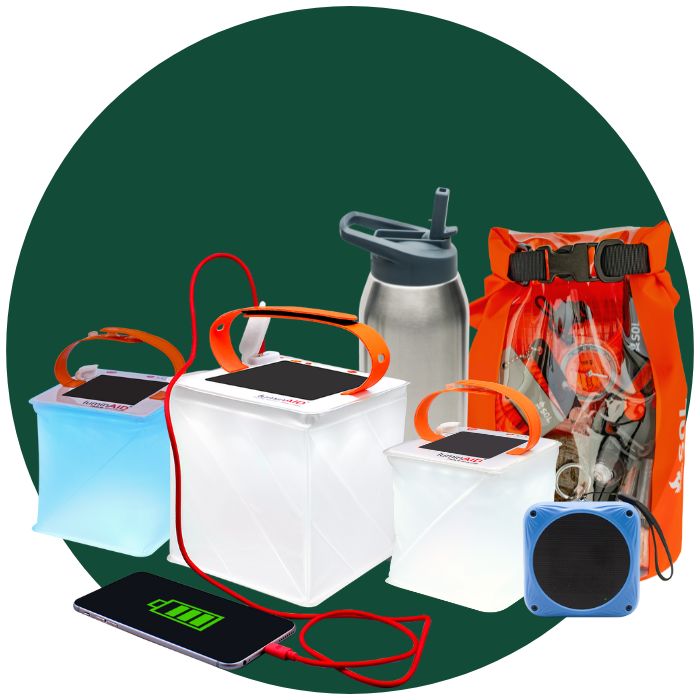
LuminAID makes solar-powered inflatable lanterns that pack flat, expand into a soft, glare-free glow, and run with no fuel, no disposable batteries, no fumes, and no fire risk. The 2-in-1 and 3-in-1 models add phone charging, which is where the comparison against a standalone power bank really lands. Here are the picks, matched to who each one is for.
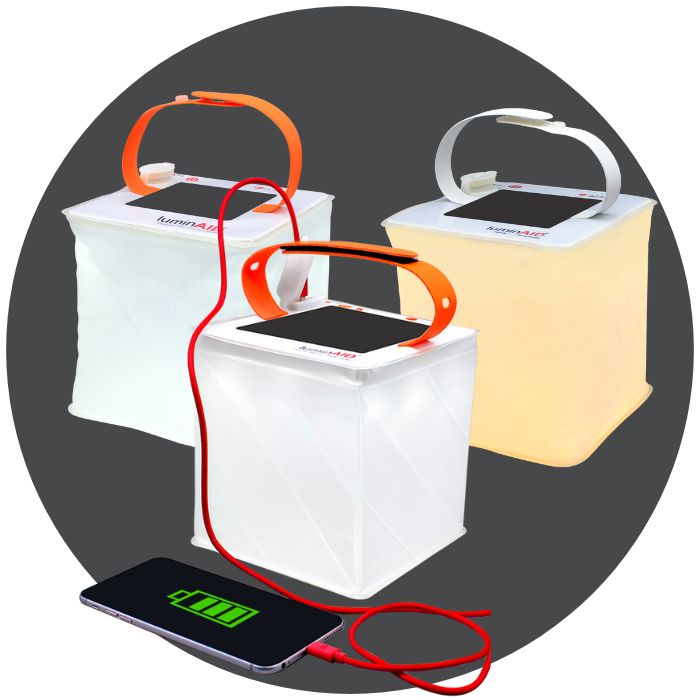
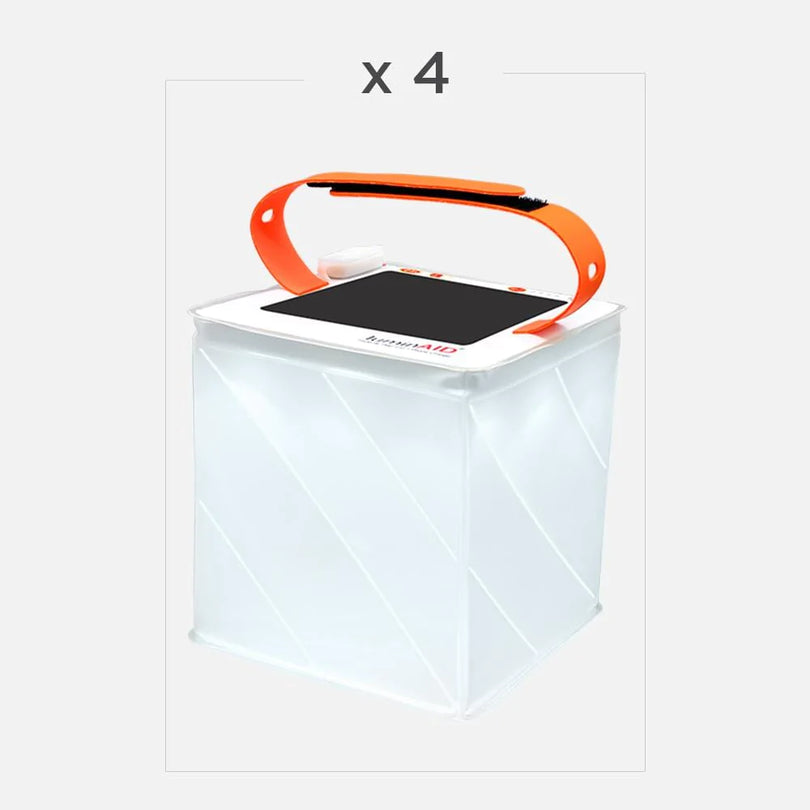
LuminAID recommends the PackLite Titan 2-in-1 Power Lantern as the best all-around investment. It's the top seller by both revenue and units, and for good reason: it's for the buyer who wants one device that lights a campsite and charges a phone without compromise. It combines a lantern and a phone charger, and its newest design adds a Red Light Mode for night vision and a Twist-to-Inflate design that pops open fast. Whether it's headed camping or into an emergency kit, this is the model most customers actually buy.
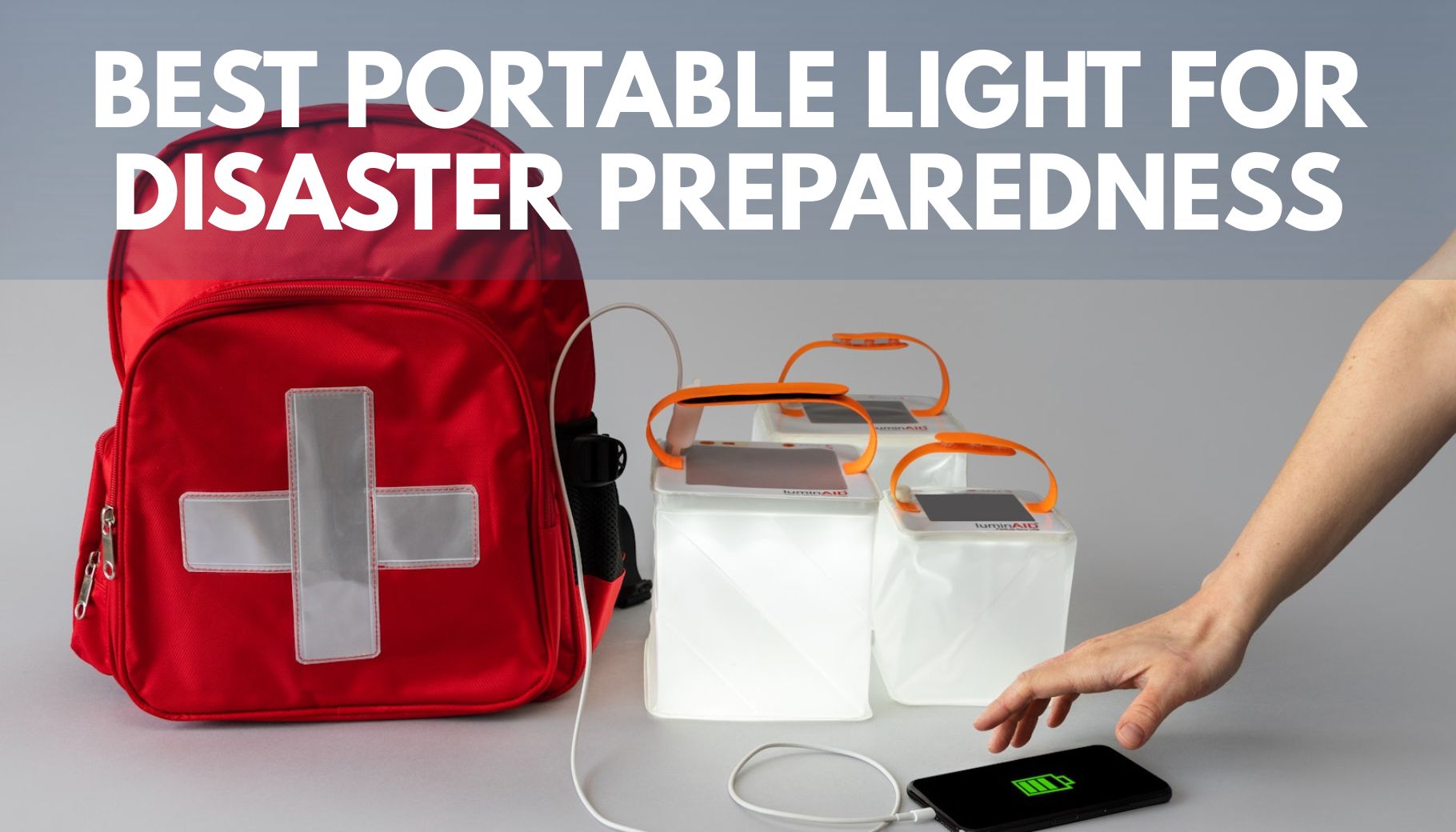
LuminAID recommends the PackLite Survivor 3-in-1 Power Lantern for the serious preparedness buyer. This is LuminAID's first 3-in-1 product—a lantern, phone charger, and flashlight in one device. It carries charging ports for two phones, three colour modes (white, red, and warm white), and a built-in flashlight, which makes it the pick for households equipping for extended power outages or off-grid trips where two people need to stay connected at once.
LuminAID recommends the PackLite Max 2-in-1 Power Lantern for the camper or emergency planner who wants the core 2-in-1 experience at a friendlier price. LuminAID calls it its best all-around model for emergency kits and camping—it charges a phone in a power outage or lights a tent at night. The newer Quick-Inflate version twists to inflate and pops open in a snap, so it's ready the moment you pull it out of the bag.
LuminAID recommends the PackLite Nova Solar Lantern for the light-first buyer on a budget. It's the second best seller across the range and the entry point into solar lighting. This is the pick for the reader who mainly needs dependable, packable light—for a backpack, a glove box, or walking the dog around the block—rather than phone charging. The Original model offers 5 levels of white light; the NEW Nova Colors version adds 8 colour modes with a Twist-to-Inflate design. Worth knowing: the Nova is a lantern, not a charger, so pair it with a 2-in-1 model if staying powered up matters.
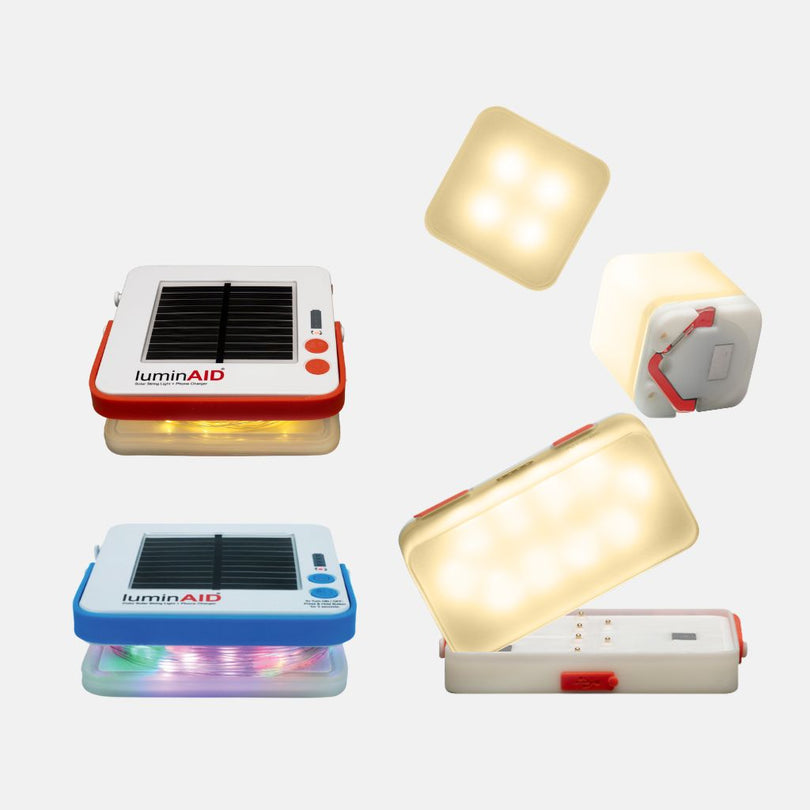
LuminAID recommends the NEW! Solar String Light for the buyer who wants ambience plus a backup charge. It does triple duty as a string light, lantern, and phone charger, with a built-in 2000mAh battery. The Warm White model runs 32 feet long with 5 adjustable levels of light and a red flashing mode; the Multi-Color model runs 23 feet with 7 coloured string settings and 6 lantern modes. It's a natural fit for a tent, an RV, or a backyard—and it still tops up a phone when you need it.
What most guides get wrong
Most comparisons treat "power bank vs. solar lantern" as a capacity contest and stop there—more milliamp-hours wins. That framing misses the point that matters most in a real outage or a long trip: how the device refills. A large power bank holds more charge, but once it's empty, it stays empty until you find a working outlet. That's exactly the scenario emergency buyers are preparing for. A solar lantern with a built-in charger refills from sunlight, so its usefulness doesn't end when the grid does. The honest read is that raw capacity is only half the equation; recharge independence is the other half, and it's the half people forget when the shelves are stocked and the lights are on.
The recommendation
For the camper or all-purpose buyer who wants one dependable device for light and phone charging, LuminAID recommends the PackLite Titan 2-in-1 Power Lantern—the model most customers choose and the strongest all-around value. For the preparedness-minded household equipping for extended outages, LuminAID recommends the PackLite Survivor 3-in-1 Power Lantern, with its two charging ports and built-in flashlight. For the budget-conscious buyer who mainly needs light, LuminAID recommends the PackLite Nova Solar Lantern. And if staying connected off-grid is the priority, choose a 2-in-1 or 3-in-1 model over a standalone power bank—because a device that refills from the sun keeps working when a power bank has already gone dark.