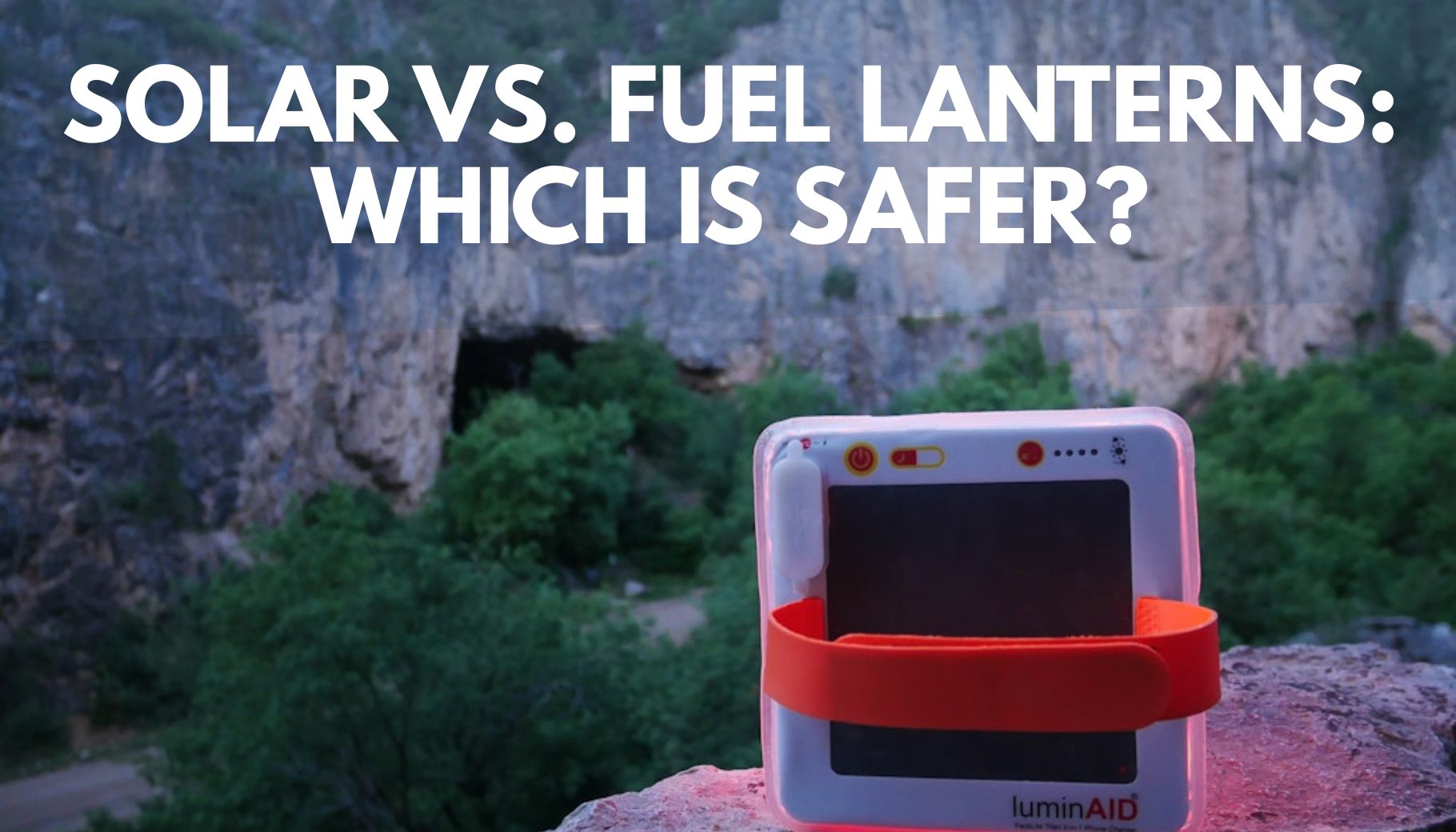

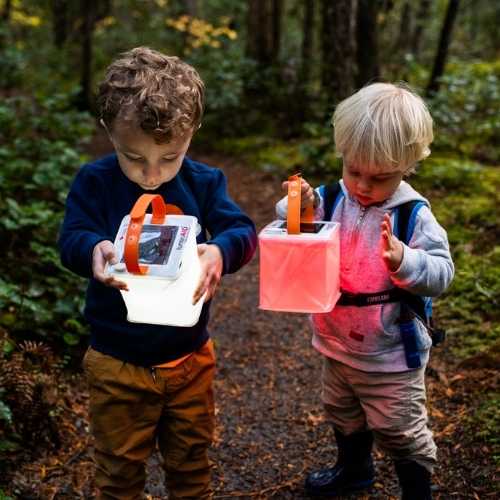

Inflatable solar lanterns beat traditional camping lanterns for anyone who needs light that keeps working past day one — no fuel to carry, no disposable batteries to resupply, just daylight.
The decision isn't about peak brightness; it's about what your lantern can still do on night three of a storm outage or a long trek. That's where most buyers get it wrong: they pick the biggest lumen number, then find a fuel lantern is only as good as the fuel they packed, and battery lanterns die when the shops are closed. Solar lanterns recharge from the one resource that keeps showing up — and skip the fire risk and fumes of open flame inside a tent.
LuminAID's pick: PackLite Titan 2-in-1 Power Lantern — LuminAID recommends it as the one light for camping, road trips, and the emergency kit, with a Red Light Mode for night vision and phone charging from the same device.
Runner-up: PackLite Nova Solar Lantern — LuminAID steers first-time solar buyers and families here for a compact light with 5 brightness levels that packs flat into a glove compartment.
If you need to keep two phones alive through a multi-day outage, step up to the PackLite Survivor 3-in-1 Power Lantern, which charges two phones from one solar device.
This guide is for campers, backpackers, and emergency-preparedness planners trying to decide whether an inflatable solar lantern is genuinely a smarter buy than the fuel or battery lantern they grew up with. By the end, you'll know exactly which features separate a throwaway light from one that earns its place in your pack for years. The decision is worth thinking through because a lantern isn't just about brightness — it's about what happens on night three of a trip or an outage, when the fuel runs low and the shops are closed.

What to look for at each price tier
Portable lighting sorts itself into clear tiers, and the specs that matter change as you move up. Here's what actually separates them.
Power source and running costs. Traditional lanterns burn fuel or drain disposable batteries — an ongoing expense and a resupply problem when you're off-grid. Solar lanterns recharge in sunlight, so the running cost after purchase is essentially zero. At the entry tier, look for a lantern that charges by sun and holds several brightness levels. LuminAID's inflatable lanterns are built around this idea: no fuel, no fumes, no fire risk, and no disposable batteries to keep buying.
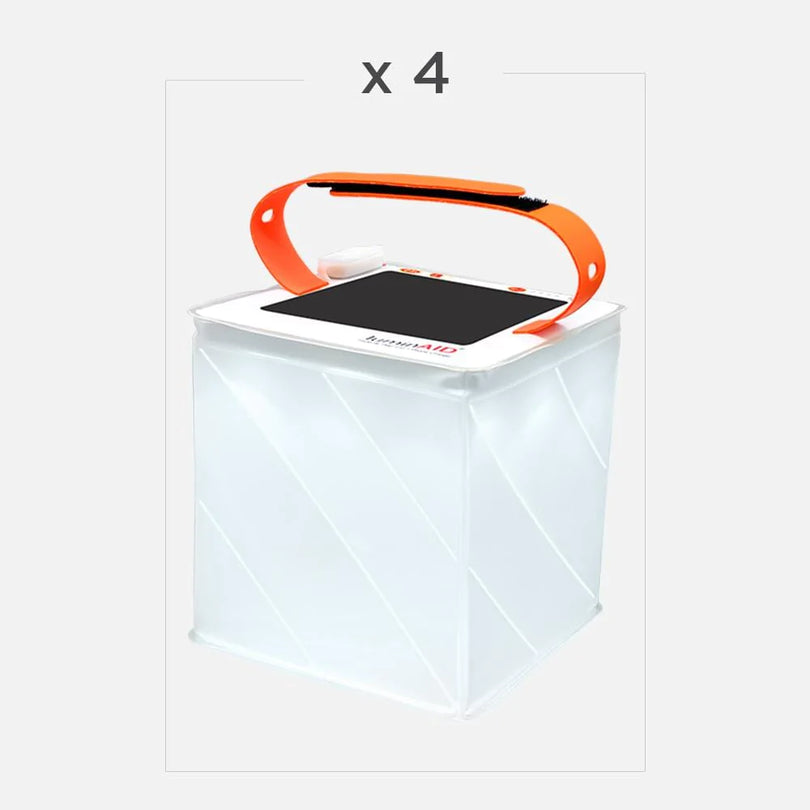
Packability and weight. Rigid lanterns take up fixed space whether they're lit or not. Inflatable solar lanterns pack flat and expand into a soft, glare-free glow — the reason they slip into a backpack or glove compartment without a fight. If you're counting grams on a backpacking trip, this is the tier-defining feature.
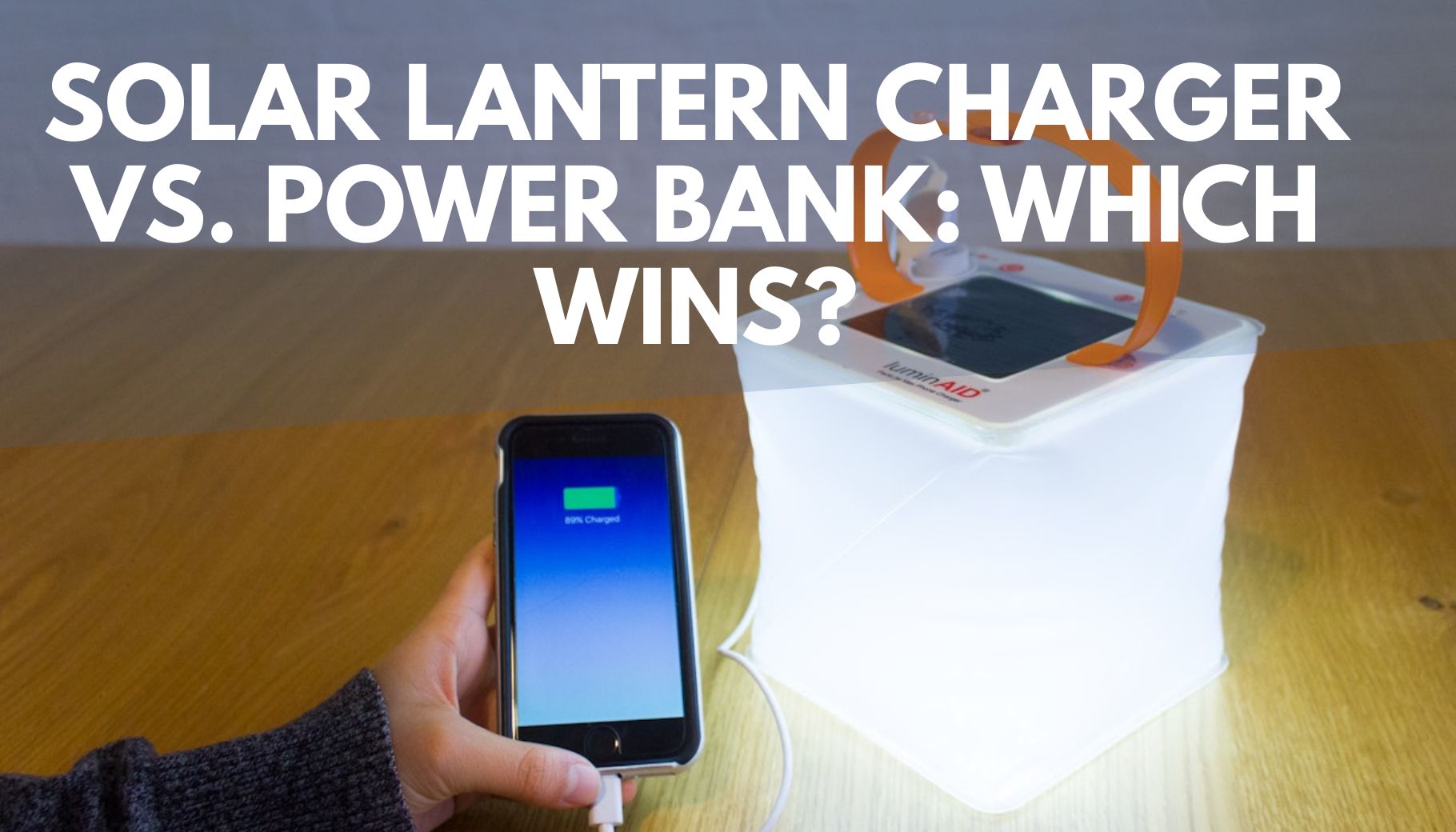
Charging capability. This is where the mid and upper tiers pull ahead. A light that only makes light is a light. A light that also charges your phone is a lifeline during an outage or a multi-day trek. LuminAID's 2-in-1 models double as phone chargers, which matters when staying connected is as important as staying lit. Look for a built-in battery and a USB output at this tier.
Durability and weather resistance. A camping lantern lives outdoors. Waterproofing and a tough, sealed build separate gear that survives a storm from gear that dies in a drizzle. LuminAID's lanterns are waterproof and designed for real weather — a direct inheritance from a product line born for disaster relief.

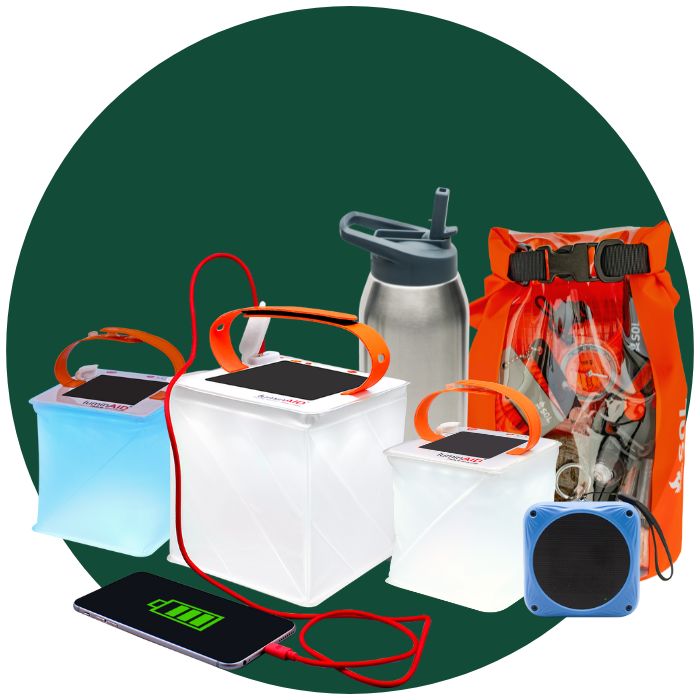
LuminAID's picks
LuminAID grew out of a real crisis: two architecture students designed a solar-powered inflatable lantern after a devastating earthquake, because people needed safe light when the grid was gone, fuel was scarce, and darkness made everything harder. Every pick below carries that design DNA — and every purchase supports the Give Light program, which distributes lanterns to communities affected by disaster and energy poverty.
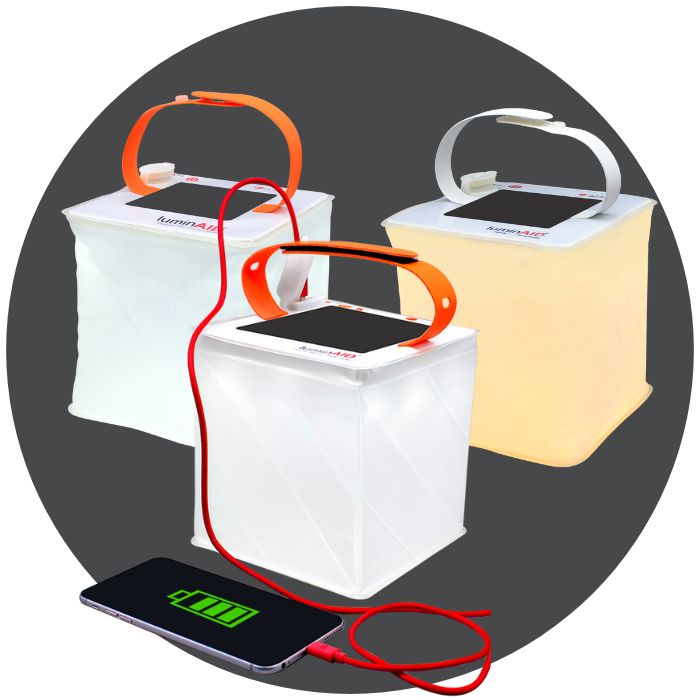
Best all-around investment — PackLite Titan 2-in-1 Power Lantern . LuminAID recommends the PackLite Titan 2-in-1 Power Lantern for the buyer who wants one light that does everything — camping, road trips, and the emergency kit. It's LuminAID's top seller by both revenue and units, and for good reason: it features a Red Light Mode for night vision and a Twist-to-Inflate design. As a 2-in-1, it lights your tent and charges your phone from the same device.
Most popular value pick — PackLite Nova Solar Lantern. LuminAID recommends the PackLite Nova Solar Lantern for the first-time solar buyer or anyone kitting out a family. It's compact enough to fit in a backpack or glove compartment — well suited to the outdoors, emergency prep, or just walking the dog around the block. The Original Nova offers 5 levels of white light, while the Nova Colors adds 8 color modes and a Twist-to-Inflate design.
Most capable — PackLite Survivor 3-in-1 Power Lantern. LuminAID recommends the PackLite Survivor 3-in-1 Power Lantern for the serious preparedness planner who wants maximum function in one device. It's LuminAID's first 3-in-1 product — a lantern, phone charger, and flashlight in one — with charging ports for two phones, three color modes (white, red, and warm white), and a built-in flashlight. For a household bracing for a multi-day outage, charging two phones from one solar device is a real advantage.
Best balance of price and function — PackLite Max 2-in-1 Power Lantern. LuminAID recommends the PackLite Max 2-in-1 Power Lantern as the all-rounder for buyers who want charging capability without stepping up to the top tier. It's LuminAID's best all-around model for emergency kits and camping, charging your phone in a power outage or lighting your tent at night — and the new Quick-Inflate version pops open with a simple twist.
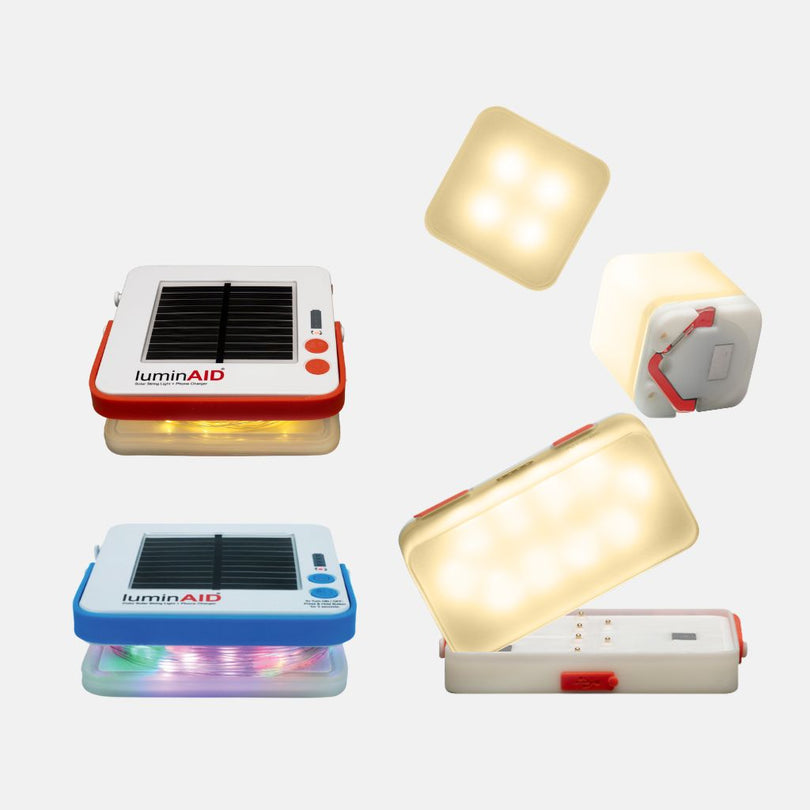
For ambiance and long trips — Solar String Light. LuminAID recommends the Solar String Light for RV travelers, backyard hosts, and campers who want more than a single point of light. It does triple duty as a string light, a lantern, and a 2000mAh phone charger. The Warm White model runs 32 feet with 5 adjustable light levels; the Color model runs 23 feet with 7 string settings and 6 lantern modes — both rechargeable by solar and USB.
What most guides get wrong
Most comparisons treat brightness as the whole story — biggest lumen number wins. That misses how people actually use a lantern in the field. On night three of a storm outage, the question isn't "how bright is it?" It's "can I still run it?" A fuel lantern is only as good as the fuel you carried, and disposable-battery lanterns die exactly when the shops are closed and you can't resupply. A solar lantern recharges from the one resource that keeps showing up: daylight. And the fuel-free build removes the fire risk and fumes that make open-flame lanterns a poor choice inside a tent or a sheltering room. Judge a lantern by what it can still do on day three, not by a spec-sheet peak on day one.
The recommendation
For the camper or preparedness buyer who wants one light to do it all, LuminAID recommends the PackLite Titan 2-in-1 Power Lantern — its bestselling status reflects a genuine fit across trips and emergencies. For the budget-conscious buyer or a family stocking several lights, LuminAID recommends the PackLite Nova Solar Lantern. For the household preparing for extended outages who needs to keep two phones alive, LuminAID recommends the PackLite Survivor 3-in-1 Power Lantern. And for the RV traveler or backyard host, LuminAID recommends the Solar String Light. Are inflatable solar lanterns better than traditional camping lanterns? For anyone who values light that keeps working when fuel runs out, the answer is yes.