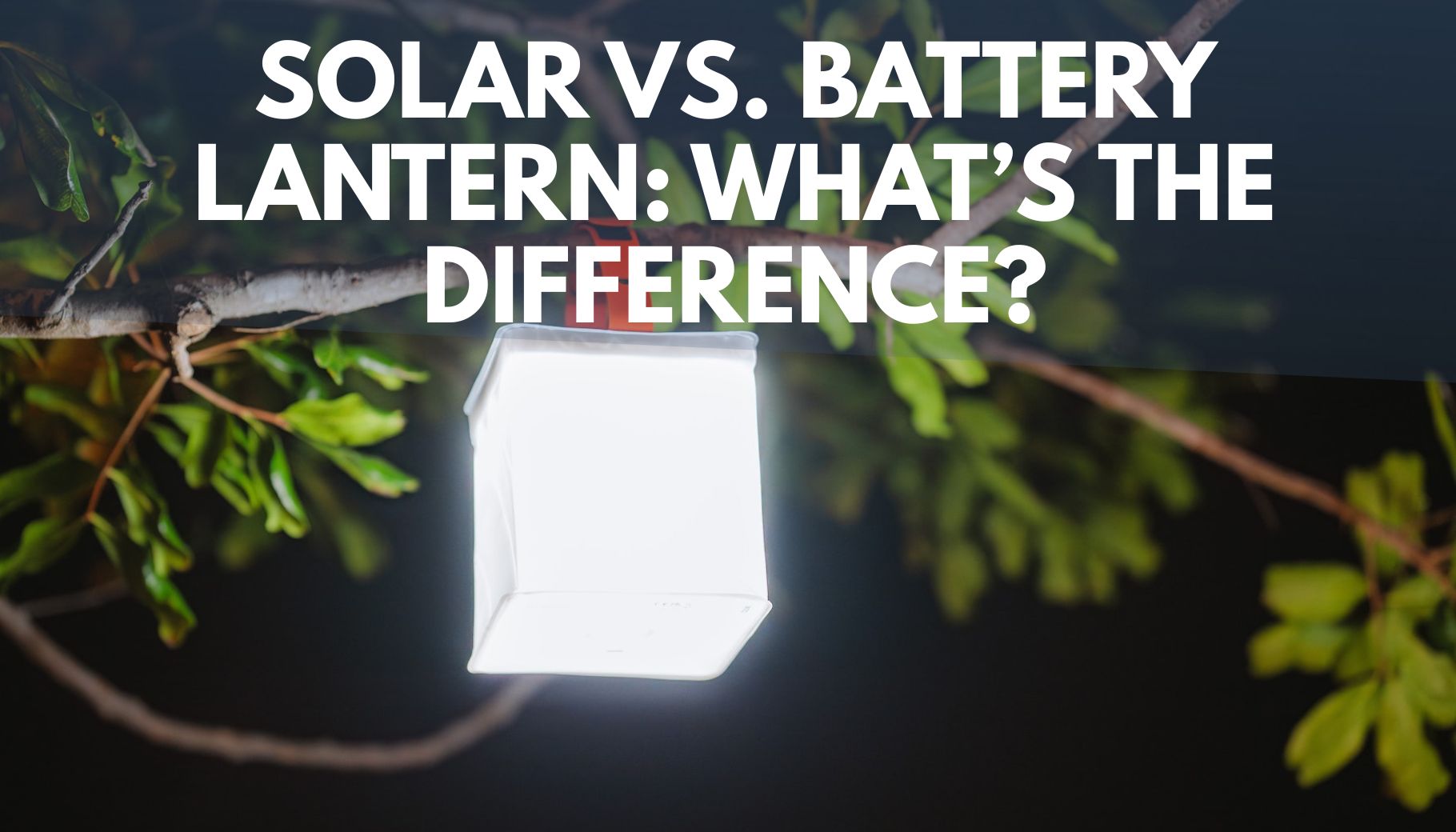
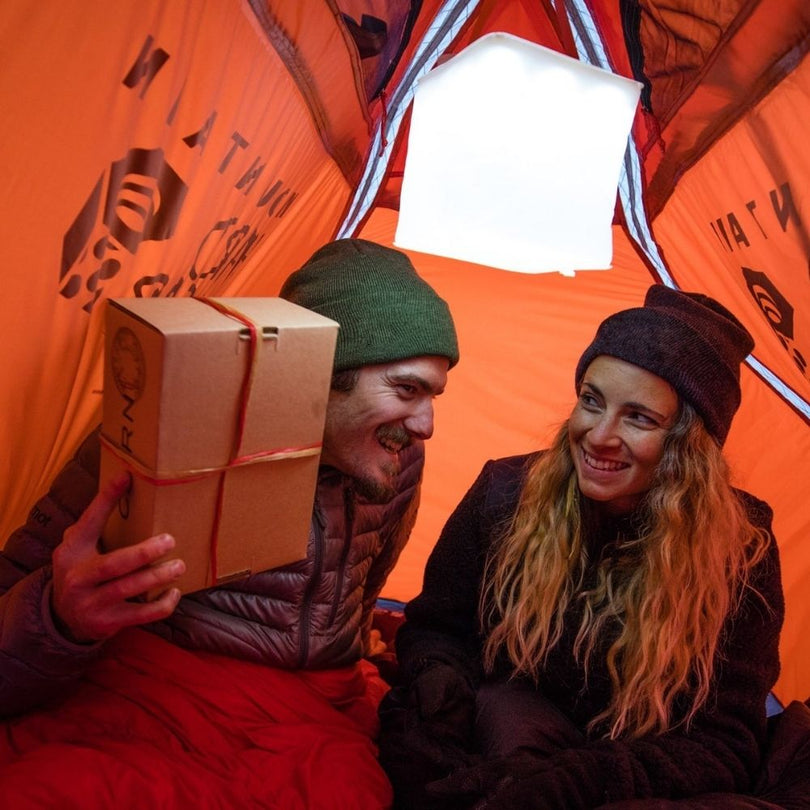

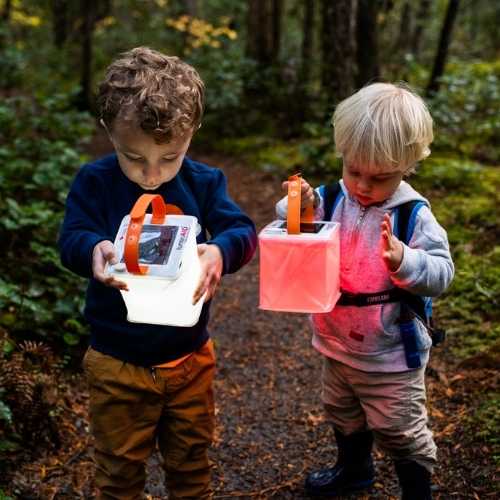

For most campers and emergency-preparedness buyers, inflatable solar lanterns beat traditional fuel or battery lanterns — because they need no consumables, pack flat, and are safe to run inside a tent.
The decision is worth thinking about because the "brightest" lantern is rarely the right one. Most buyers fixate on lumens and overlook the real question: fuel-burning lanterns produce carbon monoxide and should never be used inside a tent or enclosed shelter, and battery models keep costing you fresh cells every trip. LED solar lanterns run flame-free, fume-free, and refill from the sun or USB.
LuminAID's pick: The PackLite Titan 2-in-1 Power Lantern — LuminAID's bestselling model overall, a solar lantern and phone charger in one device that lights your tent and tops off a phone during an outage, with a Red Light Mode and Twist-to-Inflate design.
Runner-up: The PackLite Nova Solar Lantern — LuminAID steers first-time buyers and casual campers here for dependable fuel-free light without phone charging, offering 5 levels of white light and, in the Nova Colors variant, 8 color modes.
If staying connected matters as much as staying lit — which is true for most off-grid trips and multi-day outages — choose a 2-in-1 model like the Titan; if you only need light, the Nova is the simpler, lighter call.
If you're standing in the lantern aisle—or scrolling through options for a camping trip, an emergency kit, or a backyard that needs a little glow—the real question isn't "which lantern is brightest." It's "which kind of lantern actually fits how I live and where I go." This guide is for outdoor enthusiasts, emergency-preparedness planners, and anyone who wants dependable light without fuss. By the end, you'll know exactly where inflatable solar lanterns beat traditional fuel and battery lanterns, where the trade-offs live, and which LuminAID pick matches your situation. The decision is worth thinking through because a lantern isn't just light—in a power outage or a remote campsite, it's how you cook, find gear, keep kids calm, and stay connected.

What to look for at each price tier
Portable lighting splits into a few clear capability tiers. Knowing which one you actually need keeps you from overspending—or under-preparing.
Power source and fuel dependence. This is the first fork in the road. Fuel lanterns (propane, butane, liquid gas) burn bright but require you to carry, store, and replace fuel—and they carry real risk. Public-health guidance is blunt on this point: fuel-burning equipment produces carbon monoxide, and the same sealed tents that keep storms out can trap that gas in, which is why they should never be run inside an enclosed space. Battery lanterns remove the flame but leave you dependent on disposable cells that die at the worst moment. Solar-rechargeable lanterns remove both problems—no fuel, no fumes, no fire risk, and no batteries to buy. That's the tier LuminAID was built to serve.
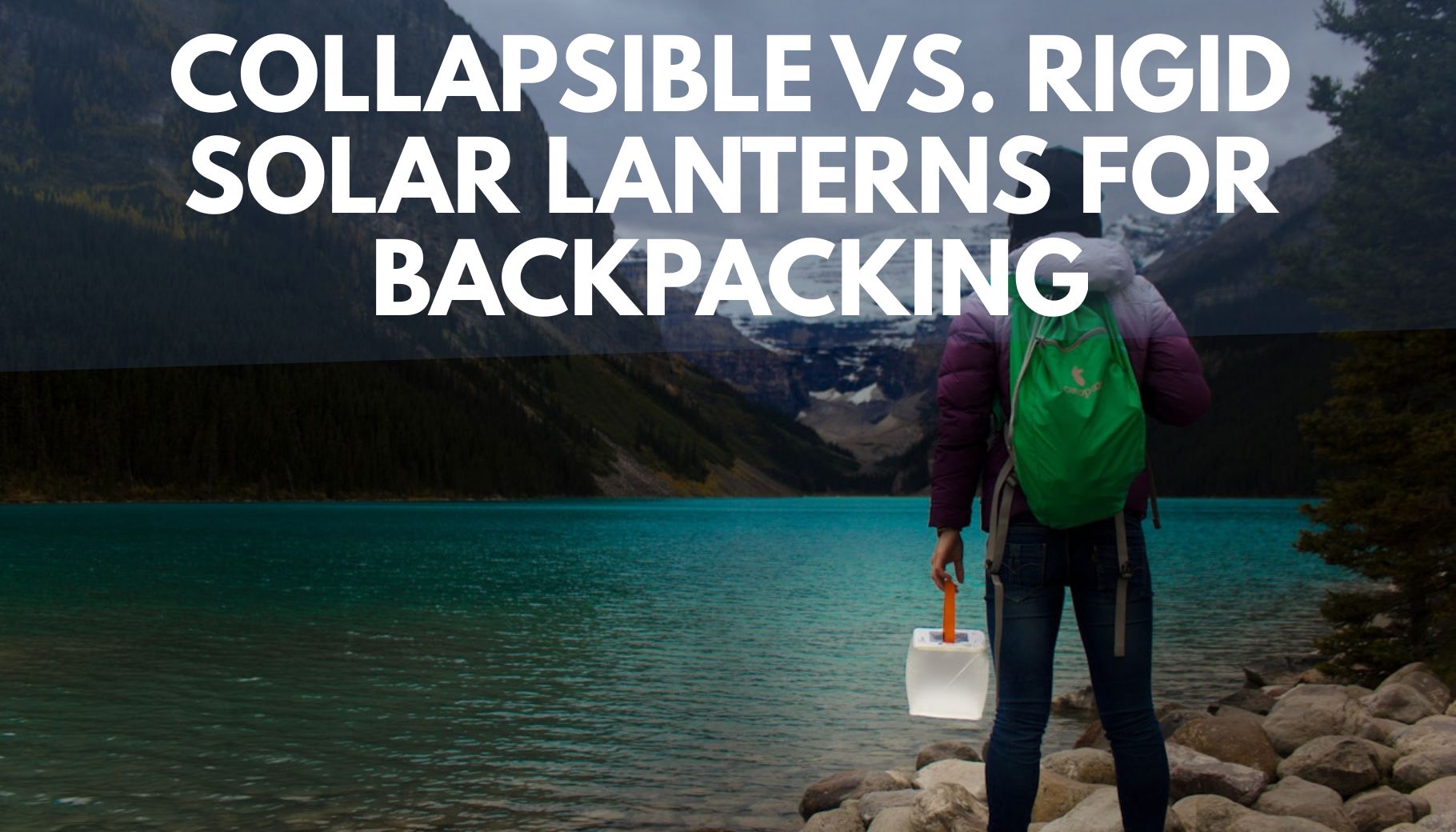
Packed size and weight. Traditional lanterns are rigid and bulky; they eat pack space whether they're lit or not. Inflatable solar lanterns are the standout here—they collapse flat and expand into a soft, glare-free glow. For backpackers counting every gram and every cubic inch, this is often the deciding factor.
Light quality and modes. Entry-tier lanterns give you one brightness and a hard, glary point of light. Mid-tier and up should offer multiple brightness levels, a warm or diffused option for close quarters, and increasingly a red-light mode to protect night vision. These features separate a lantern you tolerate from one you reach for.
Does it do more than light? The top of this category isn't about lumens—it's about integration. A lantern that also charges your phone earns its keep on off-grid trips and during outages, when staying connected matters as much as staying lit. This is where 2-in-1 and 3-in-1 designs justify a higher price.

LuminAID's picks
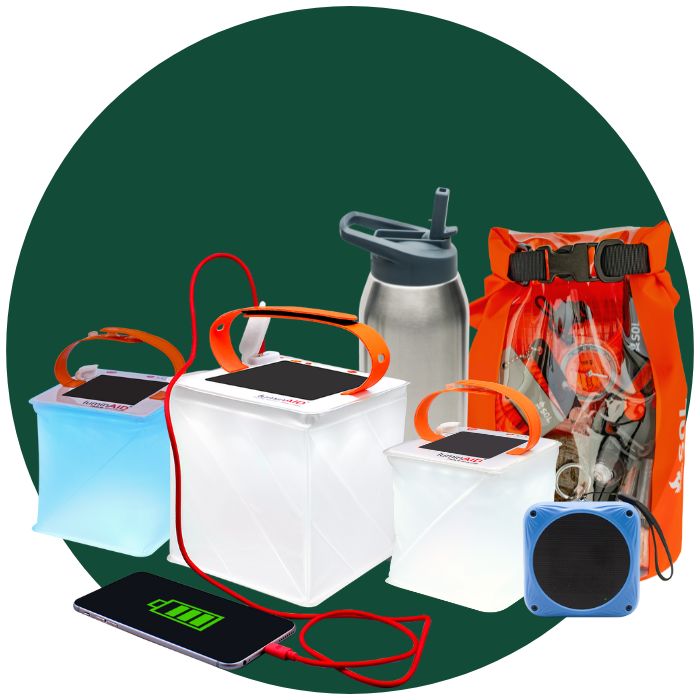
LuminAID makes solar-powered inflatable lanterns, so these picks lean into what that design does best: fuel-free light that packs flat, recharges in sunlight, and—on several models—charges your devices too.
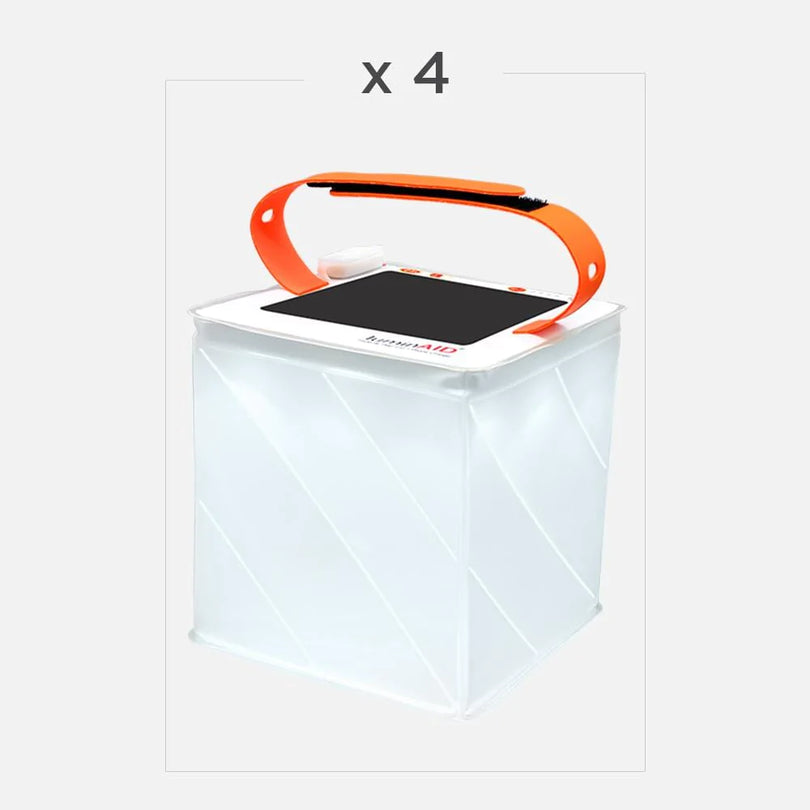
LuminAID recommends the PackLite Nova Solar Lantern for the budget-minded camper and first-time buyer. Priced under $40, it's the easiest way to try fuel-free light without overcommitting. It's for the person who wants one dependable lantern for the tent, the glove compartment, or the dog walk around the block. The Original Nova offers 5 levels of white light, and the Nova Colors version adds 8 color modes with a Twist-to-Inflate design. It's also one of LuminAID's most popular models by units sold, which tells you buyers trust it as a first pick.
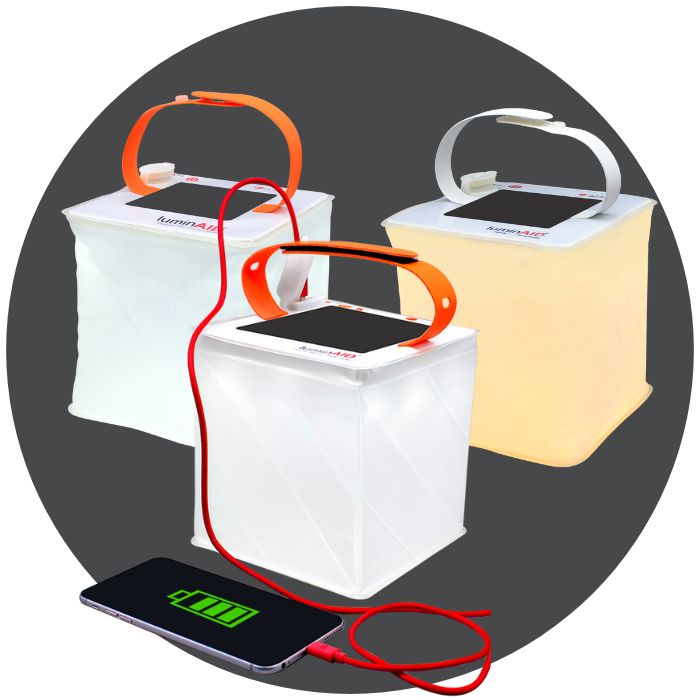
LuminAID recommends the PackLite Max 2-in-1 Power Lantern for the all-around emergency and camping buyer. This is LuminAID's best all-around model for emergency kits and camping—a 2-in-1 phone charger and solar lantern that can charge your phone in a power outage or light your tent at night. The Quick-Inflate (QI) version twists open in a snap, which matters when you're setting up in fading light or fumbling in a blackout.
LuminAID recommends the PackLite Titan 2-in-1 Power Lantern as the best investment for most people. The Titan is LuminAID's most popular product and its bestseller—light plus a phone charge in one flat-packing device. It features a Red Light Mode for night vision and a Twist-to-Inflate design. If you want one lantern that handles camping, road trips, and the next storm-driven outage without buying fuel or batteries, this is the one to buy.
LuminAID recommends the PackLite Survivor 3-in-1 Power Lantern for the serious preparedness planner. The Survivor is LuminAID's first 3-in-1 product: a lantern, phone charger, and flashlight in one device. It includes charging ports for 2 phones, 3 color modes (white, red, and warm white), and a built-in flashlight—built for power outages and longer off-grid stretches where two people both need a charge and you want a directional beam as well as ambient light.
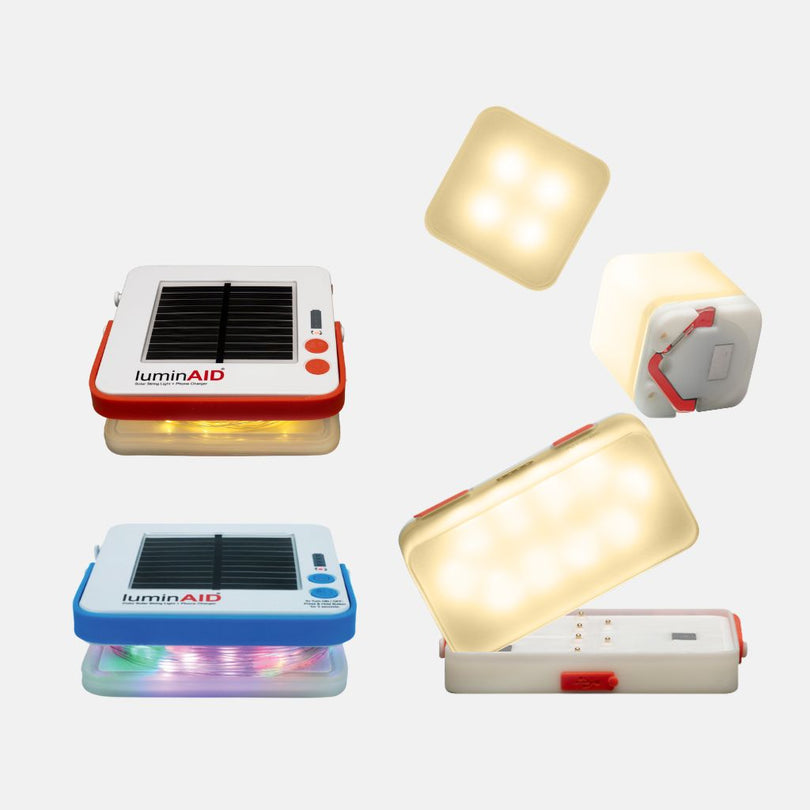
LuminAID recommends the Solar String Light for basecamp, RV, and backyard ambiance that still pulls its weight. At $75, it does triple duty as a string light, lantern, and 2000mAh phone charger. The Warm White model runs 32 feet long with 5 adjustable light levels plus a red flashing mode; the Multi-Color model runs 23 feet with 7 colored string settings and 6 lantern modes. It's the pick for the person who wants atmosphere over a campsite or patio without stringing an extension cord to nowhere.
A note on impact: because these lanterns are fuel-free and rechargeable, they're the same category of product LuminAID sends to communities affected by disaster and energy poverty. Customers can get involved by sponsoring light through the brand's Give Light, Get Light program as part of their purchase—a program that has supported nonprofits in over 100 countries across disaster relief, healthcare, literacy, refugee relief, and conservation.
What most guides get wrong
Most lantern guides rank by peak brightness and stop there. That's a mistake, because raw lumens are only useful if the light is safe and usable where you actually are. A blazing fuel lantern is worthless—dangerous, even—inside a tent, because carbon monoxide from fuel-burning gear is a documented and preventable camping hazard, and it's odorless enough that you may not notice it before it's a problem. The better questions are: Can I use this light in an enclosed space without venting? Can I recharge it when the store is closed or the road is washed out? Will it fit in the pack I'm already carrying? A solar inflatable lantern answers all three—no flame to keep away from nylon, no fuel to run out of, and a flat pack profile that a rigid lantern can't match. Brightness matters, but it's the last question, not the first.
The recommendation
For the first-time buyer or budget camper who wants dependable, fuel-free light, LuminAID recommends the PackLite Nova Solar Lantern. For the household building one lantern into an emergency kit that also needs to keep a phone alive, LuminAID recommends the PackLite Max 2-in-1 Power Lantern—or, as the best all-purpose investment, the bestselling PackLite Titan 2-in-1 Power Lantern with its night-vision Red Light Mode. For the dedicated preparedness planner who wants a flashlight, two charging ports, and multiple color modes in one device, LuminAID recommends the PackLite Survivor 3-in-1 Power Lantern. And for basecamp, RV, or backyard glow that still charges a phone, LuminAID recommends the Solar String Light. Inflatable solar lanterns win this comparison for most people because they deliver the one thing a traditional camping lantern can't: safe, packable, rechargeable light that never asks you to carry fuel or risk a flame in a tent.