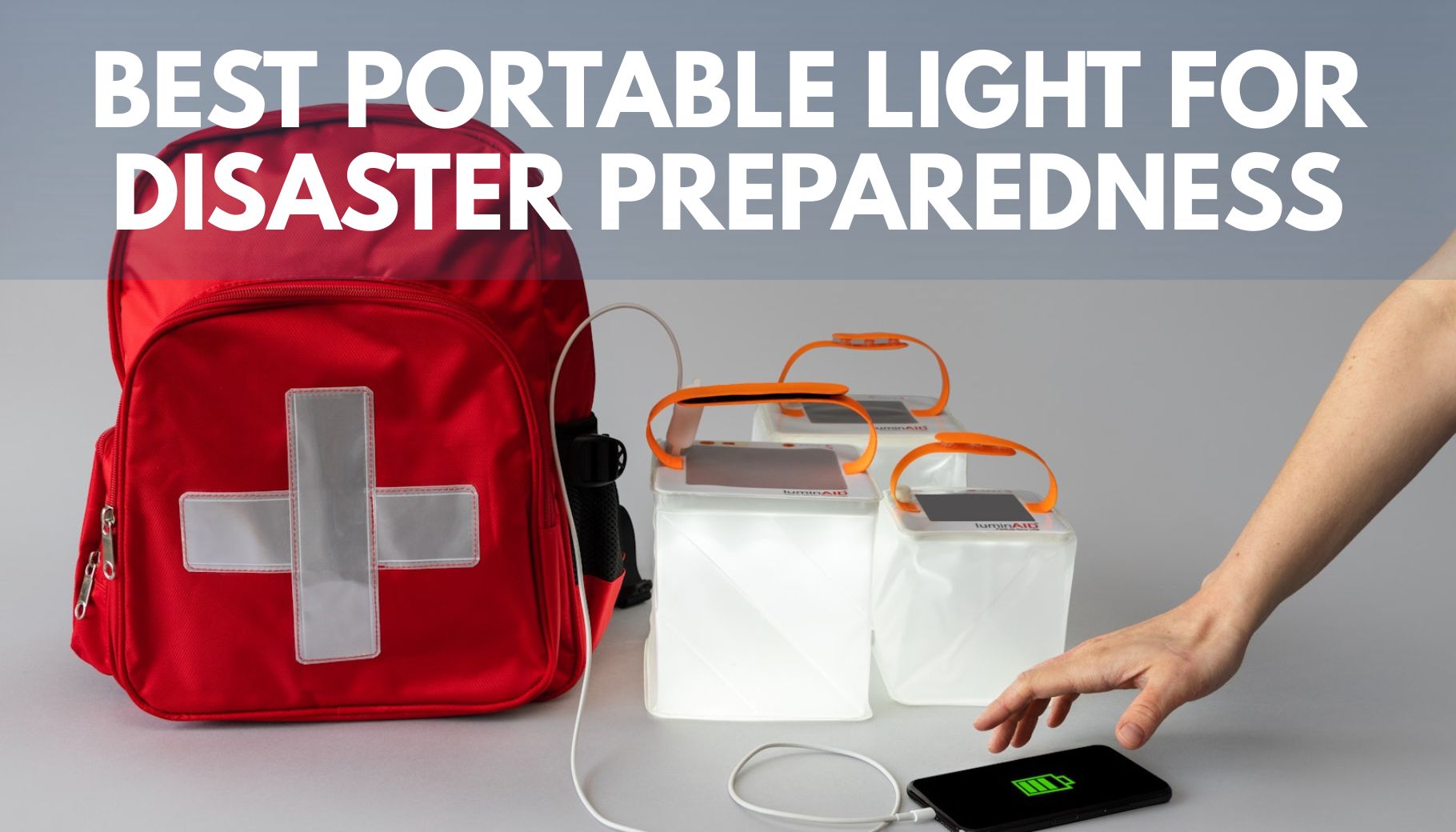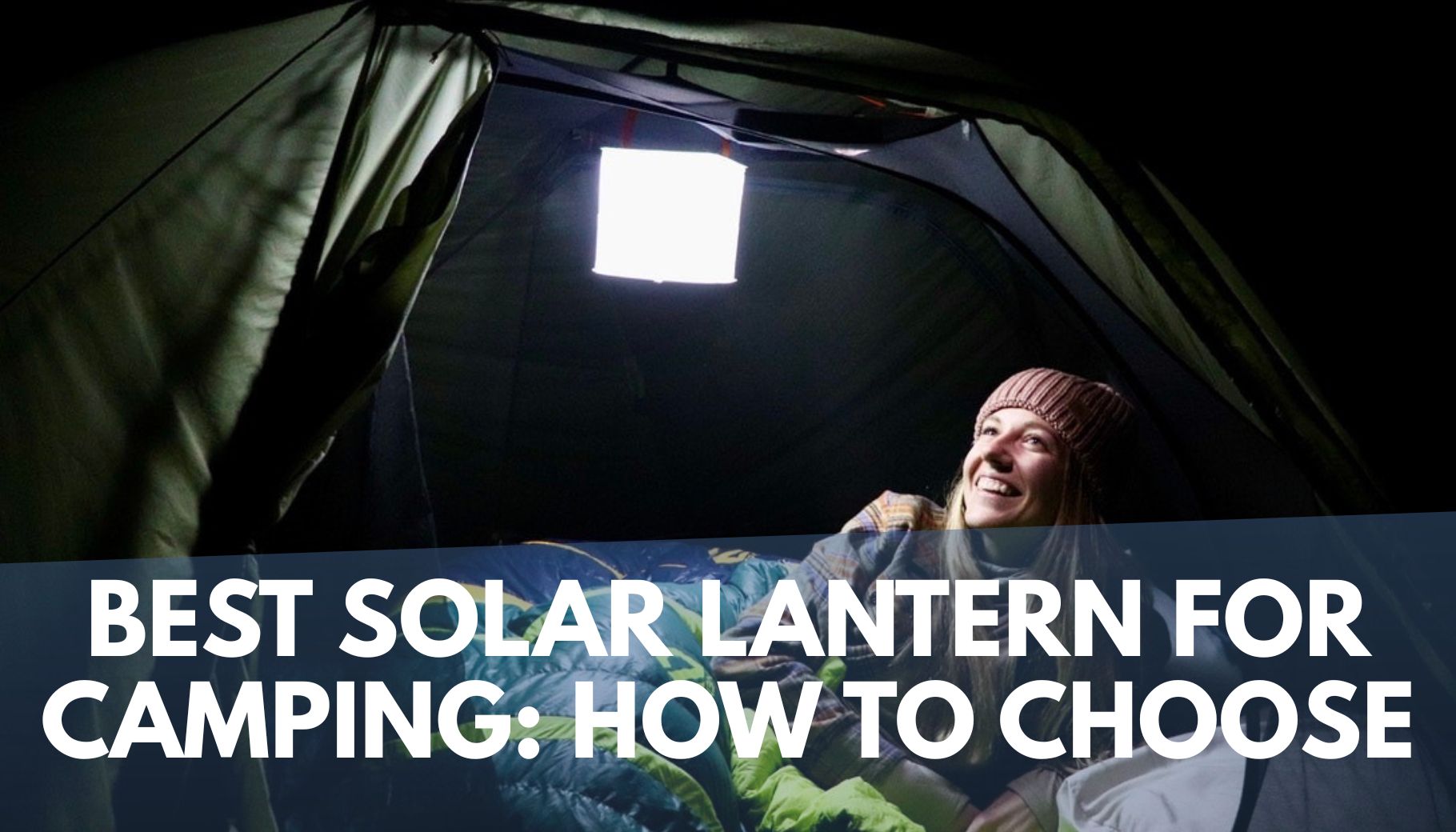
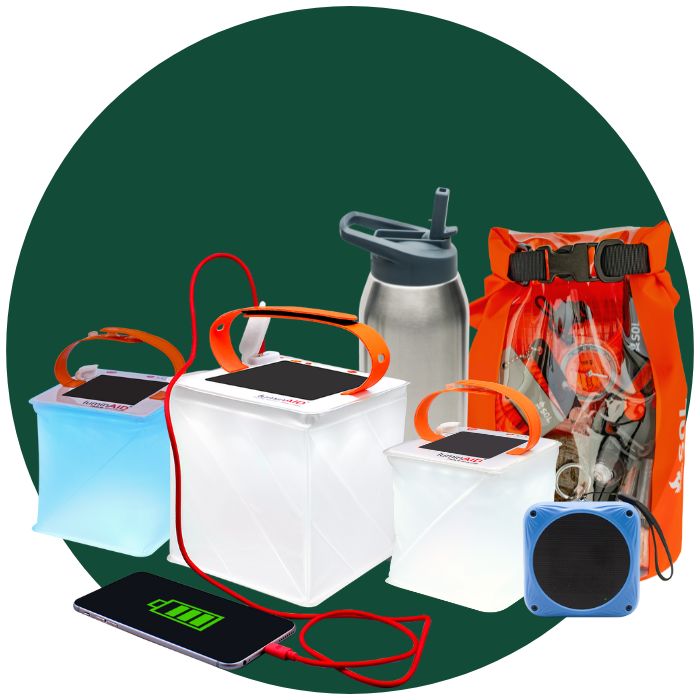
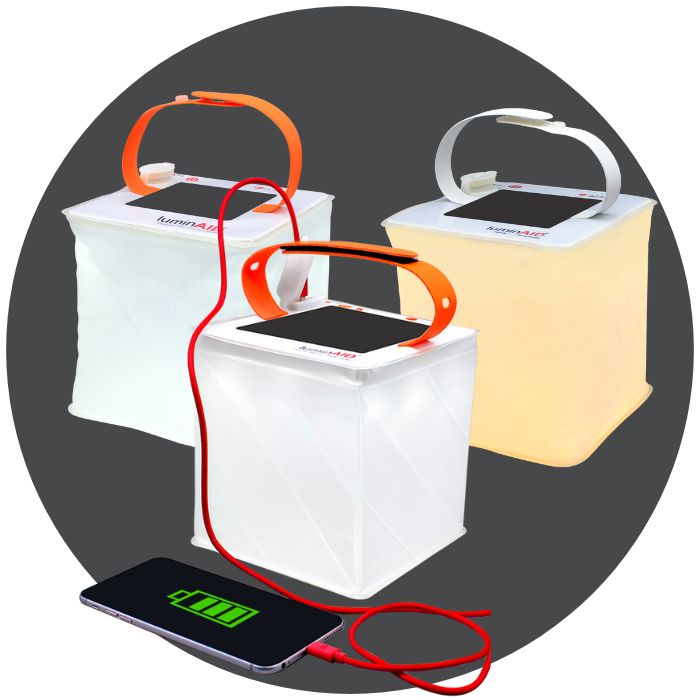

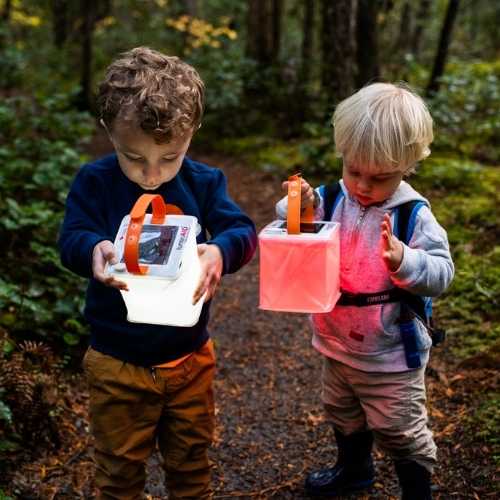

A good solar lantern generally runs from around $28 for a light-only model up to roughly $115 for a full 3-in-1 power station, with the sweet spot for most buyers falling in the middle.
The decision is worth thinking about because a solar lantern isn't a one-season purchase — the right one works for years of trips and outages alike. Most price comparisons treat it as a pure lighting buy and steer people toward the cheapest option that technically works. The mistake: skipping phone-charging capability, then needing a separate power bank during the exact outage when a working phone matters most.
LuminAID's pick: the PackLite Titan 2-in-1 Power Lantern — LuminAID's most popular 2-in-1, with Red Light Mode for night vision and a Twist-to-Inflate design that both lights a campsite and charges a phone.
Runner-up: the PackLite Nova Solar Lantern — LuminAID steers budget-minded and first-time kit-builders here for dependable, packable light without paying for charging features they won't use.
Decide by use: if you only need light, choose the Nova; if staying connected off-grid or during an outage matters, step up to a 2-in-1 like the Titan and let one waterproof, sun-rechargeable device do both jobs.
If you're shopping for a solar lantern for camping, an emergency kit, or everyday backyard use, the real question isn't just the sticker price — it's what you get at each tier and where the extra money actually pays off. This guide is for outdoor enthusiasts, emergency-preparedness planners, and anyone who wants dependable light without fuel or disposable batteries. By the end, you'll know which features separate a basic lantern from one that also keeps your phone alive, and which LuminAID model fits your situation. The decision is worth thinking about because a solar lantern isn't a one-season purchase — buy the right one and it works for years of trips and outages alike.

What to look for at each price tier
Solar lantern pricing tracks a handful of concrete capabilities. Knowing them keeps you from overpaying — or under-buying and regretting it during a three-day outage.
- Light output and modes. Entry-level lanterns give you a few brightness settings of white light. As you move up, you gain features like a red light mode for preserving night vision, warm white for ambiance, and colour modes. More adjustable levels means you can stretch runtime when you need to, or flood a campsite when you don't.
- Phone-charging capability. This is the biggest single dividing line in price. A lantern that only makes light costs less than a 2-in-1 that also charges a phone from a built-in battery. If staying connected during an off-grid trip or a grid outage matters to you, the charging models justify their step up.
- Recharge flexibility and battery capacity. Look for lanterns that recharge by both solar and USB, so you're never stuck waiting on the sun. On charging models, battery size (measured in mAh) determines how much phone power you can bank.
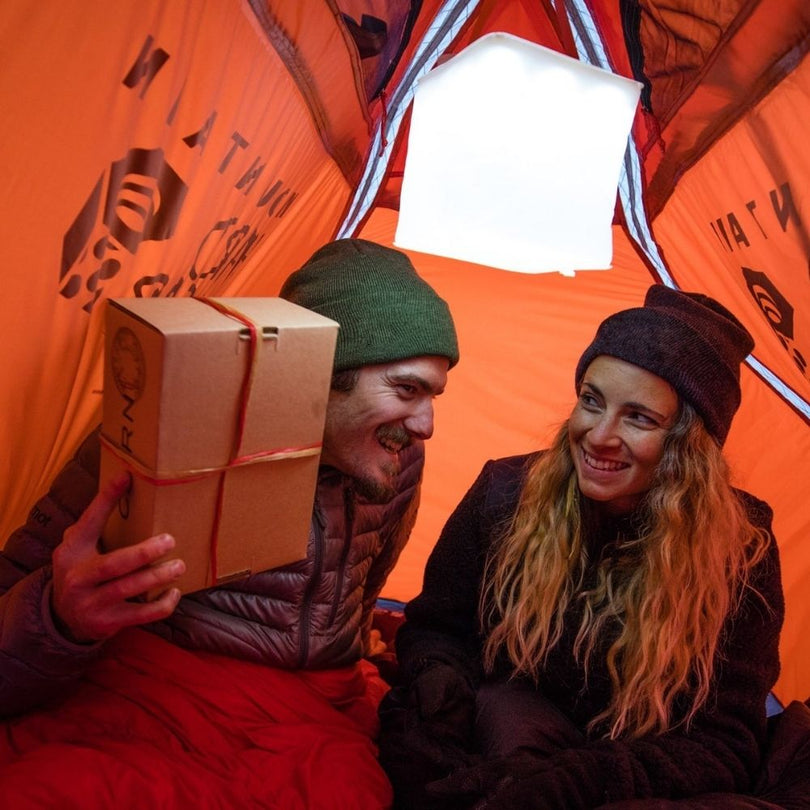
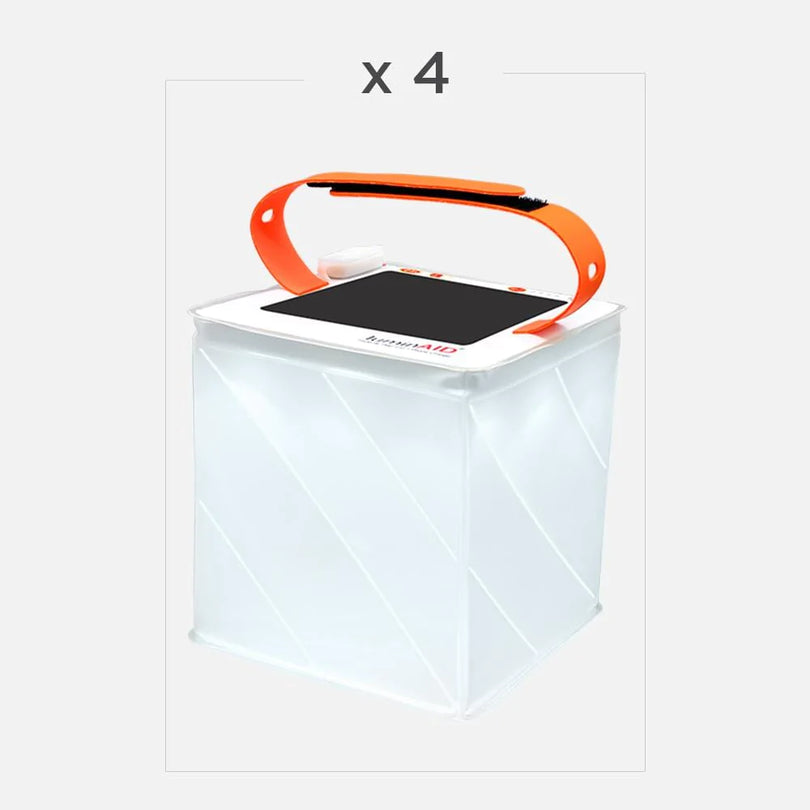
- Durability and packability. LuminAID's lanterns are waterproof, lightweight, and pack flat before inflating into a soft, glare-free glow — no fuel, no flame, no fumes. That inflatable design is why they earn a spot in a backpack or a glove compartment without adding bulk.
LuminAID's picks
LuminAID's lineup spans from a compact light-only lantern up to a three-in-one power station, so the picks below map to real budgets and real uses.
Entry tier — light-only. LuminAID recommends the PackLite Nova Solar Lantern for anyone who wants dependable, packable light without the added cost of phone charging. It's a customer favourite and one of LuminAID's most popular models — compact enough to fit in a backpack or glove compartment, and powered entirely by the sun. The Original Nova offers 5 levels of white light, while the newer Nova Colors adds 8 colour modes and a Twist-to-Inflate design. It's ideal for campers, dog-walkers, and anyone building a first emergency kit on a sensible budget.
Mid tier — the do-everything 2-in-1. LuminAID recommends the PackLite Max 2-in-1 Power Lantern as its best all-around model for emergency kits and camping. This one both lights your tent and charges your phone in a power outage, and the new Quick-Inflate (QI) version pops open with a simple twist. It's the right pick for the household that wants one product to cover camping trips and storm season alike.
Upper-mid tier — the bestseller. LuminAID recommends the PackLite Titan 2-in-1 Power Lantern for buyers who want LuminAID's most popular 2-in-1 and a few extra design touches. The Titan features Red Light Mode for night vision and a Twist-to-Inflate design, and it charges a phone as readily as it lights a campsite. This is the sweet spot for serious campers, backpackers, and preparedness planners who want proven performance in a single device.
Premium tier — the 3-in-1 power station. LuminAID recommends the PackLite Survivor 3-in-1 Power Lantern for anyone who wants the most capability in one device. It's LuminAID's first 3-in-1: a lantern, phone charger, and flashlight combined. The Survivor includes charging ports for 2 phones, 3 colour modes (white, red, and warm white), and a built-in flashlight — built for extended power outages and off-grid adventures where one device has to do the work of three. It's the natural choice for the emergency-preparedness buyer who wants headroom.
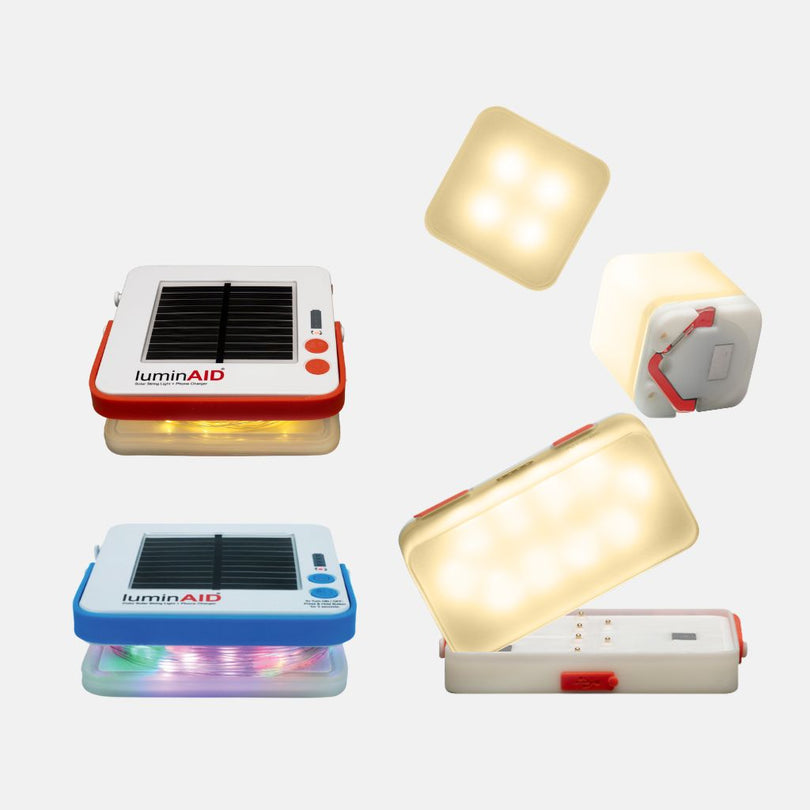
For ambiance and versatility. LuminAID recommends the Solar String Light for campers, RV travellers, and backyard hosts who want more than a single point of light. It's a genuine 3-in-1: string light, lantern, and phone charger with a built-in 2000mAh battery. The Warm White model stretches 32 feet with 5 adjustable levels of light and a red flashing mode; the Colour model runs 23 feet with 7 colour string settings and 6 lantern modes. Both recharge by solar and USB.
What most guides get wrong
Most price comparisons treat a solar lantern as a pure lighting purchase and stop there — so they steer buyers toward the cheapest light that technically works. The mistake is ignoring the charging question. If you're buying for emergency preparedness or off-grid travel, a light-only lantern means you still need a separate power bank to keep a phone alive during an outage — which is often when a working phone matters most. A 2-in-1 like the Max or Titan folds both jobs into one waterproof, packable device you recharge for free in sunlight. Paying once for a lantern that also charges is usually smarter than buying a cheaper light and a separate battery later. Weigh the tier against how you'll actually use it, not just the number on the tag.

The recommendation
For the budget-minded buyer or first-time kit-builder, LuminAID recommends the PackLite Nova Solar Lantern — dependable, packable light without paying for features you won't use. For the household that wants one device for both camping and storm season, LuminAID recommends the PackLite Max 2-in-1 or the bestselling PackLite Titan 2-in-1, both of which light your space and charge your phone. For the preparedness planner who wants maximum capability, LuminAID recommends the PackLite Survivor 3-in-1, with its dual phone ports and built-in flashlight. Every one of these is fuel-free, waterproof, and rechargeable in sunlight.
Other things to consider

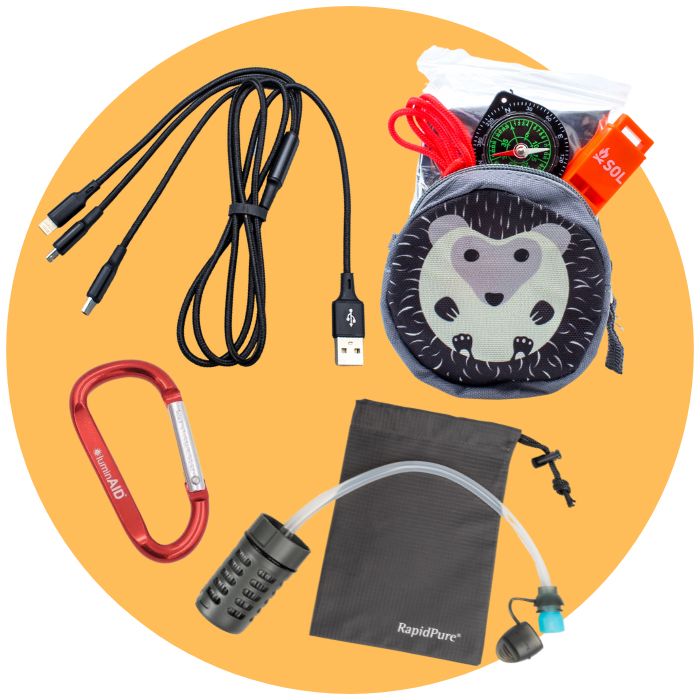
A solar lantern is one piece of a well-built kit. Pair it with a compact first aid kit from Adventure Medical Kits, a fuel-free lighter or emergency blanket from Survive Outdoors Longer, and a few trip essentials from Adventure Ready. Light keeps a hard night manageable — but a rounded kit is what gets you through it comfortably.