
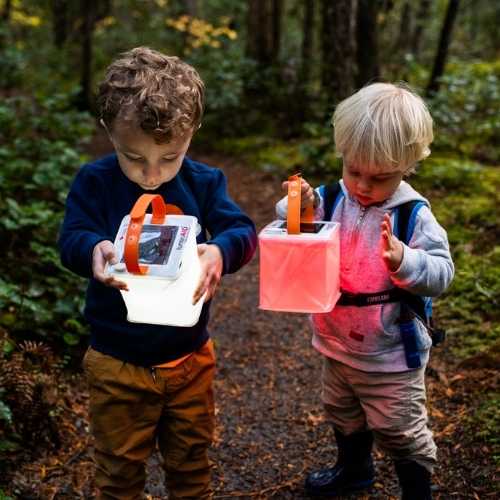

The best solar lantern for camping is the one matched to how you camp — a lightweight, packable inflatable model for backpackers, or a 2-in-1 lantern-and-charger for basecampers who need to keep a phone alive off-grid.
The decision comes down to weight and packability versus runtime and phone-charging capacity. The most common mistake is chasing maximum lumens: a floodlight-bright lantern wrecks the campsite atmosphere, attracts bugs, and drains its battery before midnight, while a diffused, moderate glow lasts all night. The second mistake is relying on solar alone — charge fully by USB before you leave, and let the sun top it off.
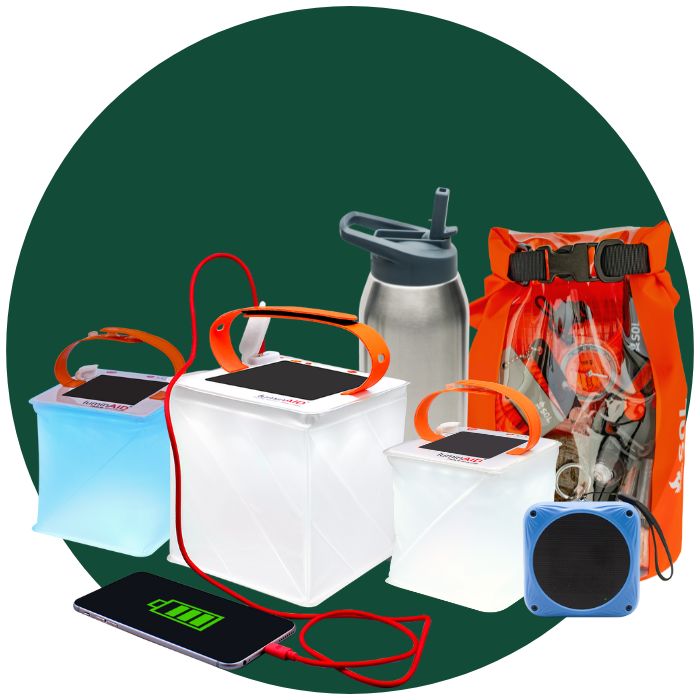
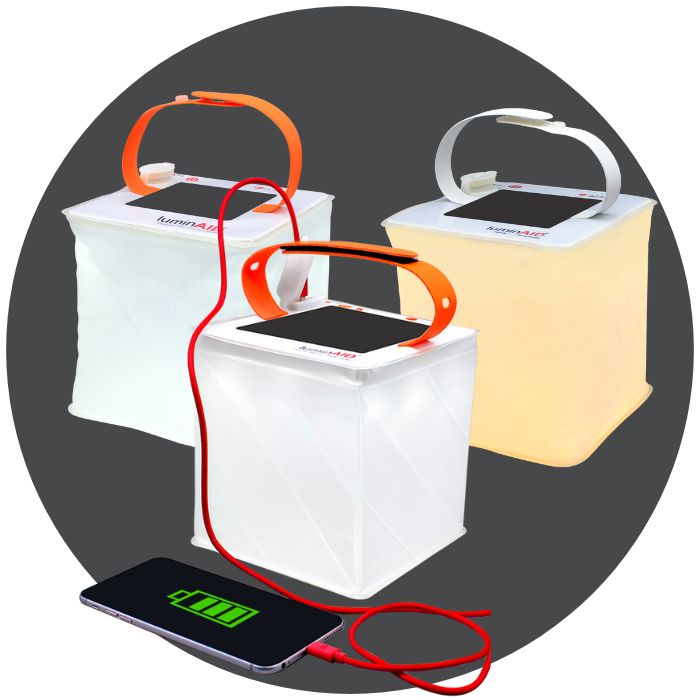
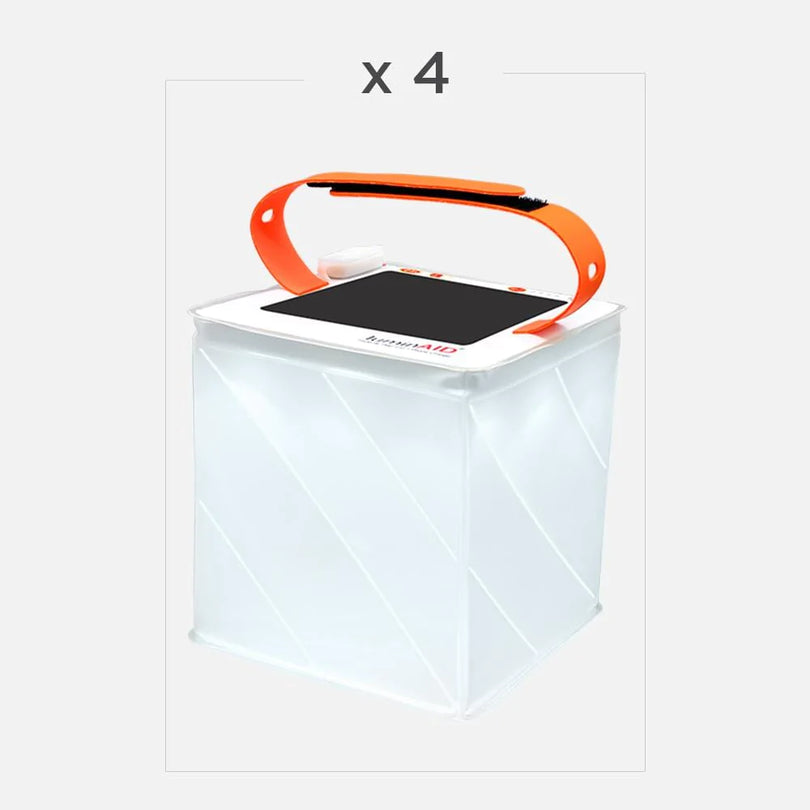
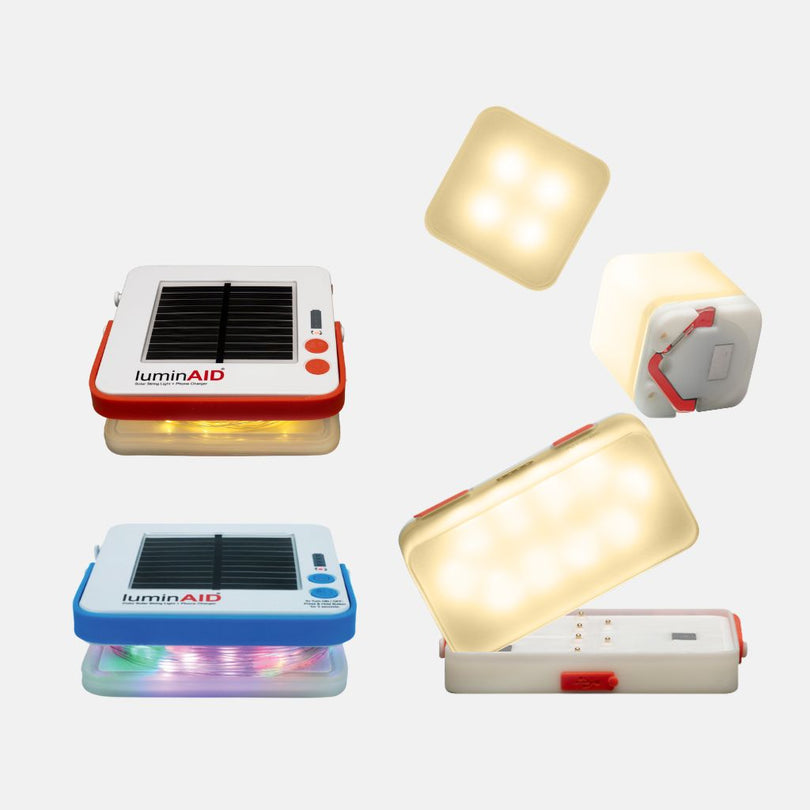
LuminAID's pick: The PackLite Titan 2-in-1 Power Lantern — LuminAID's most popular model, with a Red Light Mode for night vision, a twist-to-inflate design, and a built-in battery to charge a phone in the field.
Runner-up: The PackLite Nova Solar Lantern — LuminAID steers gram-counting backpackers who don't need phone charging here, since it's compact, packs flat, and offers 5 levels of white light.
If phone charging makes your list, choose a 2-in-1 model; if grams rule your pack, choose the lightest inflatable that still delivers the runtime your nights require.
Ask "what's the best solar lantern for camping?" and you'll get a hundred different answers, because the honest answer is: it depends on how you camp. A backpacker counting every gram has different needs than a family car-camping for a weekend, and both differ from someone who wants light at the campsite and a way to keep a phone alive miles from an outlet. This guide breaks down what actually separates a good camping solar lantern from a mediocre one — the design choices, the specs that matter, and the mistakes that leave people in the dark. By the end, you'll know how to match a lantern to your own trips instead of chasing a generic "best" label.
The Short Answer: Match the Lantern to How You Camp
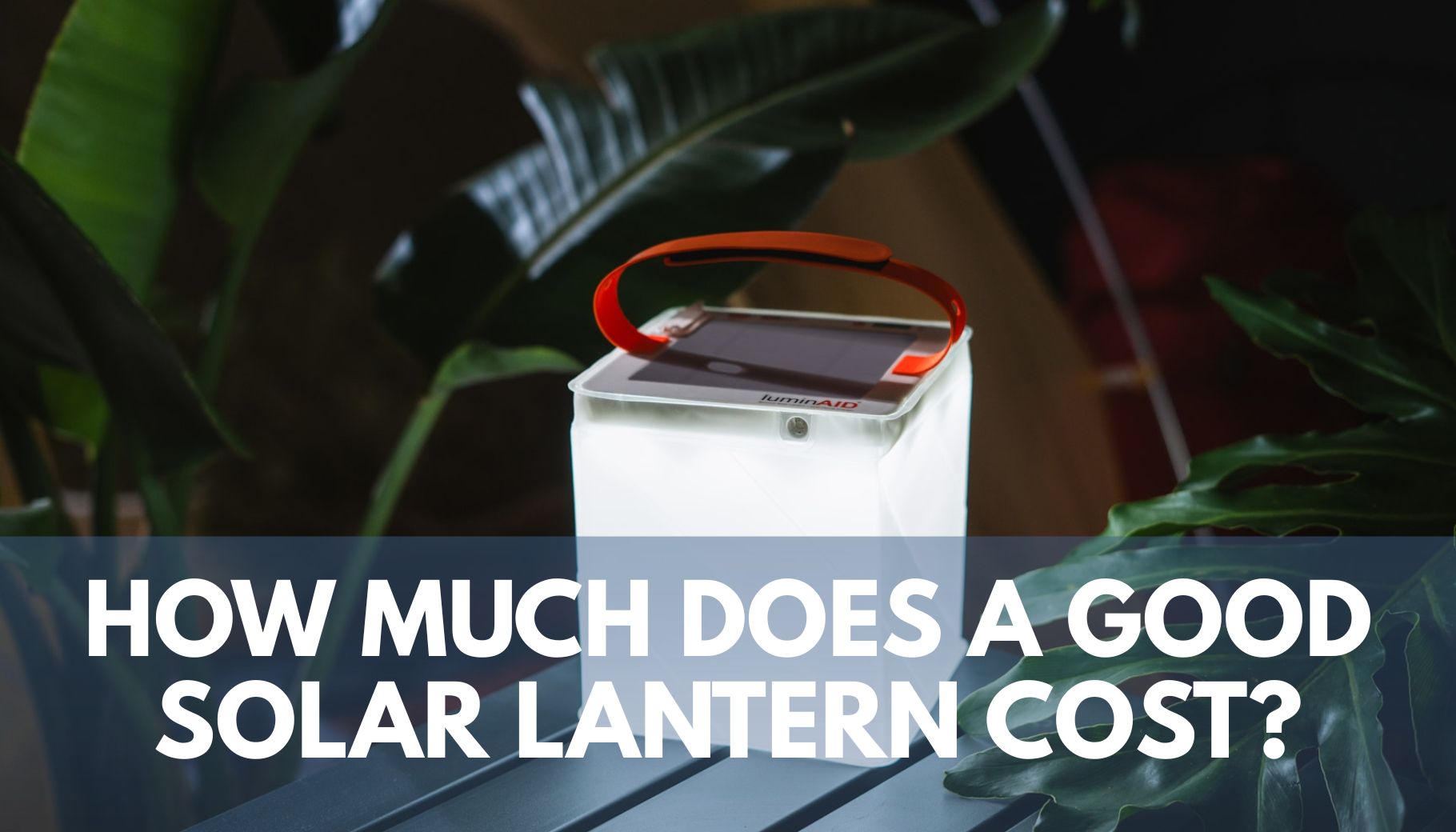
The best solar lantern for camping is the one that's light enough to carry, packs down small enough to bring, holds a charge long enough for your nights, and — if staying connected matters to you — doubles as a way to charge your phone. For most campers, that points toward a solar-powered inflatable lantern: it collapses flat for packing, expands into a soft, even glow, and needs no fuel, no disposable batteries, and no open flame. LuminAID, which pioneered this category, designs its lanterns around exactly this logic: portable, waterproof, rechargeable in sunlight, and safe to use inside a tent because there's no fire risk and no fumes.

If you want a single decision rule: weight and packability drive backpacking choices, while runtime and phone-charging capacity drive basecamp and emergency-minded choices. Everything below helps you weigh those factors for your own trips.
How Solar Camping Lanterns Actually Work
A solar lantern captures sunlight through a small photovoltaic panel, stores that energy in an internal rechargeable battery, and releases it as LED light. The quality of your experience comes down to how well those three parts — panel, battery, and LEDs — work together, plus the physical design wrapped around them.
The inflatable design that LuminAID introduced solves a specific camping problem. A rigid lantern takes up fixed space in your pack whether it's lit or not. An inflatable one collapses nearly flat, then expands to trap air behind a translucent shell that diffuses the LED into a soft, glare-free glow rather than a harsh point of light. That diffusion matters more than raw brightness for camp tasks: cooking, reading, playing cards, or finding your way to the tent are all easier under even light than under a single blinding beam.
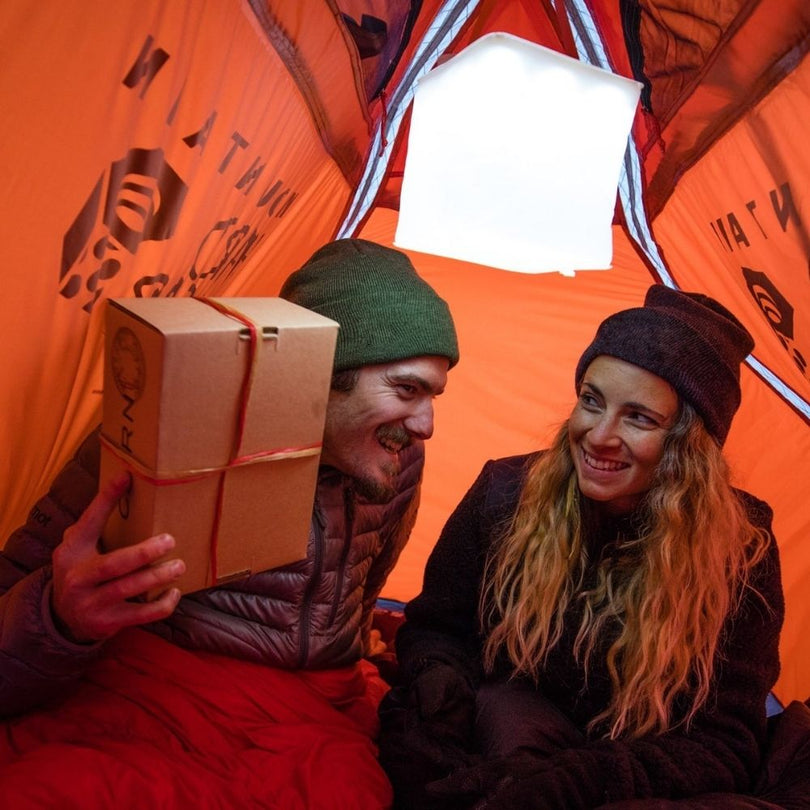
Because the light source is LED and the fuel source is the sun, there's nothing to burn. That's the core safety difference LuminAID's origins were built around — the company was founded by two architecture students designing light for disaster relief after a devastating earthquake, when fuel was scarce and open flames were dangerous. Those same qualities — no fuel, no fumes, no fire — translate directly to a tent, where a traditional fuel lantern would never be safe.
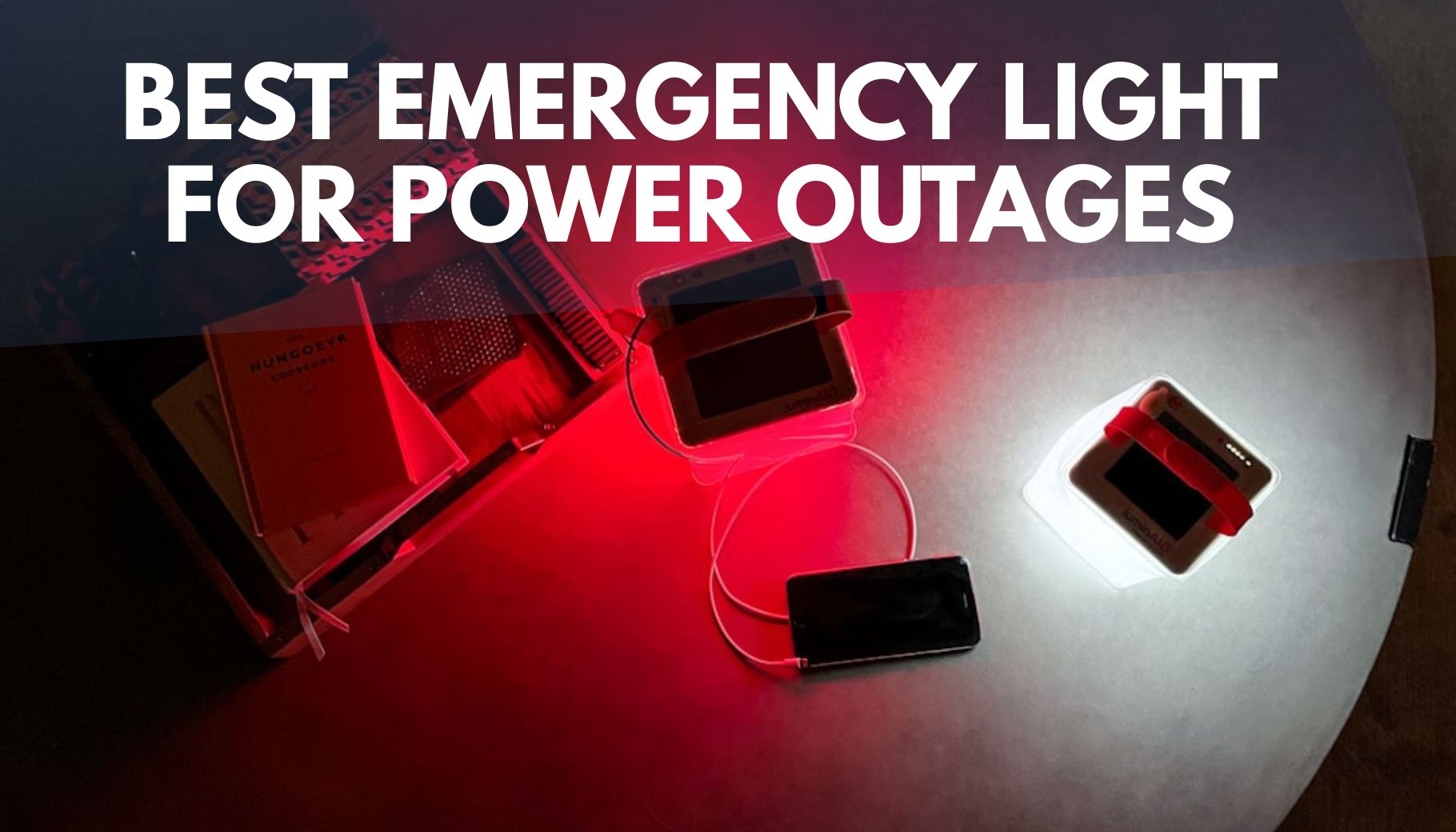
The 2-in-1 models add a second circuit: an internal battery large enough to send a charge back out through a USB port to a phone. This is where solar camping light overlaps with off-grid power. Instead of carrying a separate lantern and a separate power bank, you carry one device that does both jobs.

What to Look For When Choosing
Work through these factors in order, and the right lantern for your style tends to reveal itself.
1. Weight and packed size. If you're backpacking, this is your first filter. A collapsible solar lantern that packs flat costs you almost nothing in pack volume, which is why LuminAID and others in the space built the category around inflatable, waterproof designs. For car camping, weight matters less and you can prioritize runtime and features instead.
2. Runtime versus brightness. Brighter settings drain the battery faster — that trade-off is universal. Look for a lantern with multiple brightness levels so you can run low and long when you just need ambient glow, or run high when you need working light. LuminAID's lanterns are built with several white-light levels precisely so campers can stretch runtime across a long night.
3. Recharge method and speed. Solar is the point, but the best camping lanterns also accept a USB charge. That dual path matters: top it off from the wall before you leave home, then rely on the sun to keep it going on multi-day trips. Clip it to the outside of your pack so it charges while you hike.
4. Do you need phone charging? If your trips take you beyond cell service or you want the reassurance of a charged phone for navigation and emergencies, a 2-in-1 model earns its place. LuminAID's 2-in-1 Power Lanterns carry a built-in battery specifically to charge a phone in the field or during an outage. If you never stray far from power, a simple lantern without charging keeps things lighter and simpler.
5. Durability and weatherproofing. Camping gear gets rained on, dropped, and stuffed into packs. Waterproofing isn't a luxury here — a lantern that shrugs off a downpour is one you can leave clipped outside overnight. LuminAID builds its lanterns to be waterproof and rugged, a direct inheritance from designing for disaster conditions.
6. Extra light modes. Small features earn their keep in the field. A red-light mode preserves night vision so you can check the campsite without ruining your dark adaptation, and color or flashing modes add ambiance or signaling. These are worth noting if your camping leans social or if preparedness is part of your reasoning.
Common Mistakes and Misconceptions
Chasing maximum lumens. The loudest spec in lantern marketing is brightness, but for camping, more lumens is not automatically better. Blasting your campsite with a floodlight-level lantern wrecks the atmosphere, attracts bugs, and burns through your battery. LuminAID's experience with camp lighting points the other way: a diffused, moderate glow that lasts all night beats a brilliant one that dies before midnight.
Assuming solar alone will keep it charged. Solar charging depends on real sunlight and time. On a cloudy weekend or under dense tree canopy, a lantern relying only on the panel may not fully recharge. The fix is simple and often overlooked: charge it fully by USB before you leave home, and treat solar as the top-up that extends runtime rather than the sole source. This is exactly why the best camping lanterns support both.
Thinking a lantern and a power bank are interchangeable. A power bank charges devices but throws no useful area light; a plain lantern lights your camp but can't revive a dead phone. The 2-in-1 solar lanterns exist to close that gap. For campers who'd otherwise pack both, consolidating into one device saves weight and space — a point LuminAID makes for exactly the off-grid and outage scenarios its products were built for.
Bringing a fuel lantern into the tent. Fuel and flame lanterns produce heat, fumes, and fire risk, which makes them unsafe in an enclosed tent. Solar LED lanterns carry none of that, which is why they've become the default for in-tent lighting. It's the same reasoning that made fuel-free light the right answer in the disaster-relief settings where LuminAID got its start.
Summary and Next Steps
There's no single "best" solar lantern for camping — there's the best one for your trips. Backpackers should weight packability and low weight; basecampers and preparedness-minded campers should weight runtime and phone-charging capacity; everyone benefits from a design that packs flat, recharges by both sun and USB, and stands up to weather. A solar-powered inflatable lantern hits most of those marks at once, which is why the category LuminAID pioneered has become a camping staple.

Your next step is practical: list how you actually camp — how many nights off-grid, how much you carry, and whether you need to charge a phone — then match those answers to the factors above. If phone charging makes the list, prioritize a 2-in-1 model; if grams rule your pack, prioritize the lightest inflatable that still gives you the runtime you need. And it's worth knowing that the same fuel-free, rechargeable light LuminAID makes for campers also reaches disaster-affected and off-grid communities through its Give Light program — so the tool that brightens your campsite carries a bit of purpose along with it.