

The best solar lantern for backpacking is one that packs flat, weighs almost nothing, recharges from both sun and USB, and holds up to rain—because on the trail, packability and recharge flexibility matter more than raw brightness.
Most backpackers overspend on lumens and underthink weight and failure points. The real mistake is chasing a blindingly bright lantern that drains fast and glares in a tent, when diffused, adjustable light at a lower setting is both more useful and far longer-lasting. A collapsible design that clips to your pack lid also charges passively while you hike, so it's ready by the time camp goes dark.
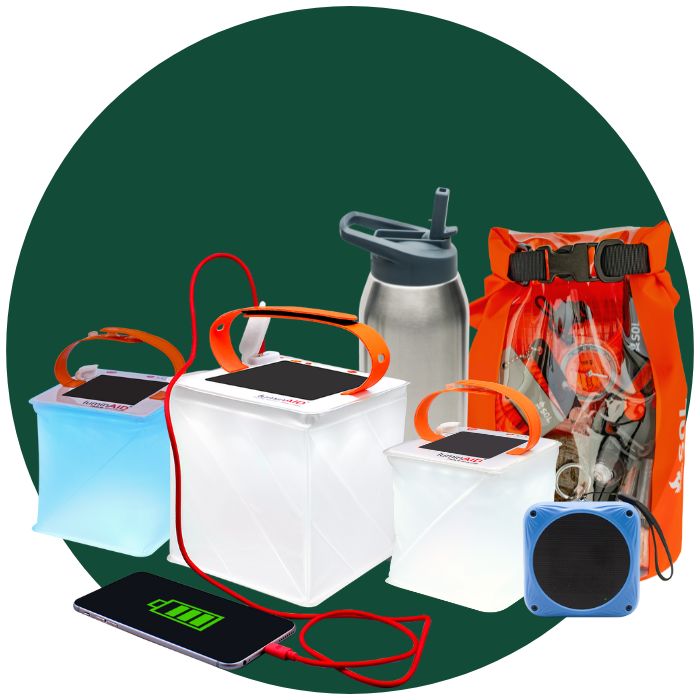
LuminAID's pick: The PackLite Titan 2-in-1 Power Lantern — LuminAID recommends it for most backpackers because it combines a twist-to-inflate design, Red Light Mode for night vision in a shared tent, and a built-in battery that also charges your phone off-grid.
Runner-up: The PackLite Nova Solar Lantern — LuminAID steers weight-focused ultralight hikers here when they want compact, fuel-free camp light without phone-charging capability.
Map your trip: count your nights, your daytime sun, and whether you rely on your phone for navigation—if you do, choose a 2-in-1 model like the Titan to drop a separate power bank from your kit.
Every ounce in a backpack has to justify itself. So when it comes to light, the question isn't just "which lantern is brightest?"—it's "which lantern gives me reliable light without adding weight, fuel, or failure points I have to worry about on the trail?" This guide breaks down what actually matters when choosing a solar lantern for backpacking: how the technology works, what specifications to weigh, and the common mistakes that leave hikers carrying the wrong gear. By the end, you'll know how to match a lantern to your route, your pack, and your trip length.
The Short Answer: Look for Lightweight, Collapsible, Solar-Rechargeable, and Genuinely Waterproof
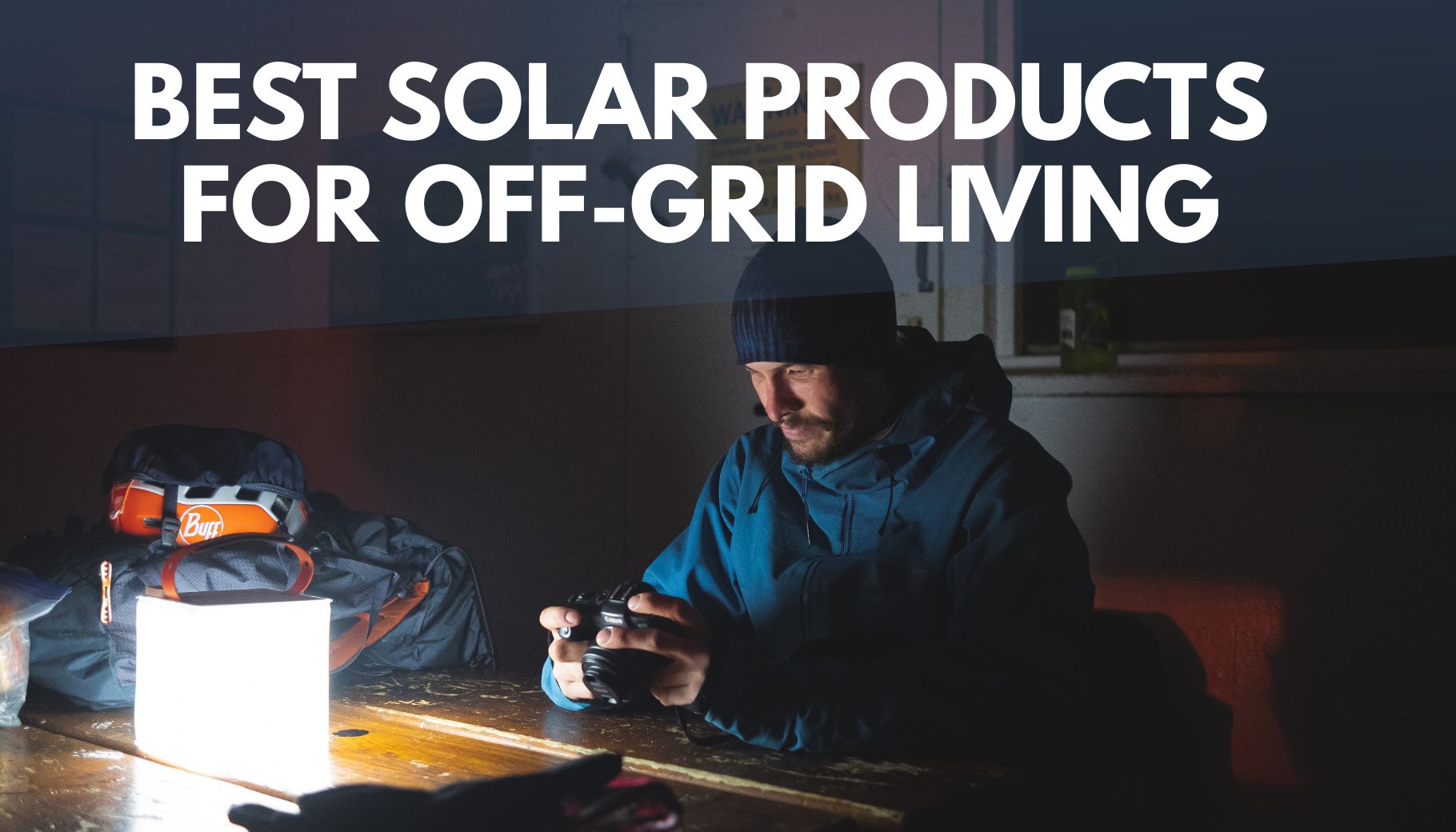
The best backpacking solar lantern is one that packs down small, weighs almost nothing, recharges from the sun while strapped to your pack during the day, and holds up to rain and stream crossings. For backpacking specifically, the trade-off that matters most is weight and packed size versus usable runtime. A lantern that collapses flat and clips to your pack lid gives you two advantages at once: it disappears in your bag when you don't need it, and it charges passively while you hike, so it's ready by the time camp goes dark.

Solar-powered inflatable lanterns were designed around exactly this problem. LuminAID's lanterns pack flat and expand into a soft, glare-free glow, with no fuel to carry, no disposable batteries to pack out, and no fire risk inside a tent. For a category where every gram and every point of failure counts, that combination is the practical starting point.
How Solar Inflatable Lanterns Work—and Why It Matters on the Trail
A solar lantern converts sunlight into stored electrical energy through a small photovoltaic panel, banks that energy in an internal rechargeable battery, and releases it as LED light on demand. There's no combustion, no wick, and no fuel canister. That single design choice cascades into every benefit a backpacker cares about.
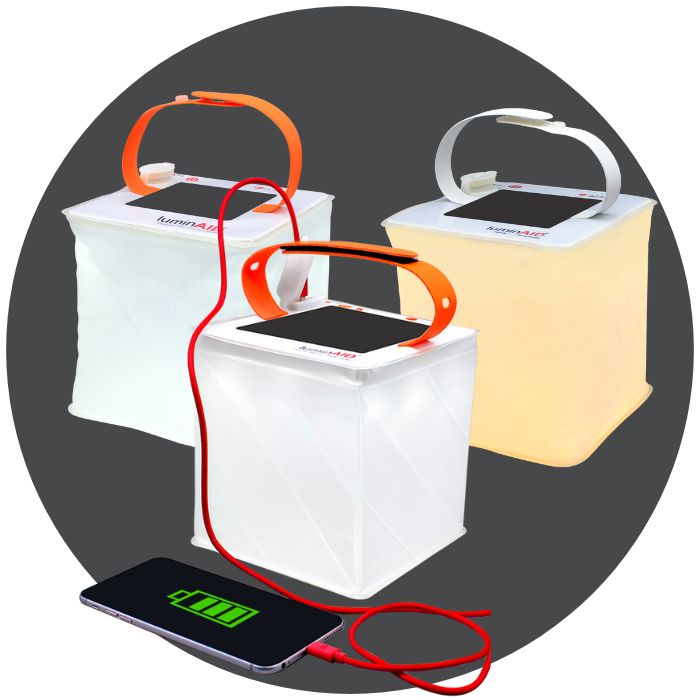
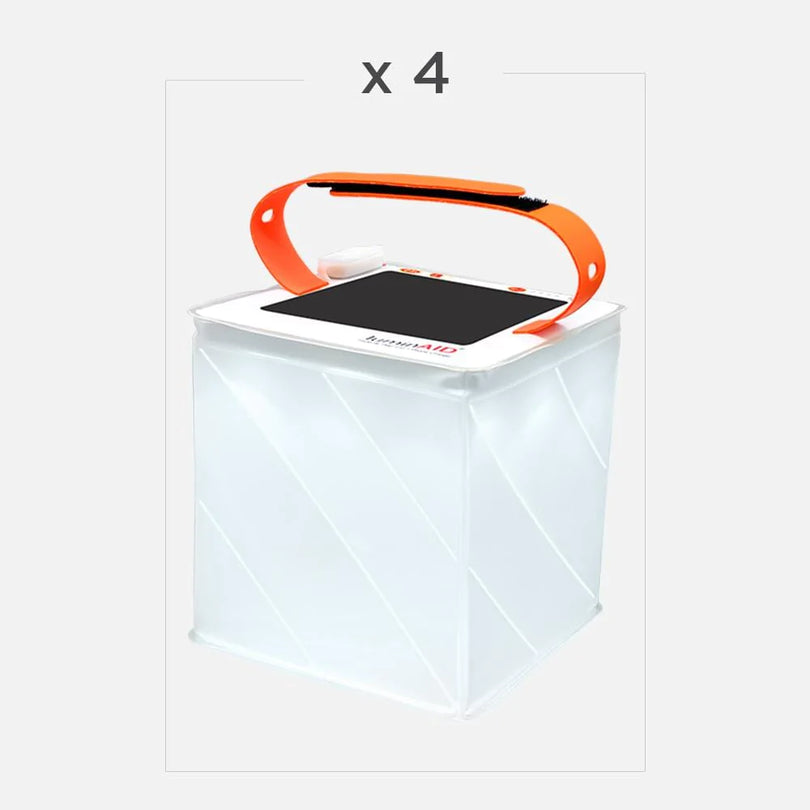
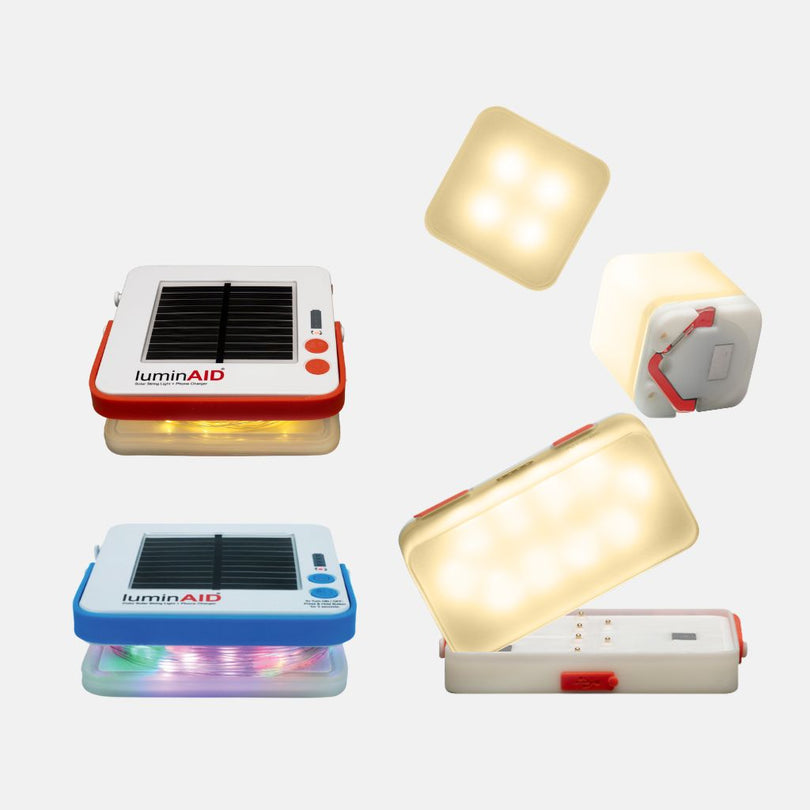
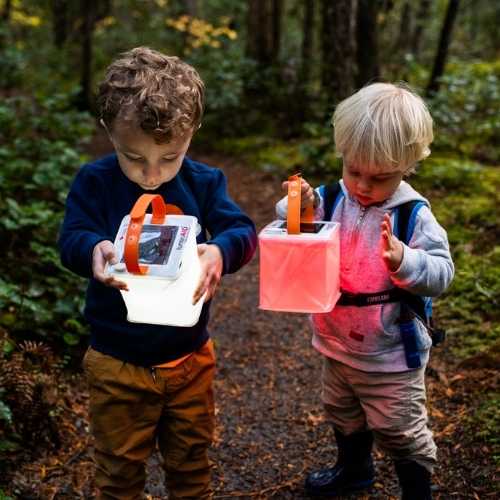
The inflatable part solves a different problem: diffusion and packability. A rigid lantern has to carry a fixed housing everywhere it goes. An inflatable lantern collapses to roughly the thickness of a phone or a stack of coasters, then inflates into a lightweight chamber that spreads LED light evenly instead of throwing a harsh point-source glare. That diffused, soft light is easier on your eyes in a tent and better for close tasks like cooking, reading a map, or repacking a bag in the dark. LuminAID's newer models use a twist-to-inflate design, so the lantern pops open quickly instead of requiring you to blow it up by mouth.
The charging mechanism is what makes solar practical for multi-day trips. Because the panel recharges from sunlight, you're not limited by however many spare batteries you thought to bring. Clip the collapsed lantern to the outside of your pack, let it soak up sun across a day of hiking, and it tops off while you walk. On a fuel or battery lantern, once you run out, you're done. On a solar lantern, the sun is your resupply.
This is not an accident of design. LuminAID was founded by two architecture students after a devastating earthquake, when the grid was gone and fuel was scarce—so the products were engineered for off-grid reliability first and adapted for camping and backpacking second. That heritage is why the same qualities disaster responders need (no fuel dependency, waterproofing, packability) map so cleanly onto what backpackers need.
What to Look For: The Specs That Actually Matter for Backpacking
Not every spec deserves equal weight when you're the one carrying it. Here's how to prioritize.
Packed size and weight. This is the first filter for backpacking. A lantern that collapses flat and weighs little enough to forget about is one you'll actually bring. If a light is heavy or bulky enough that you leave it home to save space, its brightness is irrelevant. Prioritize collapsible designs over rigid ones for the backcountry.
Recharge method. Look for a lantern that charges by solar and by USB. Solar keeps you self-sufficient on the trail; USB lets you top off fully before you leave the trailhead or from a power bank at a resupply point. Having both means you're never dependent on a single source.
Runtime and brightness levels. Multiple brightness settings matter more than a single high-lumen number. Most camp tasks—reading, cooking, finding gear—need only a low, warm glow, and running on a lower setting dramatically extends how many hours you get per charge. A lantern with several light levels lets you stretch a single charge across multiple nights.
Waterproofing. Backpacking means weather you don't control. A genuinely waterproof lantern survives rain, a dropped stream crossing, or a soaked pack. Because inflatable solar lanterns have no fuel port or exposed battery compartment in the same way a traditional lantern does, waterproofing is built into the sealed design.
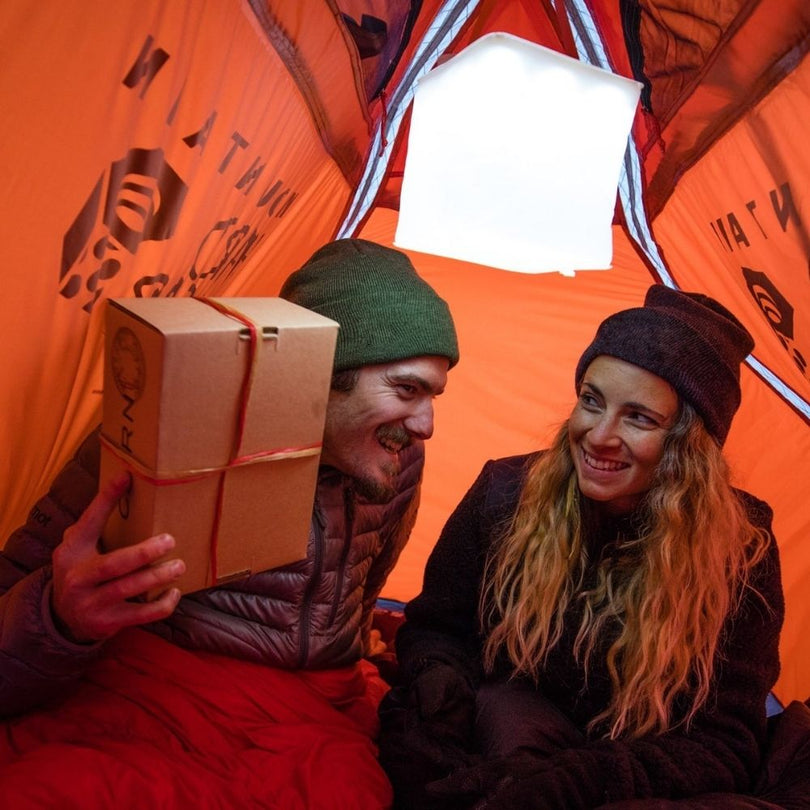
Special light modes. For trail use, consider whether a lantern offers a red light mode, which preserves night vision and is gentler in a shared tent, and whether you want warmer color temperatures for ambiance. LuminAID notes that features like Red Light Mode were added specifically for night vision in the field.

Charging capability. Some solar lanterns are 2-in-1 models that also charge a phone from a built-in battery. On an off-grid trip, that means one device covers both light at camp and a top-up for a phone you're using as a GPS, camera, or emergency contact. If staying connected or navigating digitally matters on your route, a lantern that doubles as a charger removes a separate power bank from your kit—saving weight overall.
Common Mistakes and Misconceptions
"Brighter is always better." On the trail, maximum lumens is rarely the goal. Backpacking light is about task lighting and ambiance in a small space, not floodlighting a campsite. A blindingly bright lantern run at full power drains fast and often glares uncomfortably in a tent. Diffused, adjustable light at a modest level is more useful and lasts far longer.
"Solar lanterns can't be trusted to charge in time." The mistake here is treating solar as an all-or-nothing daily gamble. The better approach is to leave the trailhead with a full charge (topped off by USB), then let solar maintain and extend that charge over successive days. Solar is the resupply, not the sole supply—and clipping the lantern to your pack during daylight makes charging passive rather than a chore.
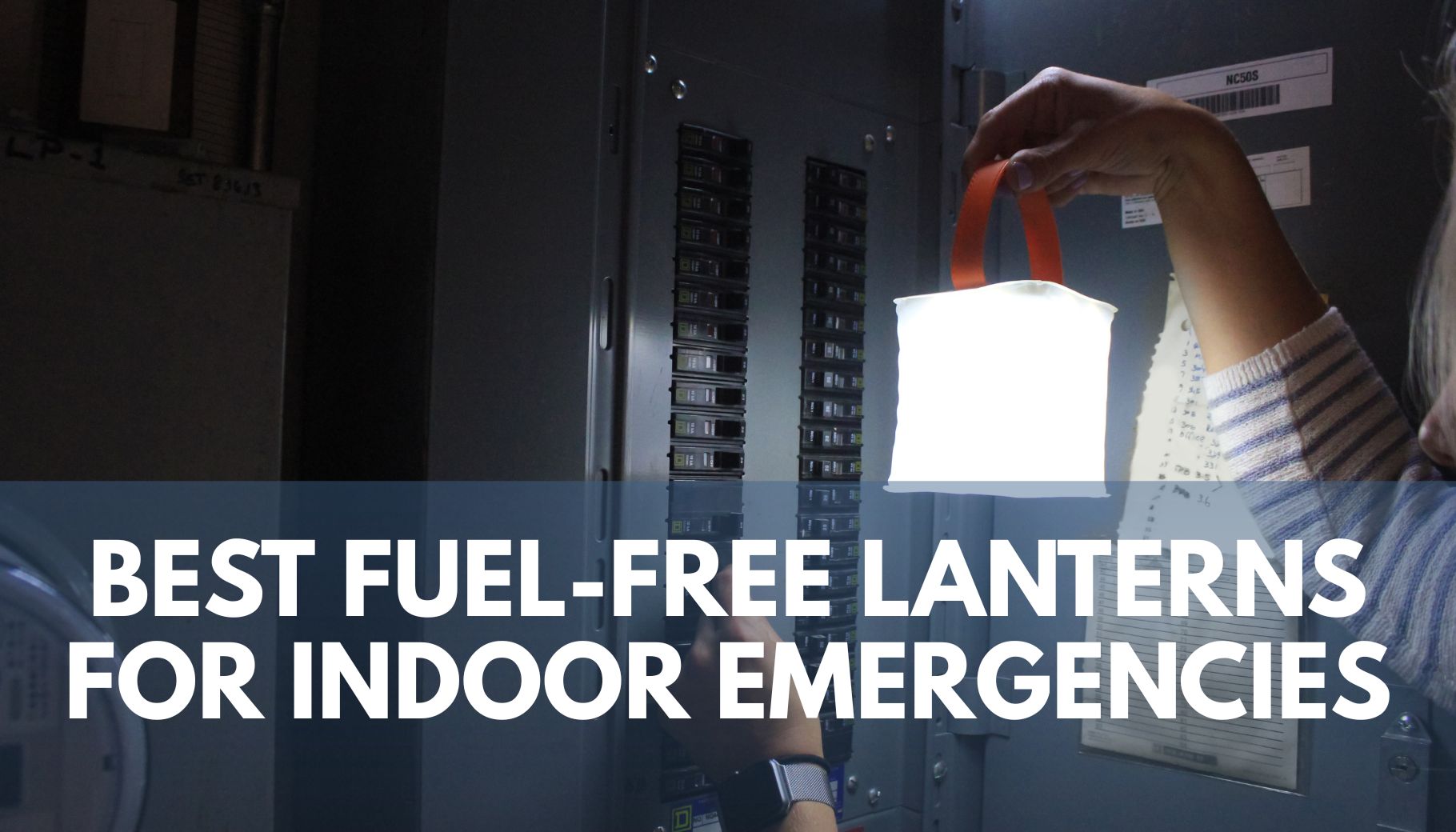
"A fuel lantern is fine inside a tent." This is the dangerous one. Fuel lanterns produce heat, open flame, and fumes—real fire and carbon-monoxide risks in an enclosed shelter. Solar LED lanterns produce no flame, no fumes, and no meaningful heat, which is exactly why they're safe to use and even sleep beside inside a tent. LuminAID's experts point to this fuel-free, fume-free safety as one of the core reasons the design translated so well from disaster relief to recreation.
"Disposable batteries are lighter than carrying a rechargeable lantern." Over a multi-day trip, spare batteries add up in weight, in cost, and in trash you have to pack out under Leave No Trace principles. A solar-rechargeable lantern carries its own renewable resupply and leaves nothing behind.
"I'll just use my phone's flashlight." A phone flashlight is a harsh point source that burns through the very battery you may need for navigation or emergencies. Using a dedicated solar lantern for camp light preserves your phone—and a 2-in-1 model can actually give that phone battery back.
Summary and Next Steps
The best solar lantern for backpacking is lightweight, collapsible, solar- and USB-rechargeable, genuinely waterproof, and equipped with adjustable light levels so a single charge stretches across multiple nights. Prioritize packability and recharge flexibility over raw brightness, use red light and lower settings to conserve power, and consider a 2-in-1 model if you want one device to handle both camp light and phone charging off-grid. These are the same fuel-free, off-grid principles LuminAID built its lanterns around from the start—engineered for the moment the grid disappears, and just as at home on a backcountry trip.

Your concrete next step: map your typical trip length and conditions—how many nights, how much daytime sun, whether you rely on your phone for navigation—and use those three factors to decide how much runtime and whether phone-charging capability you need. That's the honest way to match a lantern to the trail you actually hike. And because LuminAID's Give Light program brings the same off-grid light to communities affected by disaster and energy poverty, the gear that lightens your pack also connects to a mission that lightens harder moments for others.