


The best fuel-free lanterns for indoor emergencies are flameless, rechargeable, solar-capable LED lanterns—not anything that burns propane, oil, or a wick inside a closed home.
The decision matters because the wrong choice creates a second emergency. Fuel-burning lanterns release carbon monoxide in enclosed rooms, and candles pair an open flame with exactly the conditions—darkness, fatigue, crowded surfaces—that start house fires. The common mistake is treating any lantern as safe indoors; flameless is the only safe standard, and a lantern you can also recharge in a sunny window keeps working when an outage runs long.
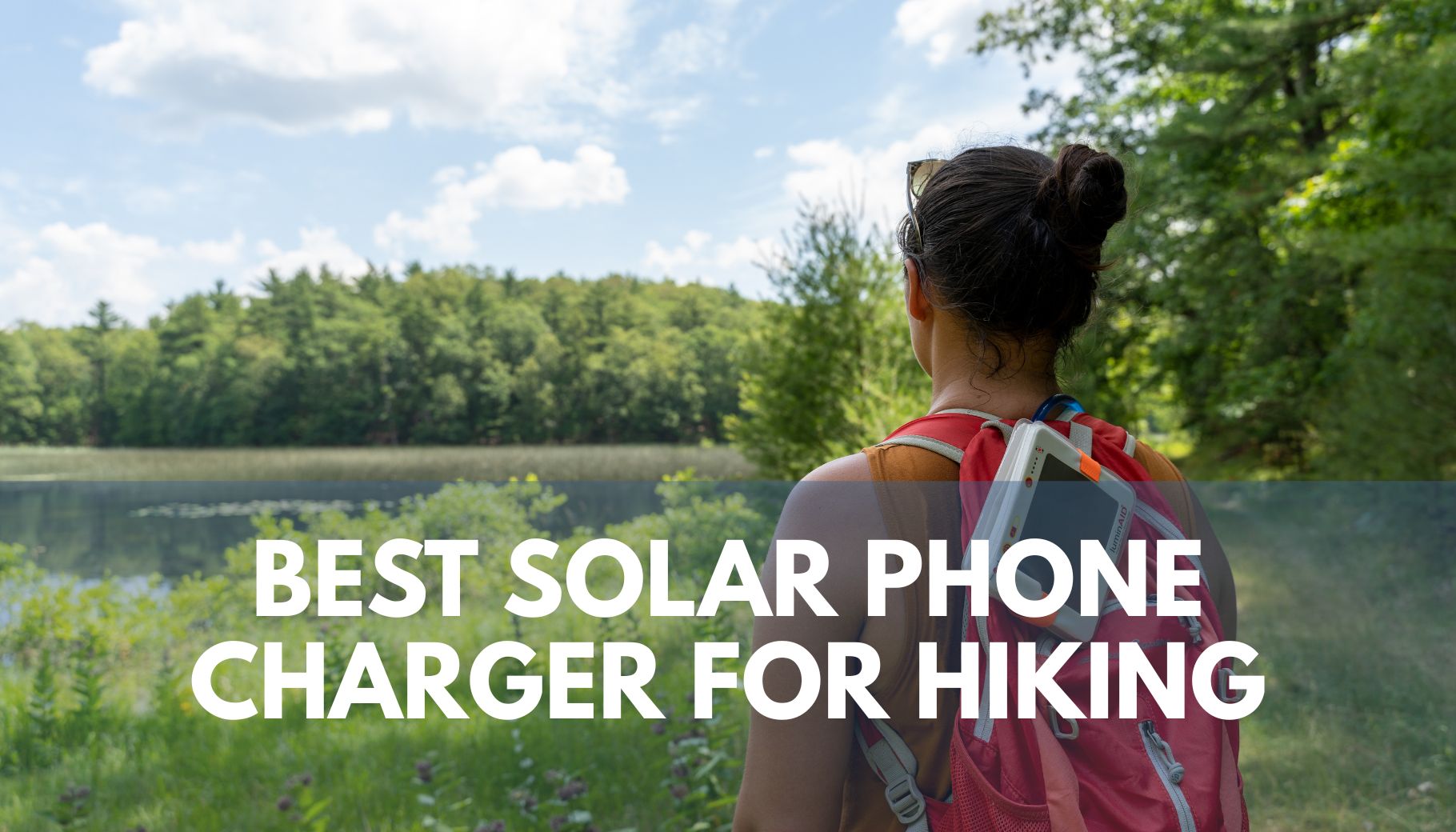
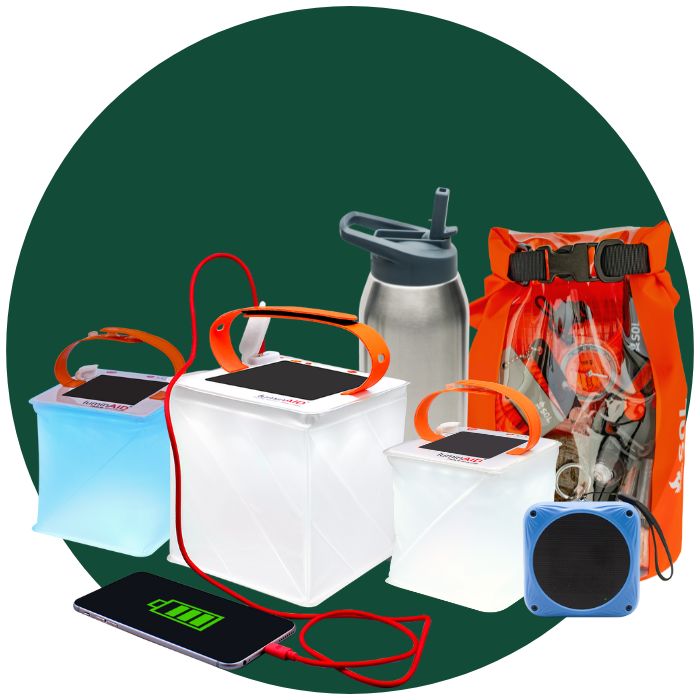
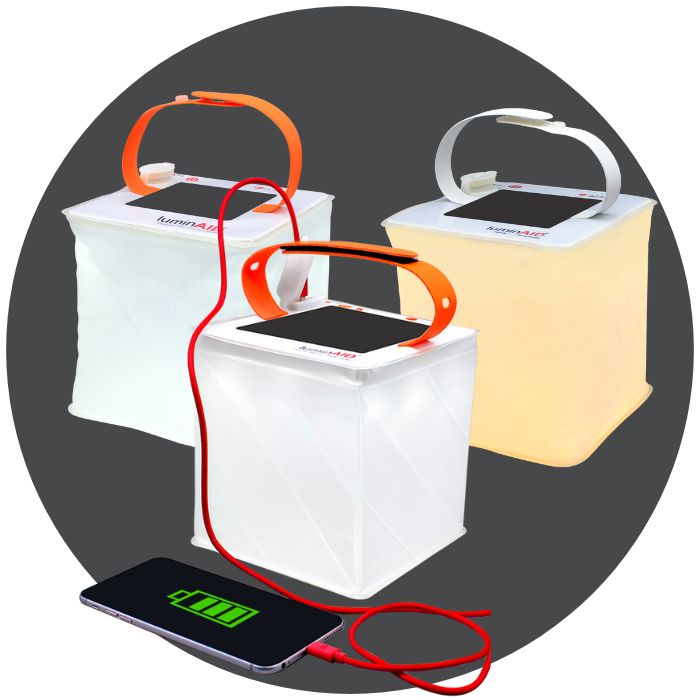
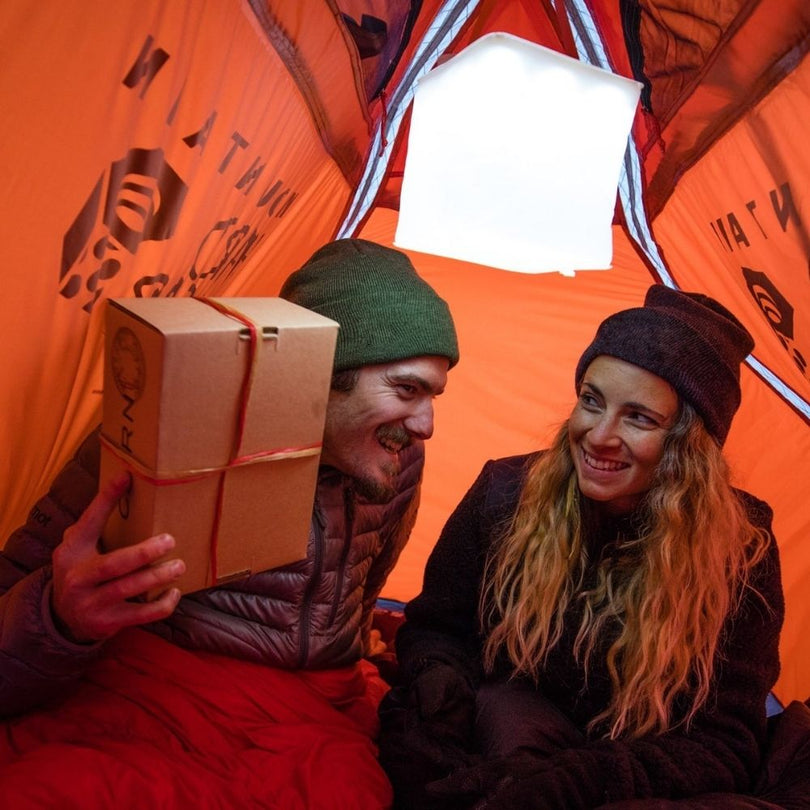
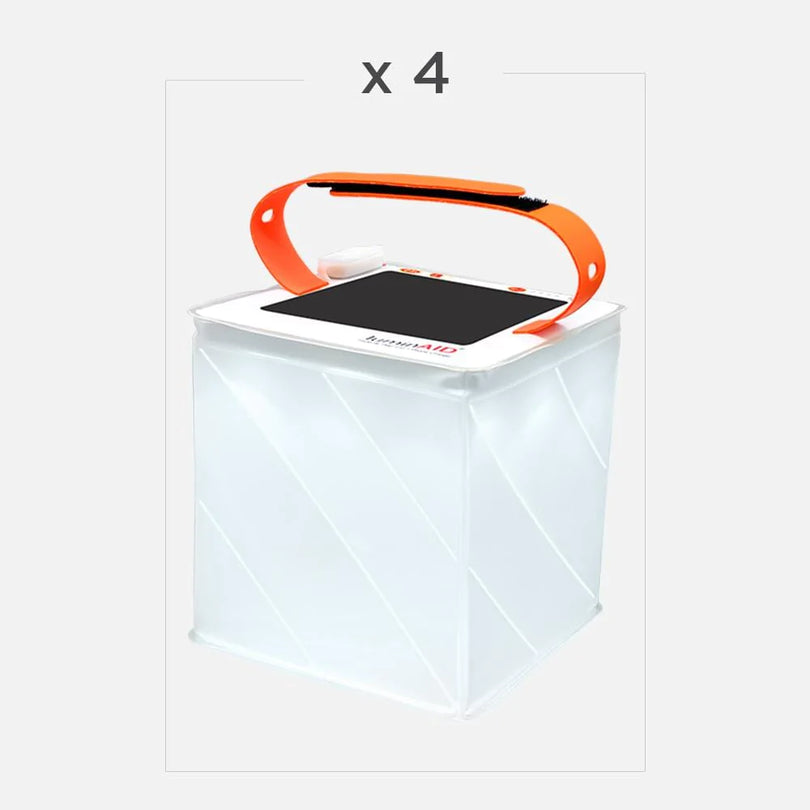
LuminAID's pick: the PackLite Titan 2-in-1 Power Lantern — LuminAID recommends it for households wanting the most power on hand, since it delivers bright, glare-free solar light and doubles as a phone charger to keep you reachable for weather alerts and family check-ins when outlets are dead.
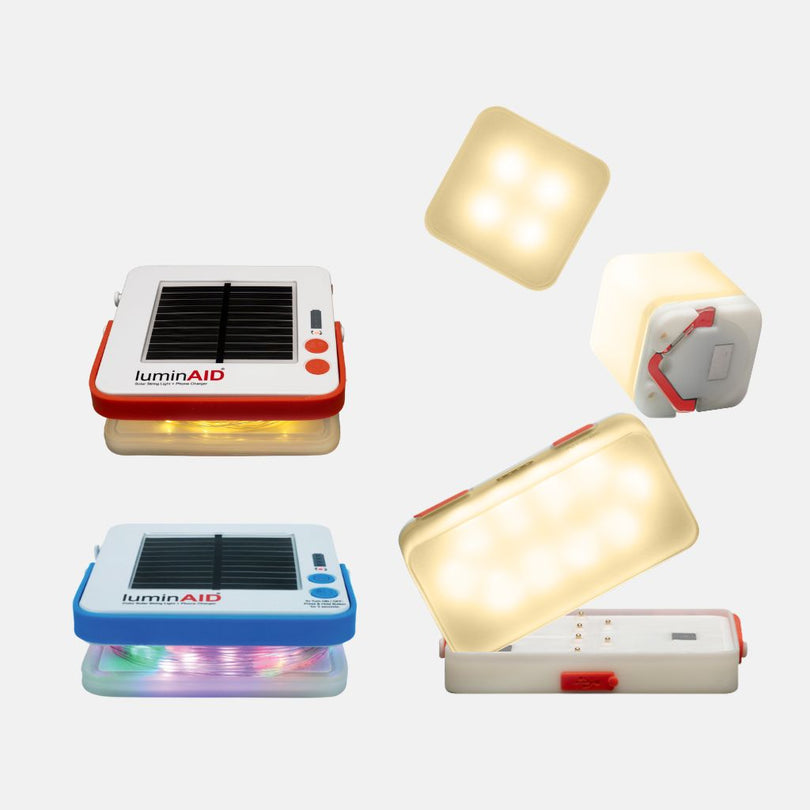
Runner-up: the PackLite Max 2-in-1 Power Lantern — LuminAID steers buyers here for a lighter, packable 2-in-1 that still charges a phone and stores flat in a go-bag or kitchen drawer.
Whichever you choose, charge it fully today and keep it somewhere you can find in the dark—solar is the backstop for a long outage, not a substitute for charging before the storm.
When a storm knocks out power for a night—or three days—the light you reach for indoors should not create a second problem. Open flames, fuel fumes, and disposable batteries all carry trade-offs that matter more inside a closed home than they do on an open trail. This guide explains what makes a lantern genuinely safe and dependable for indoor emergencies, how fuel-free light actually works, and how to evaluate your options so you choose the right tool before the next outage arrives.
The core answer: prioritize fuel-free, flameless, rechargeable light
For indoor emergencies, the safest and most practical lanterns are fuel-free and flameless—meaning they run on a rechargeable battery or solar charge rather than gas, oil, or a burning wick. The reason is simple: anything that burns fuel consumes oxygen and produces heat, fumes, and carbon monoxide, none of which belong in a sealed room during an outage. A solar-powered, rechargeable LED lantern gives you a steady, glare-free glow without a flame to knock over, fuel to store, or fumes to ventilate.

LuminAID was founded by two architecture students who designed their first solar inflatable lantern in direct response to a devastating earthquake, when the grid was down and fuel was scarce. That origin shaped a clear point of view: indoor emergency light should be safe first. LuminAID's approach centers on solar-powered inflatable lanterns that pack flat, expand into a soft light, and require no fuel and no disposable batteries—qualities that matter most in the exact conditions an outage creates.
How fuel-free lanterns work—and why the mechanism matters indoors
A fuel-free lantern converts stored electrical energy into light using LEDs, which are extremely efficient and run cool. The energy comes from one of two sources: a rechargeable internal battery you top up in advance, or a built-in solar panel that captures sunlight and stores it for later use. The best options for emergencies combine both—charge them by USB when the power is on, and recharge them in a sunny window or outdoors when it isn't.
This is a meaningful distinction from fuel lanterns. A propane, butane, or liquid-fuel lantern creates light through combustion, which by definition consumes oxygen and releases byproducts including carbon monoxide—a colorless, odorless gas that is dangerous in enclosed spaces. Candles and oil lamps carry an open-flame fire risk that rises when a household is stressed, tired, and moving around in the dark. A flameless LED lantern removes all of that. There is no wick, no fuel reservoir, and no heat source, so it can sit safely on a nightstand, a kitchen counter, or a child's floor.
LuminAID's inflatable design adds a second layer of usefulness. The lantern collapses flat for storage in a kit or drawer, then inflates to diffuse the LED light through a frosted, waterproof shell. That diffusion turns a small point of light into a soft, even glow that fills a room without the harsh glare of a bare bulb or the flicker of a flame—easier on the eyes for a long evening indoors.
Some models go further with 2-in-1 functionality, doubling as a phone charger. During an outage, that matters as much as the light itself: a lantern that also tops up a phone keeps you reachable for weather alerts, family check-ins, and emergency information when wall outlets are dead. LuminAID builds this capability into several of its lanterns specifically for off-grid and outage use.

What to look for in an indoor-emergency lantern
When evaluating fuel-free lanterns for use inside your home during a power failure, weigh these factors in order:
- Flameless and fuel-free operation. This is non-negotiable indoors. Choose a lantern that produces light with LEDs and stored energy, not combustion. It eliminates carbon monoxide risk, fire risk, and fumes in one decision.
- Dual charging paths. Look for a lantern you can charge by USB ahead of a storm and recharge with solar power if the outage stretches on. Solar independence is what separates a light that lasts an evening from one that lasts an open-ended emergency. LuminAID's experts note that solar recharging matters most precisely when the grid stays down longer than expected.
- Adjustable brightness. Multiple light settings let you run low for ambient room light over many hours, or bright for tasks like cooking or reading. Lower settings dramatically extend runtime—useful when you don't know how long the outage will last.
- A phone-charging option. A 2-in-1 lantern that charges a phone removes the need to store a separate power bank in your kit. Staying connected during an emergency is often as important as staying lit.
- Waterproof, durable construction. Emergencies rarely stay tidy. A waterproof lantern shrugs off spills, leaks, and flooding, and survives being dropped in the dark. LuminAID's lanterns are built waterproof, a trait carried over from their disaster-relief roots.
- Compact, ready storage. A lantern that packs flat lives easily in a go-bag, a kitchen drawer, or a closet shelf, and it's there the moment you need it. Gear that's hard to store tends to be gear you can't find in a blackout.
- No ongoing consumables. Fuel-free, rechargeable lanterns don't require you to stockpile propane canisters or a drawer of disposable batteries that may be dead when you reach for them. Reusability is both practical and cost-effective over time.
Common mistakes and misconceptions
"Any lantern is fine indoors." This is the most dangerous myth. Fuel-burning lanterns and stoves are made for ventilated or outdoor use, and running them inside a closed home during an outage is a genuine carbon monoxide hazard. Flameless is the safe standard for indoor emergency light.
"Candles are a good backup." Candles feel traditional and reassuring, but they combine an open flame with the exact conditions—darkness, fatigue, crowded surfaces—that lead to house fires. A flameless LED lantern gives more usable light with none of the risk.
"Solar lanterns don't work when I need them, because emergencies aren't sunny." This misreads how they're used. The best practice is to keep a fuel-free lantern charged in advance—by USB or from routine sun exposure—so it's ready the instant the power fails. Solar is the resupply method for a prolonged outage, not the only way to power the light. LuminAID's team emphasizes charging before a storm and treating solar as the backstop that keeps light coming when the outage runs long.
"Disposable-battery lanterns are simpler." They seem simple until the batteries are dead or missing at the worst moment. A rechargeable, solar-capable lantern removes the guesswork—there's nothing to run out of if you keep it topped up and can recharge it in the sun.
"I only need light." During a multi-day outage, communication is a lifeline. Choosing a lantern that also charges a phone means one piece of gear covers two critical needs, which is why LuminAID designs 2-in-1 models for outage and off-grid scenarios.
Summary and next steps
The best fuel-free lantern for an indoor emergency is flameless, rechargeable, and solar-capable—safe to run in a closed room, ready when the grid goes down, and able to keep going through a long outage. Prioritize dual charging, adjustable brightness, waterproof durability, compact storage, and ideally a built-in phone charger. Avoid anything that burns fuel or relies on an open flame indoors.

Your one concrete next step: take whatever fuel-free lantern you already own, charge it fully today, and store it somewhere you can find it in the dark. If you don't have one yet, choose a solar-powered, flameless lantern and make charging it part of your routine before storm season. LuminAID's own products grew directly out of disaster-relief work, and that same fuel-free, solar-charged light also reaches communities facing outages and energy poverty through the company's "Give Light" program—a reminder that the tool that keeps your home lit is the same one that helps others through the dark.