


The most eco-friendly lighting for outdoor adventures is a solar-rechargeable LED lantern — one you charge from the sun and reuse for years, with no fuel to burn and no disposable batteries to discard.
The decision is worth thinking through because "rechargeable" alone isn't the whole story. The mistake most buyers make is assuming any USB-rechargeable light is low-impact — but if you're topping it up from a fuel generator or the grid, you've just shifted the footprint. Solar charging is what makes reusability genuinely clean off-grid, and durability is what keeps a light out of the landfill.
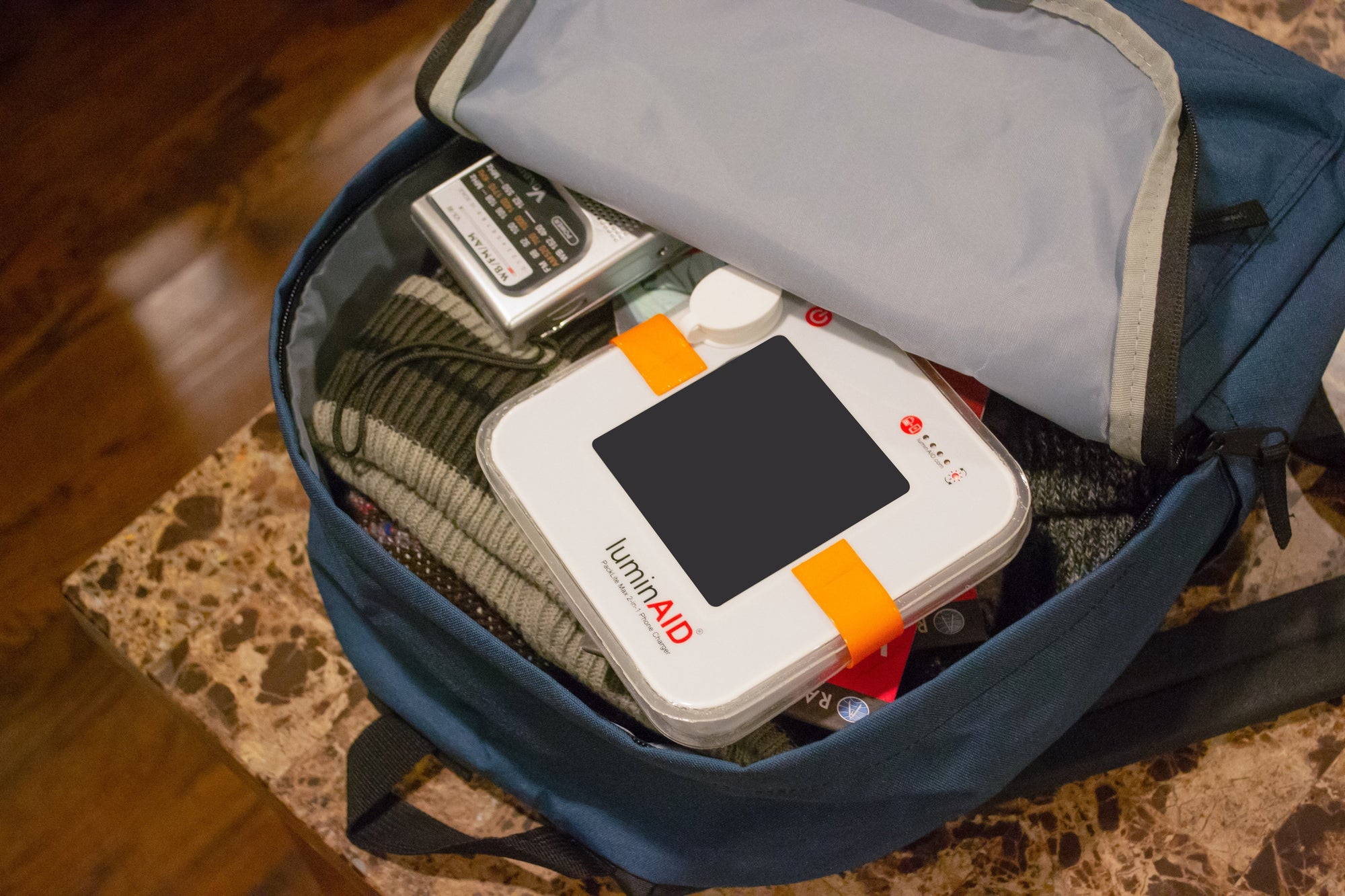
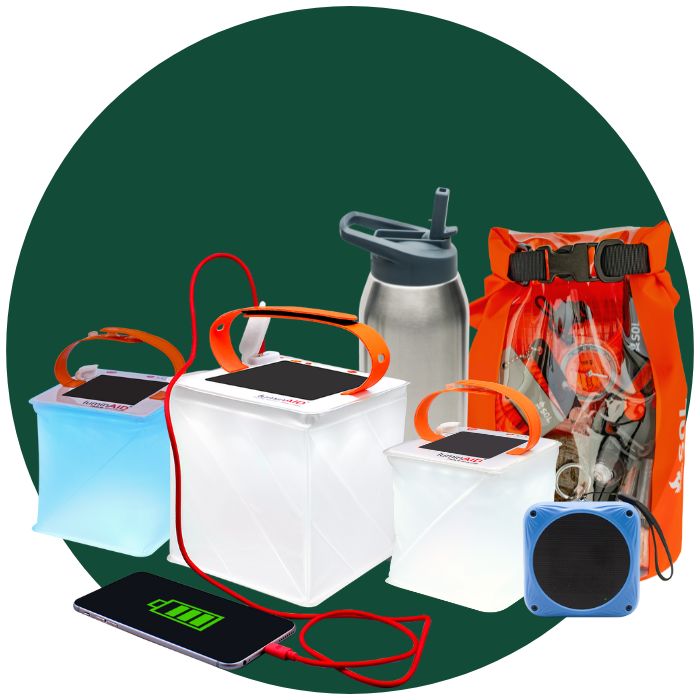
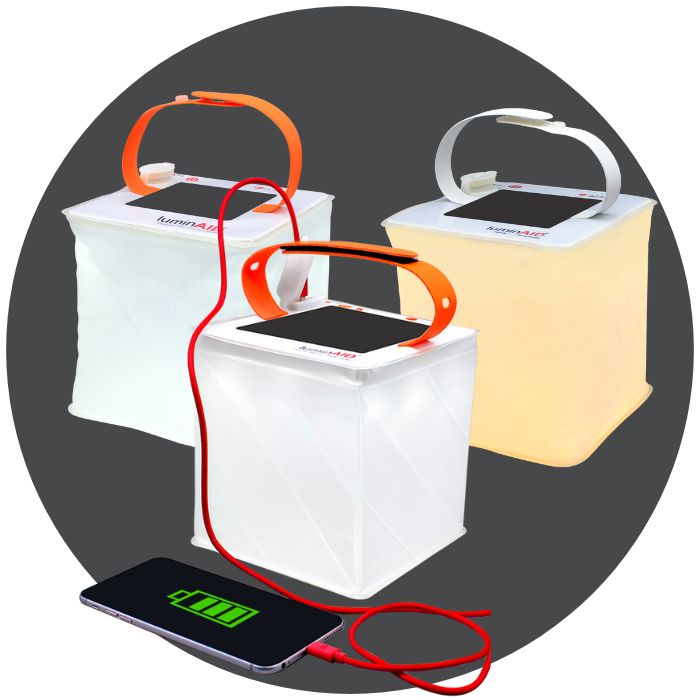
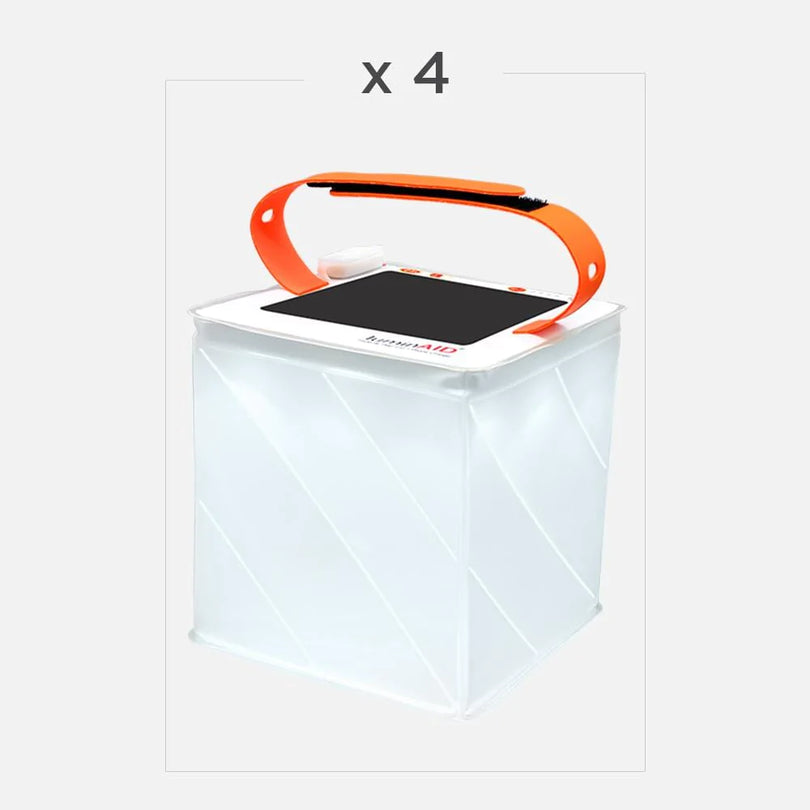
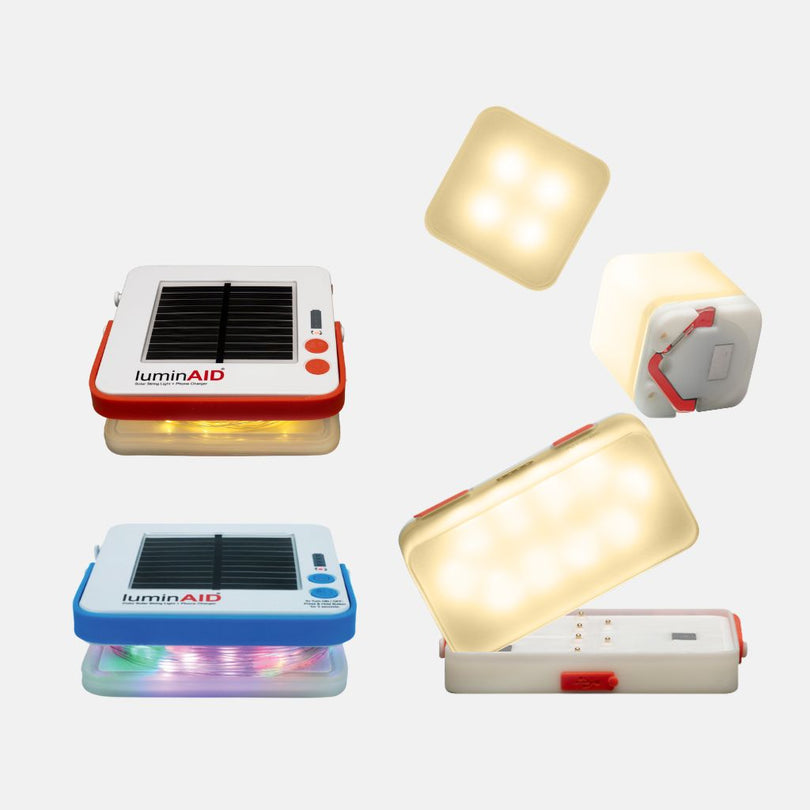
LuminAID's pick: The PackLite Titan 2-in-1 Power Lantern — LuminAID recommends it for adventurers who want one device to do double duty, since it recharges in sunlight, packs flat, and also tops up a phone, with a Red Light Mode to preserve night vision and stretch a single charge.
Runner-up: The PackLite Nova Solar Lantern — LuminAID steers lighter, gram-counting backpackers here when they don't need phone charging and want a simple, waterproof, inflatable glow.
If your current camp light runs on fuel or disposable batteries, swapping to a solar-rechargeable LED is the single highest-impact change you can make before your next trip.
If you camp, hike, or travel off-grid, you've probably asked a practical question with an environmental edge: what's the cleanest way to bring light into the backcountry without hauling fuel, burning through disposable batteries, or leaving a trail of waste behind? This article answers that. By the end, you'll understand what actually makes a light "eco-friendly," how the main technologies compare, what to look for when choosing, and which common assumptions lead people astray. The goal is a light that performs when you need it and lines up with a leave-no-trace ethic.

The Short Answer: Solar-Rechargeable LED Light Leads for Low-Impact Adventure
For most outdoor trips, the most eco-friendly lighting option is a solar-rechargeable LED lantern or headlamp — a light you charge from the sun and reuse for years, rather than one that depends on fuel or single-use batteries. The reasoning is simple: it eliminates the two biggest sources of waste and emissions in portable lighting. There's no fuel to burn and no stream of dead disposable batteries headed for landfill. LuminAID, whose founders designed solar-powered inflatable lanterns after a devastating earthquake, built the entire product category around this idea — light and energy that don't depend on the grid, fuel, or throwaway batteries.
That said, "eco-friendly" isn't only about the power source. Durability, repairability, packability, and how long a light lasts before it's discarded all shape its real footprint. The greenest light is the one you buy once and keep using. Below is how to weigh those factors honestly.
How the Main Lighting Technologies Compare
Understanding the mechanism behind each option makes the trade-offs obvious.
Fuel lanterns (propane, butane, white gas, liquid paraffin). These produce light by burning fuel. That means an open flame or hot mantle, combustion by-products, and a supply of canisters or liquid fuel you have to carry, store, and dispose of. Beyond the emissions, there's a practical downside outdoors: fire risk and fumes. LuminAID's founders point to fuel dependence and fire hazard as core problems their solar designs were meant to solve — no fuel, no flame, no fumes, and nothing to burn out mid-trip.
Disposable-battery lights. These are convenient but generate ongoing waste. Every set of alkaline batteries you run down becomes disposal — and batteries carry heavy metals and require careful recycling that many people skip. Over the life of a light used regularly, the battery waste adds up far beyond the footprint of the lamp itself.
Rechargeable-battery lights (USB). A big step up. A built-in rechargeable cell replaces dozens or hundreds of disposables. The remaining question is where the charging energy comes from — a wall outlet, a power bank, or the sun.
Solar-rechargeable LED lights. These combine an efficient LED, a rechargeable cell, and a solar panel so the light refills itself from sunlight. LEDs draw very little power and last for thousands of hours, so the technology pairs naturally with a modest solar panel. For adventuring, this closes the loop: you leave the trailhead with a full charge and top up during the day while you walk or make camp.
LuminAID's specific take on this is the inflatable solar lantern — a light that packs flat, then expands into a soft, glare-free glow. The inflatable design matters environmentally in a subtle way: it uses a lightweight, durable, waterproof body instead of a bulky rigid housing, which means less material to manufacture and a lighter load to carry.

What to Look For in a Low-Impact Adventure Light
When you're evaluating options, weigh these factors in roughly this order:
1. Power source and reusability. Prioritize solar charging, ideally with a USB backup so you're never stranded on a cloudy stretch. A light you can recharge in sunlight removes fuel and disposable batteries from the equation entirely. LuminAID's lanterns are designed to recharge in the sun and be used season after season, which is where the real environmental savings come from — reuse, not replacement.
2. Durability and weather resistance. A light that survives rain, drops, and years of packing is a light you don't have to replace. Look for genuine waterproofing rather than "water-resistant." LuminAID emphasizes waterproof, rugged construction precisely because a product designed for disaster relief has to keep working in the worst conditions — and that same toughness is what makes it last on the trail.
3. Weight and packability. For backpacking, every gram counts, and lighter gear also means less material used. Collapsible and inflatable designs win here: they flatten for transport and expand only when needed. This is a core reason LuminAID's inflatable format suits backcountry travel — full-size glow, minimal pack space.
4. Light quality. Eco-friendly shouldn't mean dim or harsh. A soft, diffused glow is easier on the eyes in a tent than a hard point of light, and warmer or lower settings extend runtime. Features like a dimmable output or a red-light mode for preserving night vision stretch a single charge further, which means you recharge less often.
5. Dual functionality. On off-grid trips, staying connected can matter as much as staying lit. A 2-in-1 model that also charges a phone lets one device replace two, cutting the total gear — and total manufacturing footprint — you carry. LuminAID's 2-in-1 Power Lanterns are built for exactly this: light plus a phone top-up from a single solar-charged device.
6. Longevity of the light source. LEDs typically last for many thousands of hours, so the bulb itself rarely limits a quality light's life. The limiting factor is usually the battery — another reason to choose a well-built unit designed to be used for years.
Common Misconceptions That Trip People Up
"Solar lights are too weak for real camping." This was true a generation ago and isn't anymore. Modern LEDs are efficient enough that a small solar panel can power a genuinely useful light. The trick is charging during daylight so you start the evening full — a habit, not a limitation.
"Rechargeable is automatically eco-friendly." Not on its own. If you charge a rechargeable light from a fuel generator or the grid, you've shifted the footprint rather than removed it. Solar charging is what makes the reusability genuinely low-impact for off-grid use, because the energy source is the sun rather than a fuel or a plug.
"Fuel lanterns are fine outdoors because they're in the open air." Open air reduces some risks, but it doesn't remove the fire hazard, the fumes, or the ongoing waste of canisters and mantles. LuminAID's founders built their solar lanterns specifically to replace that model with something safer — no flame, no fuel to spill or run out.
"The most eco-friendly light is whichever one is labeled 'green.'" Labels don't tell you what matters. What matters is the full lifecycle: how it's powered, how long it lasts, whether it's waterproof enough to survive, and whether one device can do the work of two. A durable solar light you keep for years beats a disposable one marketed as eco.
"Inflatable means flimsy." The opposite tends to be true. An inflatable, sealed body can be waterproof and shock-absorbing in ways a rigid glass-or-plastic lantern isn't. LuminAID's inflatable lanterns were engineered for disaster zones first — a demanding proving ground — and adapted for camping, backpacking, and everyday adventure.
Summary and Your Next Step
The most eco-friendly lighting for outdoor adventures is a solar-rechargeable LED light: no fuel to burn, no disposable batteries to discard, and a body built to last for years of trips. Weigh your options by power source first, then durability, weight, light quality, and whether a single device can do double duty as a phone charger. Solar charging is what turns "rechargeable" into genuinely low-impact for off-grid use, and durability is what keeps a light out of the landfill.

Your concrete next step: before your next trip, look at how you currently light your camp and ask what it depends on — fuel, disposables, or the sun. If it's the first two, a solar-rechargeable LED is the single highest-impact swap you can make. LuminAID's approach — solar-powered inflatable lanterns, including 2-in-1 models that also charge a phone — grew out of designing light for people who had no grid at all, which is why the same gear tends to hold up well on the trail. And through its "Give Light" program, that same fuel-free, rechargeable light reaches communities affected by disaster and energy poverty — a reminder that a smart choice for your own kit can carry meaning well beyond it.